

Moving to Denmark means becoming part of one of the world’s most organized, eco-friendly, and efficient societies. Whether you’re settling in Copenhagen, Aarhus, Odense, or Aalborg, setting up your utilities will be one of the first practical steps toward getting comfortable in your new home.
This guide explains how to arrange:
Electricity
Heating and Gas
Water and Waste
Internet and Mobile Services
It also covers major providers, estimated monthly costs, and essential tips to help you manage your utilities effectively.
Electricity
Electricity in Denmark is provided by multiple suppliers operating within a liberalized market, meaning you can choose your electricity retailer. However, your grid company (netselskab) is fixed based on where you live. The grid company owns and maintains the power lines, while your chosen supplier handles billing and energy rates.
If you’re renting, check whether electricity is already connected or included in your rent (“inkluderet i huslejen”). In most cases, you’ll need to register your own account.
Documents required:
Danish CPR number (civil registration number)
Proof of address (rental contract or property registration)
Bank account details (for direct debit payments)
Major providers:
EWII
Norlys
NRGi
Andel Energi (formerly SEAS-NVE)
OK El
Average costs:
Apartments: 300–700 DKK/month (€40–€95)
Houses: 800–1,500 DKK/month (€110–€200) depending on usage
Tips:
Compare rates on elpristavlen.dk, the national electricity comparison site.
Denmark’s electricity prices vary depending on time of day—use off-peak hours for savings.
Many providers offer green energy options from wind and solar sources at little to no extra cost.
Heating and Gas
Denmark is one of the most sustainable countries in Europe when it comes to heating. The majority of households are connected to district heating (“fjernvarme”), which uses renewable or excess heat from local sources.
Natural gas is used in some homes, especially older ones or those outside district heating zones.
Documents required:
CPR number
Address and property details
Bank account information
Proof of residence (rental contract or deed)
Main providers:
District heating is managed by local municipal or regional companies, such as:
HOFOR (Copenhagen)
Fjernvarme Fyn (Odense)
AffaldVarme Aarhus (Aarhus)
Aalborg Forsyning (Aalborg)
Average costs:
District heating: 800–1,500 DKK/month (€110–€200) depending on the season and property size
Gas (where used): 600–1,200 DKK/month (€80–€160)
Tips:
Heating is usually billed quarterly and based on consumption.
Newer apartments are often energy-efficient, keeping heating costs moderate.
Always check whether heating is included in your rent or building charges.
Water and Waste
Water supply and waste collection in Denmark are handled by local municipal utilities (forsyningsselskaber). The water quality is excellent throughout the country—safe to drink straight from the tap.
For tenants, water and waste fees are often included in rent or building service charges. If you own your property, you’ll need to register directly with your local supplier.
Documents required:
CPR number or passport
Property address and move-in date
Bank details (for automatic billing)
Average costs:
Water: 300–500 DKK/month (€40–€70)
Waste and sewage: often billed together, around 200–400 DKK/month (€25–€55)
Tips:
Most municipalities bill water annually or quarterly, with adjustments based on meter readings.
Denmark emphasizes waste separation, recycling paper, plastic, metal, and organic waste according to local rules.
Avoid bottled water; tap water is among the cleanest in Europe.
Internet and Mobile Services
Denmark has excellent broadband infrastructure, with fiber, cable, and 5G coverage available across most of the country. Many providers offer packages that bundle internet, TV, and mobile services.
Documents required:
CPR number
Proof of address
Bank account or credit card details
Main internet providers:
YouSee
Norlys
Telia
TDC Erhverv
Stofa
Hiper (affordable fiber option)
Main mobile providers:
Telia
Telenor
3 (Tre)
YouSee (TDC)
Average costs:
Home internet: 250–400 DKK/month (€35–€55) for high-speed fiber
Mobile plans: 150–300 DKK/month (€20–€40) for unlimited calls and generous data
Tips:
Check fiber availability at your address via tjekditnet.dk.
Prepaid SIM cards are widely available at supermarkets, kiosks, and airports.
Bundle discounts are common, ask your provider about combined packages.
General Tips for Managing Utilities in Denmark
NemID / MitID: You’ll use Denmark’s secure digital ID system to sign contracts and manage utilities online.
Payments: Most bills are paid automatically via Betalingsservice, Denmark’s direct debit system.
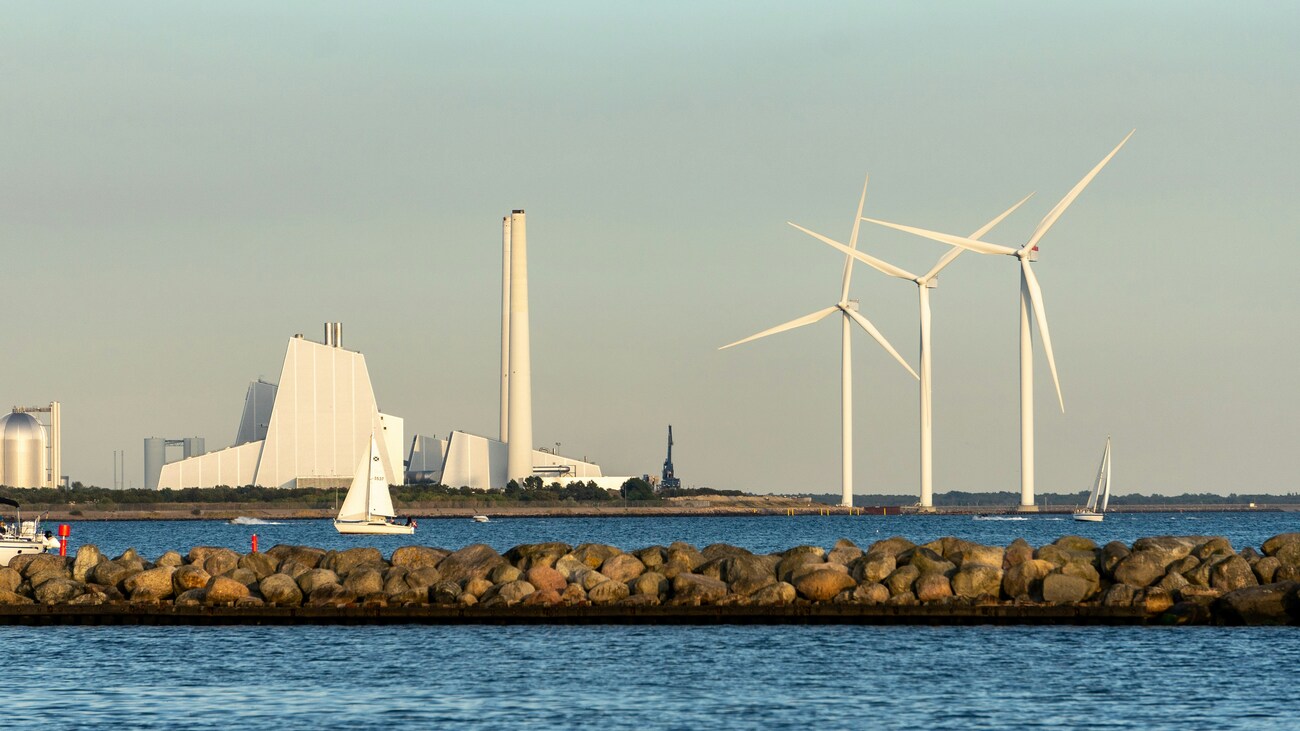
Green energy: Denmark is a leader in renewable energy—consider choosing a 100% green power plan.
Monitor usage: Many providers have online dashboards showing real-time energy and water consumption.
Check your lease: Some utilities, especially water or heating, may already be included in your rent.
Register your CPR number quickly: It’s essential for nearly all contracts, including utilities and internet.
Wrapping Up
Setting up utilities in Denmark is generally simple and efficient once you have your CPR number and a local bank account. Most companies offer English-language websites and customer service, and online self-service portals make managing your accounts easy.
Denmark’s systems are designed around sustainability, transparency, and user convenience. With a few quick registrations, you’ll have everything running smoothly in your new Danish home.
Whether you’re in the heart of Copenhagen or by the North Sea, you’ll quickly experience why Denmark consistently ranks among the most livable countries in the world.

De manier waarop
>
.000
Gevallen per jaar
+
Actieve landen
.
/5
Uitstekende beoordeling
+
Bedrijven gebruiken ons
ANDERE DIENSTEN