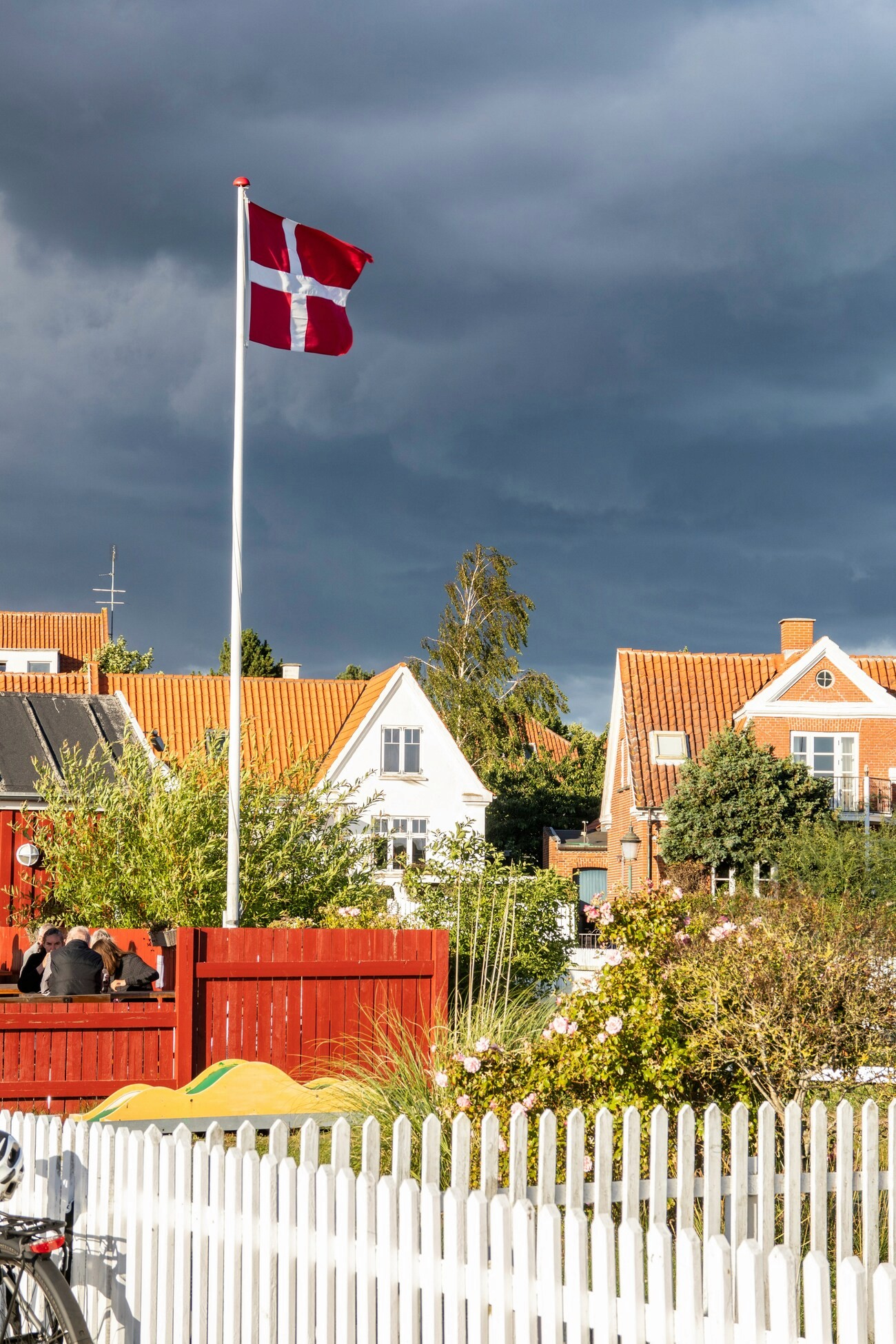


Denmark consistently ranks among the world’s happiest and most liveable countries, thanks to its safety, strong economy, and excellent public services. But along with that high quality of life comes a relatively high cost of living.
Whether you’re an expat moving to Copenhagen, a student studying in Aarhus, or a professional settling with family in Odense, this guide provides a detailed overview of living expenses in Denmark in 2026, along with smart budgeting strategies to make the most of your time there.
Average Costs of Living in Denmark (Excluding Rent)
Summary:
In 2026, the average cost of living in Denmark (excluding rent) is approximately DKK 10,000–12,000 per month for a single person and around DKK 30,000–35,000 for a family of four.
These costs include groceries, utilities, transportation, dining, and leisure activities. Copenhagen and Aarhus are the most expensive cities, while smaller towns and rural areas are somewhat more affordable.
Groceries & Daily Living
Denmark’s supermarkets are modern and well-stocked, but food prices are higher than the EU average, largely due to taxes and labor costs. However, careful shopping and local brands can keep expenses manageable.
Average monthly grocery spending: DKK 2,500–3,500 per person.
Typical prices for common items:
Bread (500 g): DKK 25–30
1 L of milk: DKK 12–15
A dozen eggs: DKK 35–45
1 kg of rice: DKK 20–30
1 kg of chicken breast: DKK 90–110
1 kg of cheese: DKK 90–120
Apples (1 kg): DKK 25–30
Potatoes (1 kg): DKK 20–25
Bottle of mid-range wine: DKK 80–120
Tip: Shop at discount chains such as Netto, Lidl, or Rema 1000, and buy local produce in season to save up to 15–20 % on groceries.
Utilities & Communication
Utilities in Denmark are generally efficient but relatively expensive due to high energy taxes. Costs fluctuate depending on home size, insulation, and heating habits.
Average monthly utility costs for a medium apartment: DKK 1,800–2,800
This includes:
Electricity and heating: DKK 1,200–1,800
Water and garbage collection: DKK 300–500
Internet (high-speed): DKK 250–400
Mobile phone plan: DKK 150–300
Tip: Energy-efficient appliances and good insulation can significantly lower heating costs, especially during Denmark’s long winters.
Insurance & Healthcare
Denmark offers one of the best public healthcare systems in the world, funded through taxes. All residents are covered under the national healthcare system and receive a personal health card (Sundhedskort).
Key facts:
Public healthcare: Free for residents with a CPR number.
Private health insurance: Optional, typically DKK 2,000–4,000 per year for faster access to specialists or private clinics.
Car insurance: DKK 4,000–8,000 annually depending on car type and coverage.
Home insurance: DKK 1,500–3,500 per year for basic coverage.
Tip: Most Danes rely entirely on the public system. If you’re employed, private health coverage may be included as part of your benefits package.
Transportation
Denmark’s public transportation network is excellent, clean, and reliable. Buses, trains, and metro systems run efficiently in all major cities. Cycling is also a national pastime, and often the cheapest and healthiest commuting option.
Typical transport costs:
One-way ticket (bus or metro): DKK 25–30
Monthly public transport pass: DKK 500–750 (depending on city and zones)
Taxi base fare: DKK 50–70
Petrol: around DKK 15–17 per litre
Tip: Consider a Rejsekort, Denmark’s nationwide travel card, for discounted fares across multiple public transport systems.
Dining & Entertainment
Denmark’s dining scene is world-class, but eating out can be expensive. Luckily, locals often enjoy a balance of restaurant meals, home cooking, and cozy social gatherings (hygge) at home.
Average dining and leisure costs:
Meal at a casual restaurant: DKK 130–180
Three-course dinner for two (mid-range): DKK 700–1,000
Coffee or cappuccino: DKK 40–55
Beer (0.5 L draft): DKK 60–80
Cinema ticket: DKK 120–150
Gym membership: DKK 250–400 per month
Tip: Lunch specials (frokosttilbud) and street food markets offer excellent value, especially in cities like Copenhagen.
Rent Costs in Denmark
Housing costs are among the largest expenses in Denmark, particularly in Copenhagen and Aarhus. The rental market is competitive, but suburban and smaller-town housing remains affordable.
Average rent prices (2026 estimates):
1-bedroom apartment in city center: DKK 10,000–14,000
1-bedroom apartment outside center: DKK 7,000–10,000
3-bedroom apartment in city center: DKK 16,000–25,000
3-bedroom apartment outside center: DKK 12,000–18,000
Tip: Apartments are often unfurnished. Plan for additional costs such as furniture, deposits (typically 2–3 months’ rent), and utilities if not included.
Essential Tips for Expense Management in Denmark
Take advantage of public services: Healthcare, education, and infrastructure are funded through taxes, use them to reduce private expenses.
Cycle or use public transport: Owning a car is costly; bikes and trains are far cheaper and more sustainable.
Buy local and seasonal: Imported goods are expensive; local produce and Danish brands offer better value.
Track your energy use: Heating can be one of the biggest bills during winter.
Cook at home: Restaurant prices are high, but grocery quality is excellent.
Consider shared housing: In big cities, co-living or flat-sharing can significantly reduce rent.
Budget for taxes: Denmark’s income tax is high, but it funds many benefits, factoring it into your net income calculations.
Conclusion
Living in Denmark in 2026 offers outstanding quality of life, modern infrastructure, and world-class public services, but it also requires mindful financial planning.
A single person excluding rent should budget around DKK 10,000–12,000 per month, while a family of four should plan for DKK 30,000–35,000.
By shopping smartly, cycling instead of driving, and taking advantage of Denmark’s generous public services, you can enjoy the Scandinavian lifestyle to the fullest, comfortably and sustainably.

De manier waarop
>
.000
Gevallen per jaar
+
Actieve landen
.
/5
Uitstekende beoordeling
+
Bedrijven gebruiken ons
ANDERE DIENSTEN