Global Relocation Trends, Future Growth Forecasts, and What Movers Should Know
Relocation patterns in 2026 reflect a world in transition. People are no longer moving solely for employment; instead, they are prioritizing quality of life, long-term economic stability, connectivity, and future opportunity. According to global urbanization and migration research, cities that combine economic resilience with livability are attracting the highest levels of relocation interest.
This article presents a global, evidence-based overview of the top cities people are moving to in 2026, alongside five cities and regions expected to become relocation hotspots over the next 5–10 years. The analysis draws on population trends, economic forecasts, housing demand indicators, and international migration data from recognized institutions. Throughout the article, we also highlight how Relocately supports international relocation by helping movers compare destinations and settle efficiently. In this article we’ll be discussing the following:
Global Cities People Are Moving to in 2026
Cities and Regions Poised to Become Relocation Hotspots (2027–2035)
Global Migration Trends Driving These Choices
How Relocately Helps Movers Choose and Settle
Conclusion
Global Cities People Are Moving to in 2026
Urban population growth remains a defining trend of the modern world. United Nations projections confirm that urban areas continue to absorb the majority of population growth globally, reinforcing cities as the primary destinations for relocation.
1. Milan, Italy — Europe’s Modern Cultural Capital

Milan has emerged as one of Europe’s most desirable cities for relocation in 2026. Infrastructure investments tied to major international events, combined with strong economic performance in finance, fashion, and technology, are driving inbound migration. Recent demographic and housing data show rising interest from both domestic movers and international professionals.
Milan’s appeal lies in its ability to offer career opportunity, cultural depth, and high living standards within a well-connected European context. For international relocation, Milan represents a strategic gateway into Southern Europe with growing long-term prospects.
2. Vancouver, Canada — Consistently High Migration Demand

Vancouver continues to attract newcomers due to its strong quality-of-life indicators, inclusive immigration policies, and stable labor market. Canada remains one of the most popular countries globally for relocation, and Vancouver consistently ranks among its top destination cities.
Migration data and expat surveys indicate sustained inflows driven by access to healthcare, education, safety, and natural amenities. Remote and hybrid work trends have further increased Vancouver’s appeal among professionals seeking lifestyle balance.
3. Singapore — Asia’s Relocation Anchor
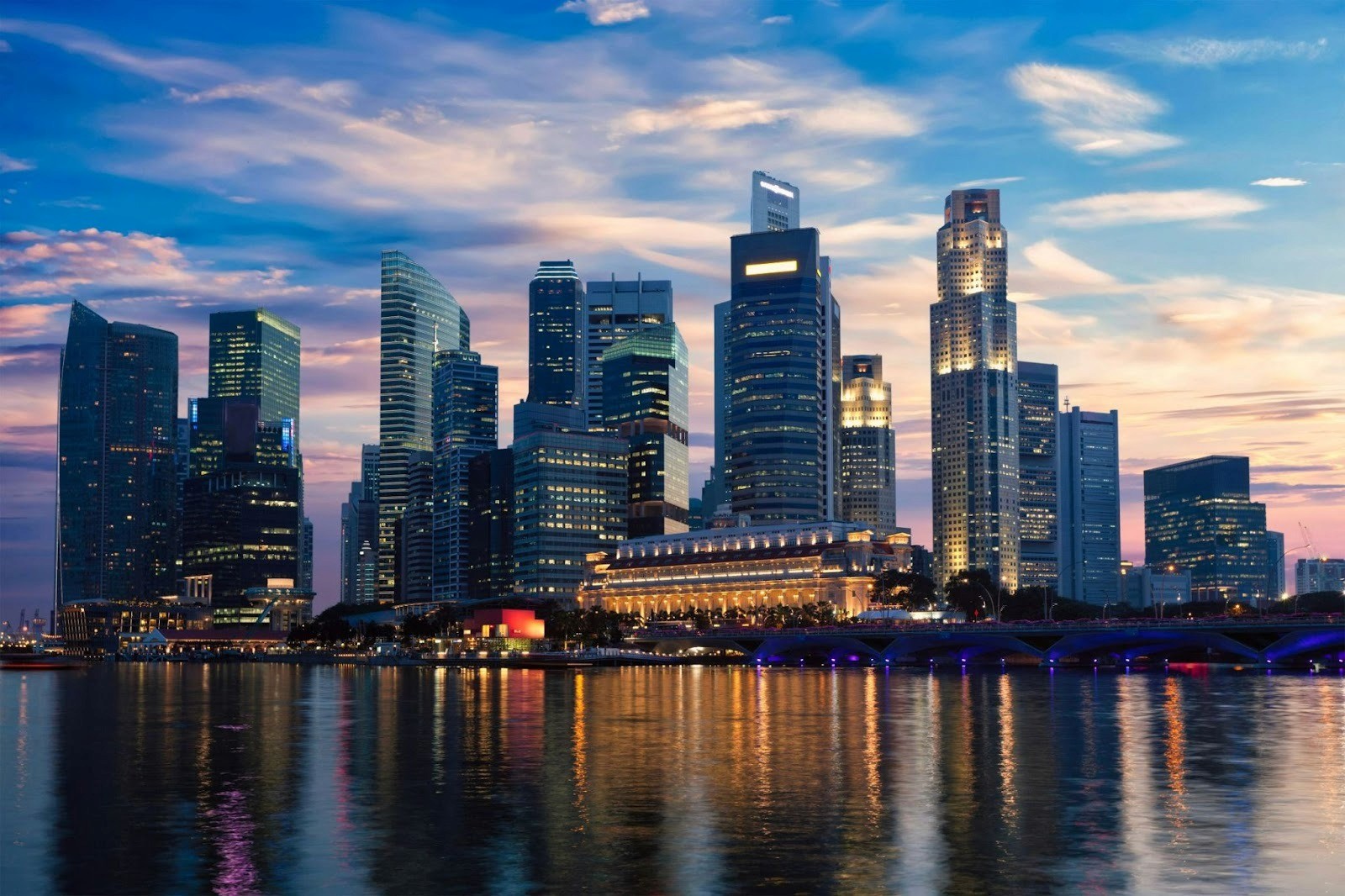
Singapore remains one of the most reliable relocation destinations in the Asia-Pacific region. Its political stability, business-friendly environment, and world-class infrastructure continue to attract international professionals, corporate relocations, and families.
Population mobility data indicates that Singapore benefits from steady inflows of skilled migrants, particularly in finance, technology, logistics, and research sectors. Its strategic location and connectivity reinforce its role as a global relocation hub.
4. Lisbon, Portugal — Southern Europe’s Expat Favorite

Lisbon has experienced sustained relocation interest over the past several years and remains a top destination in 2026. Migration indicators show continued inflows of expatriates attracted by residency pathways, relatively affordable living costs, and a high quality of life.
Lisbon’s growing technology ecosystem, combined with strong international schooling options and healthcare access, makes it particularly attractive for families and digital professionals planning long-term relocation within Europe.
5. Sydney, Australia — Global City with Strong Inbound Migration
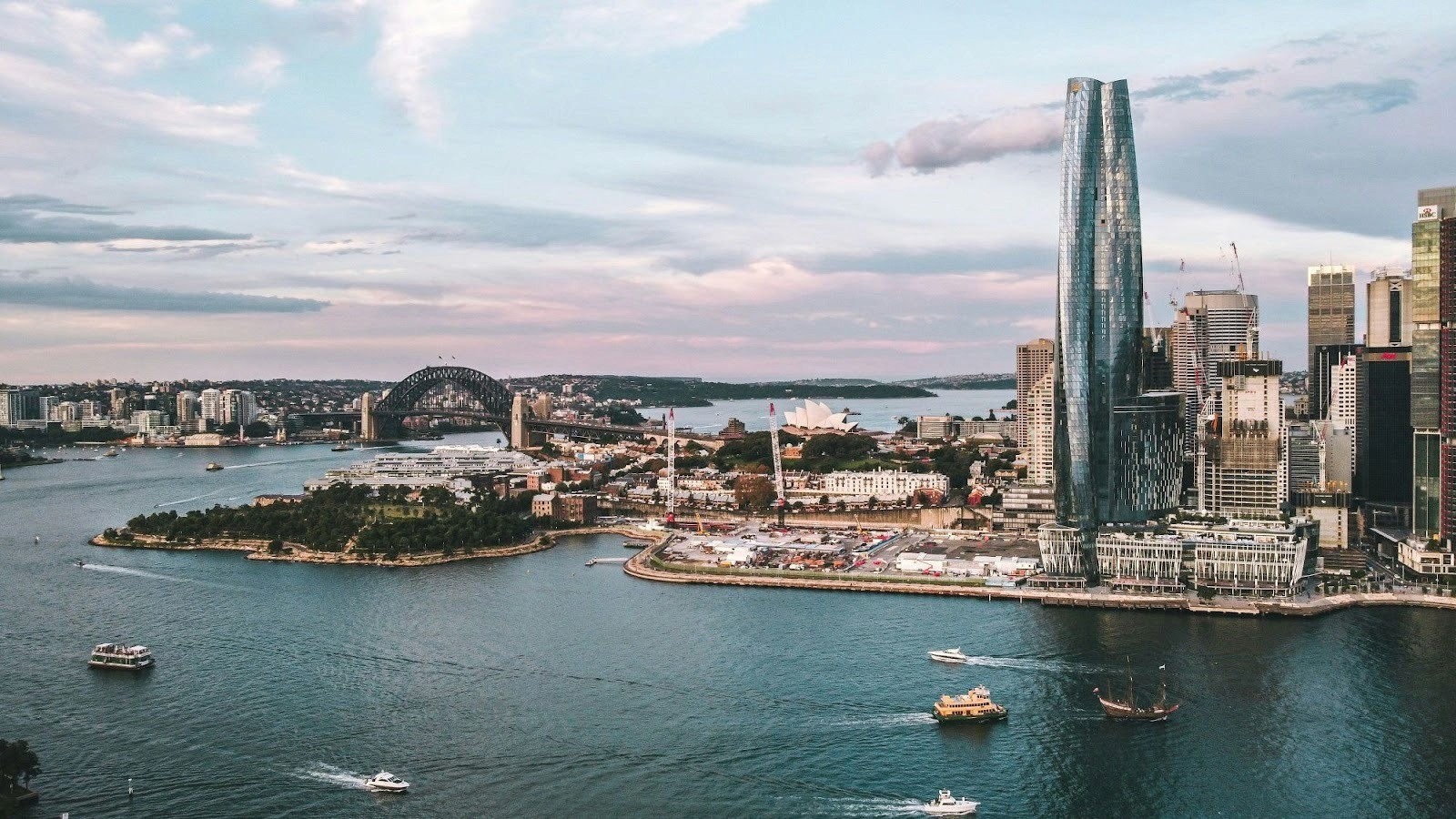
Sydney continues to rank among the world’s most livable cities and remains a key relocation destination in 2026. Australia’s population growth is heavily supported by migration, and Sydney absorbs a significant share of new arrivals.
The city’s diverse economy, robust public services, and global connectivity support long-term settlement, particularly for skilled workers and families relocating from Europe and Asia.
Cities and Regions Poised to Become Relocation Hotspots (2027–2035)
While the cities above are already attracting significant migration, several other regions are positioned for accelerated growth over the next decade. These locations are supported by government investment, infrastructure development, economic expansion, and demographic forecasts.
6. Shenzhen, China — Asia’s Fastest-Evolving Global City
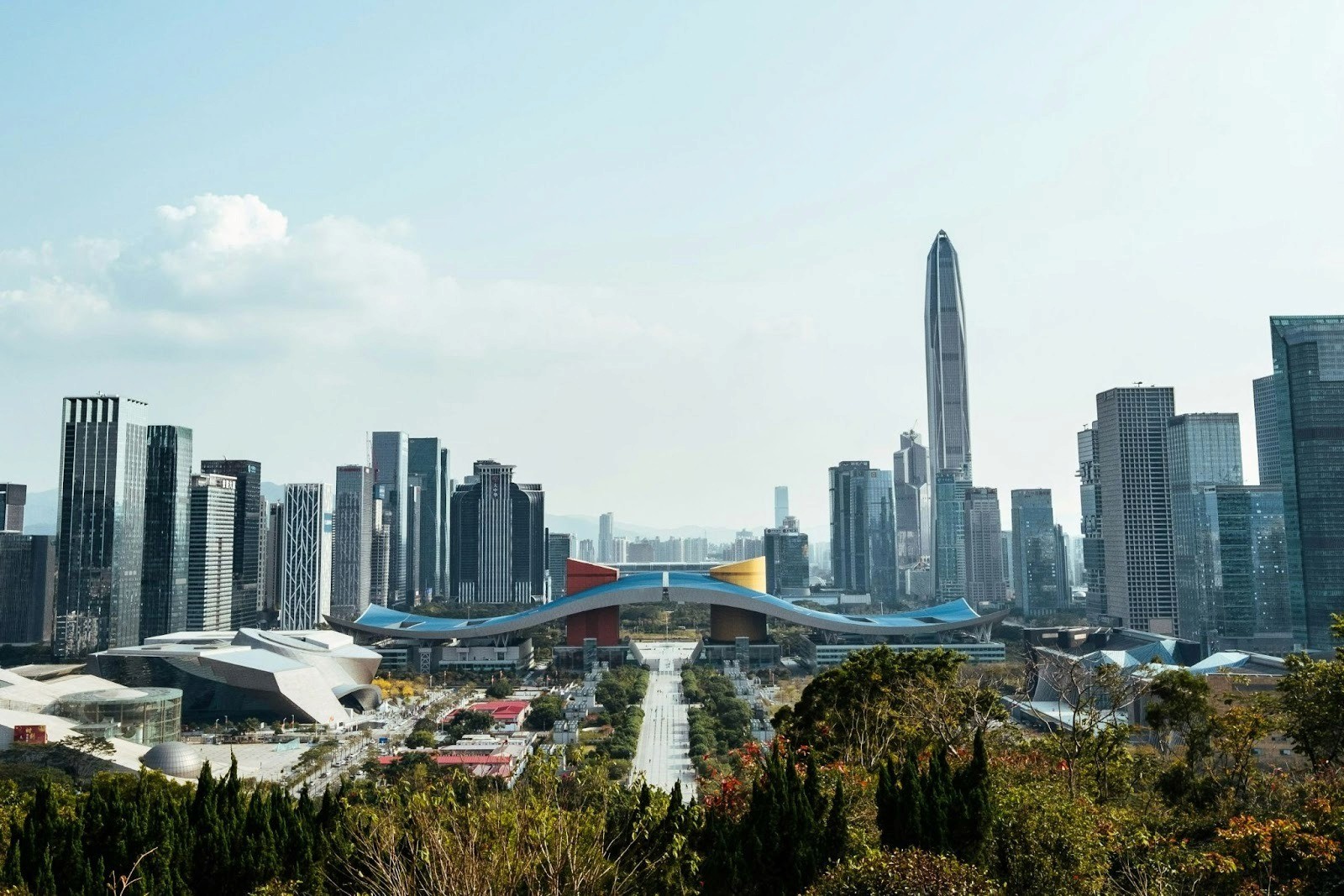
Shenzhen has transformed from a manufacturing hub into one of the world’s most influential innovation economies. Over the past decade, it has consistently ranked among China’s fastest-growing cities by population and GDP, driven by sustained inflows of young professionals, entrepreneurs, and skilled migrants from across China and abroad.
As the headquarters city for major global technology firms and a core pillar of the Greater Bay Area, Shenzhen benefits from deep integration with Hong Kong, Guangzhou, and international markets. Government statistics and urban studies consistently show Shenzhen attracting one of the youngest and most educated populations in the country — a strong indicator of future relocation demand.
7. Hangzhou, China — High-Quality Living Meets Digital Economy

Hangzhou has emerged as one of China’s most livable and economically dynamic cities. Known as a major digital economy hub, Hangzhou combines strong employment growth with environmental quality, urban planning, and cultural appeal; a combination that increasingly drives relocation decisions.
Population data shows steady inbound migration, particularly among professionals in technology, e-commerce, and creative industries. Hangzhou consistently ranks highly in national quality-of-life surveys, reinforcing its appeal for long-term settlement rather than short-term employment migration.
8. Brisbane, Australia — Australia’s Fastest-Growing Major City
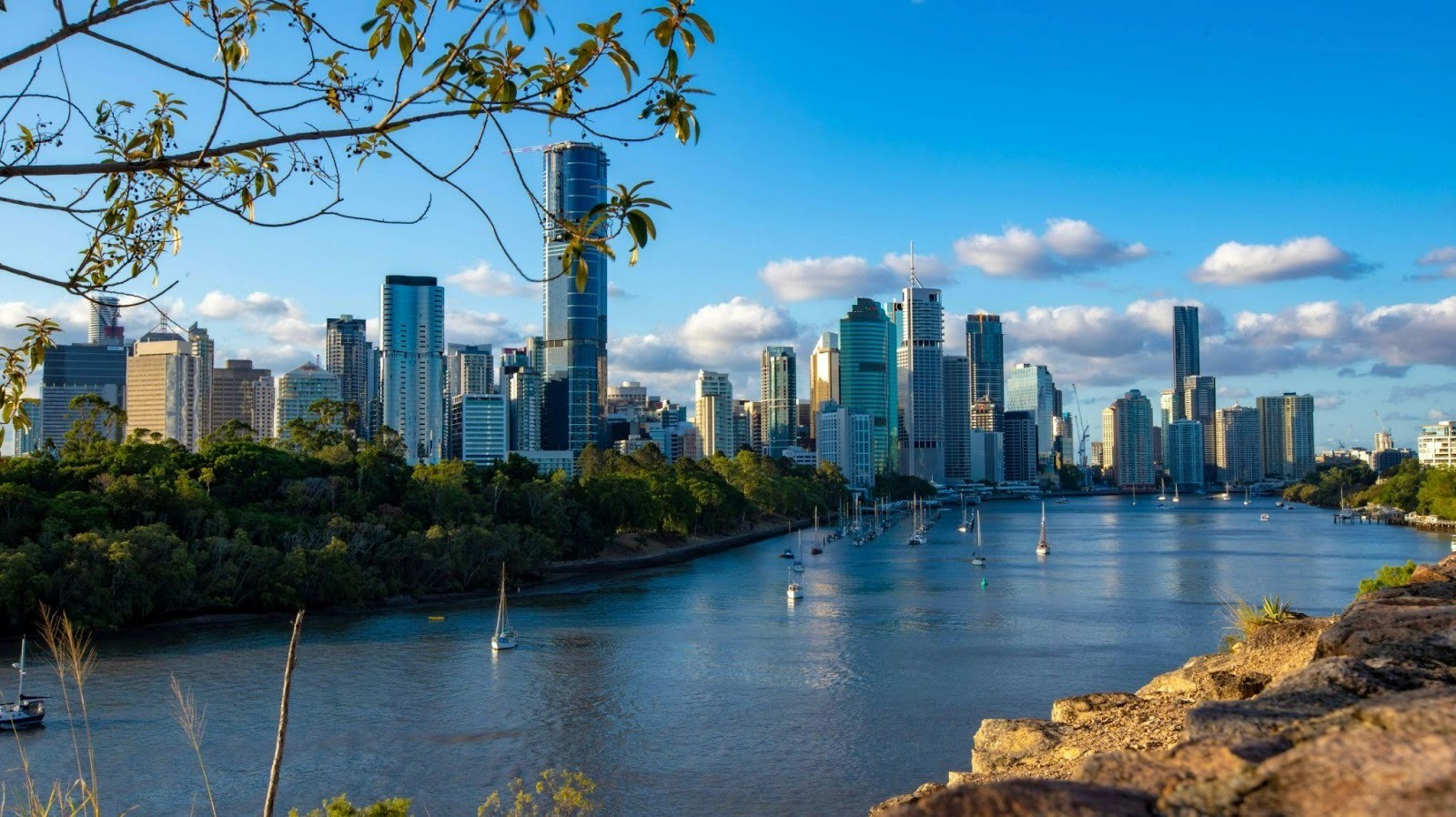
Economic forecasts suggest Brisbane will experience one of the strongest growth trajectories among major Australian cities through the 2030s. Employment projections show expansion across healthcare, logistics, professional services, and technology.
Domestic migration trends already indicate increased movement from Sydney and Melbourne toward Brisbane due to affordability and lifestyle factors. These trends are expected to intensify, positioning Brisbane as a future relocation hotspot.
9. Bengaluru (Bangalore), India — Long-Term Global Talent Magnet
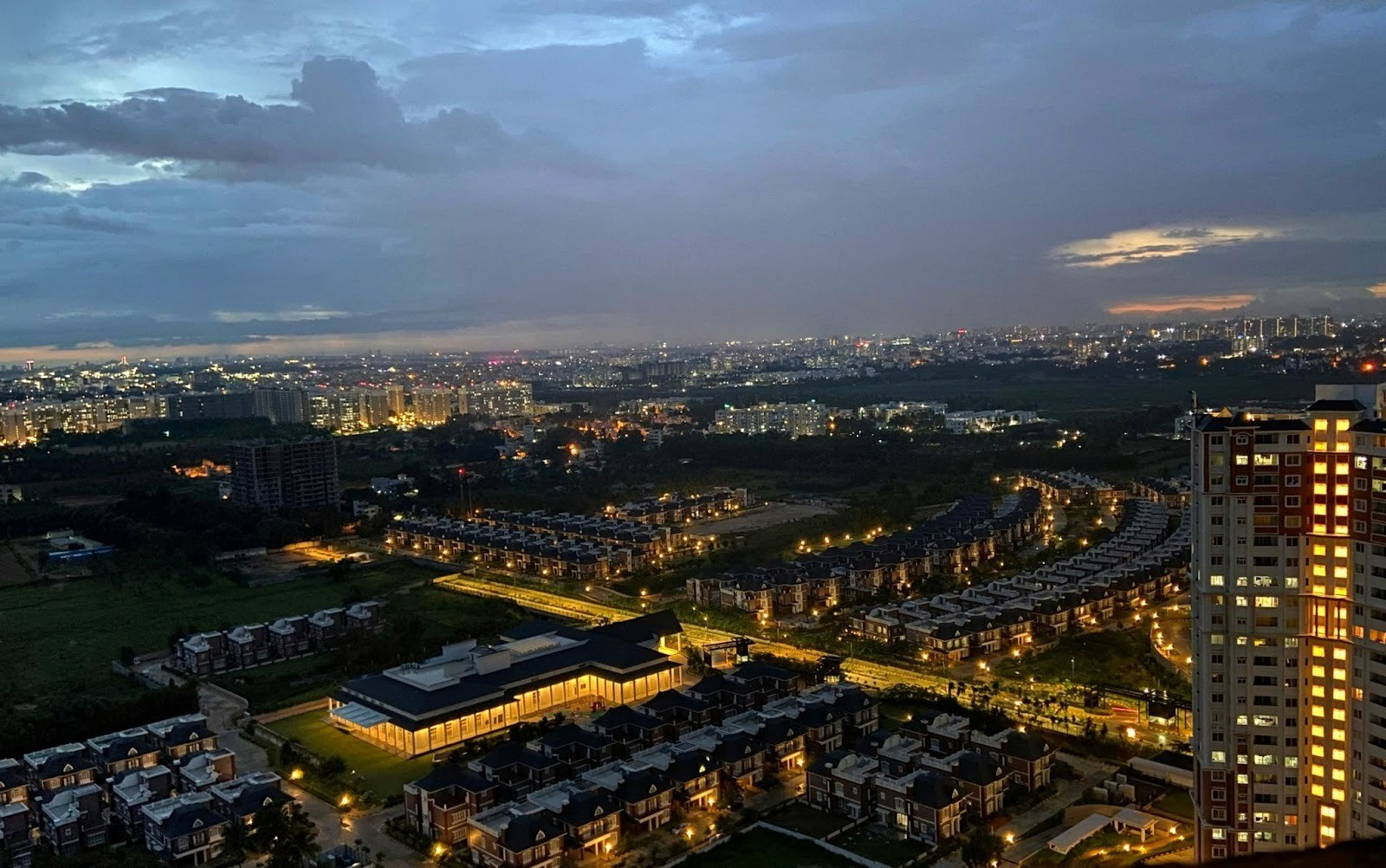
Bengaluru continues to strengthen its position as one of the world’s leading technology and innovation hubs. With ongoing investment in transport infrastructure and a rapidly expanding skilled workforce, the city is expected to absorb significant population growth.
Demographic and labor market data suggest that Bengaluru’s growth will remain structurally strong, making it a future-oriented relocation destination for professionals in technology, engineering, and research.
10. Warsaw, Poland — Central Europe’s Rising Economic Center
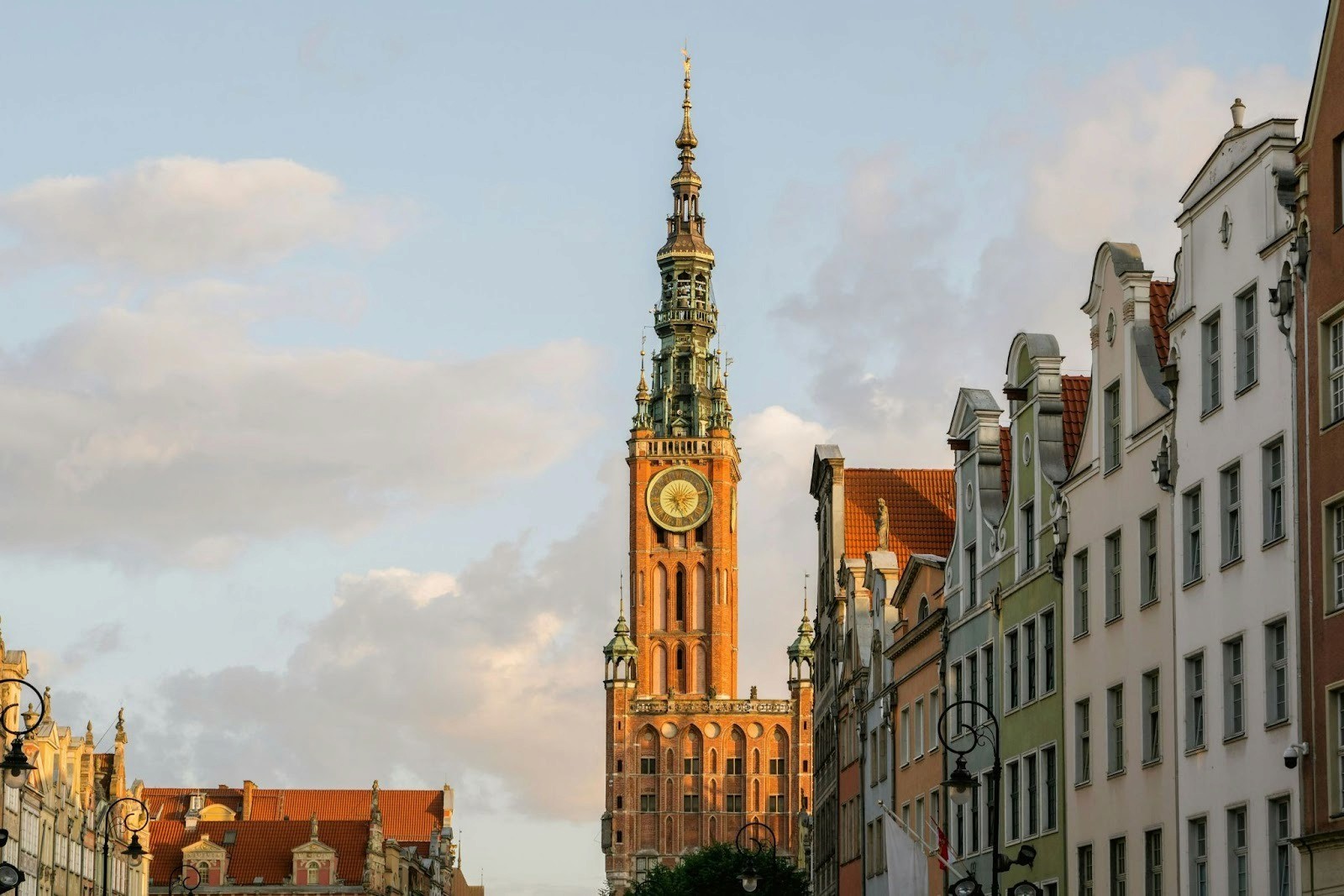
Warsaw is increasingly recognized as one of Europe’s fastest-growing urban economies. International economic outlooks project above-average GDP growth and continued foreign investment inflows.
As cost pressures rise in Western Europe, Warsaw’s combination of affordability, strong job creation, and improving quality-of-life metrics positions it as an attractive relocation destination over the next decade.
Global Migration Trends Driving These Choices
Several structural trends explain why these cities are gaining relocation momentum:
Urbanization remains the dominant global demographic trend, with cities capturing the majority of population growth worldwide.
Economic diversification and job creation attract both domestic and international movers.
Remote and hybrid work allow people to prioritize lifestyle, affordability, and long-term livability.
Infrastructure investment and sustainability planning increasingly influence relocation decisions.
These drivers consistently align with the cities identified in this analysis.
How Relocately Helps Movers Choose and Settle
Relocating requires more than choosing a city. Relocately supports movers throughout the entire decision and settlement process.
Relocately helps by:
Enabling side-by-side comparisons of cities based on cost of living, housing, employment, education, and safety
Providing personalized relocation insights tailored to individual priorities
Supporting settlement needs, including housing guidance and local onboarding
By combining verified data with user-focused tools, Relocately reduces uncertainty and helps movers make confident, future-proof decisions.
Conclusion
Relocation trends in 2026 reveal a global shift toward cities that offer not only opportunity today, but resilience and growth for the future. Established destinations such as Milan, Vancouver, and Singapore continue to attract movers now, while emerging hubs like Xiong’an, Brisbane, and Bengaluru represent the next wave of global migration.
Understanding these patterns and using platforms like Relocately to compare and prepare allows movers to navigate international relocation with clarity, confidence, and long-term success.



Begin nu
Meer van dit