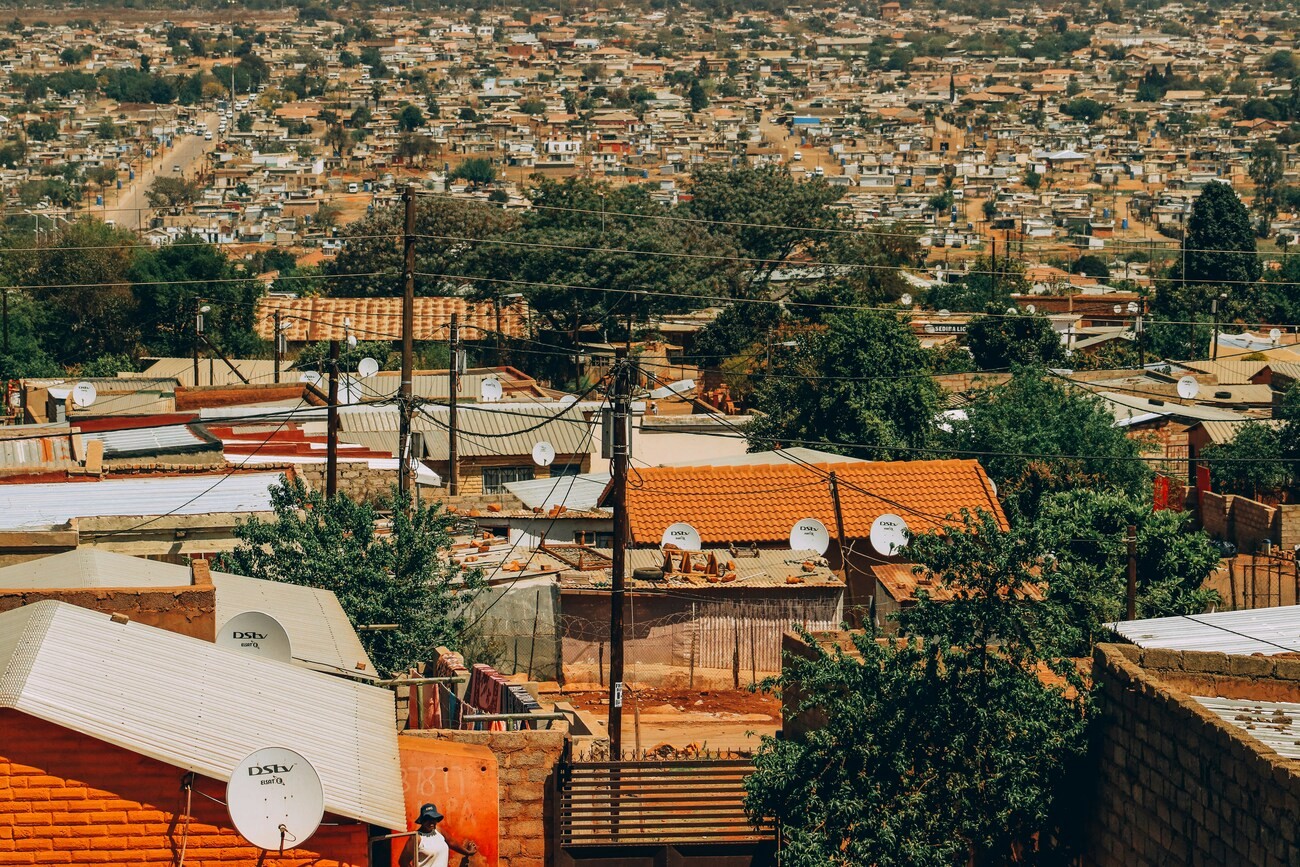


Are you considering a move to one of the most diverse and dynamic countries in the world? South Africa offers a unique lifestyle that blends natural beauty, vibrant culture, and modern infrastructure. From Cape Town’s coastal charm to Johannesburg’s energy and Pretoria’s green suburbs, the country provides a mix of opportunities and lifestyles suited for professionals, families, and retirees alike.
Relocating to South Africa can be a life-changing experience, but it requires careful preparation. This guide covers everything you need to know before your move in 2026, from visas and documentation to housing, healthcare, and everyday life.
Finding the Right Moving Company
An international move to South Africa involves long-distance shipping and customs formalities, so choosing a professional moving company is essential. Experienced movers can handle logistics, documentation, and delivery, making your transition smoother and stress-free.
Here’s what to consider when choosing your mover:
Experience: Select a company that specializes in international relocations to Africa, particularly South Africa.
Insurance: Ensure full-value insurance is included for sea or air freight.
Reviews: Check feedback from previous clients or expats who have relocated to South Africa.
Customs knowledge: Choose a company familiar with South African import rules, duties, and clearance procedures.
Many movers offer door-to-door service, professional packing, and temporary storage solutions. Be sure to compare at least three quotes, confirm what’s included, and check delivery times. You can also request 6 free quotes from our website to find a mover that best fits your needs.
Paperwork and Visas
South Africa has a structured but detailed immigration system. Your visa type will depend on your purpose of stay, and it’s best to begin your application several months before your planned move.
Common visa types:
Work Visa, for individuals employed by South African companies. Subcategories include General Work Visas and Critical Skills Visas.
Business Visa, for investors or entrepreneurs establishing operations in South Africa.
Study Visa, for students enrolled at accredited South African institutions.
Retired Person Visa, for retirees with sufficient income or assets.
Relative’s Visa, for family members of South African citizens or permanent residents.
Application requirements:
Valid passport (minimum 6 months’ validity).
Completed visa application form (DHA-1738).
Proof of employment, income, or investment.
Police clearance certificates from all countries lived in for 12+ months.
Medical and radiological reports.
Proof of accommodation in South Africa.
Visas are typically valid for 1 to 5 years, depending on category, and can often be renewed locally. Permanent residency is available after five years of continuous residence under certain conditions.
Checklist Before Moving to South Africa
Timeframe | Tasks to Complete |
8 Weeks Before | Research and book an international moving company. Start your visa application and gather required documents. Create an inventory of items to ship. |
6 Weeks Before | Arrange travel and health insurance. Decide what to pack, sell, or donate. Begin researching cities and neighborhoods. |
4 Weeks Before | Confirm shipment and travel details. Notify banks, employers, and subscriptions of your move. Begin packing non-essential items. |
2 Weeks Before | Finalize visa and accommodation arrangements. Prepare travel documents and important paperwork. |
Moving Week | Review customs and insurance documents. Prepare local currency (South African rand) for arrival. |
Moving Day | Conduct a final walkthrough. Keep passports, tickets, and valuables with you. |
FAQs About Moving to South Africa
1. Do I need to speak local languages before moving?
English is widely spoken and used in business, education, and daily life, so you can easily get by without learning other languages. However, learning some Afrikaans or isiZulu phrases can enrich your cultural experience and help with local interactions.
2. How can I find housing in South Africa?
You can rent or buy properties through local real estate agents or online listings. Rental contracts are usually for 6–12 months, and most properties are unfurnished. Expat-friendly areas include Cape Town, Johannesburg, Pretoria, and Durban. Short-term serviced apartments are also available for new arrivals.
3. What is the cost of living in South Africa?
The cost of living is relatively affordable compared to Western Europe or North America. A couple can live comfortably on €1,500–€2,500 per month, depending on lifestyle and location. Imported goods, private schooling, and healthcare can increase costs.
4. Can I bring my pet to South Africa?
Yes, but the process is regulated. Pets must be microchipped, vaccinated for rabies, and accompanied by an import permit issued by the South African Department of Agriculture. Quarantine is rarely required for pets from approved countries, provided documentation is complete.
5. What about healthcare?
South Africa has both public and private healthcare systems. Expats usually rely on private healthcare, which offers high-quality services and English-speaking doctors. It’s strongly recommended to secure comprehensive private health insurance before arrival.
Your Adventure Awaits
Relocating to South Africa offers the opportunity to live in one of the world’s most beautiful and diverse countries. From its beaches and mountains to its cosmopolitan cities, South Africa delivers a truly unique lifestyle filled with adventure, opportunity, and cultural richness.
By preparing your visa, choosing a reputable moving company, and planning carefully, you can make your transition smooth and rewarding.
Enjoy your stay in South Africa!

The how
>
.000
Cases yearly
+
Active countries
.
/5
Excellent rating
+
Companies use us
OTHER SERVICES