

Planning to move to South Africa in 2026? This guide covers everything you need to know about renting and buying property, average housing costs, and the best places to live. Whether you’re relocating for work, study, or lifestyle, South Africa offers stunning landscapes, cultural diversity, and a lower cost of living compared to many Western countries.
Life in South Africa in 2026: Natural Beauty, Opportunity, and Diversity
South Africa remains one of Africa’s most dynamic destinations for expats. Known for its dramatic scenery, welcoming people, and modern cities, it offers a lifestyle that blends natural beauty with urban convenience.
In 2026, the country continues to attract professionals, entrepreneurs, and digital nomads, drawn by its affordability, outdoor living, and English-speaking environment. From the coastal elegance of Cape Town to the business energy of Johannesburg and the relaxed pace of Durban, South Africa offers a lifestyle full of contrast and opportunity.
Should You Rent or Buy in South Africa
Most newcomers start by renting to get a feel for the local market and neighborhoods. Rentals are widely available, though prices vary significantly between cities and suburbs.
Buying property is relatively straightforward for foreigners:
Foreigners can buy real estate freely, though financing may require a larger down payment (usually 50%).
The buying process is transparent, and ownership is secured under South African law.
Property prices remain attractive compared to Europe or North America.
Renting is ideal for short-term expats or those exploring different regions, while buying can be a strong long-term investment for those planning to stay several years.
Types of Accommodation in South Africa
Apartments (Flats)
Found mainly in city centers and coastal areas. Apartments range from affordable units to luxury penthouses with ocean or mountain views. Suitable for singles, couples, and professionals.
Houses
Detached homes with gardens and outdoor areas are common, especially in suburbs. Many come with pools or security features. Best for families and long-term expats.
Townhouses
Semi-detached homes within gated communities that offer a balance between security, space, and convenience.
Serviced Apartments
Fully furnished options available for short or medium-term stays, often including utilities, Wi-Fi, and cleaning.
Shared Accommodation
Popular among young professionals or students, shared housing offers private bedrooms with shared living spaces and amenities.
Average Rent in South Africa
Rental costs depend on the city, neighborhood, and property type. Below are estimated monthly rents across major regions.
Type of Accommodation | Cape Town | Johannesburg | Durban / Pretoria | Smaller Cities |
Studio / 1-Bedroom Apartment | R10,000–R18,000 (€480–€860) | R8,000–R15,000 (€380–€720) | R7,000–R12,000 (€330–€570) | R5,000–R10,000 (€240–€480) |
3-Bedroom Apartment | R18,000–R35,000 (€860–€1,680) | R15,000–R30,000 (€720–€1,440) | R10,000–R20,000 (€480–€960) | R8,000–R15,000 (€380–€720) |
Room in Shared Flat | R4,000–R8,000 (€190–€380) | R3,000–R6,000 (€140–€290) | R2,500–R5,000 (€120–€240) | R2,000–R4,000 (€95–€190) |
Utilities such as water, electricity, and internet typically cost R1,500–R3,000 (€70–€140) per month, depending on usage and location.
Cost of Living in South Africa (2026 Overview)
South Africa’s cost of living remains lower than in most Western countries, though imported goods and private schooling can be expensive.
Category | Average Monthly Cost | Notes |
Rent (1-bedroom in city center) | R12,000 (€570) | Highest in Cape Town |
Utilities (electricity, water, internet) | R2,000–R3,000 (€95–€140) | Can fluctuate by season |
Food and groceries | R4,000–R6,000 (€190–€285) | Local produce is affordable |
Public transport | R800–R1,500 (€40–€70) | Most expats use private cars |
Health insurance | R1,500–R3,000 (€70–€140) | Private medical coverage recommended |
Total estimated cost | R22,000–R28,000 (€1,050–€1,340) | For a single person in a major city |
Best Cities to Live in South Africa in 2026
Cape Town
A global favorite for its coastal beauty, lifestyle, and creative culture.
Why move here: beaches, Table Mountain, vibrant expat community.
Popular neighborhoods: Sea Point, Green Point, Gardens, Claremont.
Johannesburg
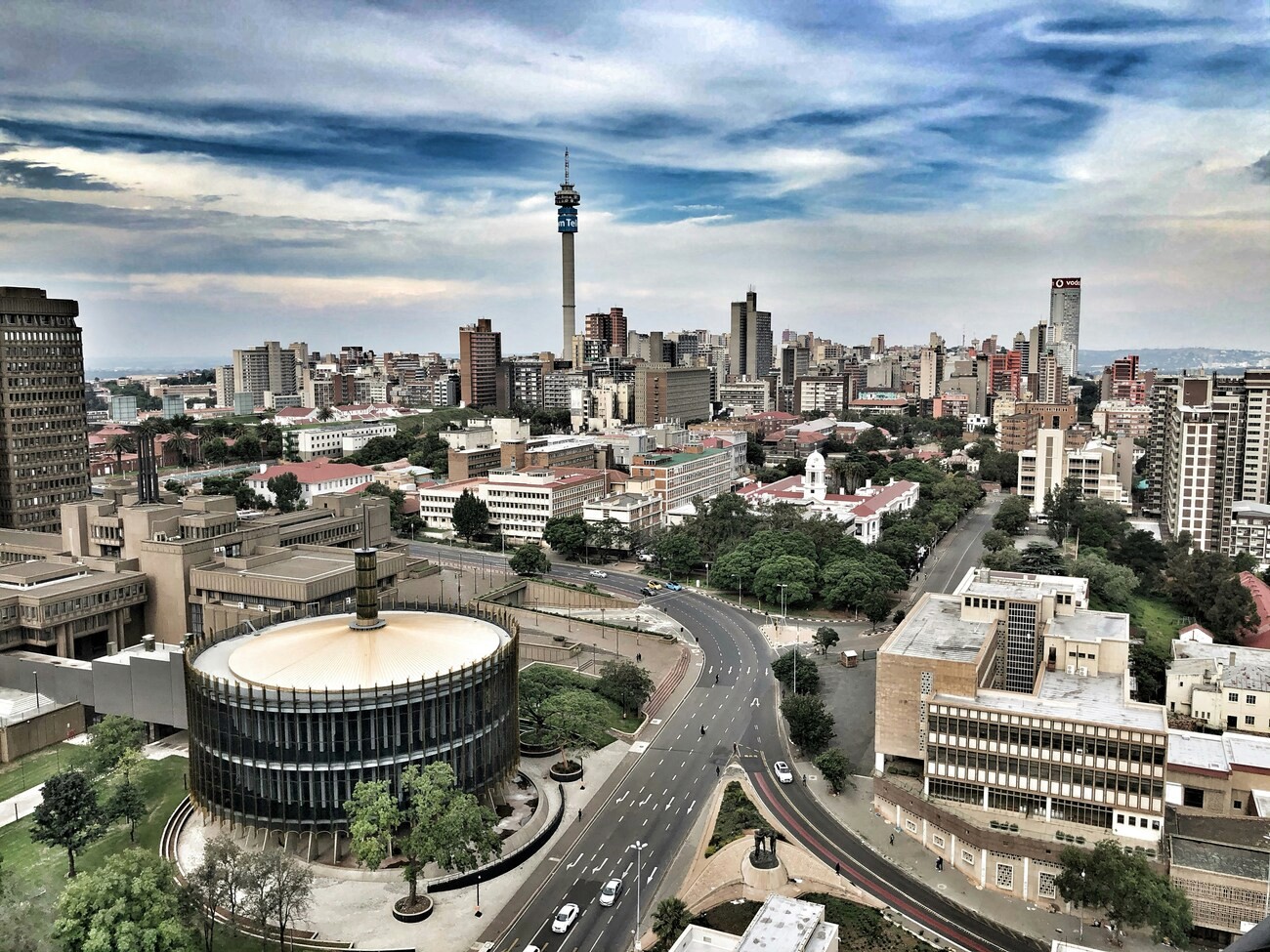
The country’s business capital and economic engine, offering modern housing and strong job opportunities.
Why move here: career growth, international schools, modern amenities.
Neighborhoods: Sandton, Rosebank, Fourways, Melrose Arch.
Durban
A relaxed coastal city with a subtropical climate and laid-back atmosphere.
Why move here: affordable living, beaches, diverse culture.
Neighborhoods: Umhlanga, Morningside, Glenwood.
Pretoria
Known for its embassies, academic institutions, and green suburbs.
Why move here: quiet lifestyle, excellent infrastructure, lower costs.
Neighborhoods: Waterkloof, Brooklyn, Menlo Park.
Stellenbosch
A university town in the heart of wine country with a European feel.
Why move here: beautiful surroundings, strong community, and great food culture.
How to Find a Home in South Africa
Use reliable websites such as Property24.com, PrivateProperty.co.za, and Seeff.com.
Local estate agents can help navigate legalities and lease conditions.
Always view properties in person and verify ownership before paying deposits.
Typical deposits equal one to two months’ rent.
Lease terms are usually 6 or 12 months, with renewal options.
Most rentals are semi-furnished or unfurnished.
Ask about security features such as alarms or gated access, which are common.
Tips for Renting in South Africa
Water and electricity bills are often paid separately; confirm billing arrangements.
Always sign a written lease that lists rent, duration, and deposit terms.
Be mindful of power cuts (load-shedding); properties with backup systems are preferred.
Neighborhood safety varies, so research the area before moving.
Keep copies of all payments and communications with the landlord.
Property inspections at move-in and move-out are recommended.
Buying Property in South Africa
Foreigners can freely buy property and own it outright.
Average property prices in 2026:
Cape Town: R35,000–R60,000 (€1,680–€2,880) per m²
Johannesburg: R20,000–R35,000 (€960–€1,680) per m²
Durban: R15,000–R25,000 (€720–€1,200) per m²
Smaller towns: R8,000–R15,000 (€380–€720) per m²
Additional costs include transfer duties, legal fees, and registration (about 7–9% of the purchase price). Mortgages for foreigners typically require higher deposits.
Life in South Africa: Nature, Culture, and Freedom
South Africa’s appeal lies in its diversity with stunning coastlines, mountains, wildlife, and a rich blend of cultures. The pace of life is relaxed yet energetic, and outdoor activities like hiking, surfing, and safaris are part of everyday living.
Public services vary by region, but healthcare and education options are strong in urban areas. English is widely spoken, and locals are friendly and community-oriented.
With its blend of affordability and adventure, South Africa remains one of the most rewarding expat destinations on the continent.
Cultural Tips for Living in South Africa
Greetings are friendly and informal; a handshake or smile goes a long way.
Respect for diversity and openness to different cultures is valued.
Security awareness is important; be mindful but not fearful.
Sundays are for relaxation and family time.
South Africans love outdoor gatherings and braais (barbecues) are a national tradition.
Tipping for services (10–15%) is standard practice.
Final Thoughts
Finding your new home in South Africa in 2026 is the start of an exciting and fulfilling chapter. With its breathtaking landscapes, friendly people, and modern amenities, the country offers expats a lifestyle that balances opportunity, leisure, and adventure.
Whether you settle in Cape Town’s seaside charm, Johannesburg’s vibrant urban scene, or the calm of the Garden Route, South Africa promises a quality of life defined by openness, diversity, and natural beauty.

The how
>
.000
Cases yearly
+
Active countries
.
/5
Excellent rating
+
Companies use us
OTHER SERVICES