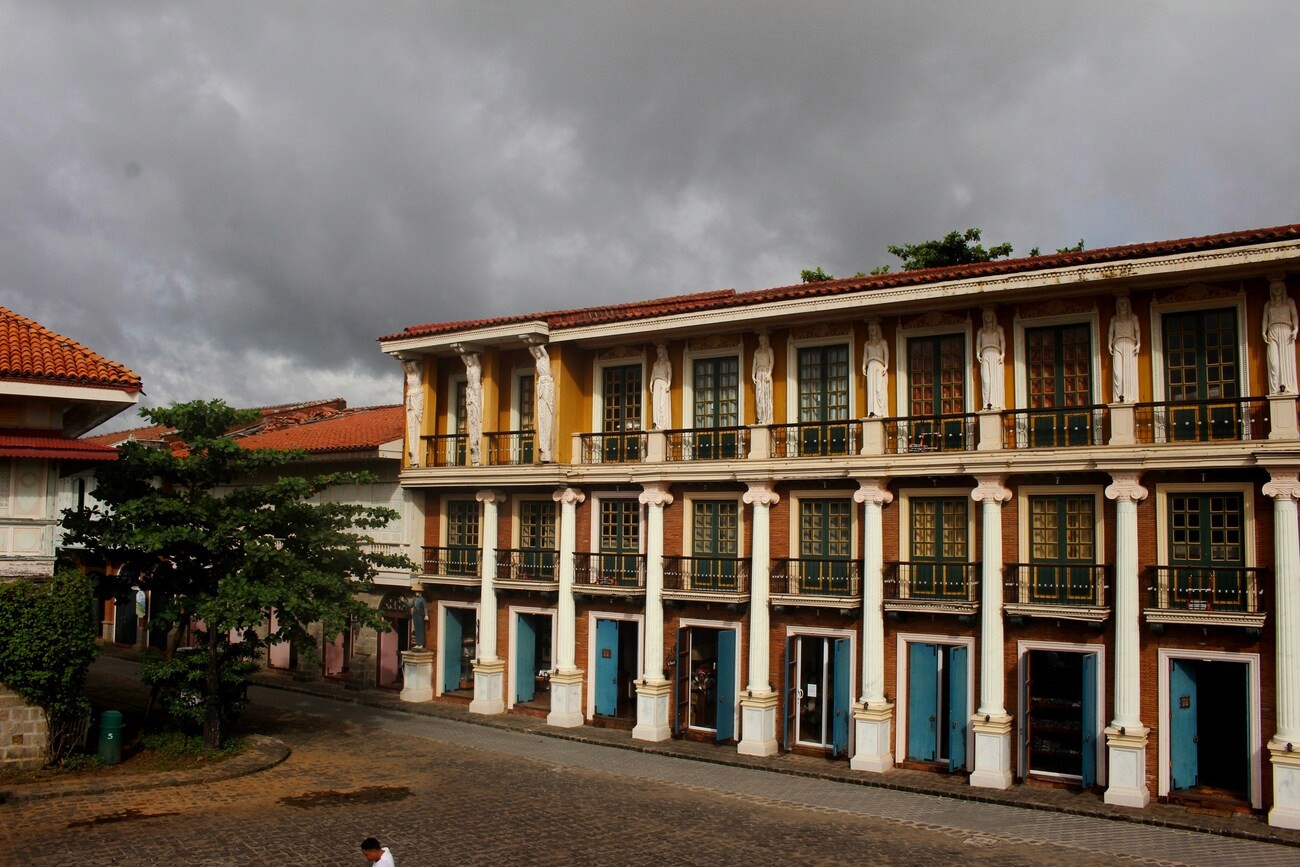


If you’re moving to the Philippines for work, studies, or a fresh start, finding the perfect place to live is one of the most important steps. The Philippines is known for its friendly locals, low cost of living, and beautiful tropical lifestyle, making it a favorite among expats, digital nomads, and retirees alike.
Whether you dream of a high-rise apartment in Manila, a beachside home in Cebu, or a peaceful retreat in Davao, there’s a wide variety of options to suit every budget and lifestyle.
Should You Buy or Rent in the Philippines
While foreigners can own condominium units in buildings (up to 40% of the total units in a development), buying land is generally restricted to Filipino citizens or corporations with majority Filipino ownership.
For this reason, most newcomers choose to rent, at least in the beginning. Renting offers flexibility, lower upfront costs, and the chance to explore different cities and islands before deciding where to settle down long-term.
Types of Accommodation in the Philippines
The Philippines offers a range of housing options depending on your budget, lifestyle, and preferred location.
Condominiums
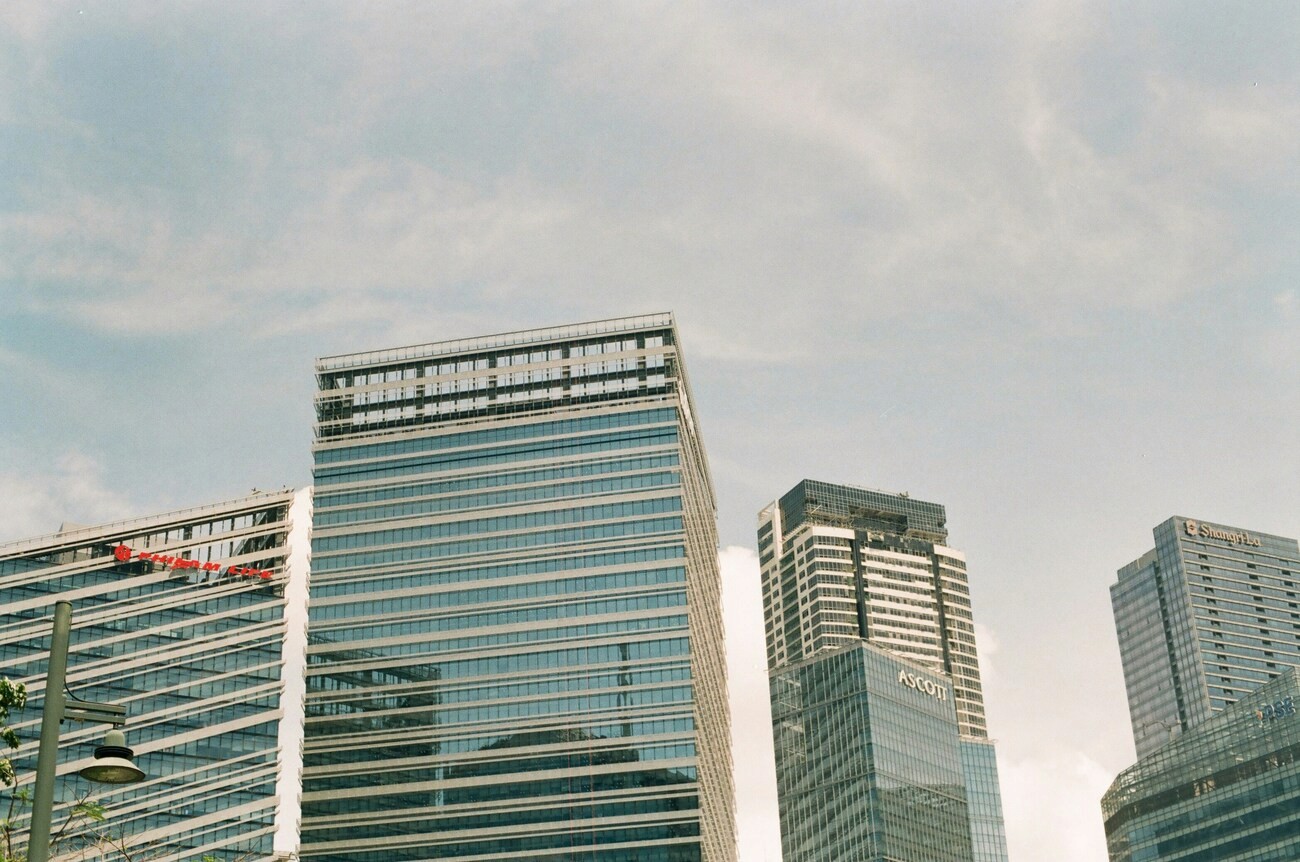
The most common choice for urban professionals and expats. Condos are typically located in central areas of cities like Makati, Bonifacio Global City (BGC), Ortigas, or Cebu City, offering modern amenities such as gyms, pools, and 24-hour security.
Ideal for singles, couples, and professionals seeking convenience and modern comfort.
Apartments
Apartments range from basic local units to fully serviced luxury residences. They’re usually more affordable than condos but may offer fewer amenities.
Ideal for expats on a budget or those who prefer larger spaces outside central business districts.
Houses and Townhouses
Found mostly in suburban or provincial areas, houses provide more space and privacy. Gated subdivisions often include shared amenities like clubhouses or parks.
Ideal for families and long-term residents.
Shared Flats and Rooms for Rent
A popular option for students or digital nomads, especially in university areas or cities like Quezon City, Cebu, and Dumaguete.
Ideal for budget-conscious renters or those seeking a community feel.
Serviced Apartments
Fully furnished spaces that include cleaning, Wi-Fi, and utilities, ideal for short or medium-term stays.
Ideal for business travelers or those transitioning between accommodations.
Average Rent Costs in the Philippines (May 2025)
Rental prices vary widely between metropolitan areas and provincial towns. Below are estimated monthly costs:
Type of Accommodation | Metro Manila (Makati, BGC) | Major Cities (Cebu, Davao) | Smaller Towns / Provinces |
Studio / 1-Bedroom Apartment | ₱25,000–₱45,000 (€400–€700) | ₱15,000–₱30,000 (€250–€500) | ₱8,000–₱18,000 (€130–€300) |
3-Bedroom Apartment | ₱50,000–₱100,000 (€850–€1,700) | ₱30,000–₱60,000 (€500–€1,000) | ₱15,000–₱35,000 (€250–€600) |
Room in Shared Flat | ₱8,000–₱18,000 (€130–€300) | ₱5,000–₱12,000 (€80–€200) | ₱3,000–₱8,000 (€50–€130) |
Note: Prices are higher in central business districts and tourist areas, and lower in provincial towns or outskirts.
Popular Places to Live in the Philippines
Metro Manila
Comprising areas like Makati, Bonifacio Global City (BGC), and Ortigas, Metro Manila is the heart of business, lifestyle, and entertainment. It offers international schools, modern condos, and excellent connectivity.
Cebu City
Known as the “Queen City of the South,” Cebu blends urban convenience with easy access to beaches and islands. It’s a growing tech and outsourcing hub.
Davao City
One of the safest and cleanest cities in the Philippines, Davao offers a relaxed lifestyle, affordable living, and close proximity to nature.
Baguio
A mountain retreat famous for its cool climate, pine forests, and peaceful atmosphere, perfect for those escaping the tropical heat.
Iloilo and Bacolod
Emerging cities with friendly communities, excellent infrastructure, and lower living costs compared to major hubs.
Dumaguete and Siargao
Rising favorites among digital nomads and expats seeking a slower, coastal lifestyle.
Tips for Renting in the Philippines
Use trusted websites or agents: Check platforms like Lamudi, DotProperty, or reputable Facebook groups, but always verify listings.
Understand rental terms: Expect to pay two months’ deposit and one month’s advance rent.
Clarify utilities: Electricity, water, and internet are often billed separately.
Inspect before signing: Check air-conditioning, water pressure, and flood history.
Lease duration: Standard leases last 6–12 months and can be renewed upon agreement.
Safety first: Choose areas with reliable security and avoid flood-prone zones.
Final Thoughts
Finding a place to live in the Philippines can be an exciting adventure. With stunning beaches, welcoming people, and an affordable lifestyle, it’s easy to see why the country attracts thousands of newcomers every year.
Take time to explore different islands and regions, each offers a unique charm and pace of life. Whether it’s a modern condo in BGC or a seaside bungalow in Cebu, your perfect home under the tropical sun is waiting for you.

The how
>
.000
Cases yearly
+
Active countries
.
/5
Excellent rating
+
Companies use us
OTHER SERVICES