From Stockholm’s stunning archipelago to the Northern Lights of Kiruna, Sweden is a country that blends natural beauty with cutting-edge modernity. But before you dive into fika culture and scenic adventures, it’s worth getting familiar with how to handle your money.
Sweden is famous for being one of the most cashless societies in the world, yet understanding how currency works is still essential. Whether you’re a visitor, student, or expat, this guide will help you navigate Swedish currency and manage your finances efficiently in 2026.
Understanding the Swedish Krona (SEK, kr)
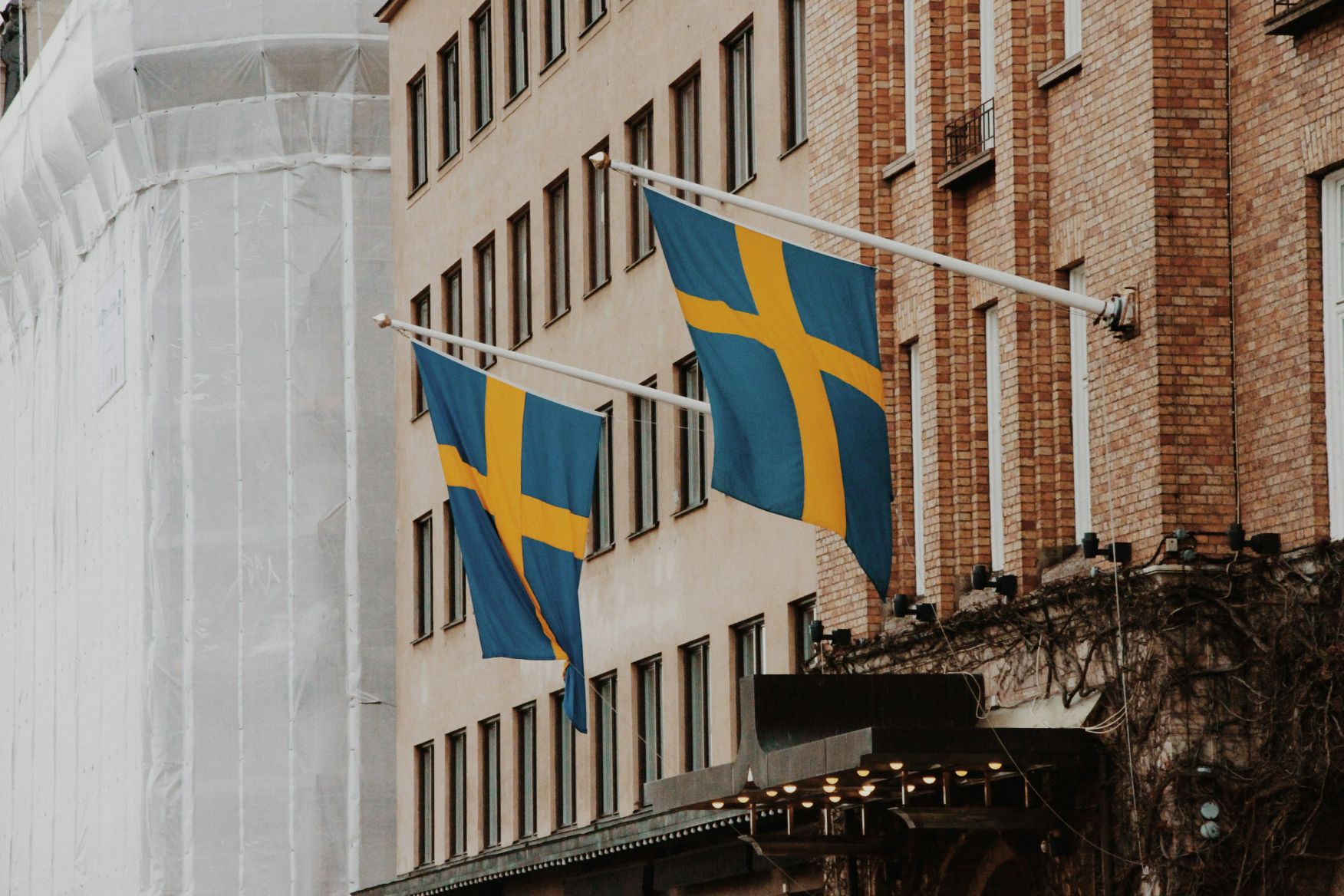
The official currency of Sweden is the Swedish Krona (SEK), symbolized as kr.
The name krona means “crown” in Swedish, and it’s been the country’s currency since 1873.
Although Sweden is a member of the European Union, it does not use the Euro and currently has no plans to adopt it. The krona is issued and regulated by the Sveriges Riksbank, the world’s oldest central bank, and remains one of the most stable currencies in Europe.
Krona Denominations
The Swedish Krona is available in both coins and banknotes:
Banknotes: 20 kr, 50 kr, 100 kr, 200 kr, 500 kr, and 1,000 kr
Coins: 1 kr, 2 kr, 5 kr, and 10 kr
Tip: Most Swedes use digital payments, so you may go days without needing cash at all. Still, keeping a few smaller notes and coins for emergencies is smart.
Exchange Rates for Common Currencies (2026 Snapshot)
Exchange rates change daily, but as of 2026, here’s a rough guide:
1 USD (US Dollar): ~10.5 SEK
1 EUR (Euro): ~11.4 SEK
1 GBP (British Pound): ~13.1 SEK
1 AUD (Australian Dollar): ~6.9 SEK
1 CAD (Canadian Dollar): ~7.6 SEK
1 CHF (Swiss Franc): ~11.2 SEK
100 JPY (Japanese Yen): ~7.1 SEK
100 INR (Indian Rupee): ~12.6 SEK
Tip: Use reliable sources like XE.com, Wise, or Riksbank.se to check live rates before exchanging.
Should You Carry Cash in Sweden?
In short: not really, but it doesn’t hurt to have a little.
Sweden is one of the most cashless countries in the world. Most shops, restaurants, and even small cafés accept cards and mobile payments only. Some places even display signs that read “No cash accepted.”
However, cash can still be useful in certain situations:
Rural or remote areas: Some small vendors, markets, or transport providers may accept only cash.
Tipping or small purchases: While tipping is optional, small cash tips are occasionally appreciated.
Backup option: Always useful if your card or app temporarily fails.
Safety tip: If you do carry cash, keep it minimal, around 200–500 SEK is more than enough for small expenses.
Where to Exchange Currency in Sweden
1. Banks
Banks like Swedbank, SEB, Nordea, and Handelsbanken offer secure and transparent exchange services.
Rates are generally good, but banks may charge a service fee. You’ll need a passport or ID to complete the exchange. Note that banks have limited opening hours, usually 10 a.m. to 3 p.m.
2. Currency Exchange Offices
Companies like Forex Bank and X-change operate in airports, major train stations, and shopping districts.
Rates are typically decent, but airport branches tend to charge higher fees. Always compare rates before exchanging large sums.
3. ATMs
ATMs (called bankomater in Swedish) are a convenient way to withdraw local currency directly.
Most ATMs accept Visa, Mastercard, and Maestro.
Avoid dynamic currency conversion! Always choose to be charged in SEK, not your home currency, to prevent extra fees.
4. Online & Travel Cards
Digital services such as Wise, Revolut, and Monzo offer multi-currency cards with real-time exchange rates. These work seamlessly in Sweden and are often cheaper than banks.
5. Avoid Airports & Hotels
Airport and hotel exchange counters usually have unfavorable rates. Use them only if absolutely necessary.
Tips for Currency Exchange in Sweden
Go digital: Sweden is nearly cash-free, use cards and mobile apps whenever possible.
Compare rates: If exchanging, use comparison tools or ask multiple providers.
Use trusted ATMs: Prefer those affiliated with major banks.
Avoid DCC (Dynamic Currency Conversion): Always pay in SEK for the best rate.
Use Swish (locals’ favorite app): Many Swedes pay instantly with this app, though it requires a local bank account.
Watch for hidden fees: Check if your home bank charges international transaction or ATM fees.
Keep small notes: Some rural vendors and public restrooms still prefer coins.
Frequently Asked Questions
1. Do I need Swedish Krona in Sweden?
Yes, the krona (SEK) is the official and only accepted currency. Euros are not used in daily life.
2. Can I pay in Euros or Dollars?
No, Sweden does not accept foreign currencies for regular purchases. Exchange to SEK before or after arrival.
3. Are cards widely accepted?
Yes, cards (especially Visa and Mastercard) are accepted almost everywhere, even for tiny transactions like a cup of coffee.
4. Does Sweden use contactless and mobile payments?
Yes, Sweden is one of the world’s leaders in contactless payments. Apple Pay, Google Pay, and local apps like Swish are extremely popular.
5. What’s the best way to avoid high fees?
Use digital banking apps like Wise or Revolut, and avoid letting ATMs or card terminals convert to your home currency.
6. Is tipping common in Sweden?
Tipping isn’t mandatory but rounding up the bill or leaving around 5–10% is appreciated for great service.
Final Thoughts
Handling money in Sweden is refreshingly easy. With its modern banking system and near-total embrace of cashless payments, you can travel comfortably using your card or phone almost everywhere.
Still, understanding how to exchange money and avoid unnecessary fees will help you save and spend smarter. Whether you’re exploring Stockholm’s old town, chasing the Northern Lights in Lapland, or kayaking through Swedish lakes, being prepared financially lets you enjoy every moment stress-free.

The how
>
.000
Cases yearly
+
Active countries
.
/5
Excellent rating
+
Companies use us
OTHER SERVICES