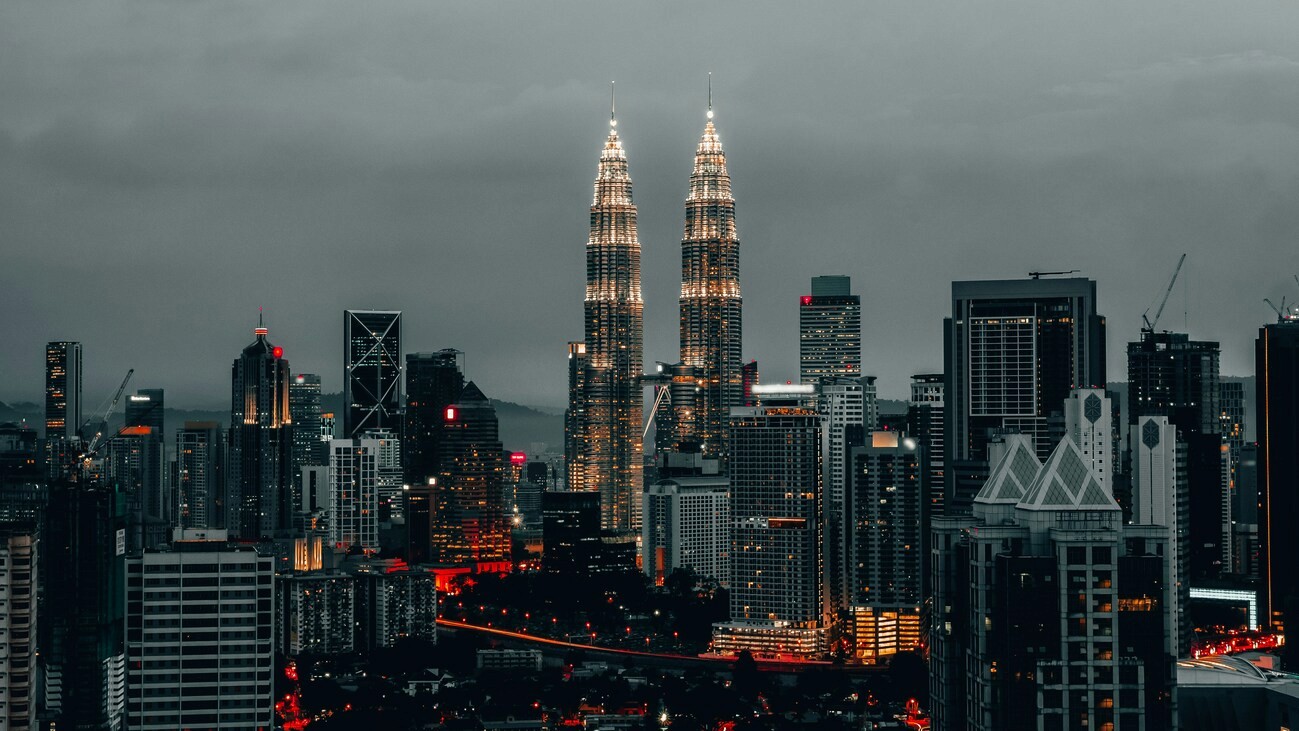


Relocating to Malaysia offers a unique blend of modern city living and tropical charm. Whether you’re moving to Kuala Lumpur, Penang, Johor Bahru, or Kota Kinabalu, setting up your utilities will be one of your first steps to getting settled.
This guide explains how to set up:
Electricity
Water
Gas
Internet and Mobile Services
It also covers key providers, average costs, and helpful tips to make your transition smooth and efficient.
Electricity
Electricity in Malaysia is reliable, widely available, and managed primarily by Tenaga Nasional Berhad (TNB) in Peninsular Malaysia. In Sabah and Sarawak, regional companies handle supply: Sabah Electricity Sdn Bhd (SESB) and Sarawak Energy Berhad (SEB).
If you are renting, ask your landlord whether the electricity account is already active. For new accounts, you’ll need to register with the local provider. You can also manage your account digitally through TNB’s myTNB portal or app.
Documents required:
Passport or Malaysian ID (MyKad)
Tenancy agreement or proof of property ownership
Deposit payment (refundable upon termination)
Bank account details (optional, for auto-debit)
Average deposit:
Apartments: RM 300–RM 500
Houses: RM 500–RM 1,000
Average monthly cost:
Apartments: RM 150–RM 250 (€30–€50)
Houses: RM 250–RM 500 (€50–€100)
Tips:
Electricity is 240V / 50Hz with UK-style Type G sockets.
Bills can be paid online via myTNB, at banks, or through e-wallets (GrabPay, Touch ‘n Go, Boost).
Usage is tiered, higher consumption leads to higher rates.
Consider energy-efficient air conditioning and LED lighting to manage costs.
Water
Water supply in Malaysia is managed by state-level water authorities, meaning the provider depends on where you live. Tap water is treated and generally safe for basic use, though most residents use filters or bottled water for drinking.
Documents required:
Passport or Malaysian ID
Tenancy agreement or property deed
Deposit (usually RM 50–RM 100 for tenants)
Move-in date and address
Major regional water providers:
Air Selangor – Selangor and Kuala Lumpur
PBA (Perbadanan Bekalan Air Pulau Pinang) – Penang
SAJ Ranhill – Johor
JBA (Jabatan Bekalan Air) – Other states
Average monthly cost:
Apartments: RM 20–RM 40 (€4–€8)
Houses: RM 30–RM 80 (€6–€15)
Tips:
Many landlords keep the water account in their name; you reimburse them monthly.
You can pay bills at post offices, convenience stores, or online via the provider’s website.
Check for leaks or running taps to avoid unexpected charges.
Gas
Most urban homes in Malaysia use cylinder (bottled) LPG gas for cooking, while piped gas is rare except in some modern condominiums and high-end developments. Gas is delivered to homes by authorized distributors or available for exchange at petrol stations and hardware shops.
Documents required (for piped gas):
ID or passport
Tenancy agreement or proof of address
Bank details for payments
Main gas suppliers:
Gas Malaysia – piped gas network in selected cities
Petronas Gas, Shell Gas, Mytigas – bottled gas suppliers
Average costs:
Bottled gas (12 kg cylinder): RM 30–RM 35 (€6–€7), lasting 4–6 weeks for average use
Piped gas: RM 50–RM 100 (€10–€20) per month
Tips:
Always check that gas cylinders are sealed and purchased from authorized vendors.
Keep cylinders in a ventilated area for safety.
Piped gas users will receive monthly billing similar to electricity or water.
Internet and Mobile Services
Malaysia offers strong internet and mobile connectivity, especially in urban centers. Fiber broadband is widely available, and mobile 4G/5G networks cover most populated areas.
Documents required:
Passport or Malaysian ID
Proof of residence (rental contract or utility bill)
Local bank account or credit card for billing
Main internet providers:
TM Unifi (nationwide fiber network)
Maxis Fibre
TIME Internet (available in condominiums and high-rises)
CelcomDigi Fibre
Main mobile providers:
CelcomDigi (merged network, largest coverage)
Maxis
U Mobile
Unifi Mobile
Average costs:
Home fiber internet: RM 100–RM 200/month (€20–€40)
Mobile plans: RM 40–RM 100/month (€8–€20) depending on data volume
Tips:
Fiber availability depends on your location, check coverage before signing up.
Most providers offer bundled packages (home internet + mobile).
Prepaid SIM cards are widely available at airports, 7-Eleven, and telco shops.
Download apps like Unifi, Maxis, or CelcomDigi to monitor usage and payments.
General Tips for Managing Utilities in Malaysia
Deposit refunds: Keep your payment receipts, deposits are refundable when you close your account.
Language: Most customer service lines offer English support.
Payment options: Utilities can be paid via online banking, ATMs, mobile apps, or at post offices.
Tenant vs. owner responsibility: Confirm with your landlord who is responsible for each utility account.
Keep your tenancy agreement handy: You’ll often need to show it for registration or address verification.
Energy awareness: Air conditioning can significantly raise your electricity bill; consider using fans or energy-saving settings.
Wrapping Up
Setting up utilities in Malaysia is generally quick and efficient once you have your documents ready. Most major providers offer online registration and English-language support, especially in urban areas.
With reliable power, affordable internet, and convenient payment systems, managing utilities in Malaysia is straightforward. Once you’ve completed the setup, you can focus on enjoying the country’s warm climate, diverse culture, and vibrant lifestyle, whether in a bustling city apartment or a quiet tropical home.

De manier waarop
>
.000
Gevallen per jaar
+
Actieve landen
.
/5
Uitstekende beoordeling
+
Bedrijven gebruiken ons
ANDERE DIENSTEN