

Planning to move to Portugal in 2026? This comprehensive relocation guide covers everything you need to know about renting or buying a home, housing costs, and the best cities for expats. Whether you’re relocating for work, study, or retirement, Portugal offers an exceptional climate, friendly people, and a relaxed Mediterranean lifestyle that continues to attract newcomers from all over the world.
Life in Portugal in 2026: Sunshine, Simplicity, and Quality Living
Portugal remains one of Europe’s most popular destinations for expats and digital nomads. Known for its sunny weather, safe environment, and affordable cost of living, the country offers a warm welcome to newcomers.
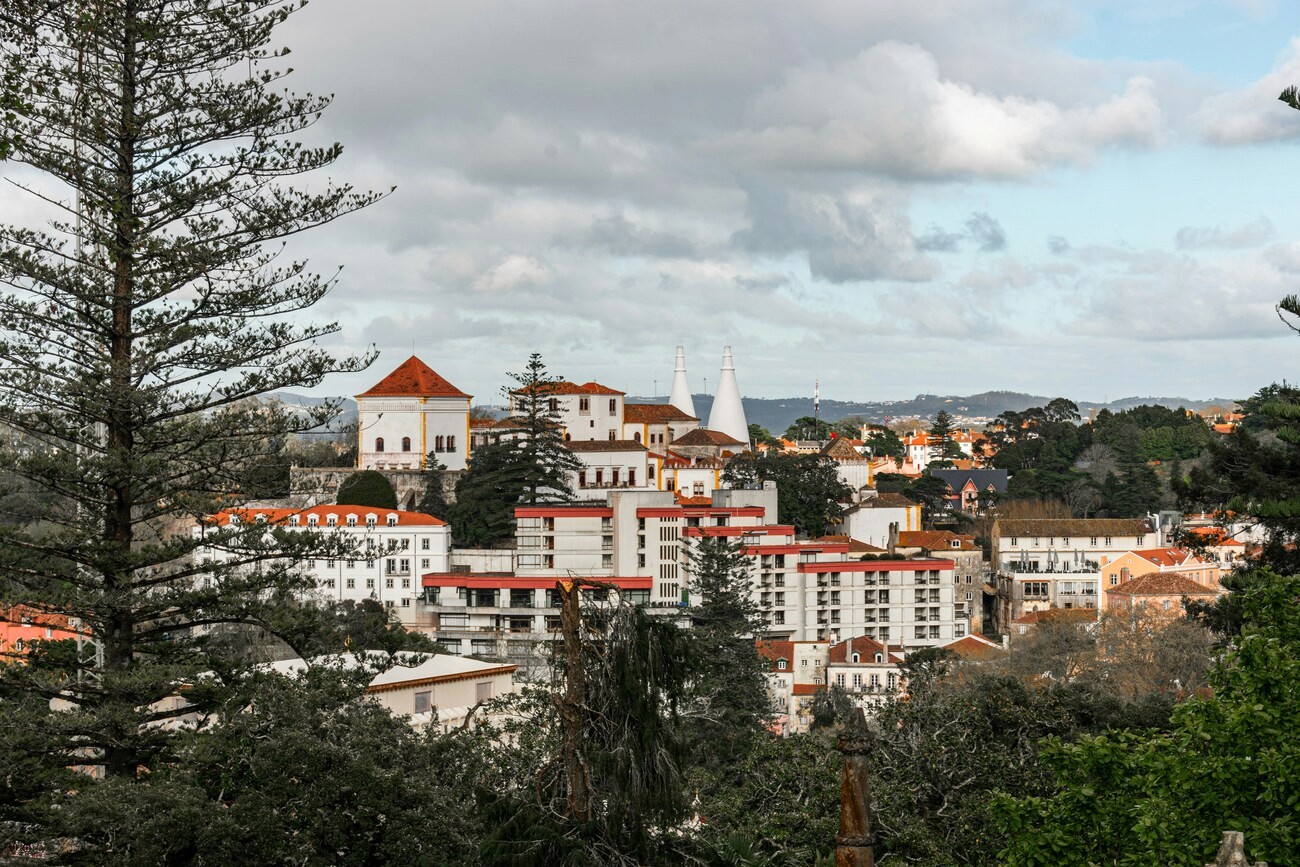
In 2026, Portugal continues to appeal to professionals, retirees, and students alike. From Lisbon’s cosmopolitan energy to Porto’s charm and the Algarve’s coastal beauty, Portugal combines modern convenience with traditional character, offering something for everyone.
Should You Rent or Buy in Portugal
Most newcomers begin by renting, as it provides flexibility and allows time to explore the country before committing to a location. Renting in Portugal is straightforward, though competition is strong in major cities and tourist areas.
Buying property is also a popular choice, especially for long-term expats and investors.
Foreigners can purchase property freely without restrictions.
Portugal’s real estate market remains stable, with demand growing in Lisbon, Porto, and the Algarve.
Buying can qualify you for a residency permit through the Golden Visa or D7 visa programs.
For most new arrivals, renting offers a convenient and low-risk way to settle in before deciding where to buy.
Types of Accommodation in Portugal
Apartments (Apartamentos)
The most common housing option, especially in cities. Apartments range from traditional tiled buildings to modern condominiums with balconies or shared pools. Ideal for professionals, couples, and small families.
Houses (Moradias)
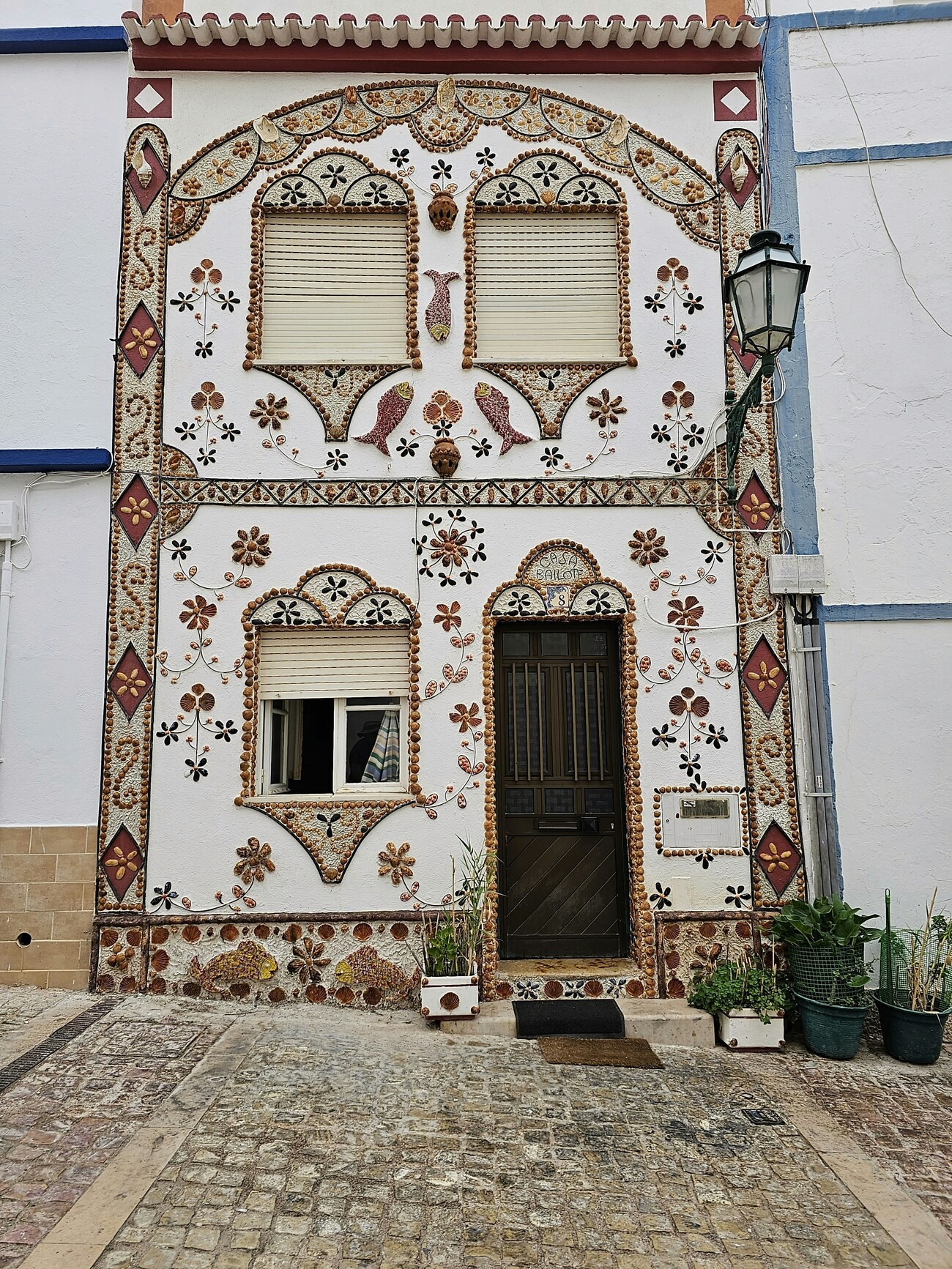
Detached or semi-detached houses are common in suburban and coastal areas. They often include gardens and terraces, perfect for families or those seeking more space.
Villas
Luxury homes found in the Algarve, Lisbon coast, and other prime locations. Villas often feature pools, ocean views, and private gardens.
Shared Apartments (Quartos Partilhados)
A budget-friendly and social option for students and digital nomads. Renters share common spaces such as kitchens and living areas.
Serviced Apartments
Fully furnished with utilities, cleaning, and Wi-Fi included. Ideal for business travelers or short-term stays.
Average Rent in Portugal
Rental prices vary depending on location and proximity to the coast or city center. Below are average monthly rents.
Type of Accommodation | Lisbon | Porto | Algarve / Smaller Cities |
Studio / 1-Bedroom Apartment | €1,000–€1,800 | €800–€1,400 | €700–€1,100 |
3-Bedroom Apartment | €1,800–€3,000 | €1,300–€2,200 | €1,000–€1,700 |
Room in Shared Flat | €400–€700 | €350–€600 | €300–€500 |
Utilities (electricity, water, internet, and gas) add approximately €100–€200 per month, depending on the property and season.
Cost of Living in Portugal (2026 Overview)
Portugal offers one of the lowest living costs in Western Europe while maintaining high living standards and excellent infrastructure.
Category | Average Monthly Cost | Notes |
Rent (1-bedroom in city center) | €1,200 | Highest in Lisbon |
Utilities (electricity, water, internet) | €150–€200 | Heating costs in winter are moderate |
Food and groceries | €300–€450 | Local markets and seasonal produce are affordable |
Public transport | €40–€60 | Monthly metro or bus pass |
Health insurance | €50–€120 | Private and public options available |
Total estimated cost | €1,800–€2,200 | Single person, urban area |
Best Cities to Live in Portugal in 2026
Lisbon
Portugal’s capital offers a mix of historic charm and modern innovation. Its tech scene, restaurants, and culture attract expats from all over the world.
Why move here: professional opportunities, international schools, vibrant nightlife.
Popular neighborhoods: Alfama, Campo de Ourique, Parque das Nações, Estrela.
Porto
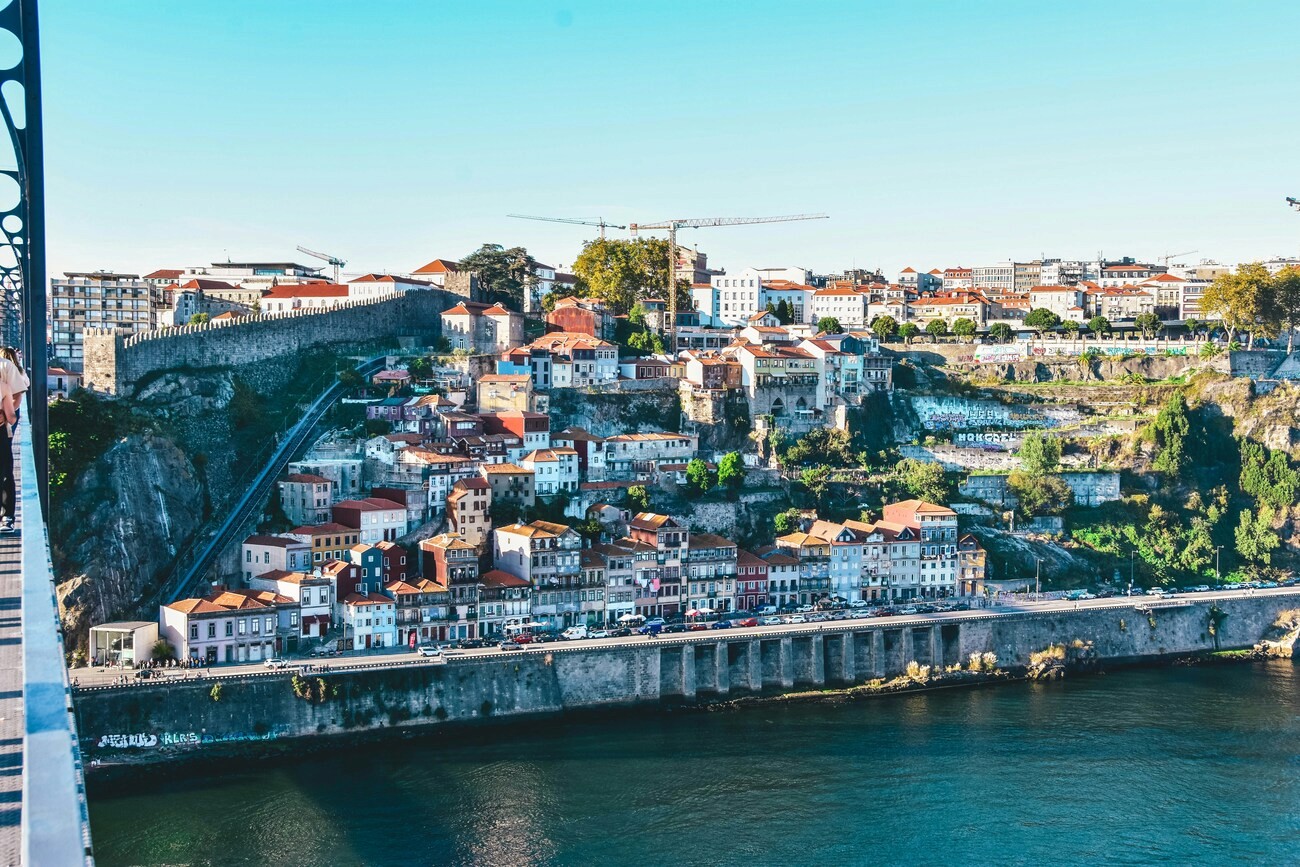
A picturesque northern city known for its riverside architecture, wine culture, and artistic vibe.
Why move here: lower rent than Lisbon, rich culture, walkable city center.
Neighborhoods: Boavista, Foz do Douro, Cedofeita, Ribeira.
Algarve
A coastal region offering year-round sunshine and relaxed living.
Why move here: great for retirees, beach lifestyle, English widely spoken.
Cities: Lagos, Albufeira, Faro, Tavira.
Coimbra
A historic university city with a youthful atmosphere and affordable cost of living.
Why move here: academic community, central location, peaceful pace.
Braga
A growing northern city blending tradition with innovation.
Why move here: affordable housing, strong job market, high quality of life.
How to Find a Home in Portugal
Start your search online through trusted platforms such as Idealista.pt, OLX.pt, and Imovirtual.com.
Work with licensed real estate agents who understand the local market.
Rental deposits are usually one or two months’ rent.
Short-term furnished apartments are common in tourist areas.
Leases typically last one year but can be renewed.
Ensure your rental contract (contrato de arrendamento) is registered with the tax authorities.
Register your address with the local parish council (Junta de Freguesia) after moving in.
Tips for Renting in Portugal
Most apartments are rented unfurnished; confirm what is included before signing.
Ask whether utilities and condominium fees are part of the rent.
Check heating and cooling options and many older buildings lack insulation.
Visit neighborhoods at different times of day to assess noise and convenience.
Payments are usually made monthly via bank transfer.
Buying Property in Portugal
Portugal’s real estate market remains attractive for both residents and investors.
Average price per square meter in 2026:
Lisbon: €5,000–€7,000
Porto: €3,000–€4,500
Algarve: €2,500–€4,000
Smaller towns: €1,500–€2,500
Transaction fees and taxes add around 8–10% to the property price. Mortgages are available for foreigners, typically covering up to 70% of the property’s value.
Property purchases can also grant residency rights under Portugal’s Golden Visa program, making it a strategic investment for non-EU citizens.
Life in Portugal: Warmth, Culture, and Well-Being
Portugal is celebrated for its hospitality, safety, and relaxed pace of life. Its Mediterranean climate offers over 300 days of sunshine per year, and locals are known for their friendliness and respect for community.
Public transportation is efficient, healthcare is reliable, and food is both fresh and affordable. English is widely spoken in urban and coastal areas, making daily life easier for expats.
Whether you enjoy beach walks, café culture, or weekend getaways to the countryside, Portugal provides a quality of life that’s both simple and deeply satisfying.
Cultural Tips for Living in Portugal
Punctuality is appreciated but social interactions are relaxed.
Greeting with a handshake or two kisses is common among friends.
Lunch is the main meal of the day, often enjoyed slowly with family or colleagues.
Recycling and sustainability are increasingly important.
Sunday is a day of rest; many shops close early or remain closed.
Learning basic Portuguese phrases will help you integrate quickly.
Final Thoughts
Finding your new home in Portugal in 2026 is the start of an inspiring new chapter. The country’s mix of natural beauty, stability, and affordability makes it one of Europe’s most appealing destinations.
Whether you choose a city apartment in Lisbon, a riverside home in Porto, or a villa by the sea in the Algarve, Portugal offers warmth, community, and a relaxed lifestyle that’s easy to fall in love with.
Take time to explore, embrace local traditions, and enjoy the Portuguese way of life where good food, sunshine, and simplicity create everyday happiness.

De manier waarop
>
.000
Gevallen per jaar
+
Actieve landen
.
/5
Uitstekende beoordeling
+
Bedrijven gebruiken ons
ANDERE DIENSTEN