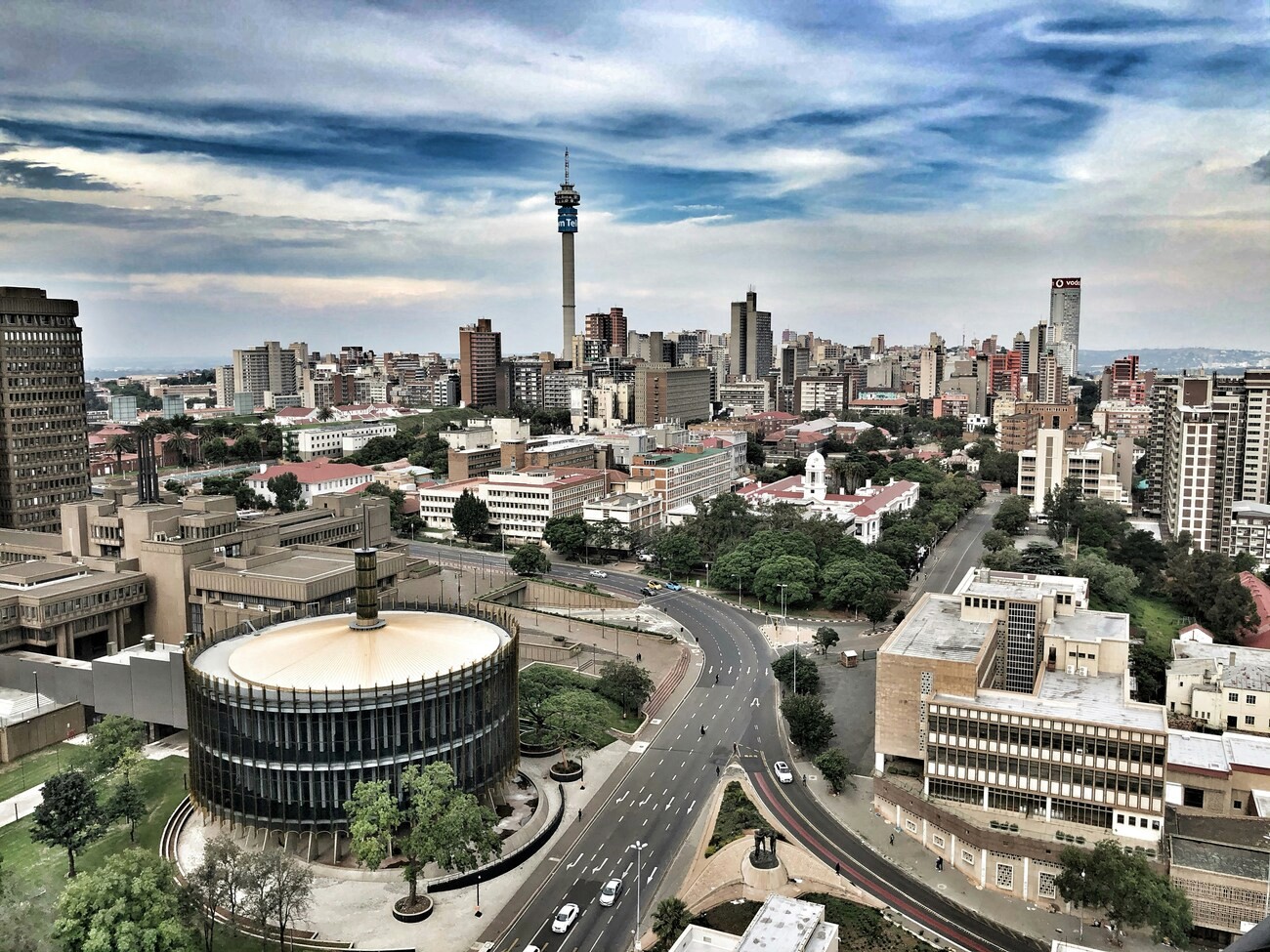


From Cape Town’s breathtaking Table Mountain to Johannesburg’s vibrant city life and Kruger National Park’s iconic safaris, South Africa offers travelers a world of adventure, beauty, and culture.
But before you dive into your trip, it’s crucial to understand how to manage your money effectively.
Whether you’re visiting as a tourist, studying abroad, or moving for work, this guide will help you navigate the South African Rand (ZAR), get the best exchange rates, and avoid common currency mistakes in 2026.
Understanding the South African Rand (ZAR / R)
South Africa’s official currency is the South African Rand, abbreviated as ZAR and symbolized as R.
The name “Rand” comes from the Witwatersrand, the ridge where Johannesburg’s gold deposits were first discovered, a nod to the country’s rich mining history.
The Rand is managed by the South African Reserve Bank (SARB) and is used throughout the country (and also accepted in neighboring countries like Namibia, Lesotho, and Eswatini).
Rand Denominations
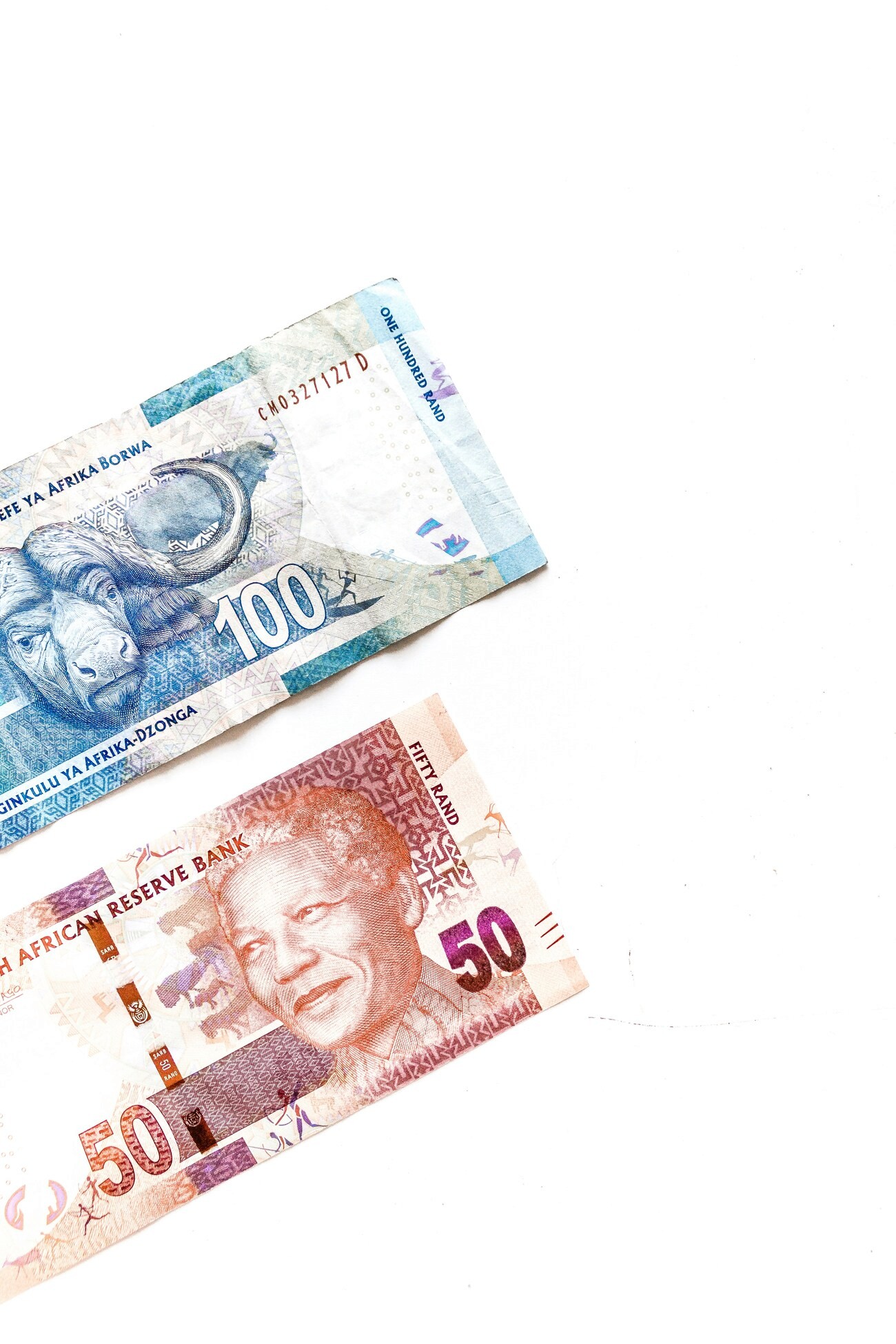
The South African Rand is available in banknotes and coins:
Banknotes: R10, R20, R50, R100, and R200
Coins: 10c, 20c, 50c, R1, R2, and R5
Tip: The R200 note is the highest denomination and not always accepted for small purchases, try to keep smaller notes handy.
Exchange Rates for Common Currencies (2026 Snapshot)
Exchange rates fluctuate, but as of 2026, here’s an approximate guide:
1 USD (US Dollar): ~R18.20
1 EUR (Euro): ~R19.80
1 GBP (British Pound): ~R23.10
1 AUD (Australian Dollar): ~R11.90
1 CAD (Canadian Dollar): ~R13.30
100 INR (Indian Rupee): ~R22.10
100 JPY (Japanese Yen): ~R12.30
Tip: Always check current rates before exchanging via XE.com, Wise, or your bank’s travel app.
Should You Carry Cash in South Africa?
Yes, carry some cash, but cards are widely accepted in South Africa.
Major cities like Cape Town, Johannesburg, and Durban are highly digital, but smaller towns and local markets may prefer cash.
Here’s when cash will come in handy:
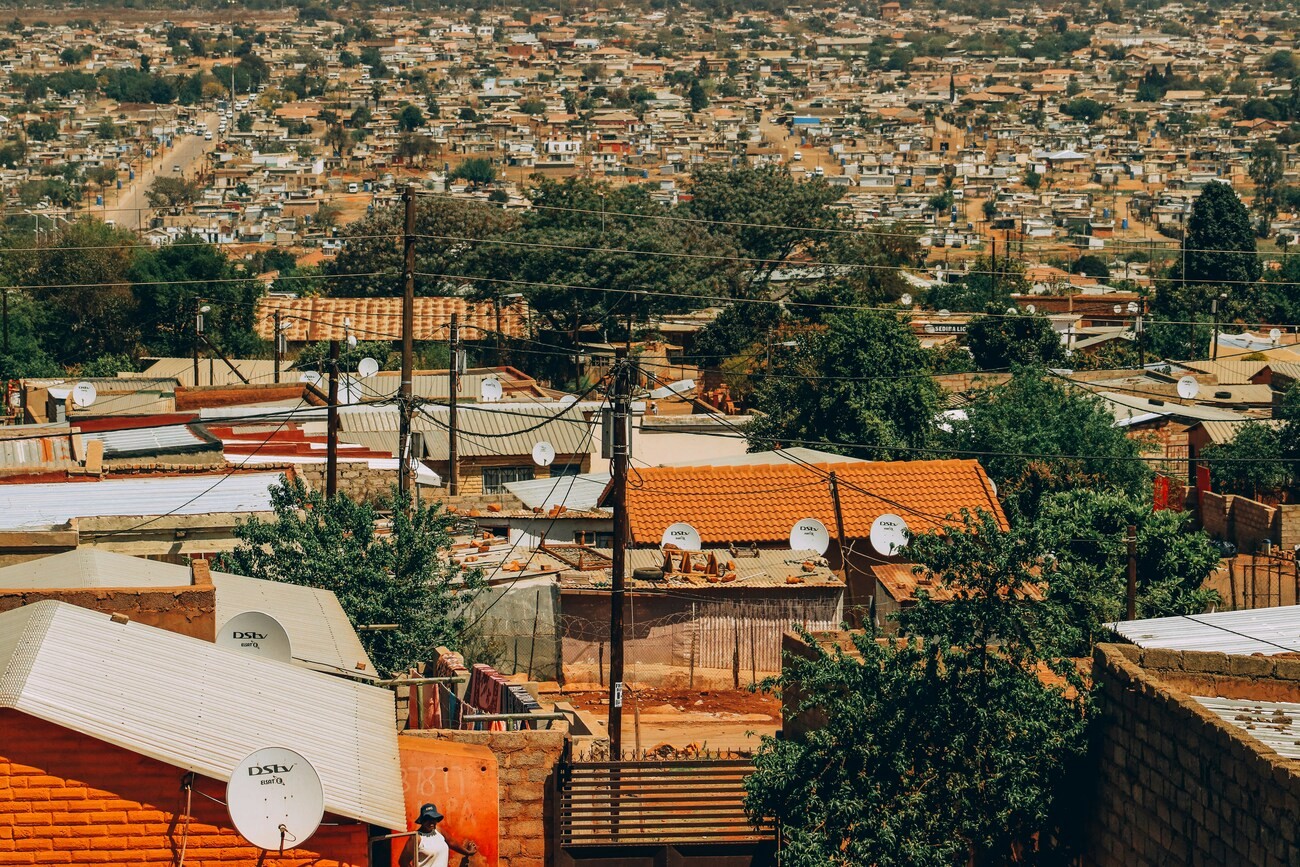
Markets & local shops: Especially in townships or rural areas.
Tipping & small services: Porters, car guards, and guides often prefer cash tips.
Transport: Minibus taxis, small bus companies, or parking attendants may not take cards.
Rural travel: Some remote areas may not have reliable card systems.
Safety tip: South Africa is generally safe for tourists, but it’s best not to carry large amounts. Keep R300–R800 for daily use and store the rest securely.
Where to Exchange Currency in South Africa
1. Banks
Banks are the most trustworthy option for exchanging money.
Major banks include ABSA, FNB (First National Bank), Standard Bank, Nedbank, and Capitec.
Rates are competitive, though small service fees may apply.
Bring your passport when exchanging currency.
Opening hours: Monday–Friday, 9 a.m.–3:30 p.m. (some open Saturdays).
2. Currency Exchange Bureaus
Licensed exchange offices are found in airports, shopping centers, and tourist districts.
Companies like Travelex, Inter Africa Bureau de Change, and Bidvest Bank are reliable options.
Compare rates and ask about commissions before exchanging large amounts.
3. ATMs
ATMs are widely available in all cities and towns and typically offer the best exchange rates.
Use ATMs located inside banks or shopping malls for security.
Tip: Avoid third-party ATMs that charge high withdrawal fees.
Always select “Charge in Rand (ZAR)” instead of your home currency to avoid Dynamic Currency Conversion (DCC).
4. Prepaid & Digital Currency Cards
Apps and cards like Wise, Revolut, and N26 work well in South Africa.
You can preload Rand, withdraw from ATMs, and make contactless payments with minimal fees.
Local e-wallet options such as SnapScan and Zapper are also widely used by locals and tourists alike.
5. Avoid Airports & Hotels
Airport and hotel exchange counters are convenient but generally offer poor rates and high commissions.
Exchange only a small amount on arrival and handle the rest at banks or ATMs.
Tips for Currency Exchange in South Africa
Compare rates: Check bank and exchange bureau rates before committing.
Use ATMs for convenience: They often provide better value than manual exchanges.
Avoid DCC: Always pay or withdraw in Rand (ZAR).
Go digital: Apple Pay, Google Pay, and local apps like SnapScan are increasingly accepted.
Keep small bills: Ideal for tipping, taxis, and local purchases.
Notify your bank: Prevent your card from being blocked abroad.
Ask for a receipt: Always confirm the amount and fees when exchanging currency.
Frequently Asked Questions
1. Do I need South African Rand in South Africa?
Yes. The Rand (ZAR) is the only accepted currency for everyday purchases.
2. Can I pay in USD, EUR, or GBP?
No, foreign currencies are not accepted. You’ll need to exchange them for Rand.
3. Are credit and debit cards accepted everywhere?
Yes, Visa and Mastercard are widely accepted. American Express is less common outside major cities.
4. Does South Africa use contactless and mobile payments?
Yes, contactless payments are widespread. Apple Pay, Google Pay, and local apps like SnapScan are very popular.
5. What’s the best way to avoid high exchange fees?
Withdraw from bank ATMs, use Wise or Revolut, and avoid airport exchanges or DCC options.
6. Is tipping common in South Africa?
Yes, tipping is standard practice:
Restaurants: 10–15% (cash or card)
Taxis: Round up the fare
Hotel staff: R10–R50 depending on service
Car guards or attendants: R5–R10
Final Thoughts
Managing money in South Africa is simple once you understand the basics.
The Rand is easy to use, cards are accepted almost everywhere, and ATMs are reliable.
By combining cash for small expenses with digital tools for larger purchases, you’ll get the best of both worlds safety, convenience, and great value.
So whether you’re hiking in Table Mountain National Park, wine tasting in Stellenbosch, or spotting lions in Kruger, you can focus on the adventure, not the exchange rate.
Spend smart, stay alert, and enjoy every moment of your South African journey

De manier waarop
>
.000
Gevallen per jaar
+
Actieve landen
.
/5
Uitstekende beoordeling
+
Bedrijven gebruiken ons
ANDERE DIENSTEN