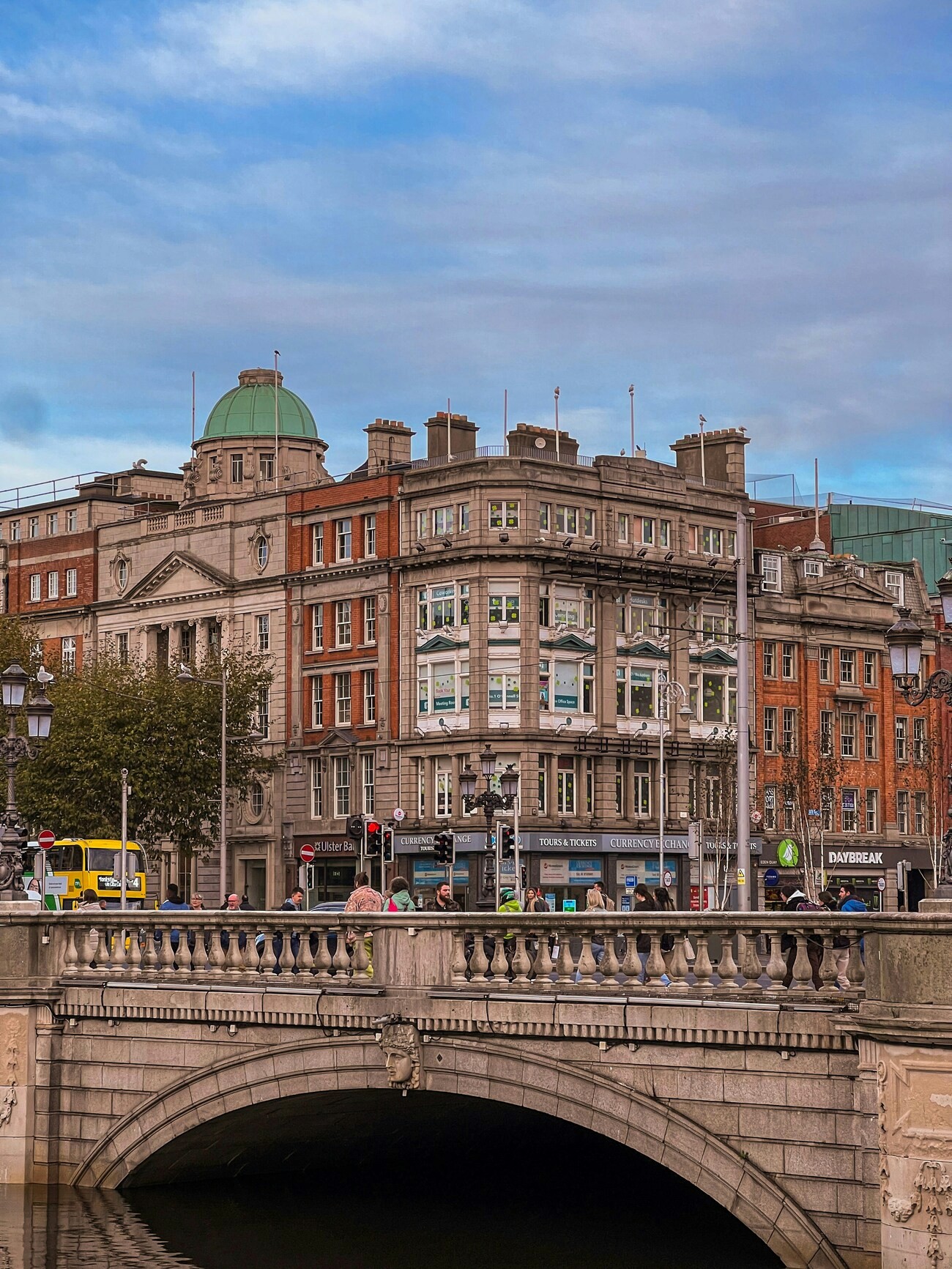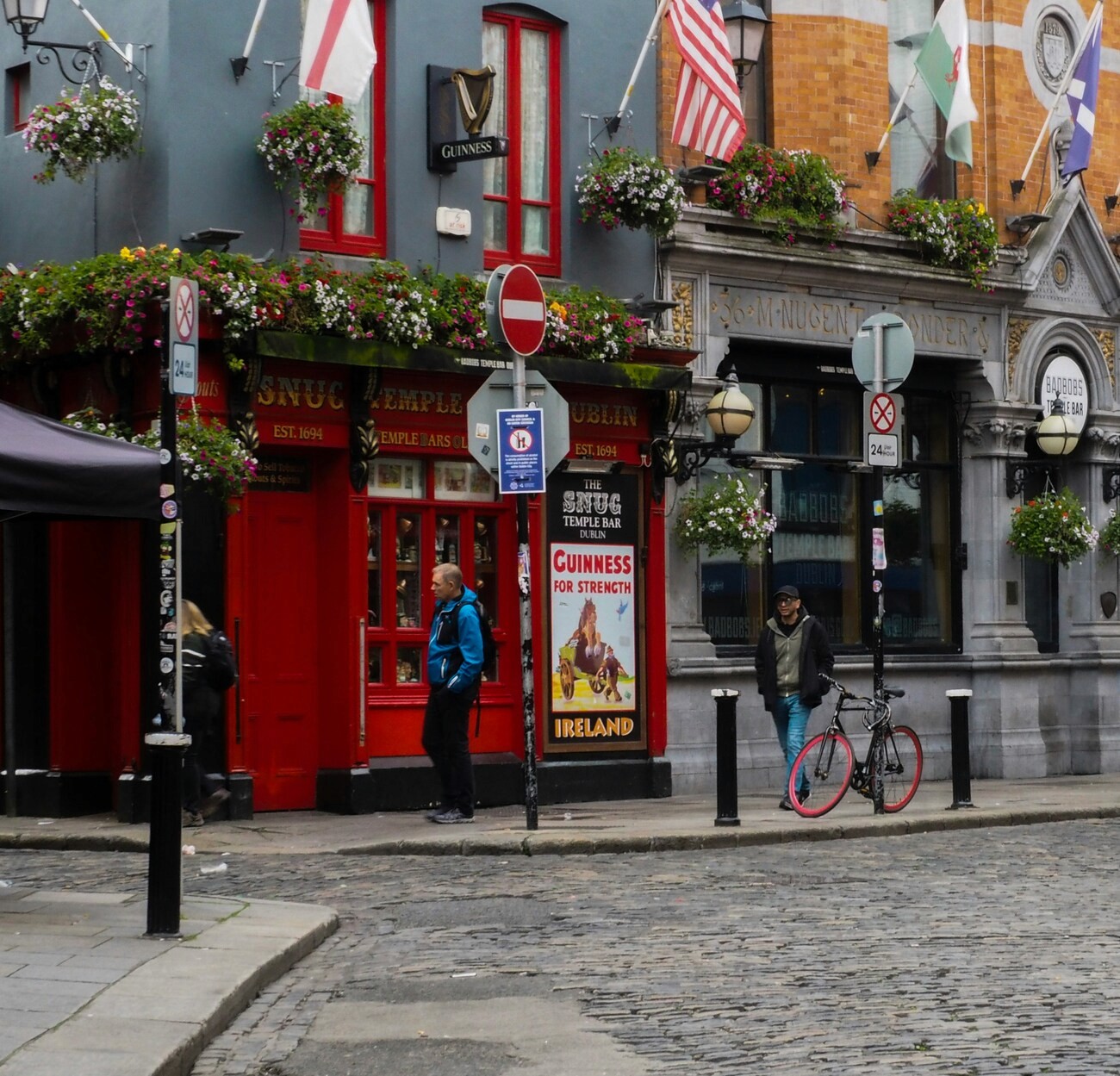


From Dublin’s lively pubs and literary charm to the cliffs of Moher and the serene countryside of Galway, Ireland blends culture, nature, and warmth like nowhere else. But before you dive into your Irish adventure, understanding how money works here will save you time and help you make the most of your Euros.
Whether you’re coming for study, travel, or a longer stay, this guide covers everything you need to know about Ireland’s currency, exchange options, and smart money tips for 2026
Understanding the Euro (€)
The Euro (EUR, €) is the official currency of the Republic of Ireland (not to be confused with Northern Ireland, which uses the British Pound).
Introduced in 2002, the Euro is shared by most EU member states, making travel across Europe seamless and convenient.
Ireland’s use of the Euro means you can easily spend the same currency when traveling to neighboring countries like France, Spain, or Germany, no extra exchanges needed.
Euro Denominations
The Euro is available in banknotes and coins:
Banknotes: €5, €10, €20, €50, €100, €200, and €500
(€200 and €500 are uncommon in daily use.)
Coins: €1 and €2, plus 1, 2, 5, 10, 20, and 50 cents
Tip: Keep coins handy for small transactions, parking meters, and tipping in pubs.
Exchange Rates for Common Currencies (2026 Snapshot)
Exchange rates fluctuate daily, but here’s an approximate guide for 2026:
1 USD (US Dollar): ~€0.91
1 GBP (British Pound): ~€1.18
1 AUD (Australian Dollar): ~€0.59
1 CAD (Canadian Dollar): ~€0.66
1 CHF (Swiss Franc): ~€1.04
1 JPY (Japanese Yen): ~€0.0061
100 INR (Indian Rupee): ~€1.09
Always check current rates using XE.com, Wise, or your bank’s travel app before exchanging or withdrawing cash.
Should You Carry Cash in Ireland?
Ireland is largely cashless, but having some cash on hand is still a good idea.
Most shops, restaurants, and public transport accept cards, yet small towns and rural pubs might prefer cash.
You’ll need cash for:
Taxis and local buses: Some still don’t accept cards.
Small pubs and markets: Especially in rural areas or local fairs.
Tips and donations: Coins or small notes are best for casual tipping.
Emergency backup: Just in case your card is declined or network issues arise.
Safety tip: Ireland is very safe, but avoid carrying large sums. Around €50–€100 in cash is typically enough for daily use.
Where to Exchange Currency in Ireland
1. Banks
Banks are the most reliable and secure places to exchange money.
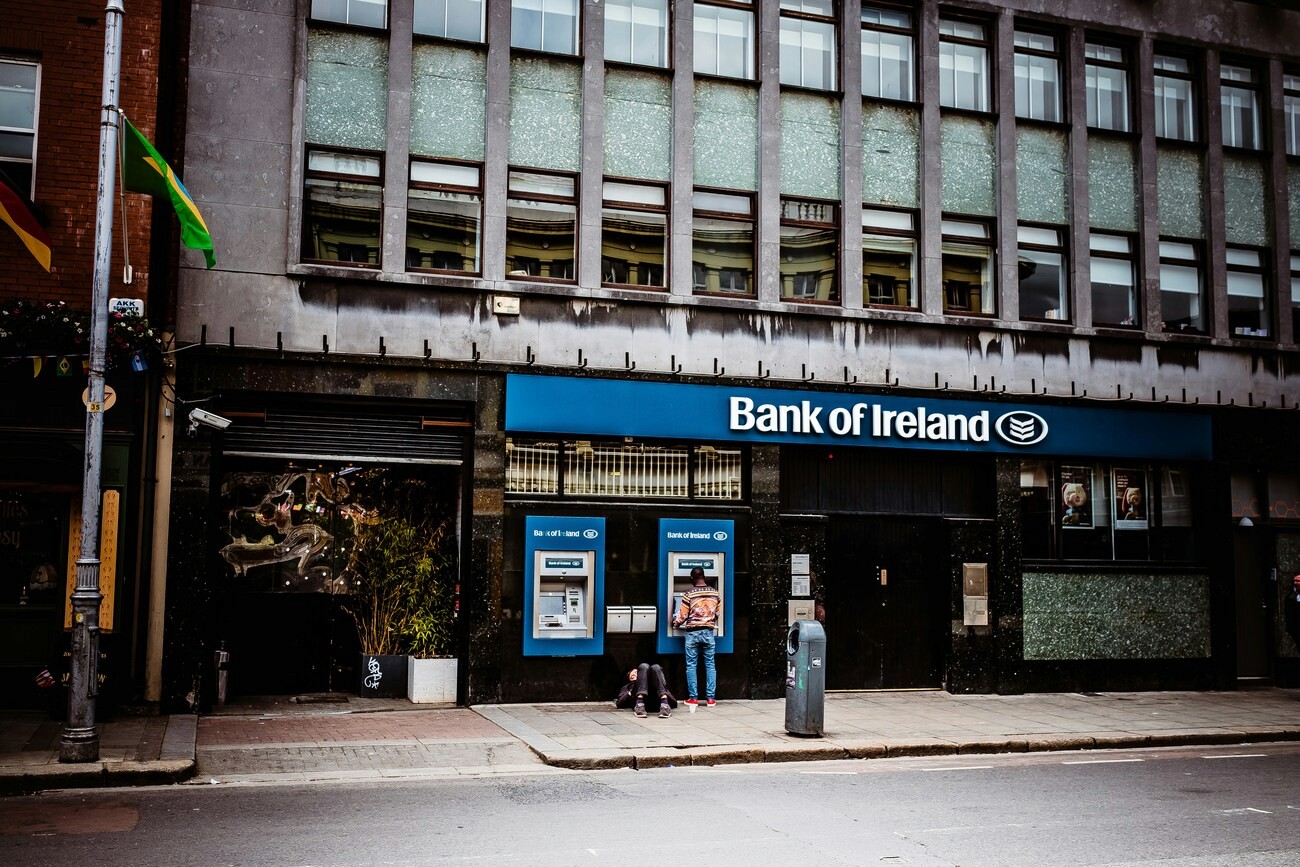
Major Irish banks include Allied Irish Bank (AIB), Bank of Ireland, and Permanent TSB.
Exchange rates are fair, though small commissions may apply.
Bring your passport or ID, as it’s often required for transactions.
Bank hours: Monday–Friday, 10 a.m.–4 p.m. (some branches open late Thursdays).
2. Currency Exchange Offices
Currency exchange offices (bureaux de change) are common in city centers and airports.
Companies like FEXCO and No1 Currency are well-known.
Airport exchange counters are convenient but often have less favorable rates, so it’s better to exchange small amounts there and the rest in town.
3. ATMs
ATMs (cash machines) are everywhere and generally offer excellent exchange rates.
Withdraw directly in Euros using your debit or credit card for convenience.
Stick to ATMs operated by major banks, and avoid those in convenience stores that may charge extra.
Important: Always choose to be charged in Euros, not your home currency, to avoid dynamic currency conversion (DCC) fees.
4. Prepaid & Digital Currency Cards
Digital banking tools like Wise, Revolut, and Monzo are popular in Ireland.
They allow you to store and spend Euros directly, with minimal or no conversion fees.
They’re also widely accepted for both in-person and online payments.
5. Avoid Airports & Hotels
Airport and hotel exchange desks are convenient but offer poor exchange rates and higher fees.
Exchange just enough cash for transport or coffee on arrival, and use banks or ATMs later.
Tips for Currency Exchange in Ireland
Compare rates: Check online or across multiple providers before exchanging.
Use ATMs for the best value: Prefer those attached to major banks.
Avoid DCC (Dynamic Currency Conversion): Always pay in Euros.
Use digital payment apps: Apple Pay, Google Pay, and Revolut are widely accepted.
Keep small notes and coins: Some rural spots may not have change for large bills.
Notify your bank: To prevent blocked transactions abroad.
Check fees: Ask about commissions or service charges before exchanging cash.
Frequently Asked Questions
1. Do I need Euros in Ireland?
Yes, the Euro (€) is the official and only accepted currency in the Republic of Ireland. (Note: Northern Ireland uses the British Pound.)
2. Can I use Pounds or Dollars in Ireland?
No. Only Euros are accepted in the Republic. Exchange your currency before or after arrival.
3. Are cards widely accepted?
Yes. Visa and Mastercard are accepted almost everywhere. American Express is less common.
4. Does Ireland support contactless and mobile payments?
Yes. Ireland is one of Europe’s most cashless countries. Contactless card and mobile payments are standard, even for small purchases.
5. What’s the best way to avoid high exchange fees?
Use ATMs from major banks, multi-currency cards (Wise, Revolut), and avoid airport exchange counters.
6. Is tipping common in Ireland?
Tipping isn’t mandatory, but appreciated.
Restaurants: 10–12% if service is not included.
Pubs: Round up the total or buy the bartender a drink (“a pint for yourself”).
Taxis: Round up to the nearest Euro.
Final Thoughts
Managing money in Ireland is simple and convenient thanks to its modern, card-friendly economy.
With just a little planning you’ll make your budget stretch further across castles, cliffs, and cozy cafés.
By combining smart digital tools, a bit of local cash, and awareness of exchange rates, you’ll enjoy your Irish adventure without financial stress.
Whether you’re listening to live music in a Dublin pub, driving the Wild Atlantic Way, or exploring ancient ruins, having your money sorted means you can focus on what really matters, making memories in magical Ireland.

De manier waarop
>
.000
Gevallen per jaar
+
Actieve landen
.
/5
Uitstekende beoordeling
+
Bedrijven gebruiken ons
ANDERE DIENSTEN