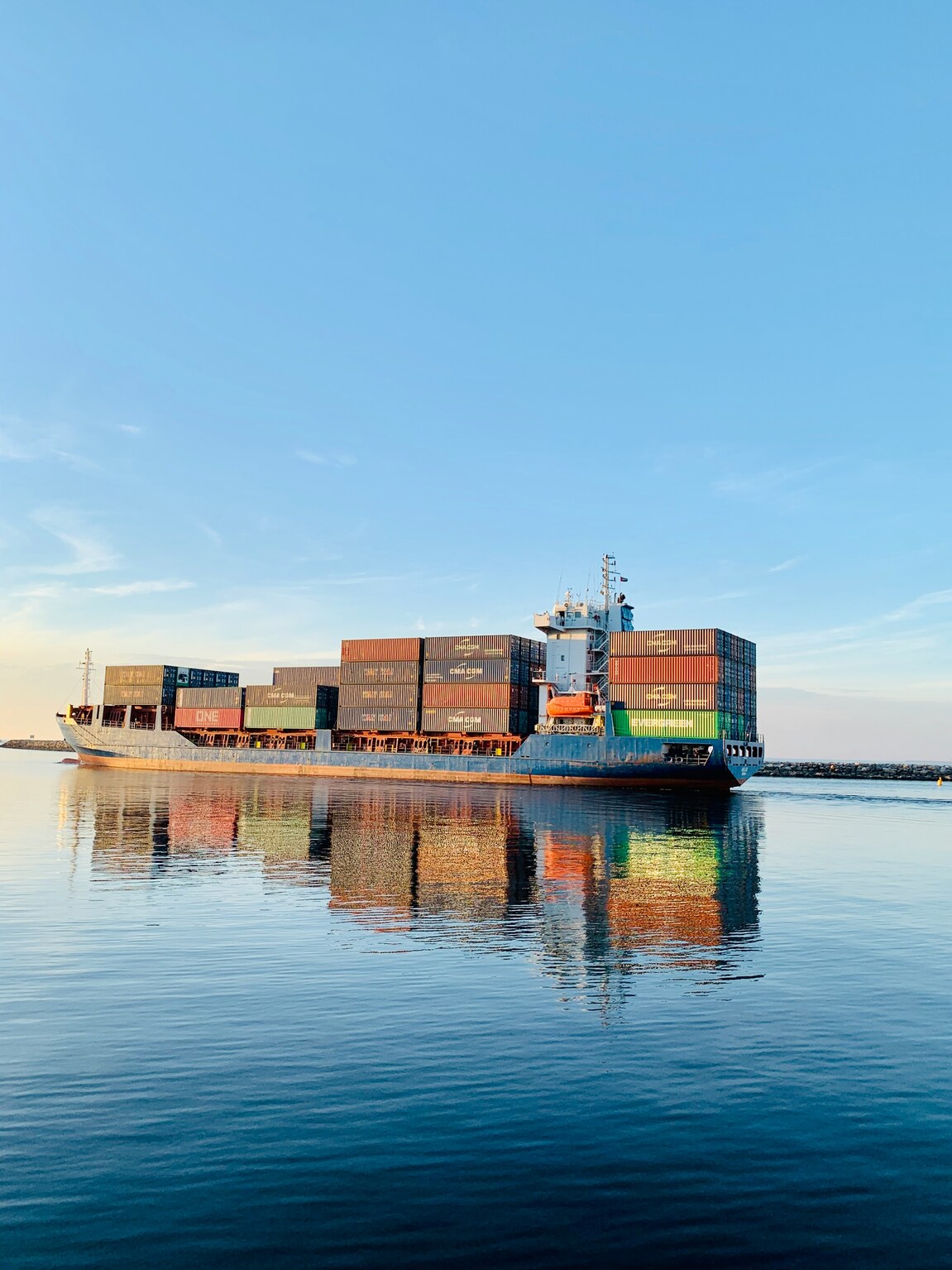

Nobody can tell you exactly when the Strait of Hormuz reopens, or whether it does at all in 2026. What you can do is understand the three credible scenarios for how this unfolds, what each one means for your pipeline, and how to position your business so you win in any of them.
48% | 6 mo. | +25 days |
The uncomfortable reality for your forward planning: even if a ceasefire happens tomorrow, the physical reopening of the Strait is a long process. The Pentagon has indicated that clearing sea mines could take up to six months, and that clock only starts once active mine-clearance operations begin, which itself requires a stable ceasefire first.
Major carriers have committed to Cape of Good Hope routing for the foreseeable future, independent of geopolitical signals. They are not waiting for political resolution to make operational decisions. Neither should you.
"The cost and timeline environment you're quoting in now is the realistic baseline for late 2026. Build your business around that reality, not around hoping for a quick return to normal."
How the rest of 2026 could unfold
These are not predictions, they are planning frameworks. The movers who navigate this best are the ones whose operations work reasonably well across all three, not the ones who bet on one outcome.
Scenario 01: The Long ShadowThe Strait stays constrained. Cape routing remains standard. Transit times stabilize at 50–55 days. Current surcharges become permanent line items, not temporary ones. What it means for you Early bookers win. Movers with confirmed capacity on alternative routes hold a durable competitive advantage. | Scenario 02: The Fragile OpeningLimited reopening under military escort. Transit restricted to approved slots. The bottleneck shifts from geography to allocation, capacity becomes rationed, not free-flowing. What it means for you Carrier relationships become the product. Network depth is the differentiator, not price. | Scenario 03: The Great ResetThe crisis accelerates a permanent structural shift. Rail corridors and regional hubs expand. Costs stabilize at a higher baseline, but predictability improves over time. What it means for you Movers who invest in multimodal capability now emerge as market leaders in the next cycle. |
The common thread across all three
In every scenario, the variable that determines outcome is the same: network access and the ability to communicate clearly. Movers who have real carrier relationships and who set accurate expectations win, regardless of which scenario plays out.
The permission economy, access is no longer automatic
Shipping used to work like a highway: book a container, it arrives. What analysts are now calling the Permission Economy works differently. Access depends on who your operation knows and what routes you can actually confirm, not just quote.
In practical terms, this means some moving companies can deliver reliably right now and some cannot, and the difference is not visible from a quote alone. Your job is to make your network access visible and specific.
Lead with Access, Not Price
What to Lead With "We have confirmed space on the Rotterdam–Singapore leg via Cape Town." Specific corridors close more deals than competitive rate sheets. | What to Stop Doing Quoting theoretical timelines. Any timeline that doesn't account for Cape routing, blank sailings, and port waits is already wrong and damages trust the moment reality diverges. |
What to expect, quarter by quarter
Now – June 2026 Surcharges StabiliseEBS and war-risk charges become standard line items. Clients who received quotes in Q1 need revalidation. Container availability remains competitive on Atlantic and Indian Ocean corridors. | July – September 2026 Peak Season Meets Constrained CapacitySummer relocation volume peaks in Q3. With Cape routing adding 20–25 days to turnaround times, effective fleet capacity shrinks precisely when demand rises. Early booking is a product you can sell. | October – December 2026 Structural Picture ClarifiesEither the Strait shows credible signs of reopening or the industry formally reprices Cape routing as permanent. Movers with multimodal options and carrier relationships will be better positioned either way. |
Build for Resilience, Not a Single Outcome
The moves being handled best right now share a common structure: a smaller, carefully curated air shipment of true essentials combined with a sea freight shipment on a flexible timeline. The operators offering this as a deliberate, structured product are the ones pulling ahead.
The operators structuring this as a deliberate two-speed product are closing more deals and managing fewer client complaints. The ones still treating it as an exception are absorbing the fallout.. Air + sea is no longer a workaround. It is the recommended approach for any client with a fixed start date, and it should be positioned that way.
How to Position for the Rest of 2026
Formalise your two-speed offer. Air essentials + sea freight should be a named, priced package, not something you improvise when a client asks.
Make carrier relationships specific and visible. Which corridors do you have confirmed access on? Name them. Clients are asking.
Shorten your quote validity windows. 14 days maximum. Market-adjusted pricing protects your margin and creates urgency that is real, not manufactured.
Train your team on the Hormuz timeline and the three scenarios. A consultant who can explain geopolitical logistics clearly converts better and retains more trust when things don't go perfectly.
Start the conversation with timelines, not prices. "When does your lease start? When do you begin work?" shapes the recommendation, and reveals which clients need the air shipment upsell immediately.



Fournisseurs
Plus de ce genre