Moving to Mexico is an adventure full of warmth, culture, and opportunity. The country’s friendly people, rich traditions, and growing expat communities make it an appealing destination for families. But if you’re relocating with children, one of your most important tasks will be understanding Mexico’s school system.
This guide will help you navigate how schooling works in Mexico and explain what to expect from public, private, and international options.
Understanding the Mexican School System
Mexico’s education system combines strong academic traditions with a growing international outlook. It is overseen by the Secretaría de Educación Pública (SEP) which regulates public and private schools nationwide.
Education is compulsory from ages 6 to 18, and public schooling is free. While Spanish is the main language of instruction, many schools now offer bilingual or international programs.
The Structure of Schooling in Mexico
Educación Preescolar (Preschool): Ages 3 to 6
Preschool is part of compulsory education, and most children attend for at least one year before primary school.Focuses on social skills, early literacy, art, and play-based learning.
Public preschools are free, while private ones may use bilingual or Montessori-style approaches.
Many expat families choose bilingual preschools to help their children learn Spanish early.
Educación Primaria (Primary School): Ages 6 to 12
Covers Grades 1–6.
Core subjects include Spanish, mathematics, natural and social sciences, physical education, and arts.
English is taught in many schools, particularly in urban areas.
Students receive continuous assessment and end-of-year evaluations.
Educación Secundaria (Lower Secondary School): Ages 12 to 15
Equivalent to middle school or junior high.
Subjects broaden to include history, geography, civics, technology, and a foreign language.
Ends with a national completion certificate that allows entry into upper secondary education.
Educación Media Superior (Upper Secondary / High School): Ages 15 to 18
Students choose among three main paths:
General / Academic Track (Bachillerato): Prepares students for university.
Technological Track (Bachillerato Tecnológico): Mix of academics and technical training.
Vocational Track (Profesional Técnico): Focused on trades or immediate employment.
Programs last three years and conclude with the Certificado de Bachillerato, required for university admission.
What Comes After High School?
After completing upper secondary school, students can pursue:
University (Universidad): Offers bachelor’s (Licenciatura), master’s, and doctoral degrees.
Technological Institutes (Institutos Tecnológicos): Emphasize engineering and applied sciences.
Polytechnic and Teacher Training Colleges: Offer specialized professional education.
Mexico is part of the Latin American Higher Education Area, and many universities have partnerships with institutions in the U.S., Europe, and Asia.
School Types: Public, Private, or International?
Mexico’s schools vary widely in structure, quality, and curriculum, offering something for every family.
Public Schools (Escuelas Públicas)
Free for all residents and regulated by the SEP.
Classes are in Spanish and follow the national curriculum.
Class sizes can be large, and resources vary by region.
Excellent option for cultural immersion and Spanish fluency, particularly for long-term residents.
Private Schools (Escuelas Privadas)
Offer smaller classes, better facilities, and often bilingual education.
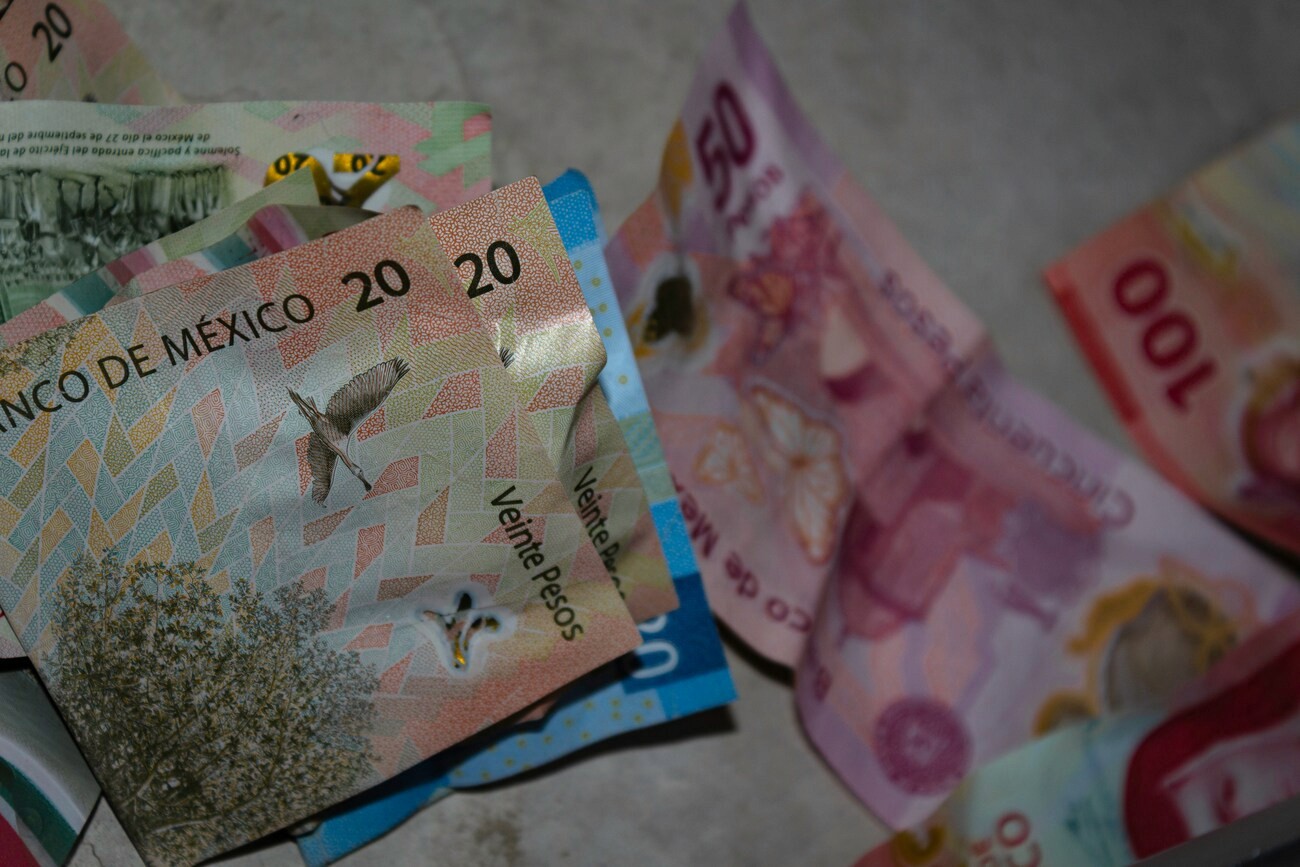
Tuition fees range from MXN 50,000 to MXN 200,000 (€2,500–€10,000) per year, depending on city and reputation.
Many private schools follow the national curriculum but enrich it with international programs, technology, or extracurriculars.
Some are faith-based (mainly Catholic), while others emphasize innovation and languages.
International Schools
Ideal for expats and globally mobile families.
Offer curricula such as International Baccalaureate (IB), British (IGCSE/A-Levels), American (AP), or French Baccalauréat.
Instruction is primarily in English (or bilingual), with Spanish and other languages taught as second languages.
Found mainly in Mexico City, Guadalajara, Monterrey, and popular expat hubs like Querétaro and Playa del Carmen.
Tuition typically ranges from MXN 150,000 to MXN 400,000 (€7,000–€20,000) per year.
Language and Integration
Spanish is the official language of instruction in public schools.
Many private and international schools are bilingual, teaching in English and Spanish.
Expat children usually adapt quickly, especially if enrolled at a young age.
Public schools provide support for non-Spanish speakers through integration programs and peer learning.
English proficiency in Mexico is growing, particularly in major cities and international programs.
Universities in Mexico
Mexico’s universities are well-regarded across Latin America, offering a mix of tradition, innovation, and affordability.
Some of the top universities include:
National Autonomous University of Mexico (UNAM) – One of the largest and most prestigious universities in Latin America.
Monterrey Institute of Technology and Higher Education (Tecnológico de Monterrey / Tec de Monterrey) – World-class in engineering, business, and entrepreneurship.
University of Guadalajara (UdeG) – Strong in arts, medicine, and social sciences.
Universidad Anáhuac – Private, international-oriented with English-taught programs.
Instituto Politécnico Nacional (IPN) – Renowned for science and technology.
Academic Calendar: August to June (two semesters).
Tuition Fees:
Public universities: MXN 1,000–5,000 (€50–€250) per year — very affordable.
Private universities: MXN 100,000–400,000 (€5,000–€20,000) per year.
Language: Most programs are in Spanish, but top universities offer English-taught degrees, especially at the postgraduate level.
Cultural School Norms in Mexico
Education in Mexico blends formality with community warmth, and school life plays a major role in family and social life.
Respect and hierarchy: Teachers are called Maestro/Maestra or Profesor/Profesora and hold a respected role.
Uniforms: Required in nearly all public and private schools, fostering equality and discipline.
Schedules: Classes typically run from 7:30 a.m. to 2:30 p.m., with extracurriculars in the afternoon.
Lunch: Students bring snacks or eat at home; some private schools offer canteens.
Parent involvement: Schools maintain close communication with families and hold regular parent-teacher meetings.
Celebrations: Schools mark national holidays like Día de la Independencia and Día de los Muertos with performances and festivals.
Exams and grading: Students are graded on continuous assessment and final exams, with 6/10 as the minimum passing grade.
Where to Begin Your Search
Here’s a step-by-step approach to finding the right school in Mexico:
Define your goals: Language, curriculum, location, and long-term education plans.
Decide on school type: Local immersion, bilingual private, or international.
Research by city: Mexico City and Monterrey offer the broadest choices; coastal and regional cities have growing international networks.
Visit schools: Most offer tours and trial days for new families.
Ask about accreditation: Ensure the school is recognized by the SEP and (for international schools) by global education boards.
Understand admission timing:
Mexican public schools: Enroll early in spring (February–April) for the August start.
International schools: Often have rolling admissions but limited seats.
Talk to other parents: Expat groups in cities like Mexico City Moms, Expats in Guadalajara, or Yucatán Families Network offer valuable insight.
Schools for Expat Families
Mexico City
The American School Foundation (ASF): U.S. curriculum and IB; one of the oldest international schools in Mexico.
Greengates School: British curriculum; IGCSE and IB Diploma.
Colegio Alemán Alexander von Humboldt: German-Spanish bilingual program.
Lycée Franco-Mexicain: French curriculum; strong bilingual emphasis.
Guadalajara
ASFG (American School Foundation of Guadalajara): U.S. curriculum and IB; bilingual learning environment.
Instituto Thomas Jefferson: English-language instruction; modern facilities.
Monterrey
Colegio Americano de Monterrey (CAM): American curriculum; English-Spanish bilingual approach.
San Roberto International School: IB-accredited; known for innovation and STEAM programs.
Querétaro & Bajío Region
John F. Kennedy The American School of Querétaro: U.S. curriculum and IB; diverse student body.
Maple Bear Canadian School Querétaro: Canadian bilingual education model.
Yucatán & Riviera Maya
Costa Tulum International School: Eco-focused IB curriculum.
Colegio Inglés Playa del Carmen: Bilingual education with strong community feel.
Final Thoughts and Next Steps
Mexico offers a vibrant and flexible education system, where families can choose between local immersion, bilingual learning, or internationally accredited schools. Whether your child attends a traditional escuela pública or an international campus, they’ll benefit from a rich cultural experience and a supportive, community-based learning environment.
With its blend of warmth, academic opportunity, and growing global focus, Mexico is an inspiring place for children to grow, learn, and thrive.

The how
>
.000
Cases yearly
+
Active countries
.
/5
Excellent rating
+
Companies use us
OTHER SERVICES