

Moving to Japan is an exciting step, whether you’re coming for work, study, or long-term adventure. One of the first things you’ll need to settle your life smoothly is a local Japanese bank account. It’s essential for receiving your salary, paying rent, and handling everyday expenses like mobile bills or public transport passes.
This guide walks you through the essentials: the Japanese banking system, best banks for newcomers, the documents you’ll need, and some insider tips for opening an account stress-free in 2026.
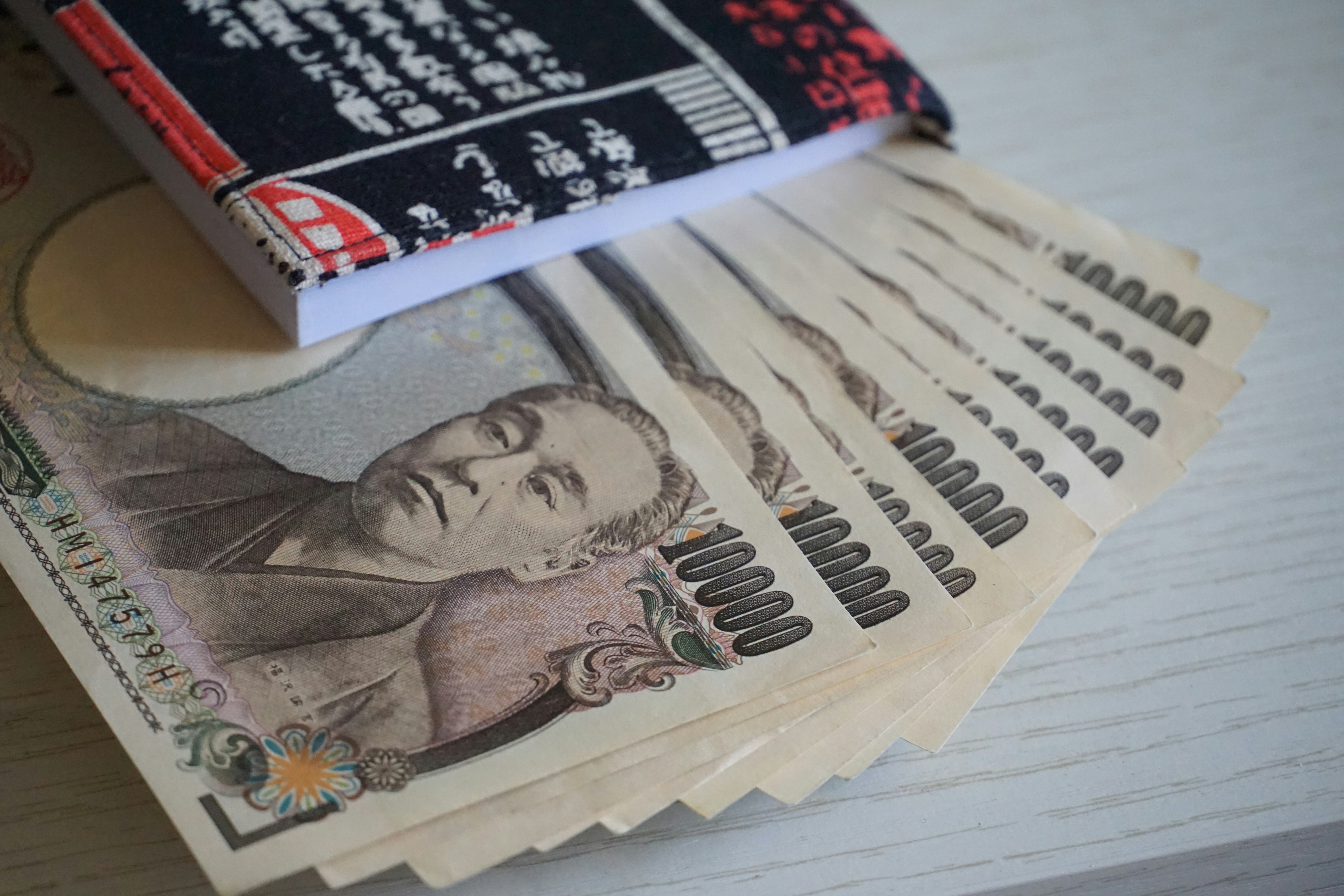
Currency in Japan
Japan’s official currency is the Japanese Yen (¥ or JPY).
While many stores and services now accept cards and digital wallets, Japan remains a cash-oriented society, so having a local account is very useful.
Opening a Japanese bank account allows you to receive your salary locally, pay bills automatically, and use popular digital payment systems like PayPay and Rakuten Pay. International cards work in some places, but having a domestic account makes daily transactions smoother and cheaper.
Best Banks in Japan for Newcomers
Japan’s banking landscape includes both large traditional banks and newer, more digital-friendly options. Here are the most reliable and foreigner-friendly banks for 2026:
Japan Post Bank (Yūcho Ginkō / ゆうちょ銀行)
A government-backed bank with branches and ATMs everywhere — even in rural areas.
Perk for newcomers: English-speaking assistance in major cities and low account maintenance fees.
Why choose it? Ideal for students or those living outside Tokyo, thanks to its extensive coverage.
Shinsei Bank (新生銀行)
One of the most expat-friendly banks in Japan, known for its English-language services.
Perk for newcomers: Full English website, app, and customer support.
Why choose it? You can open an account with minimal paperwork and manage everything online.
SMBC (Sumitomo Mitsui Banking Corporation)
A leading Japanese bank that offers both in-branch and digital banking services.
Perk for newcomers: Special accounts for foreigners with residence cards, plus English documentation.
Why choose it? Perfect for professionals receiving salaries in Japan.
MUFG Bank (Mitsubishi UFJ Financial Group)
Japan’s largest bank with international reach.
Perk for newcomers: Global ATM network and reliable English support in major branches.
Why choose it? Ideal if you plan to make international transfers or need multi-currency support.
Rakuten Bank (楽天銀行)
A fully online bank connected to the Rakuten ecosystem (shopping, travel, rewards).
Perk for newcomers: Easy online application, low fees, and cashback through Rakuten services.
Why choose it? Great for tech-savvy users who prefer app-based banking and online purchases.
Documentation Needed
To open a bank account in Japan, you’ll need to bring a few key documents. Requirements vary slightly depending on the bank, but generally include:
Residence Card (在留カード / Zairyū Kādo) – Confirms your legal status and address in Japan.
Passport – Your main form of identification.
Hanko (Personal Seal) – Traditionally used instead of a signature for official documents (some banks now accept signatures).
Proof of Address – Typically shown on your residence card; otherwise, a recent utility bill or rental agreement.
Phone Number in Japan – Most banks require a local mobile number to verify your account.
Student/Employment Verification (if applicable) – Some banks ask for proof of school enrollment or employment contract.
If you’ve just arrived and don’t have a residence card yet, you’ll likely need to wait until it’s issued before you can open a full account. Tourist visa holders generally cannot open standard bank accounts.
Tips for Opening a Bank Account in Japan as a Foreigner
Wait until you have your Residence Card: Most banks will not open an account without it.
Bring your Hanko (seal): Though some banks now allow digital or handwritten signatures, a Hanko is still widely used and recommended.
Choose an expat-friendly bank: Shinsei and Japan Post Bank are the most flexible for non-Japanese speakers.
Check language support: While Tokyo banks often have English services, rural branches may not, bring a translation app just in case.
Prepare for cash culture: ATMs are everywhere, but not all accept foreign cards. Look for ATMs in convenience stores like 7-Eleven and Lawson.
Use online banking apps: Digital banks like Rakuten and Shinsei make managing your finances easier, with English interfaces and fewer in-person visits.
Bank hours: Most bank branches operate Monday to Friday, 9 AM to 3 PM, and are closed on weekends and public holidays.
Final Thoughts
Opening a bank account in Japan may feel formal compared to other countries, but once you have your documents ready, the process is usually straightforward. Having a local account allows you to manage your money efficiently and integrate into Japan’s highly organized financial system.
Traditional banks like MUFG, SMBC, and Japan Post Bank are dependable, while Shinsei Bank and Rakuten Bank offer the most foreigner-friendly digital experiences.
With patience, preparation, and your paperwork in order, you’ll be banking in Japan like a local, ready to enjoy everything from easy payments to cashless convenience.

The how
>
.000
Cases yearly
+
Active countries
.
/5
Excellent rating
+
Companies use us
OTHER SERVICES