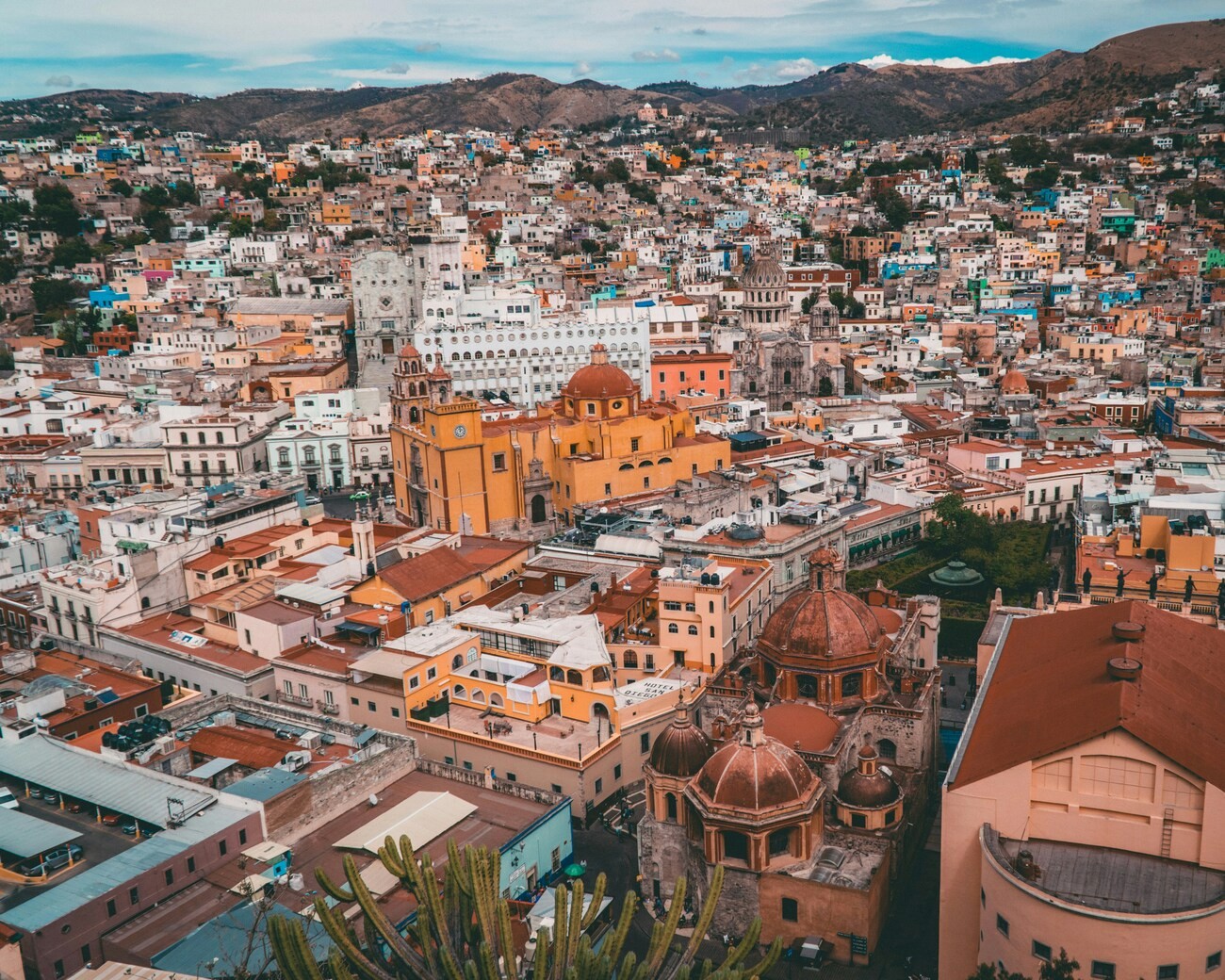


Planning to move to Mexico in 2026? Whether you’re drawn to the beaches of Cancun, the cultural energy of Mexico City, or the relaxed pace of life in Puerto Vallarta, Mexico continues to be one of the most popular destinations for expats, remote workers, retirees, and entrepreneurs alike.
The country offers a wide range of visa options designed to suit different lifestyles and financial situations. Here’s a full breakdown of Mexico’s visa system and what you’ll need to make your move.
Visa requirements for short stays
Citizens from over 65 countries, including the U.S., Canada, U.K., Australia, New Zealand, Japan, and most of Europe, can enter Mexico visa-free for short visits.
What this means
Visa-free entry: You can stay in Mexico for up to 180 days for tourism, family visits, or short business trips.
Requirements: Valid passport (minimum 6 months beyond your stay) and proof of return or onward travel.
Immigration form (FMM): Upon arrival, you’ll receive a Forma Migratoria Múltiple (FMM) that specifies your allowed stay.
Note: As of 2026, the FMM is increasingly digitalized, travelers arriving by air can complete it online before arrival.
Visa options for long-term stays
If you plan to live, work, or retire in Mexico for more than 180 days, you’ll need to apply for a temporary or permanent residence visa.
1. Temporary Resident Visa (Residente Temporal)
Who it’s for: Expats who plan to stay in Mexico for more than 6 months but less than 4 years.
Common reasons for applying:
Living in Mexico without working.
Working for a Mexican company.
Joining a spouse or family member.
Owning property or running a business.
Financial requirements (2026 updates):
Monthly income: Minimum of USD 3,300 over the past 6 months.
Savings/investments: Minimum balance of USD 55,000 over the past 12 months.
Duration: Initially valid for 1 year, renewable annually up to 4 years.
Benefits:
Multiple-entry privileges.
Right to open a bank account and lease or buy property.
Can transition to permanent residency after 4 years.
2. Permanent Resident Visa (Residente Permanente)
Who it’s for: Those seeking long-term residence with no time limit, ideal for retirees, investors, and long-term expats.
Eligibility:
Continuous residence in Mexico for 4 years on a temporary visa, or
Immediate eligibility for retirees or financially independent individuals.
Financial requirements:
Monthly income: Minimum of USD 5,500 over the past 6 months.
Savings/investments: Minimum balance of USD 220,000 over the past 12 months.
Benefits:
Indefinite stay with no renewal required.
Ability to work or run a business without an additional permit.
Access to healthcare and local services.
3. Work Visa (Employment-Based Residency)
Who it’s for: Foreigners with a job offer from a Mexican employer.
Requirements:
Job offer or contract from a company registered with the National Immigration Institute (INM).
Work permit approval by the INM.
Valid passport and proof of qualifications.
Process:
The employer requests authorization from the INM.
Once approved, you apply for a temporary resident visa at a Mexican consulate.
Upon arrival in Mexico, you finalize your residence card.
Duration: 1–4 years, renewable.
4. Digital Nomad Visa (expected in 2026)
Who it’s for: Remote workers employed by companies outside Mexico or freelancers serving international clients.
Expected requirements (based on proposed legislation):
Proof of remote employment or freelance work.
Minimum monthly income of USD 3,000–USD 3,500.
Health insurance valid in Mexico.
Proof of accommodation.
Duration: Expected to be 1 year, renewable up to 3 years.
Why it’s new: Mexico’s government aims to formalize digital nomad stays under its 2026 immigration reform to attract global talent, particularly in hotspots like Playa del Carmen, Mexico City, and Oaxaca.
5. Student Visa
Who it’s for: Foreign students enrolled at accredited Mexican universities or educational institutions.
Requirements:
Official acceptance letter from a recognized institution.
Proof of financial means (minimum USD 6,000 per year).
Valid passport and health insurance.
Duration: Matches your academic program, renewable annually.
Bonus: Students can apply for part-time work authorization during their studies.
6. Retirement Visa (under Temporary or Permanent Residency)
Who it’s for: Retirees with steady income or pensions.
Requirements:
Proof of monthly pension or passive income of at least USD 3,300 (temporary) or USD 5,500 (permanent).
Proof of health insurance and accommodation.
Duration:
Temporary: 1–4 years (renewable).
Permanent: Indefinite.
Benefits: Access to healthcare, ability to own property, and low living costs compared to other Western countries.
7. Family Reunification Visa
Who it’s for: Spouses, parents, or children of Mexican citizens or legal residents.
Requirements:
Proof of family relationship (marriage, birth certificate, etc.).
Financial stability and housing in Mexico.
Duration: Matches the residence status of the sponsoring family member.
Required documentation for Mexican visas
While exact requirements vary by visa type, most applications include:
Completed visa application form
Valid passport (6+ months beyond stay)
Passport-sized photos
Proof of financial means (bank statements or income slips)
Health insurance
Proof of accommodation
Police clearance certificate
Visa-specific documents (job offer, university letter, family relationship, etc.)
Visa costs in Mexico (2026 estimates)
Visa Type | Application Fee | Additional Costs |
Tourist Visa (for visa-required countries) | USD 44 | FMM immigration form |
Temporary Resident Visa | USD 53 | Residence card (~USD 300) |
Permanent Resident Visa | USD 53 | Residence card (~USD 400) |
Work Visa | USD 53 | Employer registration & fees |
Digital Nomad Visa (proposed) | USD 60–100 | Health insurance |
Student Visa | USD 53 | Tuition & insurance |
Family Reunification | USD 53 | Document translation & legalization |
All fees are non-refundable and may vary by consulate and exchange rate.
Long-term residence and citizenship
Permanent residence: Granted after 4 years on a temporary resident visa (or immediately for retirees who qualify).
Citizenship: Eligible after 5 years of continuous residence.
Dual citizenship: Mexico allows dual nationality, so you can retain your original citizenship.
Final notes on Mexican visas
Mexico’s warm climate, affordable cost of living, and diverse culture make it one of the top expat destinations for 2026. Whether you’re working remotely, retiring by the beach, or starting a new life abroad, there’s a visa option suited for your needs.
While the visa process is relatively straightforward, it’s best to start early and consult the Instituto Nacional de Migración (INM) or your local Mexican consulate for current requirements and appointment availability.
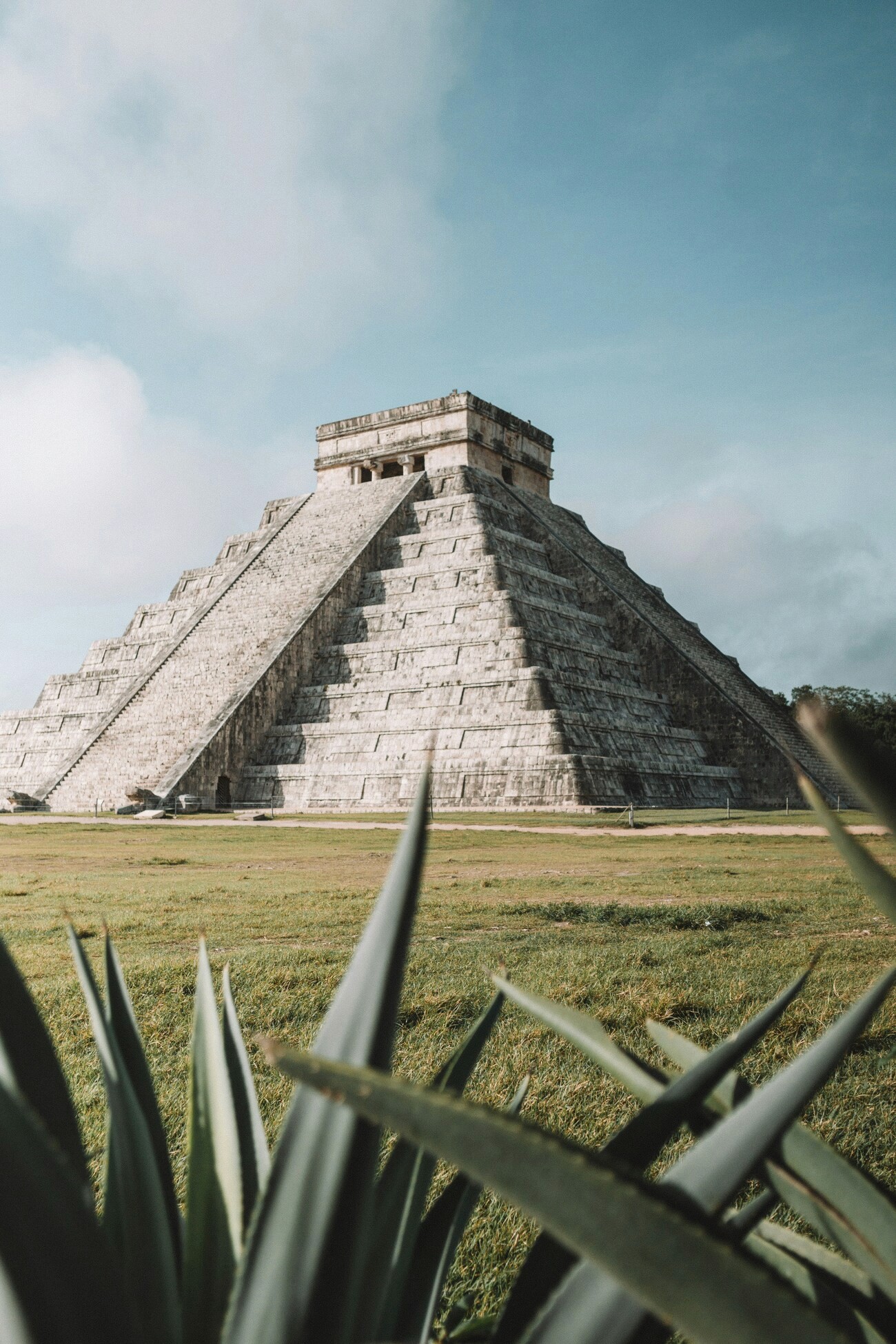
From the ancient ruins of Yucatán to the cosmopolitan vibe of Mexico City, life in Mexico offers an exciting mix of tradition, modernity, and opportunity.

The how
>
.000
Cases yearly
+
Active countries
.
/5
Excellent rating
+
Companies use us
OTHER SERVICES