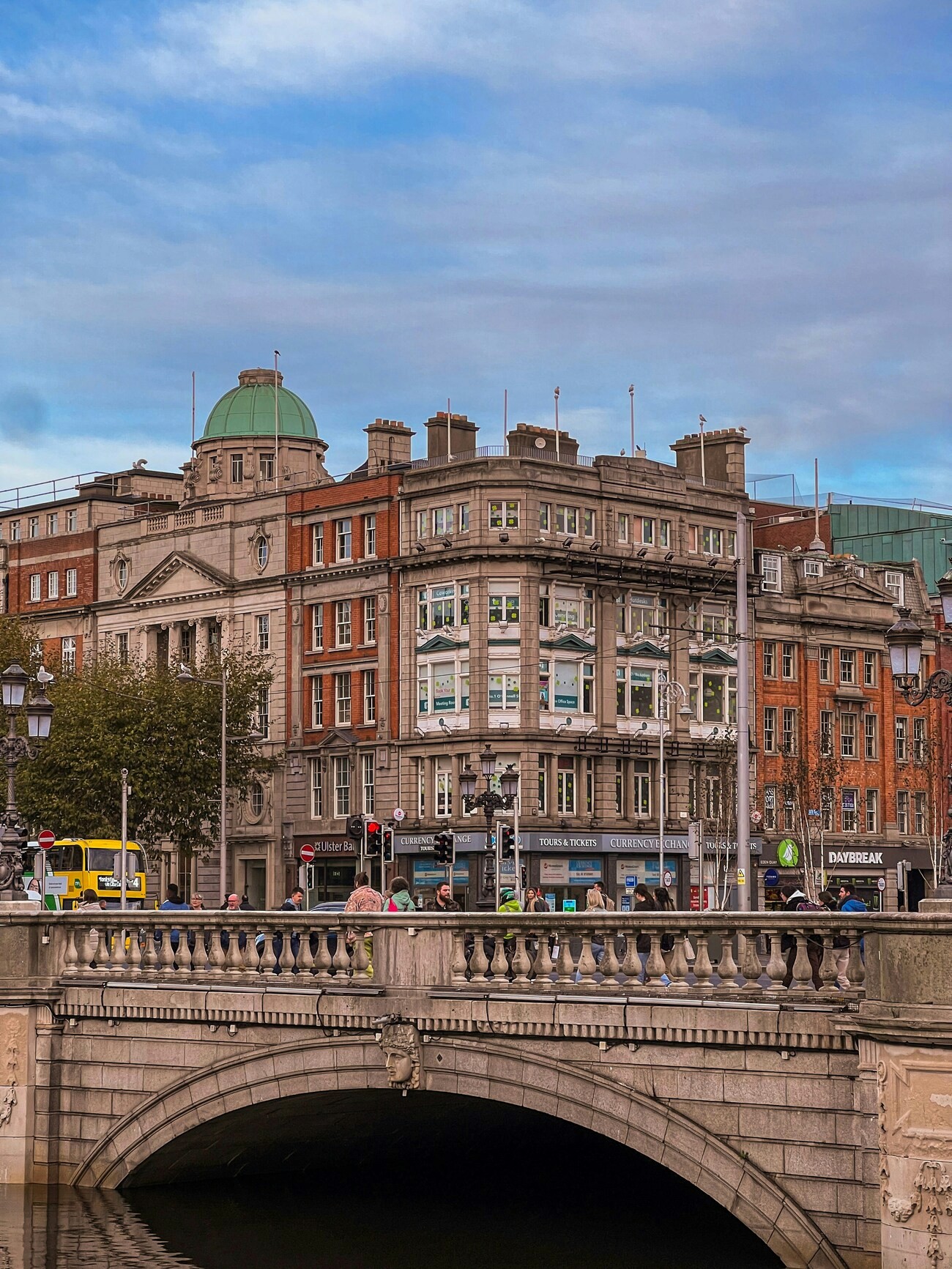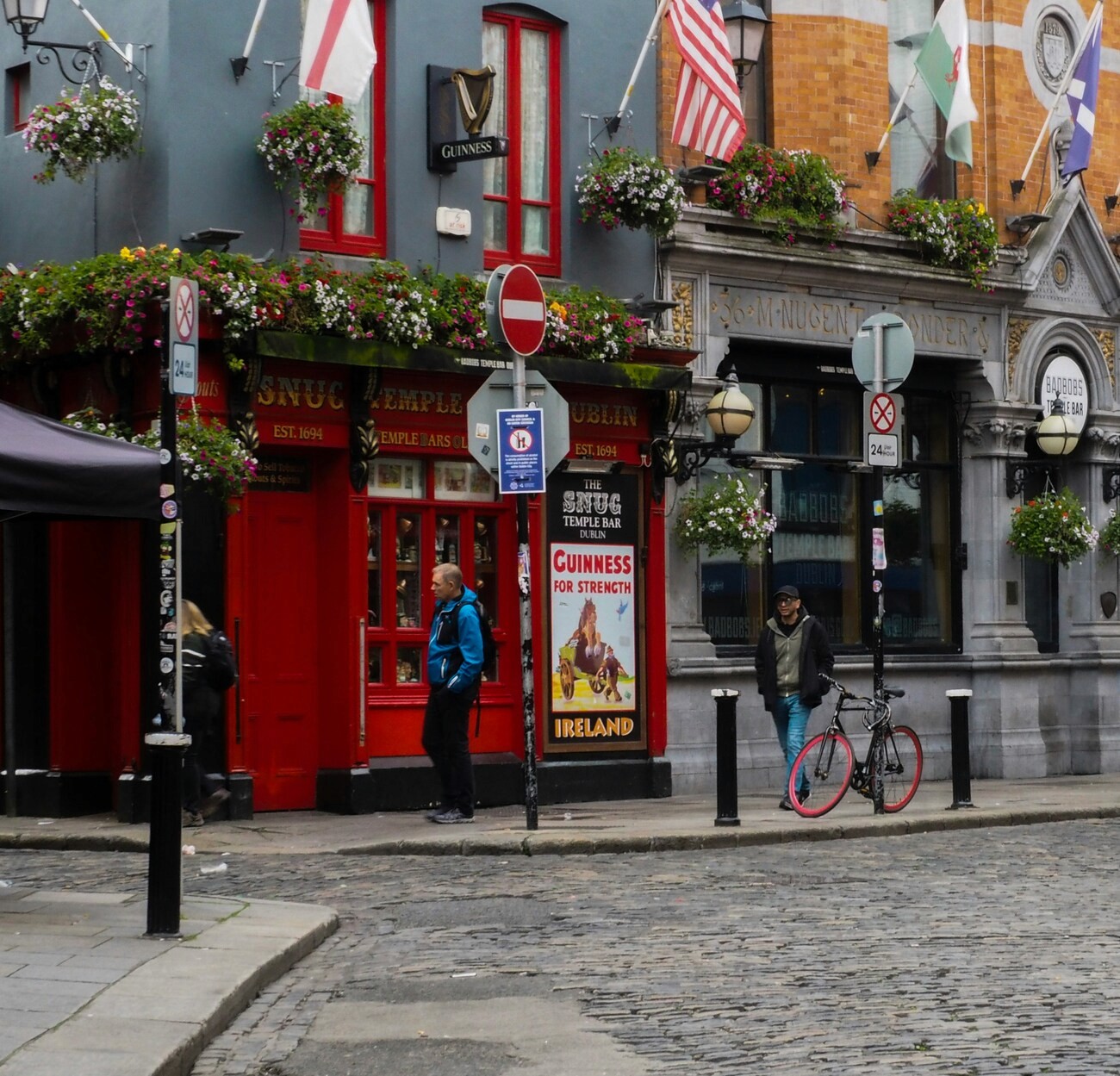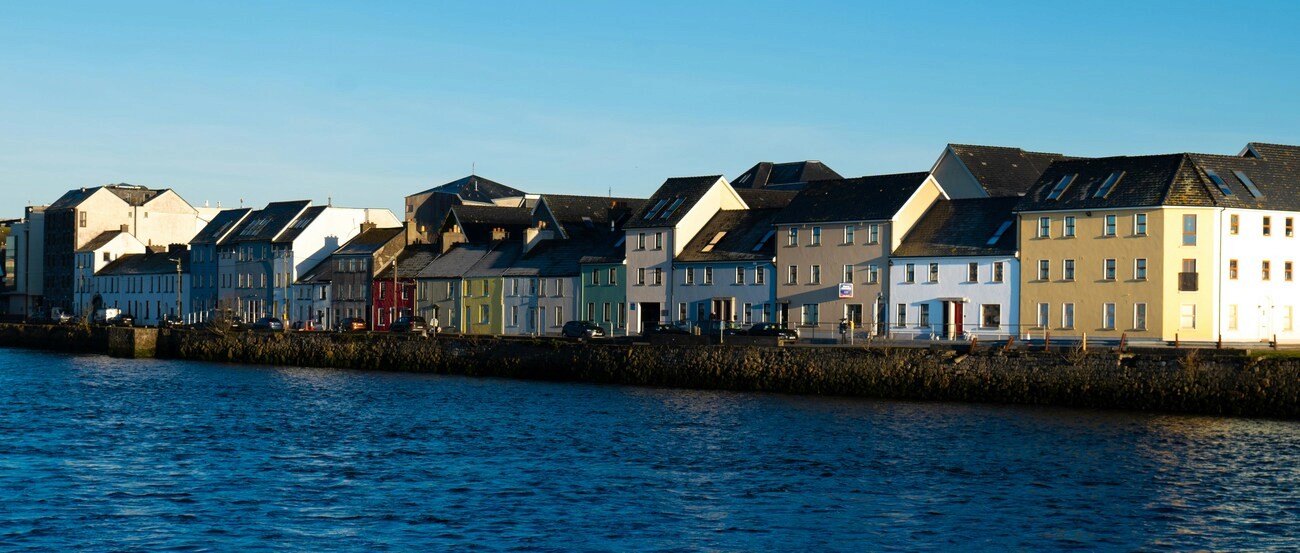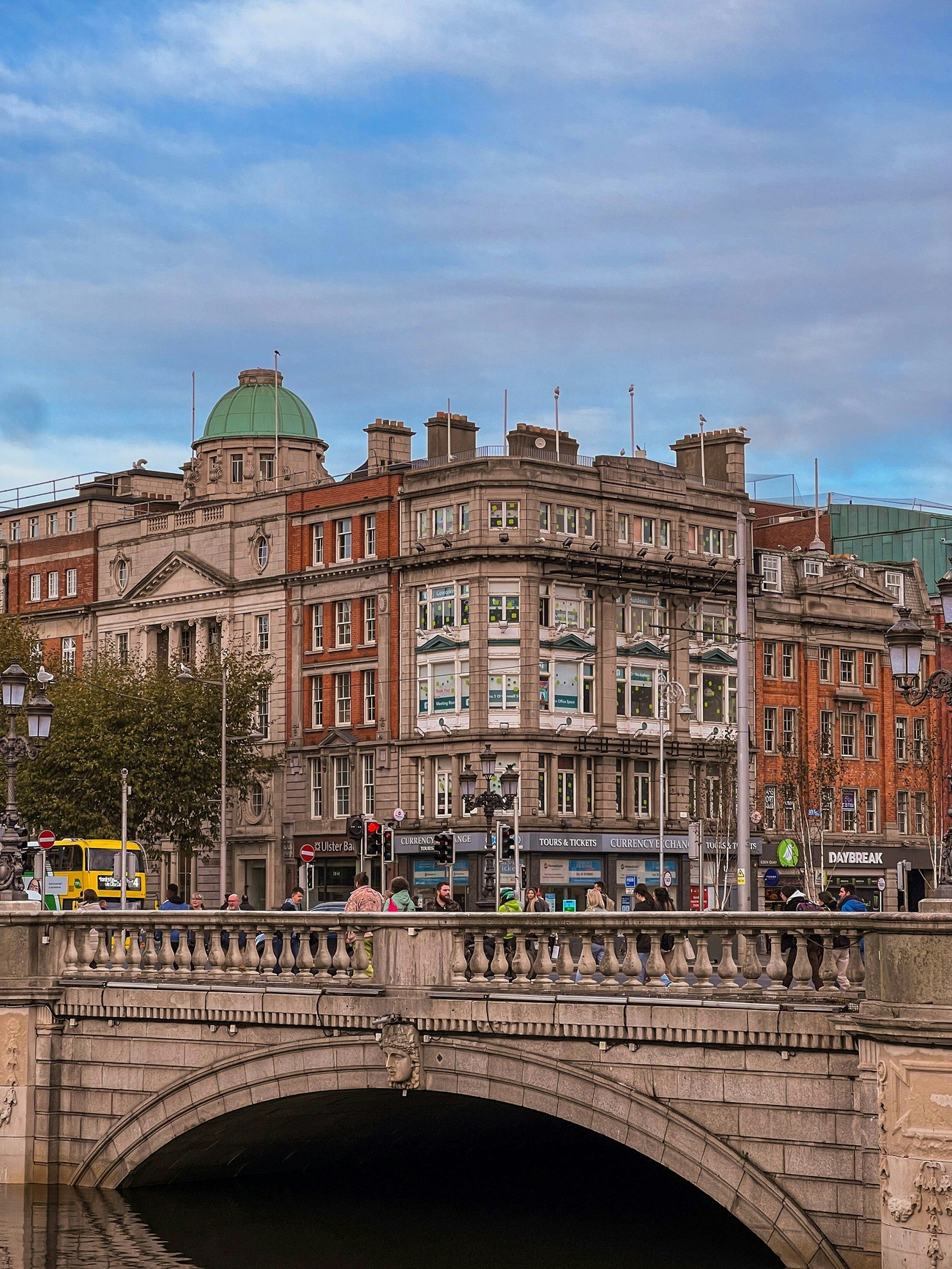


Thinking about moving to Ireland in 2026? Whether you’re drawn to Dublin’s tech-driven economy, Cork’s creative energy, or the scenic beauty of Galway and the Wild Atlantic Way, Ireland offers a welcoming environment for expats, students, and professionals alike.
With a strong job market, English-speaking culture, and friendly locals, Ireland continues to be one of Europe’s most popular destinations for relocation. Here’s your complete guide to Irish visa options and requirements for 2026.
Visa requirements for EU/EEA and Swiss citizens
If you’re from the EU, EEA, or Switzerland, you can live, work, and study in Ireland without needing a visa.
What this means
No visa required: You can enter Ireland with a valid passport or national ID card.
Registration: For stays longer than 3 months, you must be working, studying, or have sufficient financial means and health insurance.
Employment rights: You can take up employment or start a business immediately, no work permit required.
Visa options for non-Europeans
If you’re not an EU, EEA, or Swiss citizen, you’ll need a visa or residence permit depending on your reasons for moving. Below are Ireland’s main visa types for 2026.
1. Short Stay Visa (C Visa)
Who it’s for: Tourists, business visitors, or those visiting family for short periods.
Duration: Up to 90 days.
Requirements:
Valid passport (6+ months beyond stay).
Proof of accommodation and sufficient funds.
Travel and medical insurance.
Return or onward ticket.
How to apply: Online via www.irishimmigration.ie or at your nearest Irish embassy or consulate.
2. Long Stay Visa (D Visa)
Who it’s for: Non-EU nationals planning to stay in Ireland for more than 90 days, for work, study, or family reasons.
Duration: Initially valid for 1 year, renewable while in Ireland.
Requirements:
Proof of purpose (job offer, school enrollment, family connection, etc.).
Proof of funds and health insurance.
Clean criminal record.
Once in Ireland, you’ll need to register for an Irish Residence Permit (IRP) with the Immigration Service Delivery (ISD) within 90 days of arrival.
3. Employment Permits (Work Visas)
Who it’s for: Non-EU nationals with a job offer from an Irish employer.
Main types (2026 programs):
Critical Skills Employment Permit: For high-demand professions such as IT, healthcare, finance, and engineering.
General Employment Permit: For other skilled roles with a valid job offer.
Intra-Company Transfer Permit: For employees transferred within multinational organizations.
Requirements:
Valid job offer from an Irish employer.
Salary meeting the minimum threshold:
€38,000+ per year for General Permit holders.
€34,000–€64,000+ per year for Critical Skills professions.
Proof of qualifications and work experience.
Duration: Typically valid for 2 years, renewable for up to 5 years.
Benefits:
Pathway to long-term residence after 5 years.
Critical Skills holders can bring dependents immediately.
4. Digital Nomad Visa (expected launch in 2026)
Who it’s for: Remote workers employed by companies outside Ireland or freelancers with international clients.
Expected requirements (based on upcoming scheme):
Proof of remote employment or freelance income.
Minimum monthly income of €3,500–€4,000.
Private health insurance.
Proof of accommodation and clean criminal record.
Duration: Expected to be 1 year, renewable.
Why it matters: The Irish government is finalizing a new Remote Work Visa to support Ireland’s growing digital economy and attract global talent to cities like Dublin and Cork.
5. Study Visa (Student Visa)
Who it’s for: Non-EU nationals accepted into full-time courses at Irish higher education institutions.
Requirements:
Letter of acceptance from an approved Irish school or university.
Proof of sufficient funds (at least €10,000 per year).
Health insurance.
Proof of accommodation.
Duration: Matches the duration of your study program.
Work rights: Students can work up to 20 hours per week during term time and 40 hours per week during holidays.
6. Start-up Entrepreneur Programme (STEP)
Who it’s for: Entrepreneurs looking to establish high-potential start-ups in Ireland.
Requirements:
Minimum funding of €50,000 for a new start-up.
Innovative business plan with potential for global impact and job creation.
Proof of good character and financial stability.4
Duration: Residence permit valid for 2 years, renewable for 3 years.
Benefits:
Fast-track residency for founders and families.
Potential pathway to long-term residence and citizenship.
7. Stamp 0 and Stamp 4 Residence Permissions
Who it’s for: Retirees, financially independent individuals, or dependents of Irish citizens.
Stamp 0 (Retirement / Passive Income):
Proof of stable income (approx. €50,000 per year).
Private health insurance.
No paid work allowed.
Stamp 4 (Family or Long-Term Residence):
Granted to dependents of Irish citizens or long-term residents.
Allows full work and study rights in Ireland.
Required documentation for Irish visas
Most applications will require:
Completed online visa form
Valid passport (6+ months beyond your stay)
Passport-sized photos
Proof of accommodation
Proof of income or financial means
Health insurance
Police clearance certificate
Visa-specific supporting documents (job offer, university letter, etc.)
Visa costs in Ireland (2026 estimates)
Visa Type | Application Fee | Additional Costs |
Short Stay (C Visa) | €60 | Health insurance (€50–€100/month) |
Long Stay (D Visa) | €100 | Document translation & legalization |
Work Permit | €1,000 (2 years) | Employer sponsorship |
Digital Nomad Visa (expected) | €150–€200 | Proof of income & insurance |
Student Visa | €100 | Tuition & accommodation |
Start-up Visa (STEP) | €350 | Investment & business registration |
Stamp 0 (Retirement) | €100 | Private insurance & proof of funds |
Family / Dependent | €100 | Legalization of documents |
Fees are non-refundable and may vary by nationality and embassy.
Long-term residence and citizenship
Permanent residence: After 5 years of continuous legal residence in Ireland.
Citizenship: After 5 years of residence, or 3 years if married to an Irish citizen.
Dual citizenship: Ireland allows dual nationality, so you can keep your original citizenship.
Final notes on Irish visas
Ireland remains one of the easiest European countries for English-speaking expats to settle in, offering a friendly atmosphere, modern economy, and strong global connections.
While visa processes can take time, Ireland’s immigration system is known for its clarity and fair treatment, and 2026 sees further digitalization and transparency in application processing.
Whether you’re launching a start-up in Dublin, studying in Limerick, or working remotely from the Irish countryside, Ireland combines modern opportunity with natural charm.

The how
>
.000
Cases yearly
+
Active countries
.
/5
Excellent rating
+
Companies use us
OTHER SERVICES