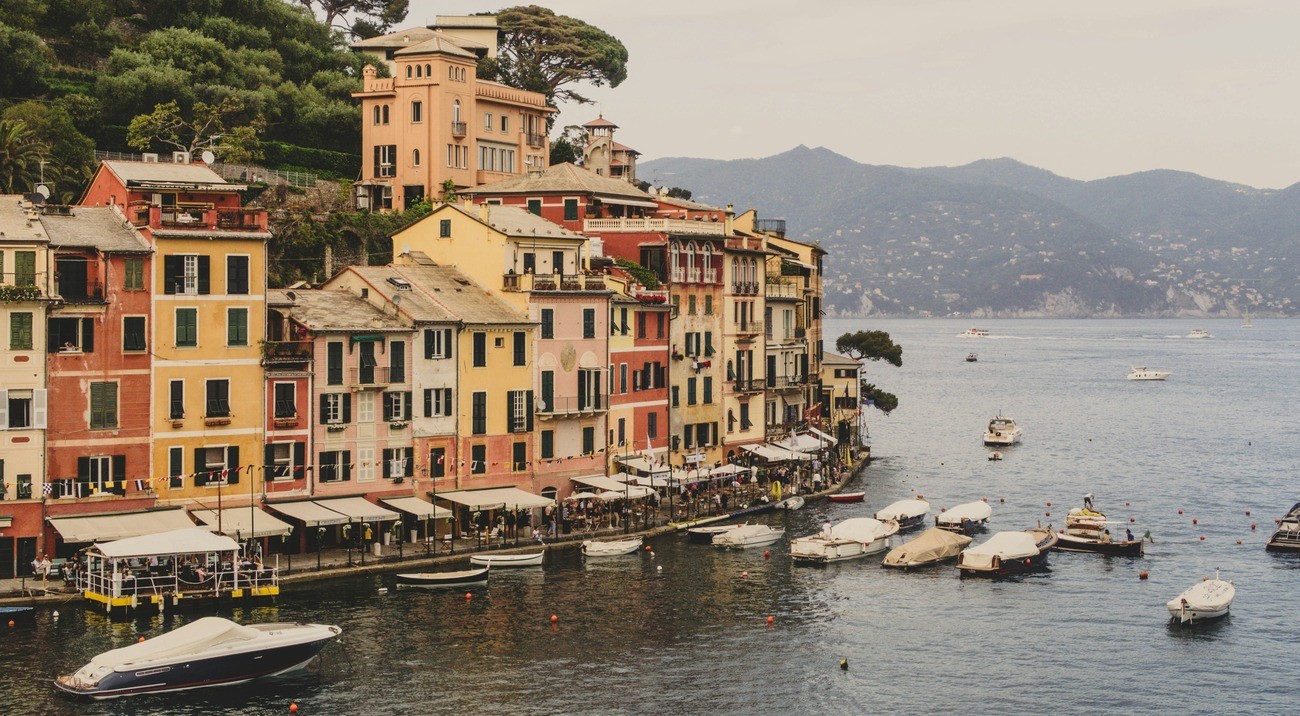


Thinking about relocating to Italy in 2026? This complete guide covers everything you need to know about renting or buying a home, understanding housing costs, and choosing where to live. Whether you’re moving for work, study, or a slower lifestyle, Italy combines rich culture, scenic landscapes, and a warm Mediterranean way of life.
Life in Italy in 2026: Culture, Comfort, and La Dolce Vita
Italy continues to be one of Europe’s most desired destinations for expats. Its art, cuisine, architecture, and lifestyle make it a country where tradition and modern life blend seamlessly.
In 2026, Italy will remain attractive to digital nomads, professionals, and retirees thanks to its lower cost of living compared to many Western European countries, its welcoming communities, and growing remote-work infrastructure. From the elegance of Milan to the calm of Tuscany and the beaches of Sicily, Italy offers diverse lifestyles and endless charm.
Should You Rent or Buy in Italy
Most newcomers begin by renting, especially in major cities and tourist regions. Renting offers flexibility while you explore different areas and understand the property market.
Buying property is straightforward and possible for both EU and non-EU citizens:
Foreigners can buy property freely, though legal assistance is recommended.
The purchase process is secure, with transparent contracts and notary supervision.
Italy’s real estate market is stable, offering opportunities for long-term investment and residency programs like the “Elective Residence Visa.”
Renting is ideal for the first year; buying becomes attractive for long-term settlers or those planning a second home.
Types of Accommodation in Italy
Apartments (Appartamenti)
Common in both cities and towns, apartments vary from historic buildings with high ceilings to new, energy-efficient complexes. Suitable for professionals, couples, and families.
Houses (Case / Villette)
Detached or semi-detached houses, often in suburbs or rural areas, provide more privacy and garden space. Ideal for families and retirees.
Villas
Larger, often luxurious properties found in countryside or coastal regions. Villas are popular with expats seeking tranquility and views.
Shared Apartments (Stanze in Condivisione)
Shared flats are common among students and young professionals. Renters pay for a private room and share kitchen and living areas.
Serviced Apartments
Fully furnished with maintenance, cleaning, and utilities included. Best for short-term professionals or corporate relocations.
Average Rent in Italy
Rental prices vary widely by region. Northern cities and tourist areas are more expensive than rural or southern towns.
Type of Accommodation | Milan | Rome | Florence / Bologna | Southern Cities (Naples, Bari, Palermo) |
Studio / 1-Bedroom Apartment | €1,000–€1,800 | €900–€1,600 | €800–€1,400 | €500–€900 |
3-Bedroom Apartment | €1,800–€3,200 | €1,500–€2,800 | €1,200–€2,000 | €800–€1,400 |
Room in Shared Flat | €400–€700 | €350–€600 | €300–€550 | €250–€450 |
Utilities (electricity, gas, water, internet) typically add €150–€250 per month. Heating costs rise in winter, especially in northern regions.
Cost of Living in Italy
Italy’s cost of living varies by region. Northern cities are pricier, while southern towns and villages remain affordable.
Category | Average Monthly Cost | Notes |
Rent (1-bedroom in city center) | €1,200 | Higher in Milan and Rome |
Utilities (electricity, gas, internet) | €200–€250 | Seasonal variation for heating |
Food and groceries | €300–€450 | Fresh markets help reduce costs |
Public transport | €35–€60 | City passes available |
Health insurance | €50–€150 | Public and private options |
Total estimated cost | €1,800–€2,200 | Single person in a city |
Best Cities to Live in Italy in 2026
Milan
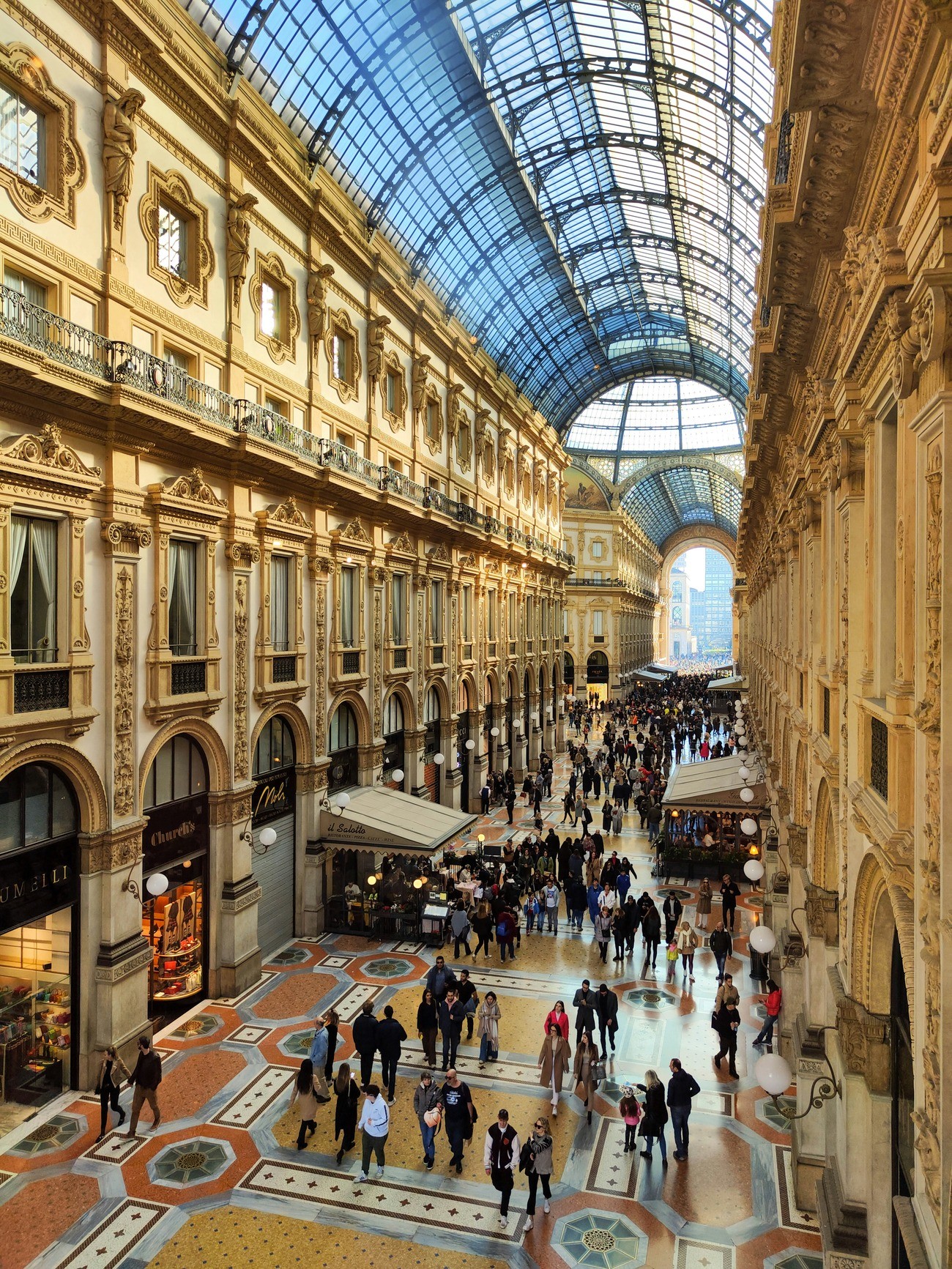
Italy’s financial and fashion capital, Milan offers a cosmopolitan lifestyle, job opportunities, and excellent transport.
Why move here: strong economy, global companies, design culture.
Neighborhoods: Brera, Porta Romana, Navigli, Isola.
Rome
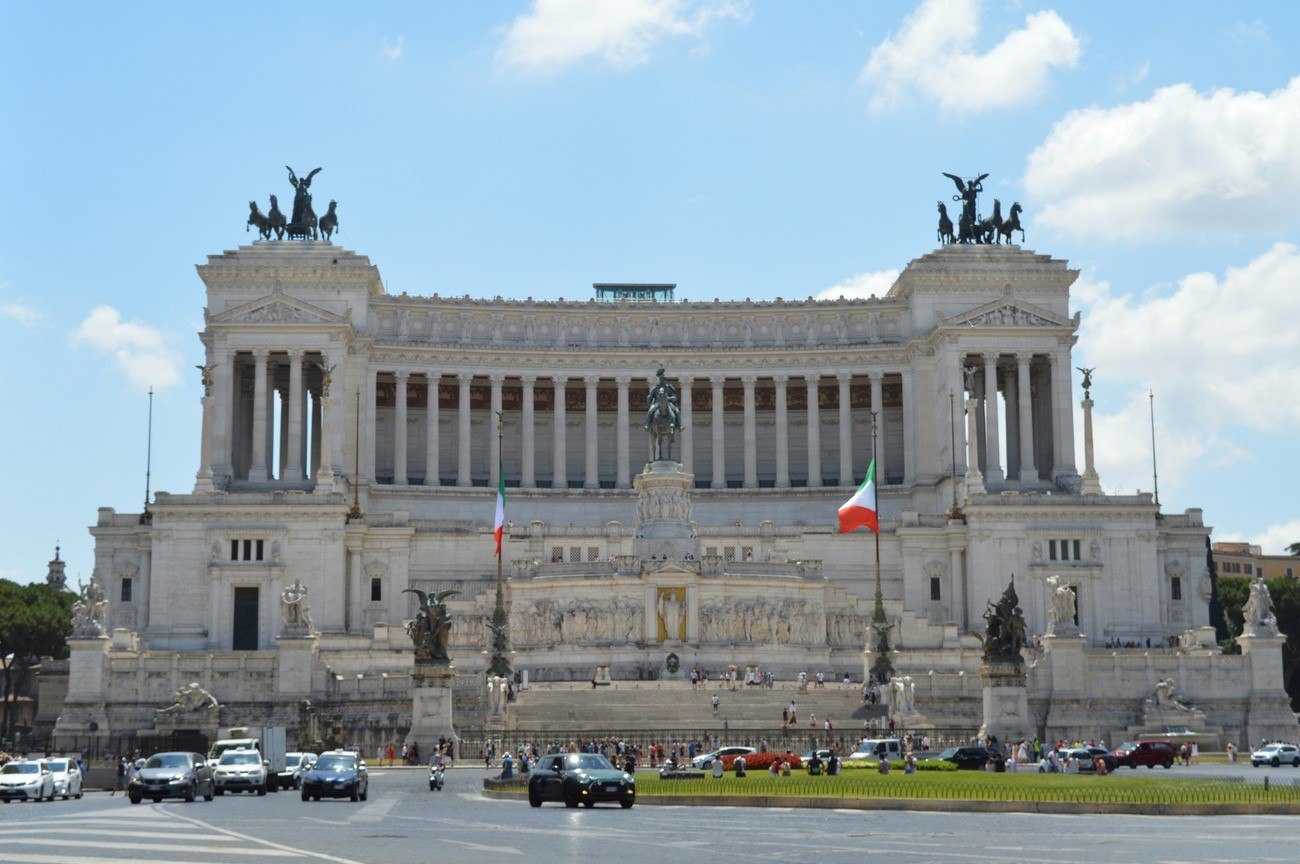
The capital blends ancient history with modern life. Rome’s cultural richness and Mediterranean atmosphere attract expats worldwide.
Why move here: history, art, diverse food scene.
Neighborhoods: Trastevere, Monti, Prati, Testaccio.
Florence
Known for Renaissance art and charming streets, Florence is ideal for creatives and those seeking manageable city living.
Why move here: compact, cultural, beautiful.
Neighborhoods: Santo Spirito, San Lorenzo, Campo di Marte.
Bologna
A university city with a strong economy and rich cuisine.
Why move here: youthful energy, affordable housing, excellent transport links.
Naples
Southern Italy’s largest city, vibrant and affordable, with easy access to the Amalfi Coast.
Why move here: dynamic culture, great food, lower rent.
Turin and Verona
Smaller northern cities offer elegance, order, and high living standards.
How to Find a Home in Italy
Use trusted websites like Immobiliare.it, Idealista.it, and Casa.it.
Consider real estate agents (Agenzie Immobiliari) for local expertise and translation help.
Rental deposits are usually two or three months’ rent.
Leases typically run for four years, renewable (“4+4 contracts”), though shorter terms are possible.
Ensure your contract (contratto di locazione) is registered with the Italian Revenue Agency.
If buying, hire a notary (notaio) to manage legal formalities.
Tips for Renting in Italy
Most apartments are unfurnished or semi-furnished; confirm details before signing.
Ask whether building fees (spese condominiali) are included in rent.
Learn basic Italian housing terms: cauzione (deposit), utenze (utilities), arredato (furnished).
Public transport makes living slightly outside the center cost-effective.
Keep documentation ready: ID, proof of income, and residence permit if applicable.
Buying Property in Italy
Buying real estate is straightforward and can offer long-term benefits.
Average price per square meter in 2026:
Milan: €5,500–€7,500
Rome: €4,000–€6,000
Florence / Bologna: €3,500–€5,000
Southern Italy: €1,500–€3,000
Additional costs: notary and legal fees (2–4%), registration taxes (9% for second homes, 2% for primary residences). Mortgages are available to foreigners with proof of income and residency.
Life in Italy: Lifestyle, Warmth, and Balance
Italy’s lifestyle revolves around community, food, and family. The pace is slower, encouraging balance and appreciation of everyday pleasures. Public transport is efficient in cities, and healthcare is accessible and high-quality.
English is increasingly common in larger cities, though learning Italian helps with integration and daily life. From morning espresso to evening aperitivo, the rhythm of Italian life feels relaxed yet fulfilling.
Cultural Tips for Living in Italy
Punctuality is flexible for social settings, but business meetings start on time.
Greet with a handshake or two kisses among friends.
Lunch is the main meal, often lasting an hour or more.
Dress neatly; appearance is culturally important.
Respect local traditions, especially during religious or regional festivals.
Sunday is a rest day, with many shops closed.
Final Thoughts
Finding your new home in Italy in 2026 is an opportunity to experience one of the world’s most inspiring cultures. From bustling cities to quiet villages, Italy offers a life rich in beauty, connection, and balance.
Whether you choose a modern apartment in Milan, a stone house in Tuscany, or a seaside villa in Sicily, Italy promises a blend of heritage, warmth, and everyday joy that makes it easy to call home.

The how
>
.000
Cases yearly
+
Active countries
.
/5
Excellent rating
+
Companies use us
OTHER SERVICES