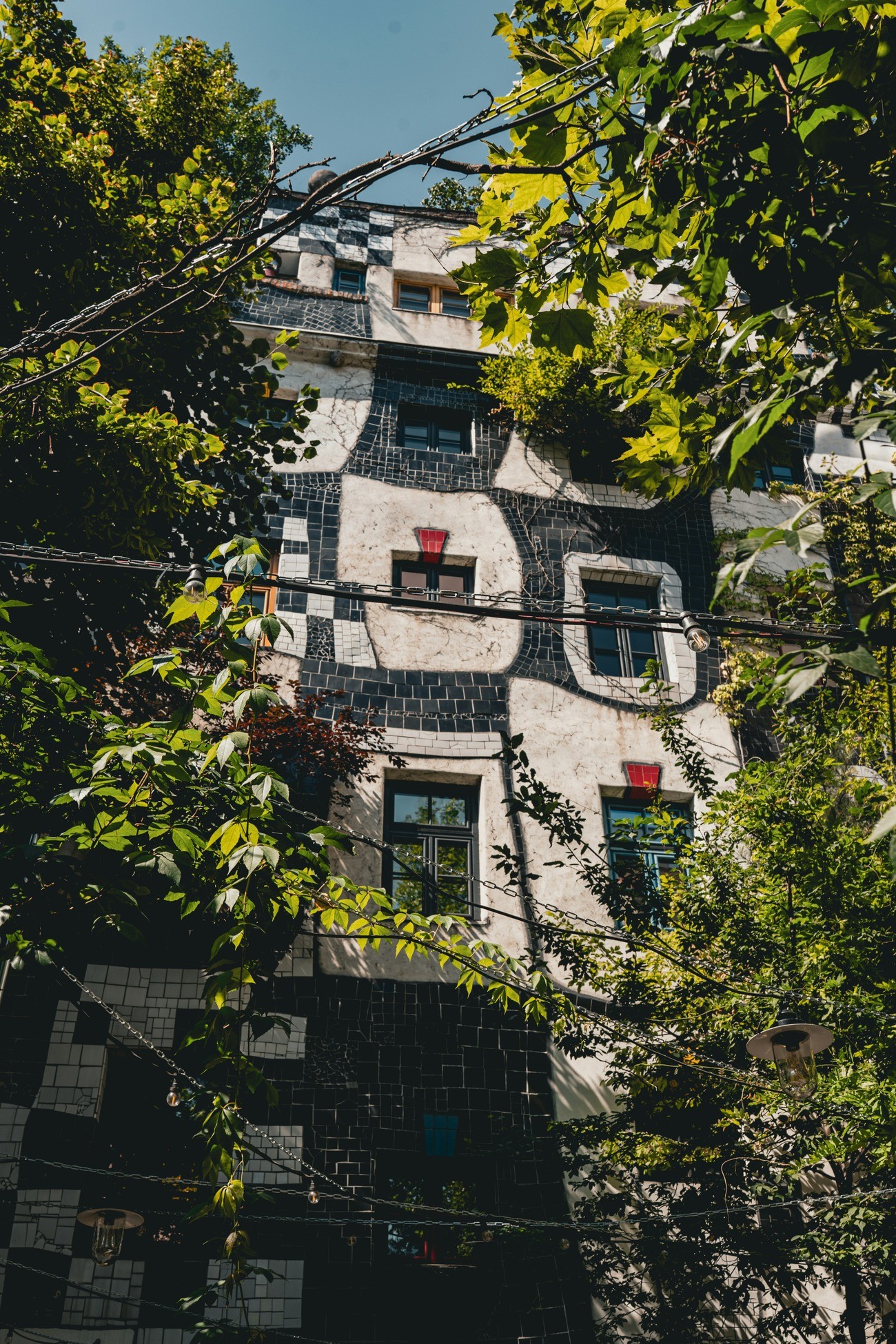


Moving to Austria in 2026 offers the perfect balance of opportunity, culture, and quality of life. Whether you’re relocating for work, studies, or a lifestyle change, Austria continues to rank among the world’s most livable countries, thanks to its safety, healthcare, education, and stunning natural surroundings.
From Vienna’s elegant boulevards to Graz’s creative energy and Innsbruck’s alpine serenity, Austria provides a wide range of living options for expats, families, and students alike.
Here’s your complete guide to finding a home in Austria in 2026.
Should You Buy or Rent in Austria
Most newcomers begin by renting, as it offers flexibility and lower upfront costs. Renting also allows you to explore different regions and housing styles before committing long-term.
Buying property in Austria is straightforward for EU citizens, but non-EU nationals may need regional approval before purchasing. Property prices are expected to remain stable through 2026, with moderate growth in major cities like Vienna and Salzburg.
Types of Accommodation in Austria
Austria’s housing market offers a broad selection of properties, from historic apartments to modern eco-friendly homes.
Apartments (Wohnungen)
Apartments are the most common housing type, especially in cities. Many are located in well-maintained historic buildings or modern complexes with elevators, courtyards, and energy-efficient heating systems.
Ideal for professionals, couples, and students seeking convenience and city life.
Shared Flats (Wohngemeinschaften or WGs)
Shared flats remain a popular and affordable choice among students and young professionals. You rent your own room and share communal spaces like the kitchen and bathroom.
Ideal for those looking to save money and meet new people.
Houses (Häuser)
Houses are more common outside the city centers. They often feature gardens, garages, and terraces, perfect for families or remote workers who prefer more space.
Ideal for families, retirees, or long-term expats.
Student Housing (Studentenheime)
Student residences are available in university cities such as Vienna, Graz, Salzburg, and Linz. They typically include furnished rooms, shared kitchens, and study areas.
Ideal for students and exchange program participants.
Average Rent Costs in Austria (March 2026)
Rental costs vary depending on city, neighborhood, and property type. Here’s an overview of average monthly prices:
Type of Accommodation | Vienna (Capital) | Medium Cities (Graz, Linz, Salzburg) | Smaller Towns / Rural Areas |
Studio / 1-Bedroom Apartment | €850–€1,500 | €650–€1,100 | €500–€850 |
3-Bedroom Apartment | €1,600–€2,700 | €1,100–€1,900 | €750–€1,300 |
Room in Shared Flat | €450–€750 | €350–€600 | €250–€450 |
Note: Utilities such as electricity, heating, water, and internet typically add €150–€250 per month.
Popular Places to Live in Austria
Vienna
Austria’s capital is consistently rated one of the most livable cities in the world. With its efficient public transport, cultural landmarks, international schools, and thriving job market, Vienna is ideal for professionals, families, and students.
Graz
A creative hub and UNESCO City of Design, Graz offers a relaxed atmosphere, affordable rents, and a strong student community. It’s a growing center for innovation and tech startups.
Salzburg
Famous for its baroque architecture and alpine views, Salzburg blends tradition with elegance. It’s popular among professionals and families seeking a smaller, refined city.
Innsbruck
Located in the heart of the Alps, Innsbruck is perfect for outdoor lovers. It combines university life, sports culture, and scenic beauty in one compact city.
Linz and Klagenfurt
Mid-sized, well-connected, and affordable, these cities are ideal for those who want urban comfort without the high costs of Vienna.
Tips for Renting in Austria
Start your search early: The housing market can be competitive, especially in Vienna and university towns.
Use trusted websites: Try Willhaben.at, ImmobilienScout24.at, or DerStandard.at.
Expect a deposit: Usually two to three months’ rent, refundable at the end of your lease.
Understand the terminology:
Kaltmiete = rent without utilities
Warmmiete = rent including heating and service charges
Check what’s included: Kitchens, lighting, and appliances are sometimes excluded in Austrian rentals.
Register your address: After moving in, register your residence (Meldezettel) at the local municipal office within three days.
Buying Property in Austria
For EU citizens, buying real estate is straightforward. Non-EU citizens can purchase property but may require permission from provincial authorities (Grundverkehrsbehörde).
Average property prices in 2026:
Vienna: €6,500–€9,500 per m²
Graz / Salzburg: €4,000–€6,000 per m²
Smaller towns: €2,500–€4,000 per m²
Expect an additional 8–10% in fees for taxes, notary costs, and registration.
Life in Austria: Comfort, Safety, and Nature
Austria offers a well-balanced lifestyle, clean cities, efficient public services, and easy access to nature. Public transport networks are reliable, healthcare is excellent, and education is among the best in Europe.
Outdoor enthusiasts will love Austria’s hiking, skiing, and cycling opportunities. Meanwhile, those drawn to culture will find a rich calendar of concerts, operas, and art exhibitions throughout the year.
Final Thoughts
Finding your new home in Austria in 2026 is the beginning of an enriching new chapter. With its stable economy, high living standards, and stunning landscapes, Austria is one of the most desirable places in Europe to settle.
Whether you choose a stylish apartment in Vienna, a cozy flat in Graz, or a peaceful home near the mountains, you’ll be welcomed by a country that values both tradition and modern living.
Take your time to explore, compare, and experience soon, Austria will feel like home.

The how
>
.000
Cases yearly
+
Active countries
.
/5
Excellent rating
+
Companies use us
OTHER SERVICES