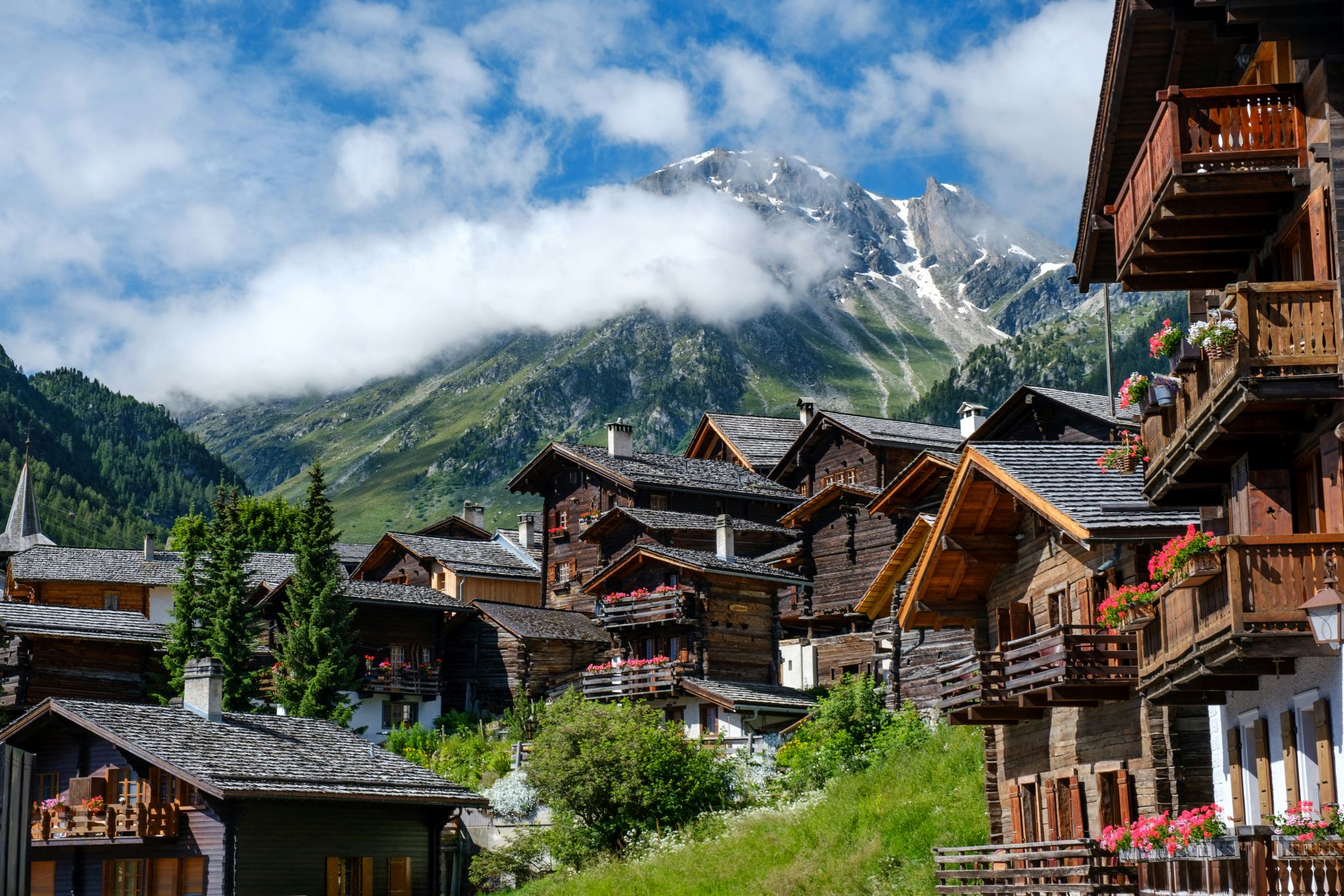


Switzerland is often ranked among the best countries in the world for quality of life, known for its breathtaking landscapes, strong economy, and exceptional infrastructure. But that quality comes at a price. Whether you’re an expat moving to Zurich, a family settling in Geneva, or a professional relocating to Basel, understanding the cost of living is essential to managing your finances effectively.
This guide breaks down the typical living expenses in Switzerland for 2026 and offers practical tips for budgeting in one of the world’s most prosperous nations.
Average Costs of Living in Switzerland (Excluding Rent)
In 2026, the average cost of living in Switzerland (excluding rent) is approximately CHF 1,500–2,000 per month for a single person and around CHF 5,000–6,500 per month for a family of four.
These estimates include groceries, utilities, insurance, public transport, and leisure activities. Zurich, Geneva, and Basel remain the most expensive cities, while areas like Bern, Lausanne, and Lucerne are moderately priced in comparison.
Groceries & Daily Living
Groceries in Switzerland are high-quality but among the most expensive in Europe. Shopping smartly and choosing local products can make a big difference to your monthly food bill.
Average monthly grocery spending: CHF 500–800 per person.
Typical prices for everyday items:
Bread (500 g): CHF 3.00–3.50
1 L of milk: CHF 1.60–1.90
A dozen eggs: CHF 6.00–7.00
1 kg of rice: CHF 3.00–4.00
1 kg of chicken breast: CHF 25–30
1 kg of cheese: CHF 25–35
Apples (1 kg): CHF 4.00–5.00
Potatoes (1 kg): CHF 3.50–4.00
Bottle of mid-range wine: CHF 15–20
Utilities & Communication
Utilities in Switzerland are reliable and modern but reflect the high standard of living. Heating and electricity costs can rise significantly during the winter, especially in older apartments.
Average monthly utility costs for a medium apartment: CHF 250–400
This includes:
Electricity and heating: CHF 150–250
Water and garbage collection: CHF 50–80
Internet (high-speed broadband): CHF 50–70
Mobile phone plan: CHF 30–60
Tip:
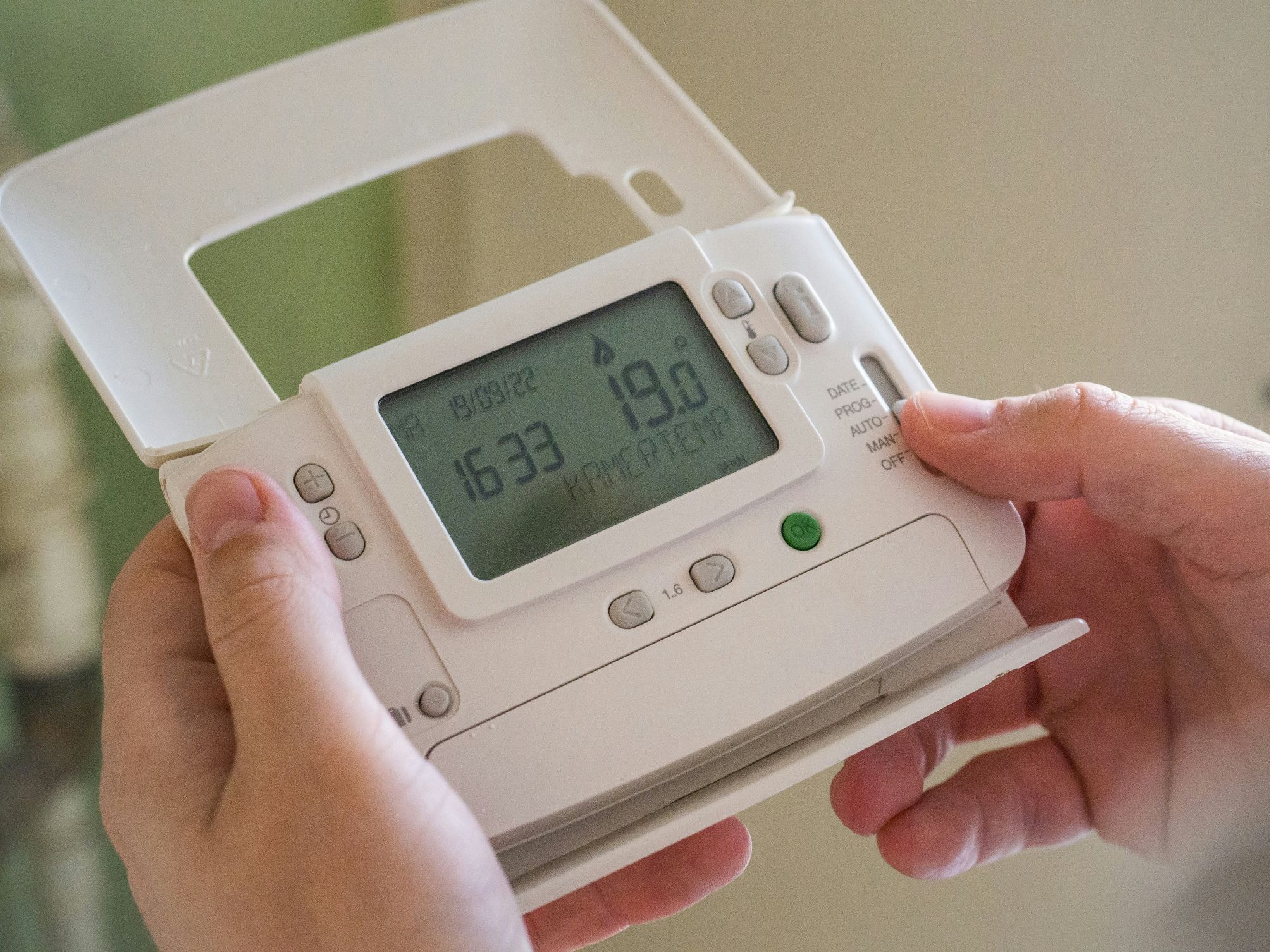
Energy-efficient apartments and smart thermostats can help reduce your monthly bills. Always check whether heating (Heizung) is included in your rent, as this varies by lease.
Insurance & Healthcare
Switzerland’s healthcare system is private but mandatory. All residents must have health insurance (Krankenversicherung) with an approved provider, and premiums can vary widely depending on coverage and canton.
Average health insurance costs (2026 estimates):
Adults: CHF 300–600 per month
Children: CHF 100–200 per month
Other insurance costs:
Car insurance: CHF 800–1,500 per year
Home insurance: CHF 300–700 per year
Personal liability insurance: CHF 100–200 per year
Tip:
Shop around for health insurance each year. Comparing providers can save hundreds of francs annually without sacrificing quality coverage.
Transportation
Switzerland’s public transport system is world-class, clean, and punctual. Owning a car is convenient in rural areas but unnecessary in most cities.
Typical transport costs:
One-way public transport ticket: CHF 3–5
Monthly transport pass: CHF 80–150 (depending on region)
Annual Swiss Travel Pass: around CHF 3,000 for unlimited nationwide access
Petrol: around CHF 1.90–2.10 per litre
Tip:
Invest in a Half-Fare Card (CHF 185 per year) for 50% discounts on trains, buses, and ferries, it’s a must for regular commuters or frequent travelers.
Dining & Entertainment
Dining out in Switzerland is expensive but offers excellent quality and service. Most locals balance restaurant visits with home cooking and outdoor leisure.
Average dining and entertainment costs:
Meal at a casual restaurant: CHF 25–30
Three-course dinner for two (mid-range): CHF 100–150
Coffee or cappuccino: CHF 5–6
Beer (0.5 L draft): CHF 8–9
Cinema ticket: CHF 20–25
Gym membership: CHF 60–100 per month
Tip:
Opt for set lunch menus (Mittagsmenü) during weekdays, they’re often 30–40 % cheaper than dinner prices. Outdoor activities like hiking, cycling, or skiing offer low-cost ways to enjoy Switzerland’s stunning landscapes.
Rent Costs in Switzerland
Housing is one of the largest expenses in Switzerland, especially in major cities. Rent prices vary dramatically depending on location, apartment size, and amenities.
Average rent prices (2026 estimates):
1-bedroom apartment in city center: CHF 2,000–2,800
1-bedroom apartment outside city center: CHF 1,500–2,000
3-bedroom apartment in city center: CHF 3,500–5,000
3-bedroom apartment outside city center: CHF 2,500–3,500
Tip: To save on housing, consider suburban areas with easy train access Swiss public transport is so efficient that many commuters live outside central cities. Expect to pay one to three months’ rent as a security deposit.
Essential Tips for Expense Management in Switzerland
Use public transport passes: They are far cheaper than driving and parking in cities.
Choose your canton wisely: Zurich and Geneva are the most expensive; cantons like Fribourg, Neuchâtel, or Appenzell offer lower costs.
Cook at home: Dining out is pricey, cooking with local ingredients saves hundreds of francs each month.
Compare insurance providers: Premiums vary by region; don’t overpay for similar coverage.
Limit energy use: Turn off lights and heating when not needed, energy prices are high year-round.
Buy second-hand: Switzerland has excellent resale and recycling networks for furniture, electronics, and clothes.
Budget for recreation: While Switzerland is costly, many of its best experiences are completely free.
Conclusion
Living in Switzerland in 2026 offers an unmatched standard of living, safety, and natural beauty, but it comes with some of Europe’s highest costs.
A single person excluding rent should budget around CHF 1,500–2,000 per month, while a family of four should plan for CHF 5,000–6,500.
With careful financial planning, smart shopping, and efficient use of public services, you can enjoy the very best of Swiss life without overspending.

The how
>
.000
Cases yearly
+
Active countries
.
/5
Excellent rating
+
Companies use us
OTHER SERVICES