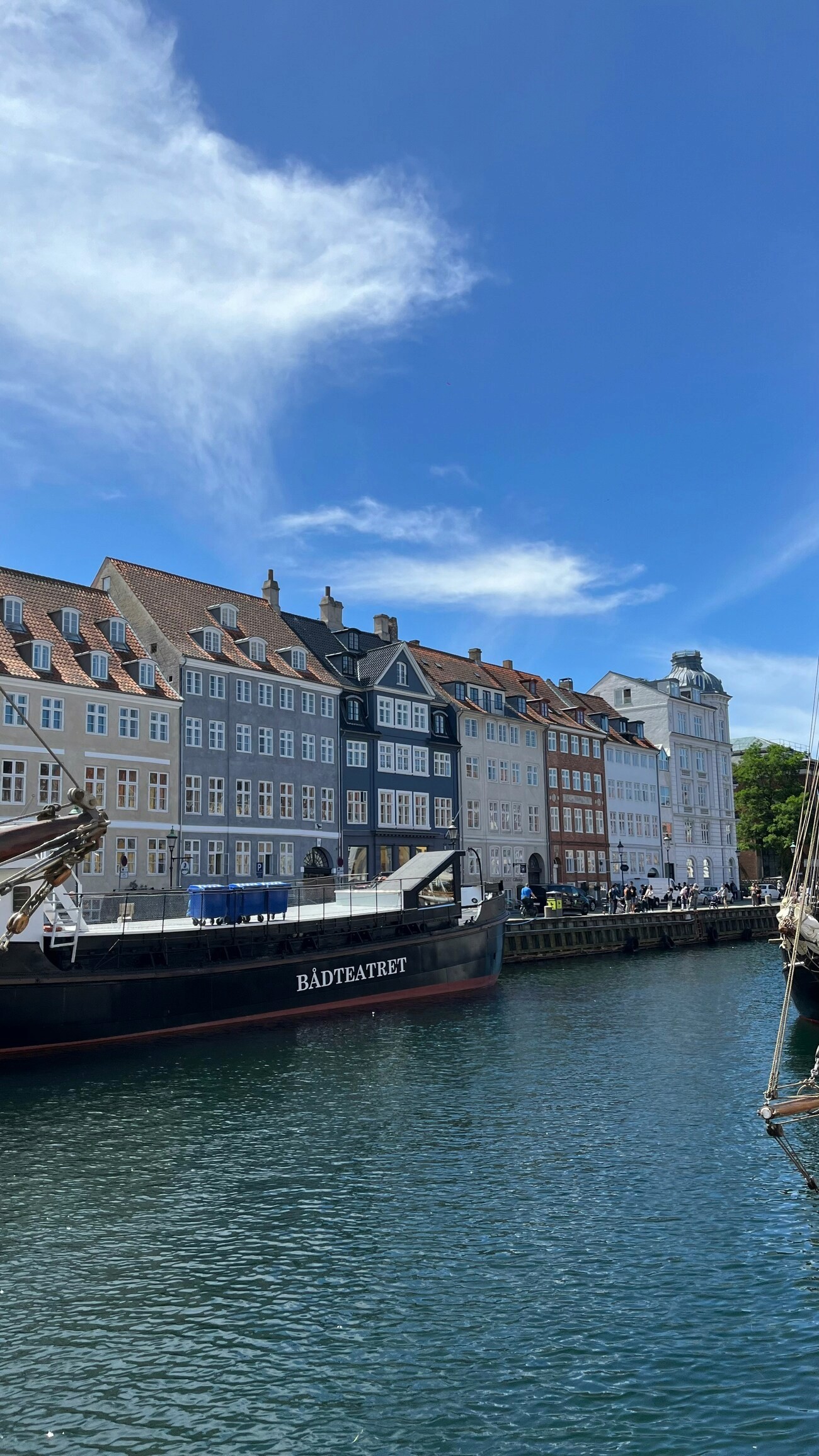


Planning a trip to Denmark? Whether you’re exploring Copenhagen’s colorful Nyhavn harbor, cycling through Aarhus, or relaxing on the Danish coastline, one thing is certain, understanding how money works here will make your stay smooth and stress-free.
Denmark is known for efficiency, modern design, and a near-cashless economy. Still, knowing when and how to use the Danish Krone will help you avoid unnecessary fees and make smart financial choices during your trip.
Understanding the Danish Krone (DKK / kr)
Denmark’s official currency is the Danish Krone (DKK), symbolized as kr.
One Krone is divided into 100 øre, though øre coins are no longer in common circulation.
While Denmark is a member of the European Union, it does not use the Euro, the country voted to keep its own currency. The Krone is pegged closely to the Euro through the European Exchange Rate Mechanism (ERM II), which helps keep exchange rates relatively stable.
Krone Denominations
The Danish Krone is available in both banknotes and coins:
Banknotes: 50 kr, 100 kr, 200 kr, 500 kr, 1,000 kr
Coins: 1 kr, 2 kr, 5 kr, 10 kr, 20 kr
Tip: Coins are often used for small purchases like coffee, bus tickets, or public restrooms. Keep a few on hand, though most people pay digitally.
Exchange Rates for Common Currencies (2026 Snapshot)
Exchange rates fluctuate slightly, but here’s an approximate guide for 2026:
1 USD (US Dollar): ~6.8 DKK
1 EUR (Euro): ~7.45 DKK
1 GBP (British Pound): ~8.60 DKK
1 AUD (Australian Dollar): ~4.40 DKK
1 CAD (Canadian Dollar): ~5.00 DKK
1 CHF (Swiss Franc): ~7.65 DKK
100 INR (Indian Rupee): ~8.15 DKK
100 JPY (Japanese Yen): ~4.70 DKK
Always check the current rate via trusted sources like Wise, Xe.com, or Nationalbanken.dk before exchanging money.
Should You Carry Cash in Denmark?
In Denmark, cash is optional.
It’s one of the world’s most cashless societies, where cards and mobile payments dominate. Many shops, cafés, and even small street vendors prefer or only accept digital payments.
Still, having a bit of cash can be useful for:
Small purchases in rural areas: Some small shops or food stands in countryside regions may still prefer cash.
Public restrooms or parking: Certain facilities require coins.
Backup option: If your card or phone fails temporarily.
Safety tip: Denmark is very safe, so carrying a small amount of cash (around 200–400 DKK) is fine, but you’ll rarely need more.
Where to Exchange Currency in Denmark
1. Banks
Banks like Danske Bank, Nordea, Jyske Bank, and Nykredit offer currency exchange services.
Rates are fair, but banks often charge a service fee.
Bring your passport or ID, it’s required for foreign exchange transactions.
Bank hours are typically short (around 10 a.m.–4 p.m.), and many branches no longer handle cash, so check in advance.
2. Currency Exchange Offices
Dedicated exchange offices are available in major cities and airports.
Companies like Forex Bank and X-change are common and reliable.
However, airport counters usually have poorer rates, so it’s better to exchange just enough for transportation and small expenses upon arrival.
3. ATMs (Hæveautomater)
ATMs are widespread and safe to use. They usually offer the best exchange rates when withdrawing DKK directly from your home account.
Avoid Dynamic Currency Conversion (DCC): When prompted, always choose to be charged in DKK, not your home currency — this avoids hidden fees.
4. Digital & Multi-Currency Cards
Apps like Wise, Revolut, and Monzo are popular among travelers and offer low-cost international payments. You can load Danish Krone directly and pay using contactless or mobile methods.
5. Avoid Airport & Hotel Exchanges
Airport kiosks and hotels tend to offer less favorable rates and higher commissions. Use them only for small emergency amounts.
Tips for Currency Exchange in Denmark
Go cashless: Use cards or mobile payments whenever possible, it’s the norm in Denmark.
Compare rates: If you must exchange, compare multiple providers before committing.
Use major bank ATMs: They’re safe and usually cheaper than airport exchange offices.
Use mobile payment apps: MobilePay (by Danske Bank) is widely used in Denmark, though it typically requires a local bank account.
Avoid hidden conversion fees: Always select DKK when paying or withdrawing abroad.
Keep coins handy: For parking meters, vending machines, or older public facilities.
Notify your bank: Let them know you’ll be traveling to prevent your card from being blocked.
Frequently Asked Questions
1. Do I need Danish Krone in Denmark?
Yes, the Danish Krone (DKK) is the only official currency. Euros and other foreign currencies aren’t accepted for everyday purchases.
2. Can I pay in Euros?
Only in a few tourist-heavy areas or border regions, but it’s rare. Always pay in DKK for the best value.
3. Are credit and debit cards accepted everywhere?
Yes, cards are accepted almost universally, even for very small transactions like a coffee or metro ticket.
4. Does Denmark support contactless and mobile payments?
Yes, it’s one of the most digital payment-friendly countries in the world. Contactless, Apple Pay, Google Pay, and local app MobilePay are widely accepted.
5. What’s the best way to avoid high exchange fees?
Use ATMs from major banks, decline DCC, and consider using a Wise or Revolut card.
6. Is tipping common in Denmark?
Tipping is not mandatory. Service charges are included in prices, but rounding up or leaving 5–10% for exceptional service is appreciated.
Final Thoughts
Managing money in Denmark is refreshingly easy, with its modern banking system, stable currency, and almost cashless economy, you’ll rarely need to worry about currency hassles.
Still, it helps to know the basics: where to exchange safely, how to avoid conversion fees, and when cash might come in handy. Whether you’re enjoying smørrebrød in Copenhagen, sailing through Danish fjords, or visiting Viking sites in Roskilde, smart money management ensures your trip goes as smoothly as the Danish design it’s famous for.

The how
>
.000
Cases yearly
+
Active countries
.
/5
Excellent rating
+
Companies use us
OTHER SERVICES