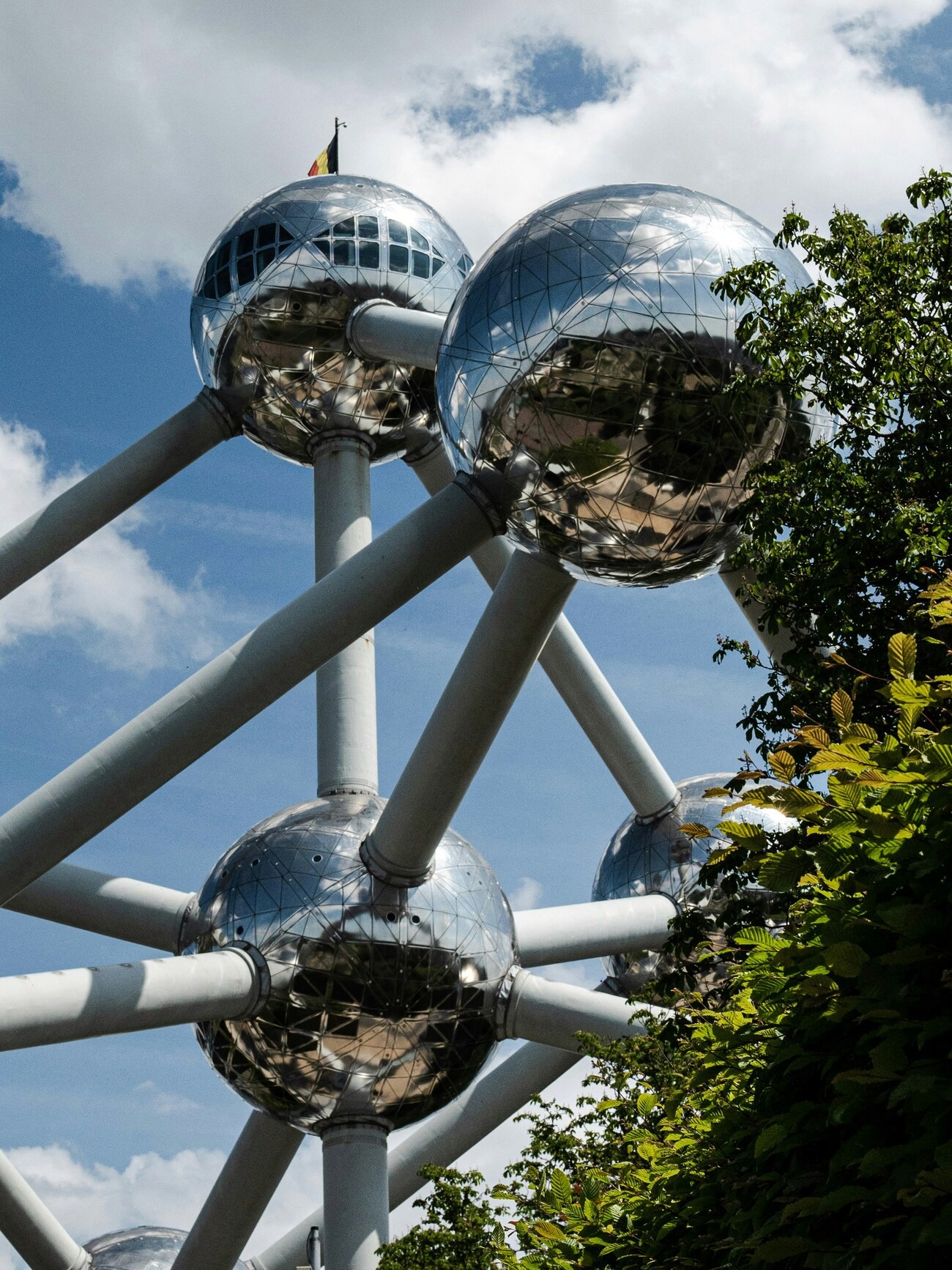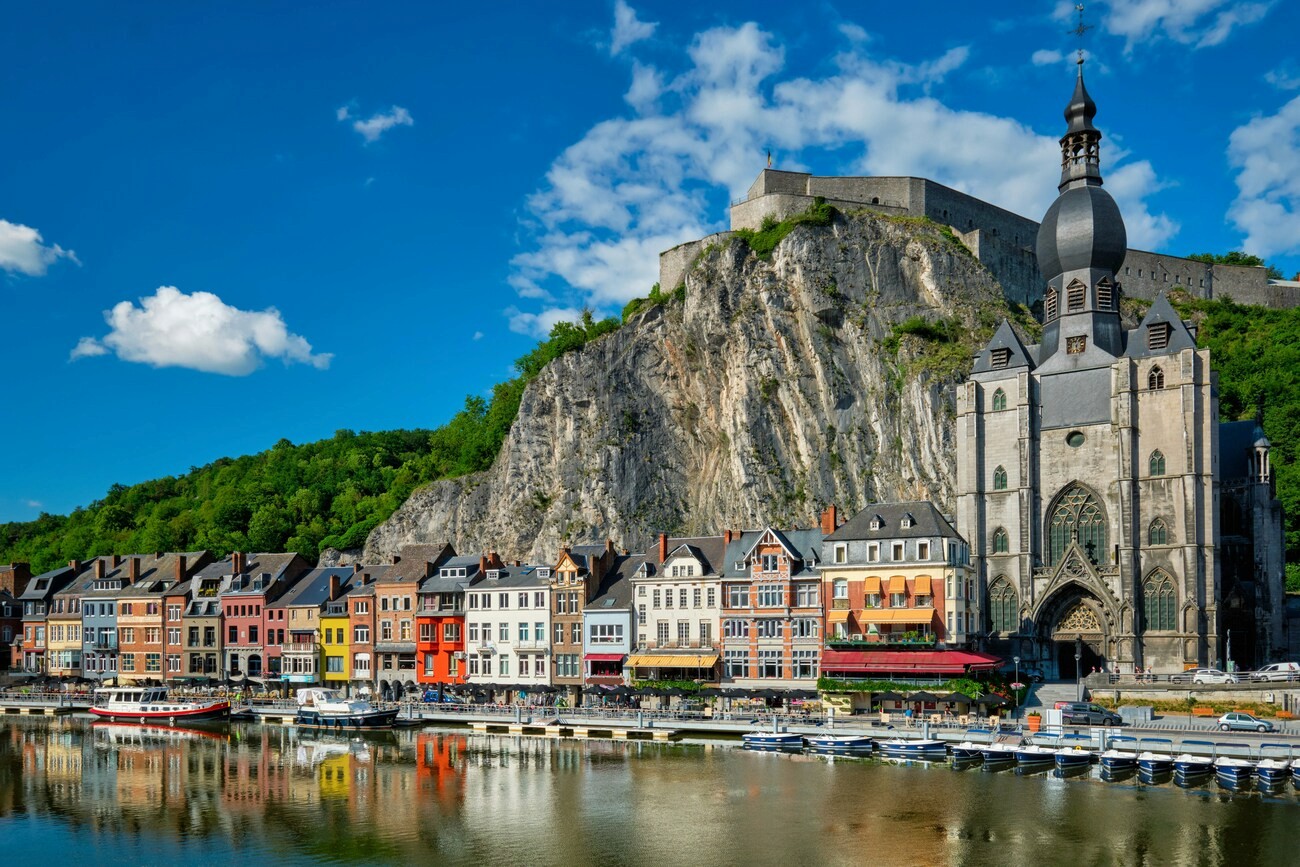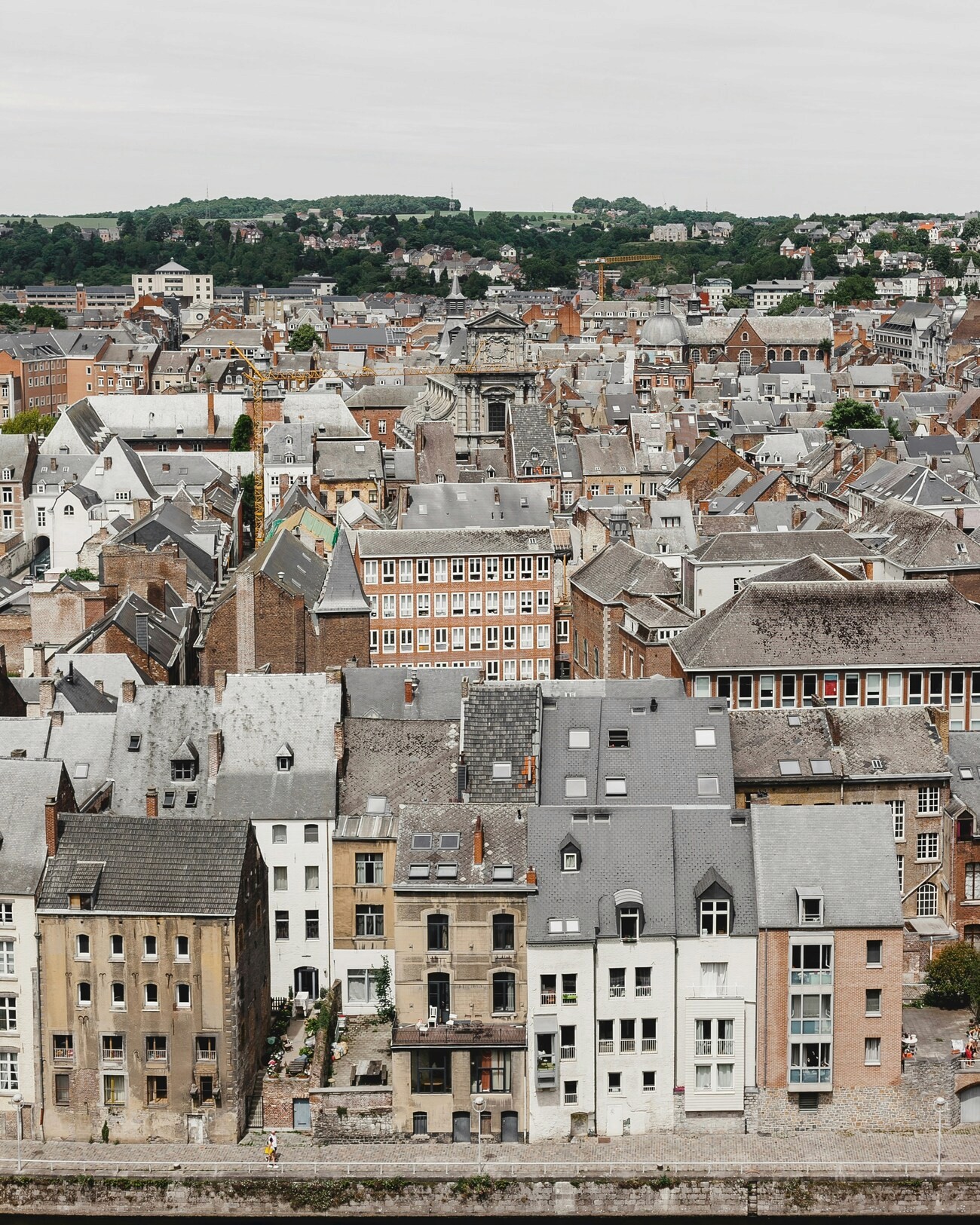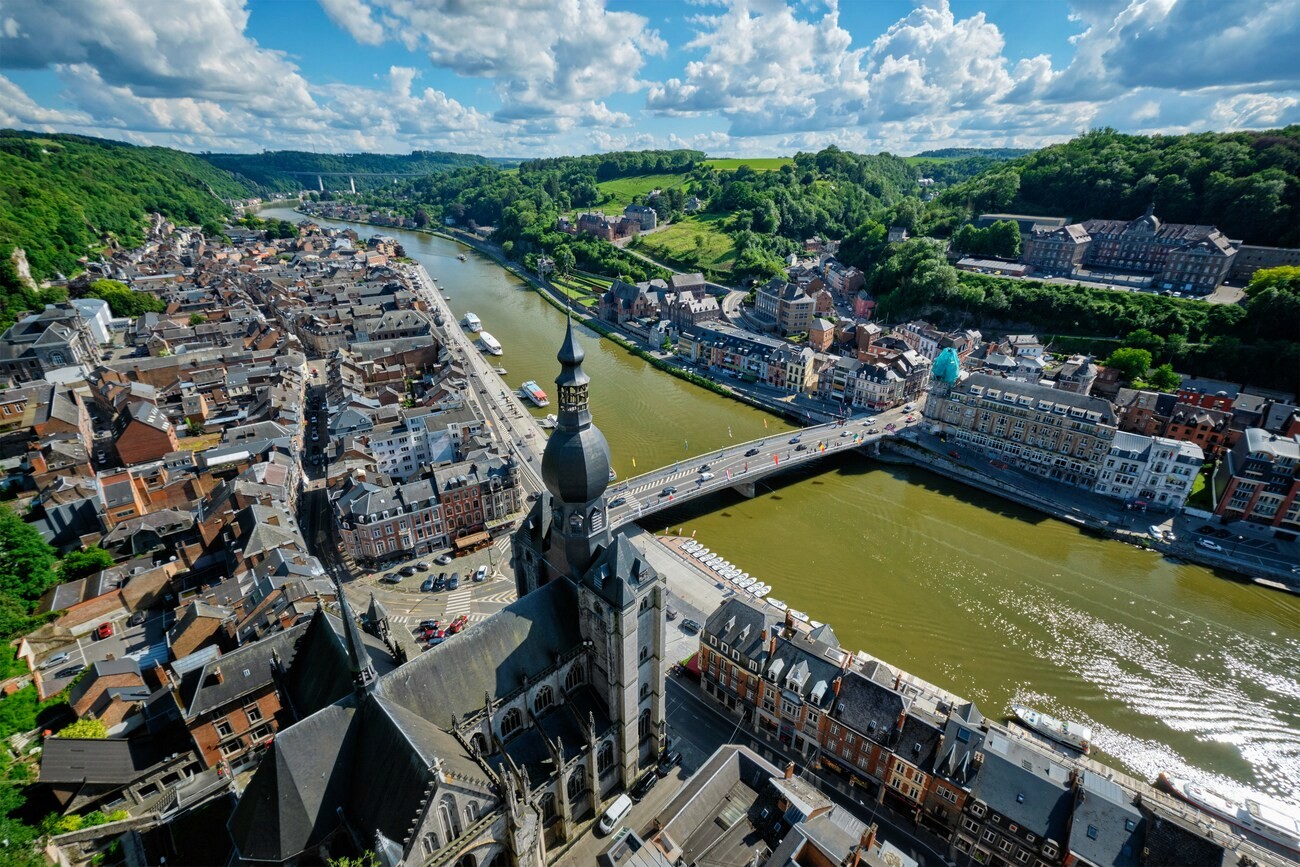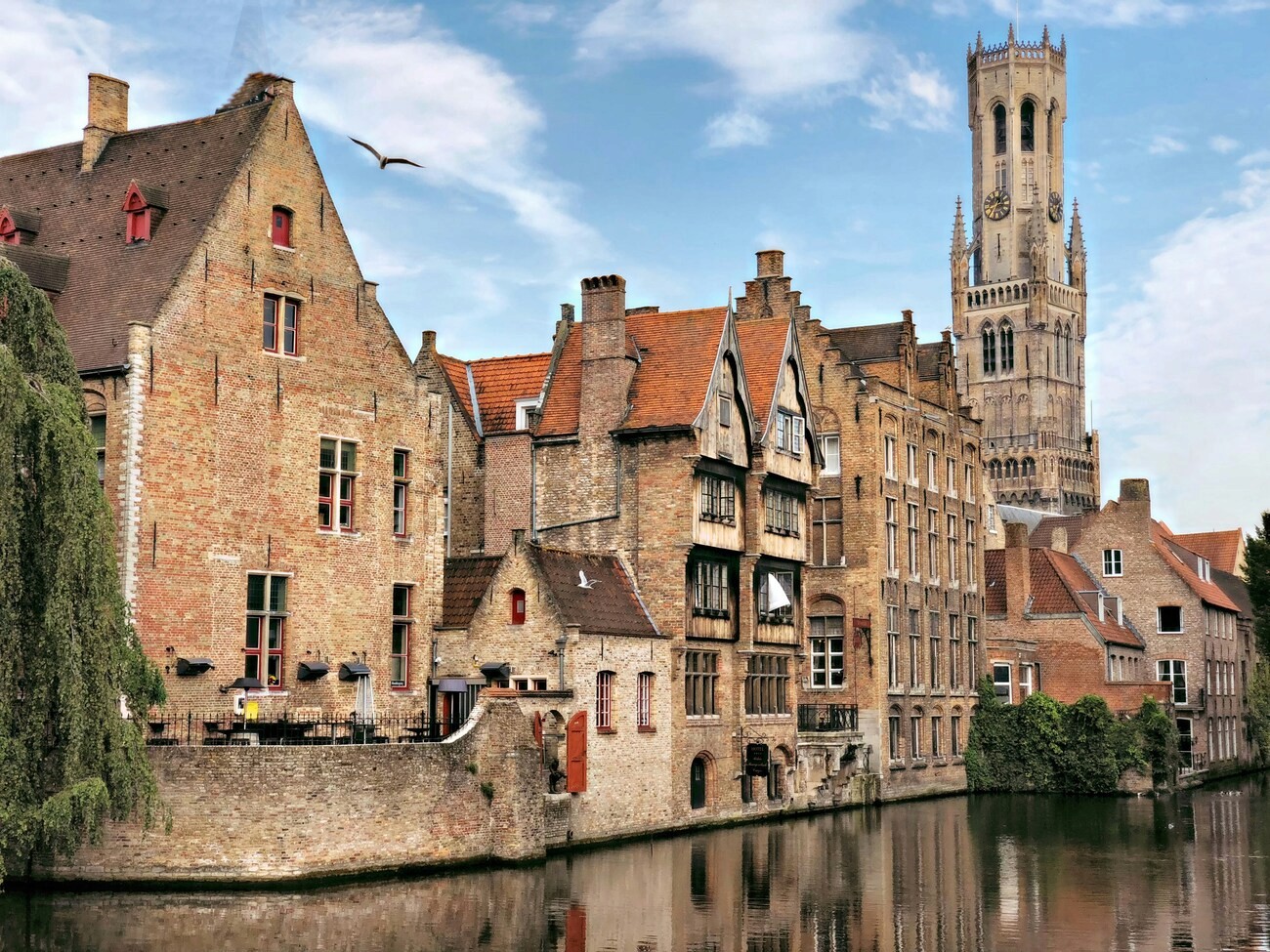


Whether you’re strolling through the medieval streets of Bruges, exploring Brussels’ grand squares, or indulging in waffles and chocolate in Ghent, Belgium offers something for every traveler.
But before you enjoy all that this European gem has to offer, it’s essential to understand how to handle your money wisely. Belgium’s financial system is efficient and modern, but exchange rates, fees, and payment habits can still surprise first-time visitors.
This guide will walk you through everything you need to know about the Euro (€), how to exchange currency safely, and how to avoid unnecessary costs during your stay in Belgium in 2026.
Understanding the Euro (€)
Belgium’s official currency is the Euro (EUR, €), which it shares with 19 other countries across the Eurozone. Introduced in 1999, the Euro replaced the Belgian franc and has since become one of the world’s most widely used and stable currencies. Its adoption makes daily life and travel extremely convenient, allowing you to move freely between neighboring countries such as France, Germany, the Netherlands, and Luxembourg without needing to exchange money.
Euro Denominations
The Euro is divided into both banknotes and coins:
Banknotes: €5, €10, €20, €50, €100, €200, €500
(Larger notes like €200 and €500 are rare in daily use.)
Coins: 1, 2, 5, 10, 20, and 50 cents, plus €1 and €2 coins.
Tip: Keep a few coins handy for public transport, restrooms, or vending machines, they’re still useful for small purchases.
Exchange Rates for Common Currencies (2026 Snapshot)
Exchange rates change daily, but here’s an approximate guide for 2026:
1 USD (US Dollar): ~€0.91
1 GBP (British Pound): ~€1.18
1 AUD (Australian Dollar): ~€0.59
1 CAD (Canadian Dollar): ~€0.66
1 CHF (Swiss Franc): ~€1.04
1 JPY (Japanese Yen): ~€0.0061
100 INR (Indian Rupee): ~€1.09
Tip: Always check real-time rates before exchanging using tools like XE.com, Wise, or your bank’s app.
Should You Carry Cash in Belgium?
Belgium is a highly card-friendly country, and digital payments are widely accepted. Still, it’s wise to carry a small amount of cash for certain situations.
Here’s when cash comes in handy:
Small cafés and local markets: Some smaller businesses prefer cash.
Rural areas or local transport: Some ticket machines and buses may not accept foreign cards.
Tipping: While tipping isn’t mandatory, a few coins or a small bill is always appreciated.
Backup option: It’s good to have cash in case your card malfunctions or a terminal is offline.
Safety tip: Belgium is generally safe, but pickpocketing can occur in crowded areas. Carry only what you need for the day (around €50–€100).
Where to Exchange Currency in Belgium
1. Banks
Banks are one of the safest and most transparent ways to exchange money in Belgium.
Major banks include BNP Paribas Fortis, KBC, Belfius, and ING Belgium.
They offer fair rates, though a small service fee might apply.
Bring your passport or ID when exchanging currency.
Opening hours: Most banks operate Monday–Friday, 9 a.m.–4 p.m.
2. Currency Exchange Offices
Currency exchange offices (bureaux de change / wisselkantoren) can be found in major cities and transport hubs.
Companies like Travelex and Quick Exchange are reliable, but rates vary, so compare before exchanging large sums.
Avoid small tourist kiosks near attractions, which often have inflated rates.
3. ATMs
ATMs (Bancontact or Mister Cash machines) are widespread and offer excellent rates when withdrawing Euros directly.
Stick to ATMs attached to major banks to avoid excessive third-party fees.
Tip: Always choose to be charged in Euros, not your home currency, to avoid “dynamic currency conversion” charges.
4. Online & Prepaid Travel Cards
Digital solutions like Wise, Revolut, or Monzo are ideal for travelers.
They allow you to convert and hold Euros before your trip, offering real exchange rates and low fees.
5. Avoid Airports & Hotels
Airport and hotel exchange counters tend to have the worst rates and high commissions. Only exchange small emergency amounts there.
Tips for Currency Exchange in Belgium
Use cards and digital wallets: Most Belgians pay contactlessly, even for small amounts.
Compare rates before exchanging: Rates vary across banks and exchange bureaus.
Use trusted ATMs: Prefer those operated by major banks.
Avoid dynamic conversion: Always pay in EUR.
Use mobile apps: Apple Pay, Google Pay, and Payconiq by Bancontact are widely used.
Keep small bills: Some stores and machines don’t accept €100+ notes.
Notify your bank: Let them know you’re traveling to avoid blocked card transactions.
Frequently Asked Questions
1. Do I need Euros in Belgium?
Yes. The Euro (€) is the only accepted currency for payments in Belgium.
2. Can I pay in other currencies like USD or GBP?
No, only Euros are accepted in shops and restaurants. You’ll need to convert your money to Euros.
3. Are cards widely accepted?
Yes, Visa, Mastercard, and Maestro cards are accepted almost everywhere, even for small purchases.
4. Does Belgium use contactless and mobile payments?
Absolutely. Contactless payments and apps like Payconiq, Apple Pay, and Google Pay are very popular.
5. What’s the best way to avoid high exchange fees?
Use ATMs from major banks, or consider multi-currency cards like Wise or Revolut. Avoid exchanging at airports or hotels.
6. Is tipping common in Belgium?
Tipping isn’t mandatory because service charges are included, but rounding up the bill or leaving 5–10% is appreciated for excellent service.
Final Thoughts
Handling money in Belgium is simple and stress-free thanks to its stable Euro-based economy and advanced payment systems. With digital payments being the norm and ATMs easily accessible, you’ll rarely run into money issues, as long as you know how to avoid unnecessary fees.
Whether you’re enjoying chocolate in Brussels, touring Bruges’ canals, or admiring Antwerp’s art scene, being smart about your currency exchange means you can focus on what truly matters: experiencing Belgium’s charm, culture, and cuisine without financial worries.

The how
>
.000
Cases yearly
+
Active countries
.
/5
Excellent rating
+
Companies use us
OTHER SERVICES