

Moving to Ireland is an exciting adventure. Rich culture, stunning landscapes, and friendly communities make it one of Europe’s most welcoming destinations for families. But if you’re relocating with children, understanding the Irish school system will help you make informed decisions about their education and integration.
This guide walks you through how schooling in Ireland works and highlights what to expect culturally and academically.
Understanding the Irish School System
Ireland’s education system is internationally respected for its high standards, focus on literacy and critical thinking, and inclusive ethos. It’s managed by the Department of Education and is compulsory for children aged 6 to 16 (or until they complete three years of post-primary education).
Most schools are publicly funded, and education is free at primary and secondary level, with optional private and international choices for families seeking specific curricula.
The Structure of Schooling in Ireland
Early Childhood Education (Preschool / ECCE Programme): Ages 3 to 5
Preschool in Ireland is optional, but nearly all children attend for at least one or two years.The Early Childhood Care and Education (ECCE) scheme provides free preschool places for up to two years before primary school.
Focus is on play-based learning, communication, and early numeracy.
Offered by community, voluntary, or private childcare providers.
Primary Education: Ages 5 to 12
Primary school is the foundation of Irish education and lasts eight years, from Junior Infants to Sixth Class.Children typically start school at age 5 (though starting at 4 or 6 is permitted).
Subjects include English, Irish (Gaeilge), maths, science, social studies, art, physical education, and religion (optional).
Irish is compulsory in most schools except for children who recently arrived from abroad or have special exemptions.
Many schools incorporate the Social, Personal and Health Education (SPHE) program to support emotional well-being and citizenship.
Post-Primary (Secondary) Education: Ages 12 to 18
Post-primary education is divided into three stages:
Junior Cycle (3 years):Students study 8–10 subjects (English, Irish, maths, history, geography, science, and languages).
Ends with the Junior Cycle Profile of Achievement (JCPA), replacing the former Junior Certificate exams.
Transition Year (optional, 1 year):
Unique to Ireland, designed to help students explore life skills, work experience, and personal development before senior cycle.
Strong focus on creativity, teamwork, and community involvement.
Senior Cycle (2 years):
Culminates in the Leaving Certificate, Ireland’s national secondary-school qualification.
Students choose from a mix of academic and vocational subjects.
Alternatives include the Leaving Certificate Applied (LCA) and Vocational Programmes (LCVP), which focus on career and practical skills.
What Comes After Secondary School?
After completing the Leaving Certificate, students can pursue several higher-education options:
Universities: Traditional academic degrees (bachelor’s, master’s, PhD).
Technological Universities & Institutes of Technology: Applied and industry-linked programs.
Further Education Colleges: Shorter or vocational courses.
Ireland’s degrees follow the European Bologna Process, making them widely recognized across the EU and beyond.
School Types: Public, Private, or International?
Ireland offers a wide range of school types, all underpinned by high academic standards but differing in ethos, funding, and language of instruction.
Public (State-Funded) Schools
The majority of Irish children attend public schools, which are free (apart from minor voluntary fees or uniform costs).
Most are “denominational” (usually Catholic or Protestant), though religion classes are optional.
There are also multi-denominational and non-denominational schools run by groups like Educate Together, promoting inclusivity and diversity.
Instruction is in English or Irish (Gaelscoileanna, where Irish is the primary language).
Private Schools
Fee-paying schools with smaller classes, wider extracurricular options, and often long academic traditions.
Many offer boarding facilities.
Annual tuition typically ranges from €5,000 to €20,000.
International Schools
Ideal for expat families and those planning to move internationally again.
Offer IB, British, American, or European curricula.
Teach primarily in English, with French, Spanish, or Irish as additional languages.
Found mainly in Dublin, Cork, and Limerick.
Language and Integration
English is the main language of instruction in most schools.
Irish (Gaeilge) is compulsory in public education but newcomers are often exempt during their initial years.
Gaelscoileanna (Irish-language immersion schools) are an excellent choice for families wanting cultural integration.
Foreign children adapt quickly, as Ireland’s schools are used to welcoming international students.
English support programs (EAL – English as an Additional Language) are available in most public schools.
Universities in Ireland
Ireland’s universities consistently rank among the top in Europe for academic quality, research, and student experience.
Some of the top universities include:
Trinity College Dublin (TCD) – Ireland’s oldest and most prestigious university.
University College Dublin (UCD) – Renowned for business, engineering, and social sciences.
University of Galway – Strong in arts, sciences, and sustainability.
University College Cork (UCC) – Known for medicine, law, and environmental research.
Dublin City University (DCU) – Modern, innovative, and globally connected.
Technological University Dublin (TU Dublin) – Practical, industry-focused programs.
Academic Calendar: September to May
Tuition Fees:
Public universities are free for EU/EEA citizens, aside from registration fees (~€3,000).
Non-EU students: €10,000–€25,000 per year depending on course and level.
Language: Programs are taught in English; some universities offer Irish-language electives.
Cultural School Norms in Ireland
Ireland’s school culture is relaxed, friendly, and community-oriented, balancing academics with creativity and well-being.
Respect and inclusivity: Teachers are addressed by name, and respect is mutual.
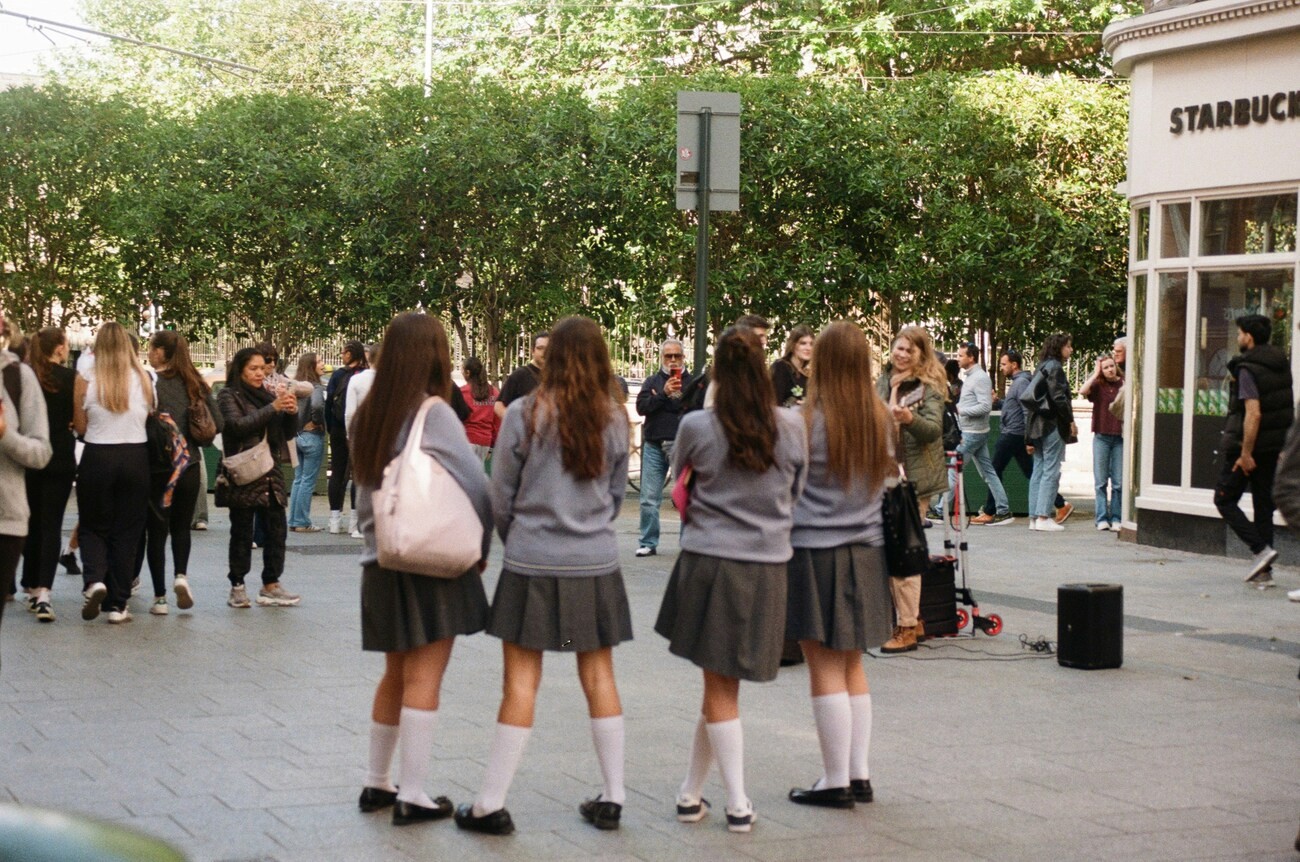
Uniforms: Common in most schools (especially secondary).
School day: Typically runs from 8:45 a.m. to 3:30 p.m.
Lunches: Children bring packed lunches; some schools offer small canteen facilities.
Homework: Assigned regularly, especially from senior primary upward.
Extracurriculars: Sports (rugby, Gaelic football, hurling), drama, and debate clubs are popular.
Community focus: Schools often host events, plays, and fundraisers, fostering close parent-school relationships.
Where to Begin Your Search
Here’s how to get started choosing the right school in Ireland:
Define your priorities: Language, curriculum, class size, cost, and location.
Check catchment areas: Public school admission is often based on where you live.
Explore school types: Decide between denominational, multi-denominational, or international.
Visit schools: Many hold open days and parent evenings.
Check enrolment dates:
Primary: Applications open in January–February for September entry.
Secondary: Apply up to a year in advance (especially for popular schools).
Ask about supports: Ensure the school provides EAL or integration assistance for newcomers.
Join local networks: Expat and parent groups in cities like Dublin or Cork can offer firsthand advice.
Schools for Expat Families
Dublin
St. Andrew’s College: IB and Irish curricula; strong academic reputation.
International School of Dublin: English-language IB education.
Nord Anglia International School: British curriculum and IB Diploma.
Sandford Park School: Coeducational; progressive ethos.
Cork
Cork English College: Strong EAL programs for newcomers.
Scoil Mhuire Cork: Catholic girls’ school; high academic standards.
Midleton College: Long-standing co-ed school offering boarding and day options.
Galway
Coláiste Iognáid (The Jes): Catholic secondary with excellent academics.
Educate Together Galway: Multi-denominational and inclusive primary education.
Limerick
Villiers School: IB World School offering boarding and day programs.
Crescent College Comprehensive: Jesuit ethos with focus on community values.
Final Thoughts and Next Steps
Ireland offers one of the most inclusive and well-rounded education systems in Europe, combining strong academics with creativity, independence, and community values. Whether your child joins a local public school, a Gaelscoil, or an international program, they’ll benefit from a culture that celebrates both learning and kindness.
With English-language instruction, welcoming teachers, and globally recognized universities, Ireland provides an ideal environment for children to grow academically and socially.
Take time to visit schools, connect with your community, and plan early, your child’s Irish education journey will be as rewarding as it is enriching.

Le comment
>
0,000
Cas par an
+
Pays actifs
.
/5
Classement excellent
+
Les entreprises nous utilisent
AUTRES SERVICES