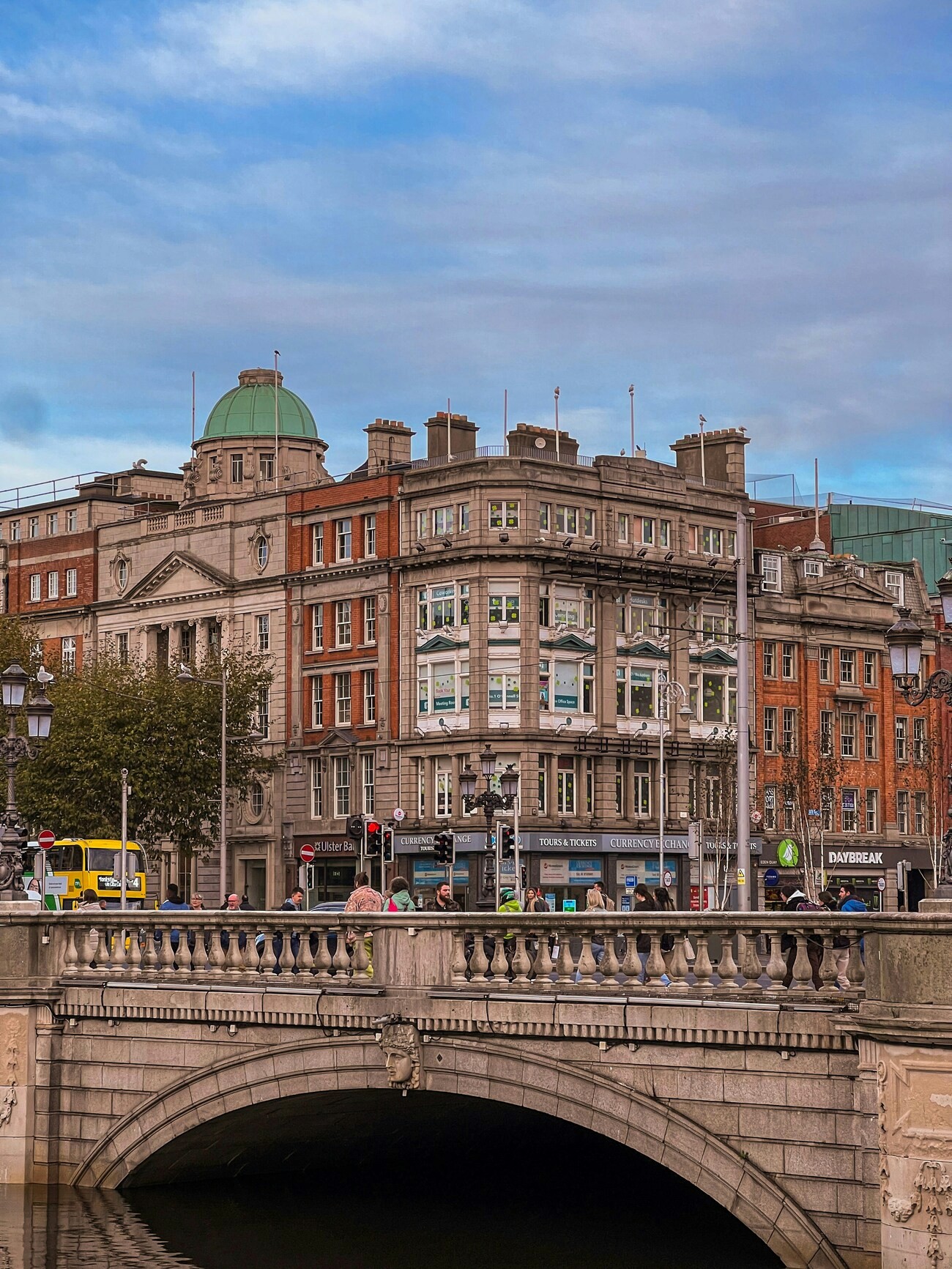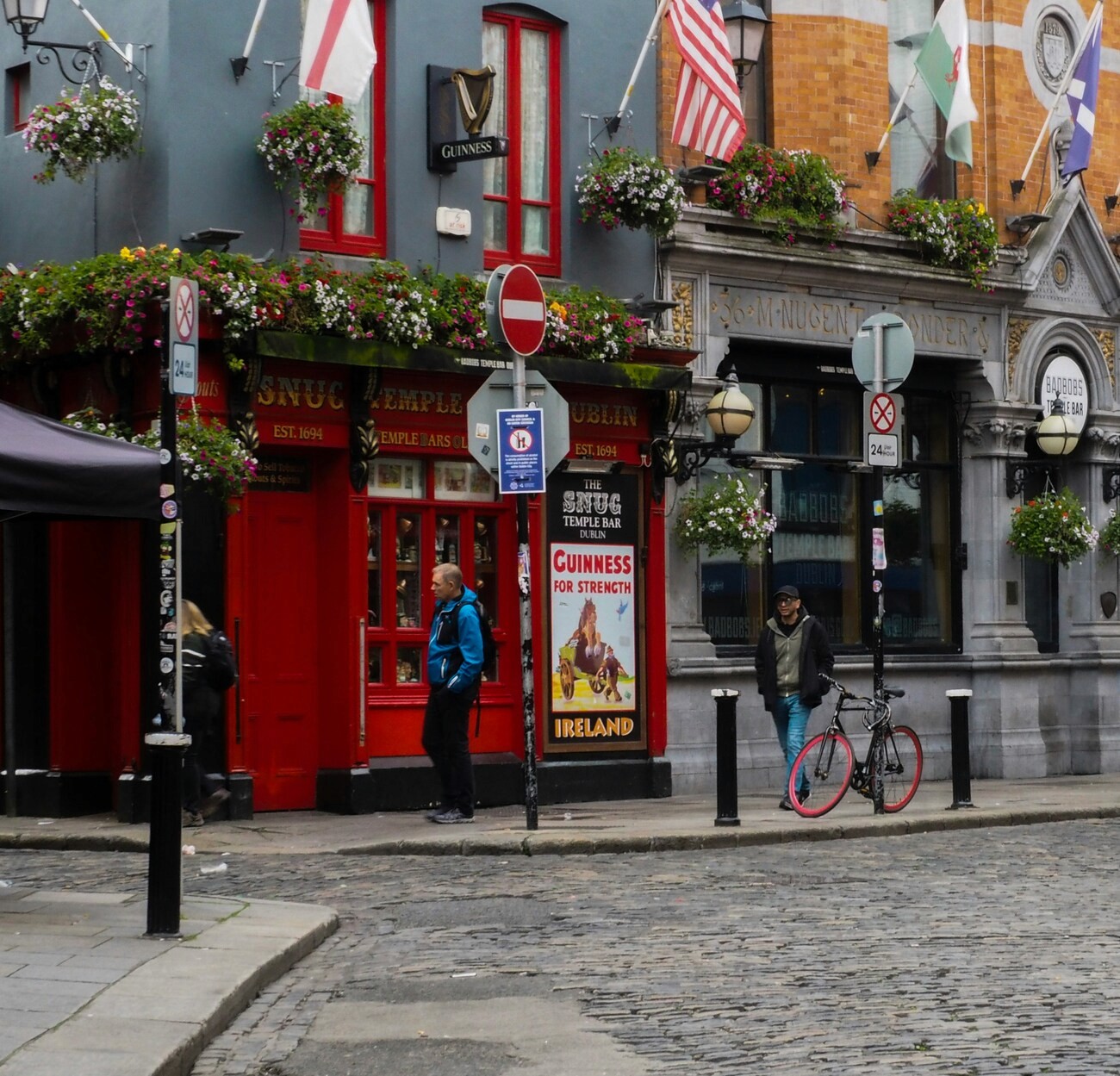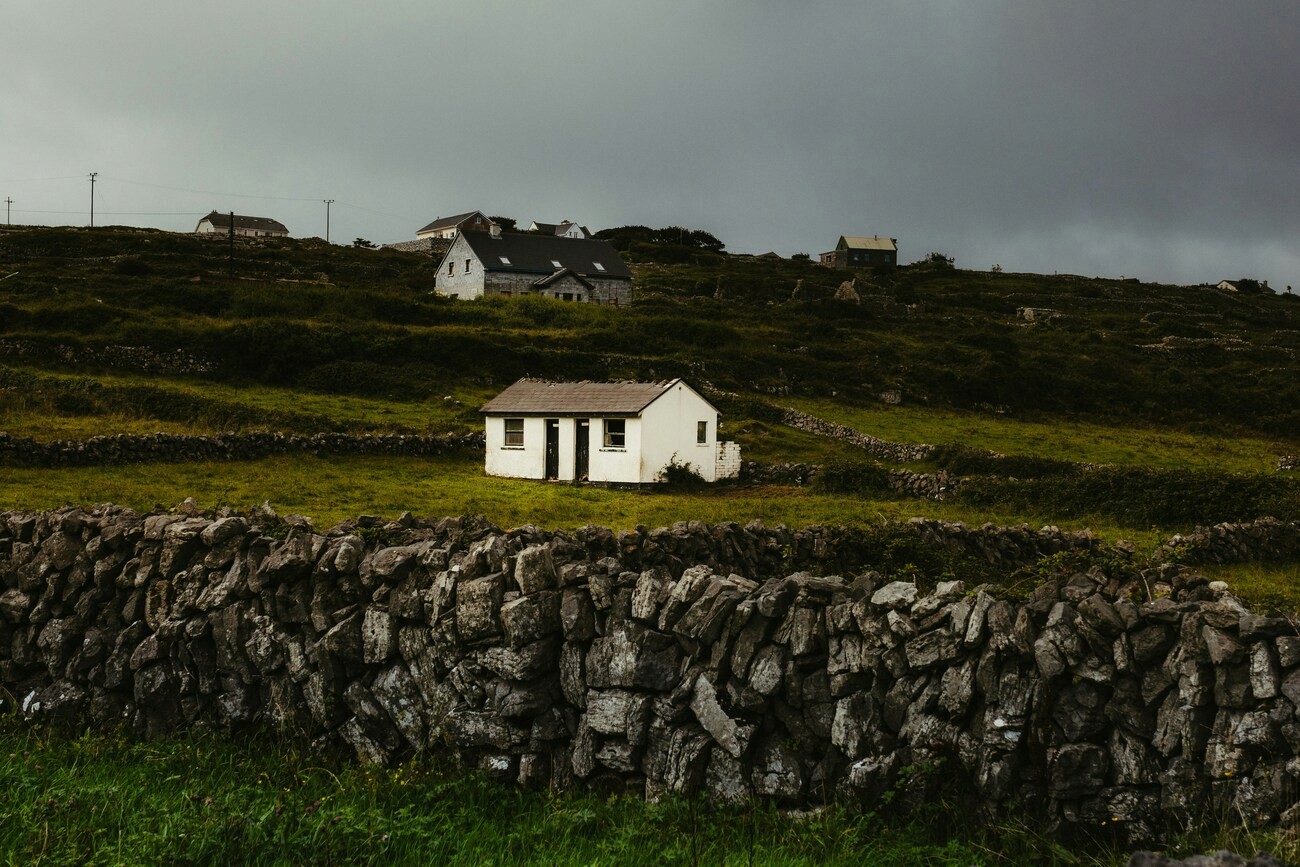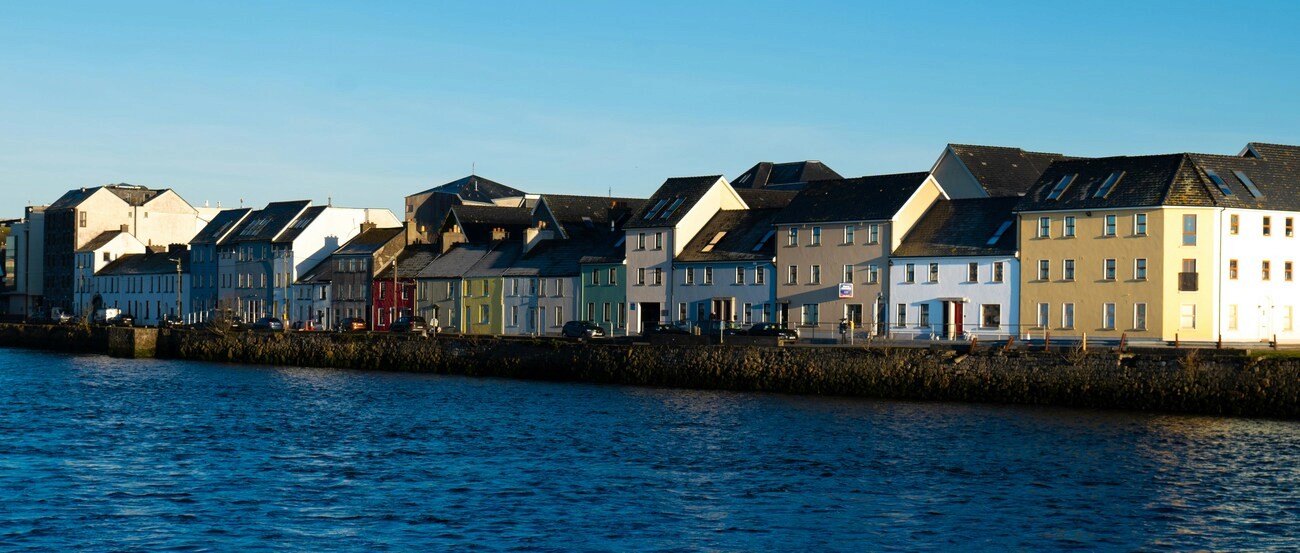


Relocating to Ireland in 2026? This complete guide covers everything you need to know about renting and buying property, housing costs, and where to live. Whether you’re moving for work, study, or lifestyle, Ireland offers strong job opportunities, vibrant cities, and stunning natural beauty, all wrapped in a culture of warmth and community.
Life in Ireland in 2026: Opportunity, Community, and Comfort
Ireland continues to rank among Europe’s best destinations for expats thanks to its stable economy, global business presence, and friendly culture. Known for its blend of ancient history and modern innovation, the country offers a great quality of life and easy integration for newcomers.
In 2026, Ireland remains a top choice for professionals working in technology, finance, and education. Its cities are cosmopolitan yet compact, while rural areas offer peace and open space. With English as the primary language, adapting to life here is smooth for most expats.
Should You Rent or Buy in Ireland
Most newcomers start by renting. The rental market can be competitive, particularly in Dublin, but offers flexibility while you explore different areas.
Buying property is possible for foreigners with few restrictions:
EU and non-EU citizens can buy freely.
Financing may require an Irish bank account and proof of income.
Property prices have stabilized in 2026 after strong growth during the previous decade.
If you plan to stay long-term, buying can be a smart investment. For those relocating for shorter assignments or study, renting is the easier and more affordable option.
Types of Accommodation in Ireland
Apartments (Flats)
Most common in cities like Dublin, Cork, and Galway. Apartments range from compact studios to spacious high-end units. Ideal for professionals and couples.
Houses
Detached or semi-detached homes are typical in suburban and rural areas. Many come with gardens and parking. Best for families or long-term expats.
Shared Accommodation
Shared houses and apartments are common among students and young professionals. You rent a private room and share common spaces.
Serviced Apartments
Fully furnished with utilities, cleaning, and Wi-Fi included. Suitable for business travelers or those on temporary assignments.
Student Housing
Modern, furnished accommodation close to campuses. Many include utilities and internet in the rent.
Average Rent in Ireland
Rent prices vary by city and proximity to the center. Dublin remains the most expensive, but smaller cities are more affordable.
Type of Accommodation | Dublin | Cork / Galway / Limerick | Smaller Towns |
Studio / 1-Bedroom Apartment | €1,600–€2,400 | €1,200–€1,800 | €900–€1,400 |
3-Bedroom Apartment | €2,800–€4,000 | €1,800–€2,800 | €1,200–€2,000 |
Room in Shared Flat | €700–€1,000 | €500–€800 | €400–€600 |
Utilities (electricity, heating, water, and internet) typically cost €150–€250 per month. Heating expenses rise during the winter months.
Cost of Living in Ireland
Ireland’s cost of living is higher than the EU average but balanced by strong wages and excellent public services.
Category | Average Monthly Cost | Notes |
Rent (1-bedroom in city center) | €1,800 | Highest in Dublin |
Utilities (electricity, heating, internet) | €200–€250 | Costs vary seasonally |
Food and groceries | €350–€500 | Supermarkets and markets offer savings |
Public transport | €80–€120 | Monthly Leap Card pass |
Health insurance | €60–€150 | Optional private coverage available |
Total estimated cost | €2,500–€3,000 | Single person in a city |
Best Cities to Live in Ireland in 2026
Dublin
Ireland’s capital and economic hub, home to major tech and finance companies.
Why move here: career growth, cultural diversity, international community.
Neighborhoods: Ballsbridge, Ranelagh, Rathmines, Docklands.
Cork
Ireland’s second city, known for its creative energy, waterfront charm, and affordability.
Why move here: lower rent, strong job market, vibrant food culture.
Neighborhoods: Douglas, Blackrock, Bishopstown.
Galway
A small, artsy coastal city famous for festivals and friendliness.
Why move here: relaxed lifestyle, close-knit community, coastal views.
Neighborhoods: Salthill, Taylors Hill, Claddagh.
Limerick
A growing city with excellent universities and a low cost of living.
Why move here: education opportunities, new business investment, affordability.
Waterford and Kilkenny
Smaller, scenic cities offering a peaceful lifestyle with lower housing costs.
How to Find a Home in Ireland
Begin your search 1–2 months before moving, especially in Dublin.
Use reputable websites such as Daft.ie, Rent.ie, and MyHome.ie.
Engage licensed real estate agents for help with legalities and negotiations.
Deposits are typically one month’s rent.
Standard leases run for 12 months, but shorter terms are available.
Always view properties in person or virtually before signing.
Check if heating, refuse collection, and maintenance are included in rent.
Tips for Renting in Ireland
Confirm if the property is furnished; some may be partially furnished.
Inspect insulation and heating systems to manage winter energy costs.
Register your tenancy with the Residential Tenancies Board (RTB).
Keep a copy of your lease and inventory list.
Rent payments are generally made via bank transfer.
Landlords are required by law to return deposits unless there are damages.
Buying Property in Ireland
Buying is straightforward and transparent for both locals and foreigners.
Average price per square meter in 2026:
Dublin: €5,000–€7,000
Cork / Galway: €3,000–€4,500
Smaller towns: €2,000–€3,000
Additional costs include legal fees, stamp duty (1–2%), and registration costs. Mortgages are available to foreign residents with proof of income and legal stay.
Life in Ireland: Warmth, Culture, and Connection
Ireland is known for its hospitality, community spirit, and breathtaking scenery. From modern cities to green countryside, the country offers a sense of calm and belonging.
Healthcare, education, and public services are of high quality. Public transport is reliable, and infrastructure continues to improve, especially in regional cities. English is the main language, with Irish (Gaeilge) also used in schools and signage.
Cultural Tips for Living in Ireland
Politeness and humor are central to Irish communication.
Punctuality is appreciated, especially in professional settings.
Locals value conversation, expect friendly small talk everywhere.
Weather changes quickly; keep rain gear handy.
Sunday is a quiet day; many shops close early.
Learn about local traditions such as St. Patrick’s Day, GAA sports, and music sessions.
Final Thoughts
Finding your new home in Ireland in 2026 means joining a nation known for warmth, innovation, and community. Whether you settle in a modern apartment in Dublin, a cozy home in Cork, or a coastal retreat in Galway, Ireland offers a mix of opportunity and serenity.
Take time to explore, connect with locals, and enjoy Ireland’s balance of modern living and timeless charm, a country that feels like home from the start.

Le comment
>
0,000
Cas par an
+
Pays actifs
.
/5
Classement excellent
+
Les entreprises nous utilisent
AUTRES SERVICES