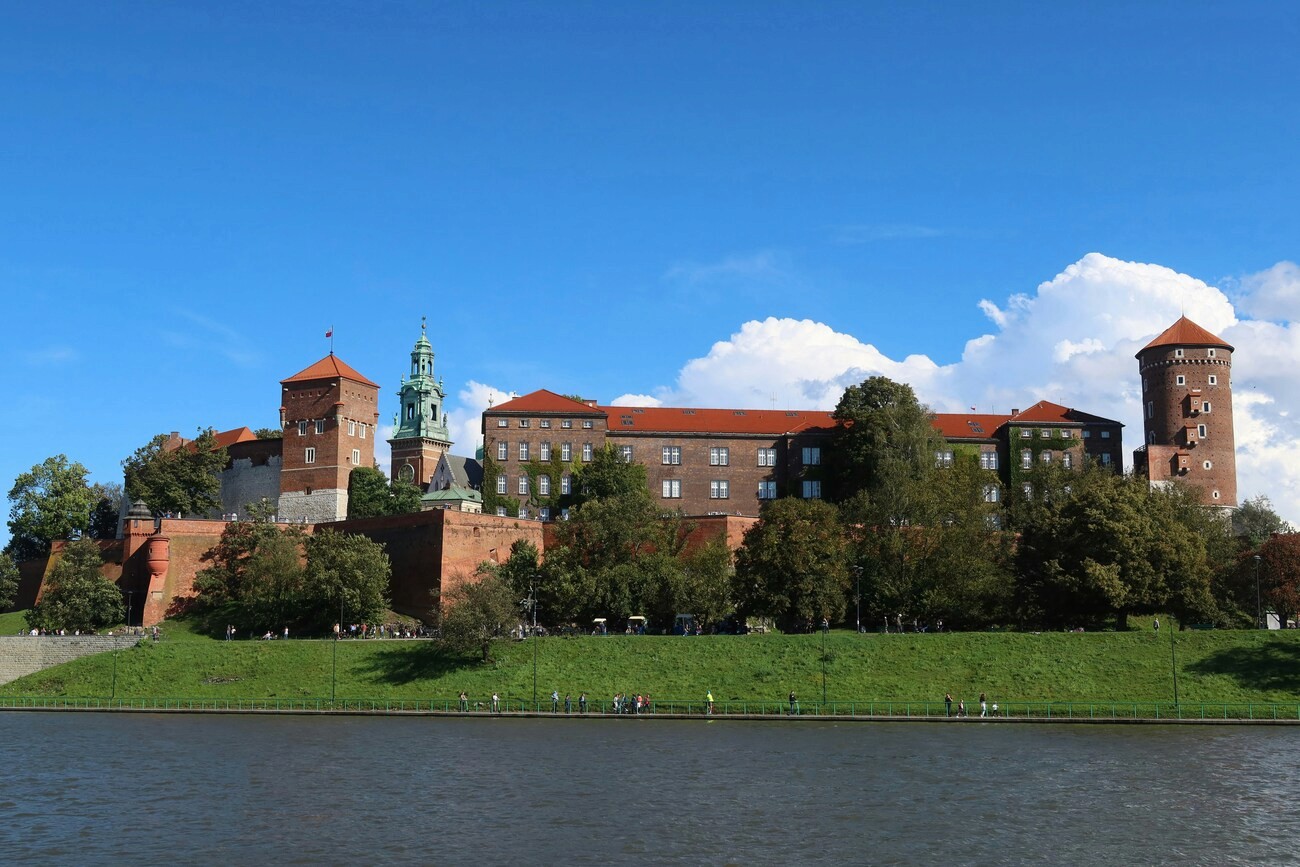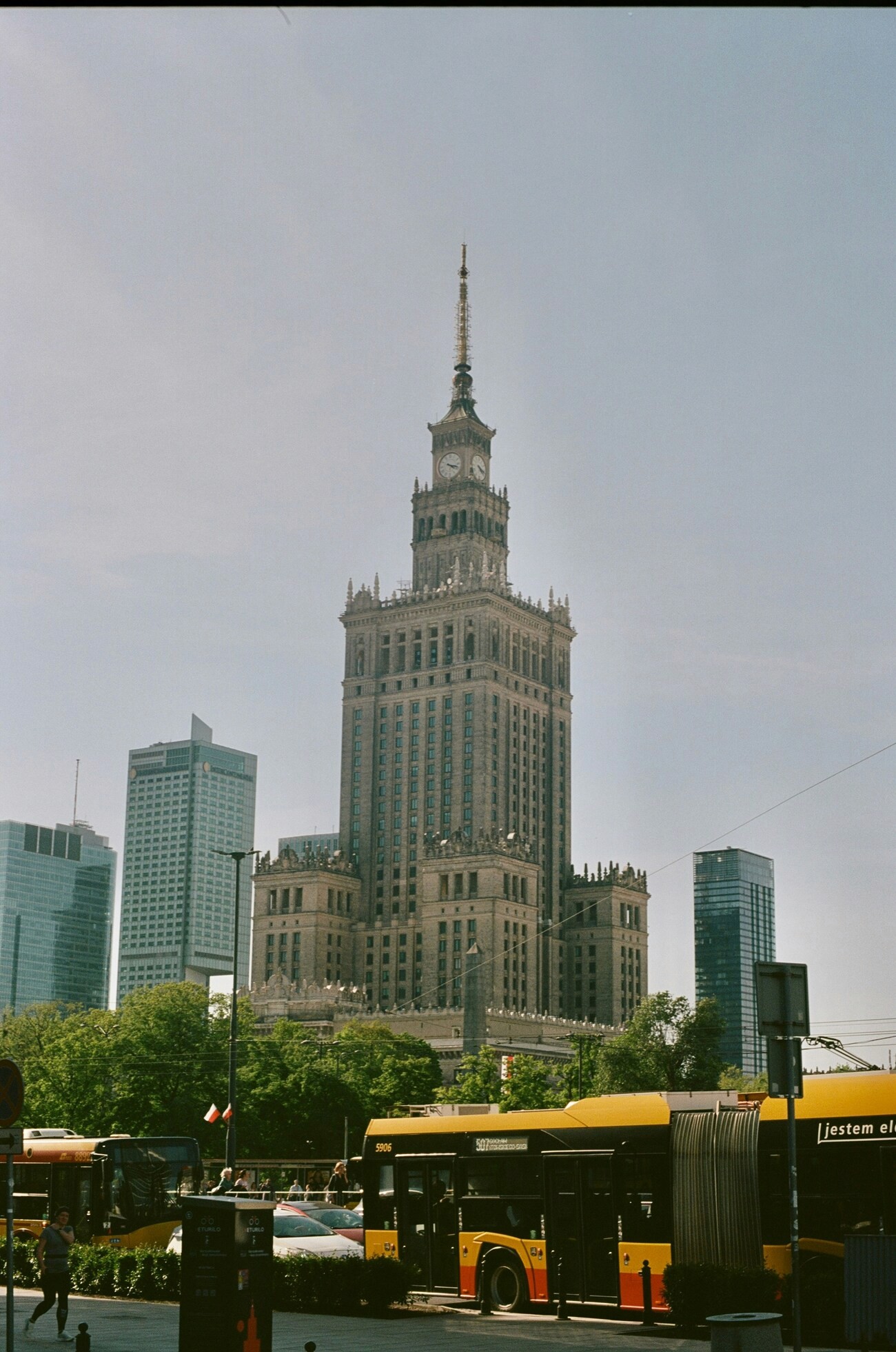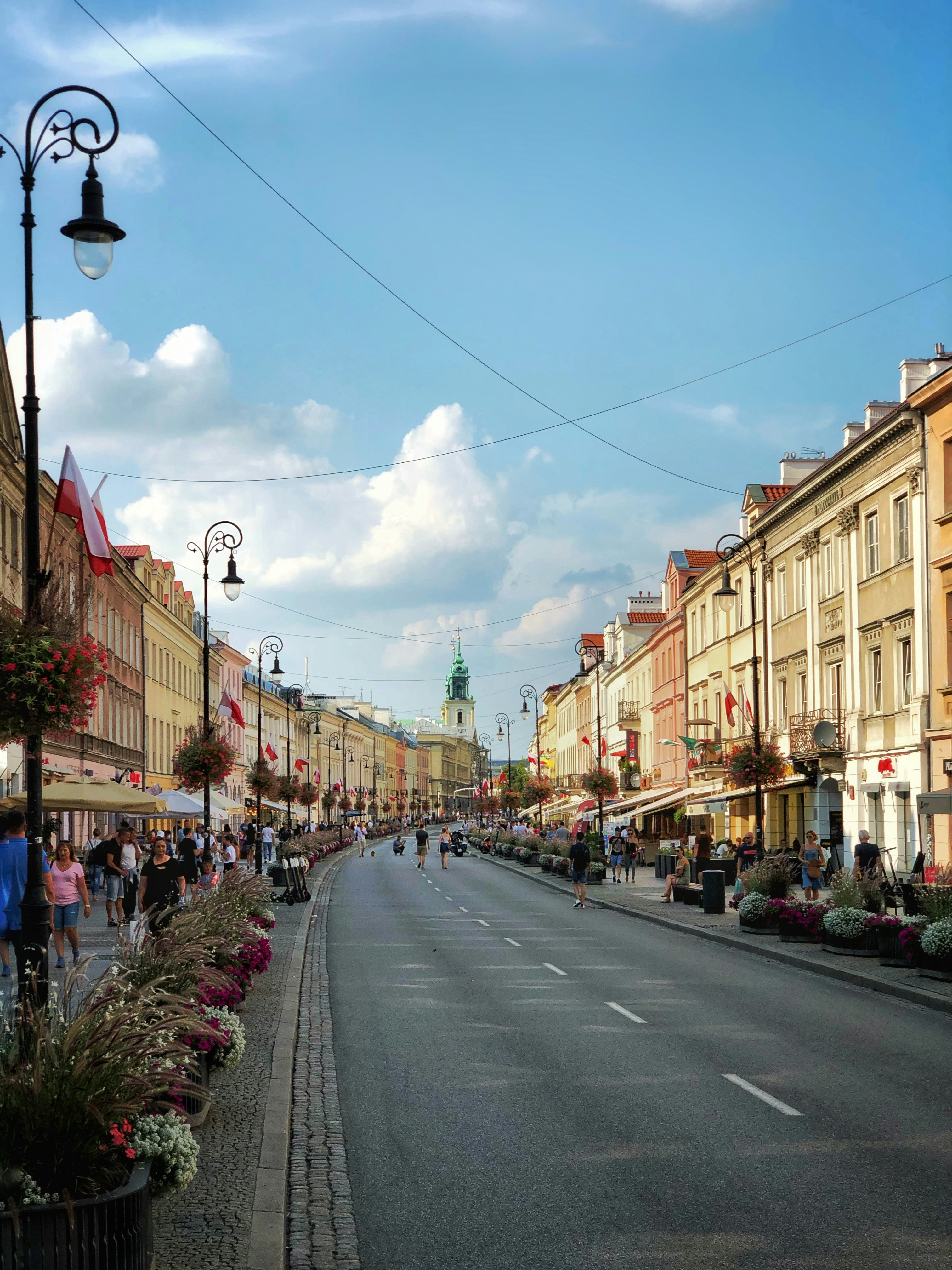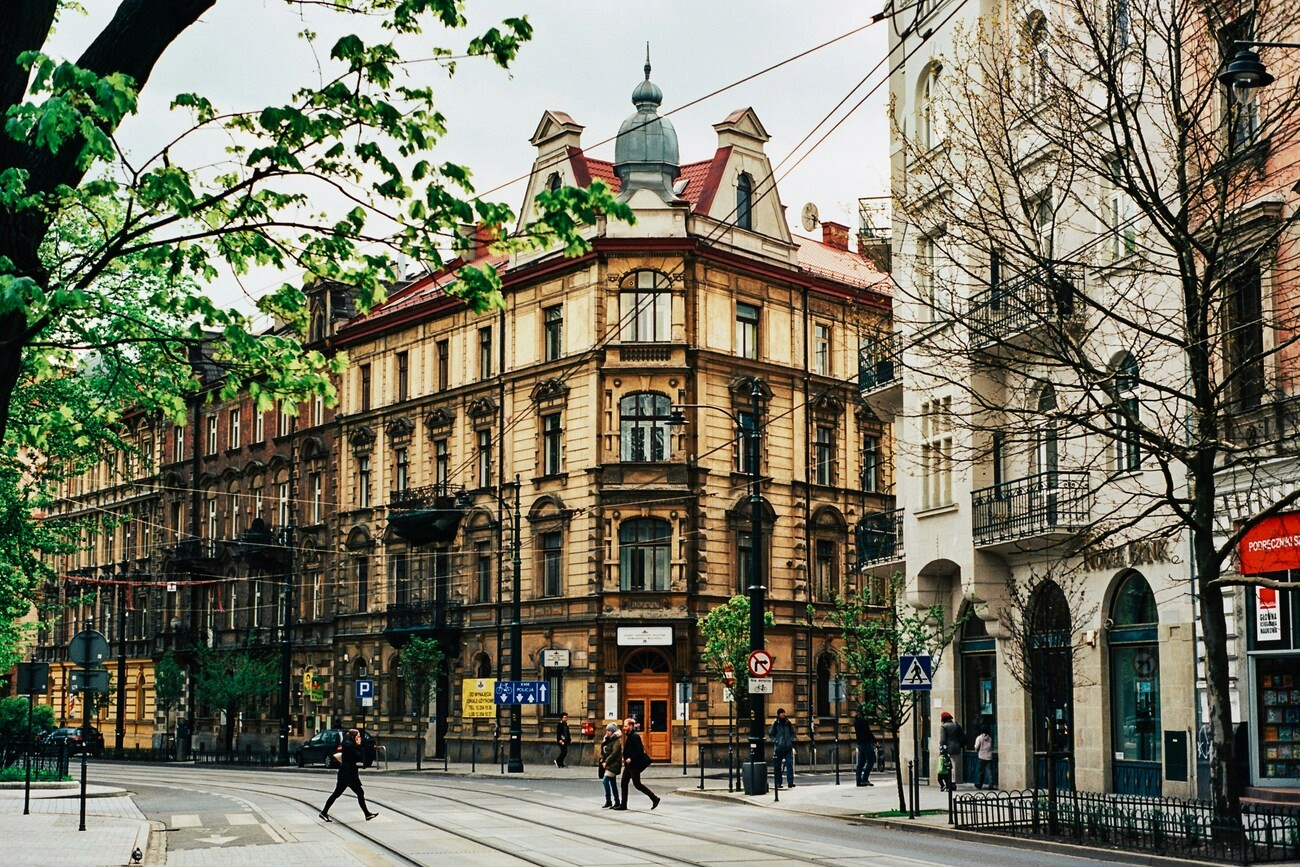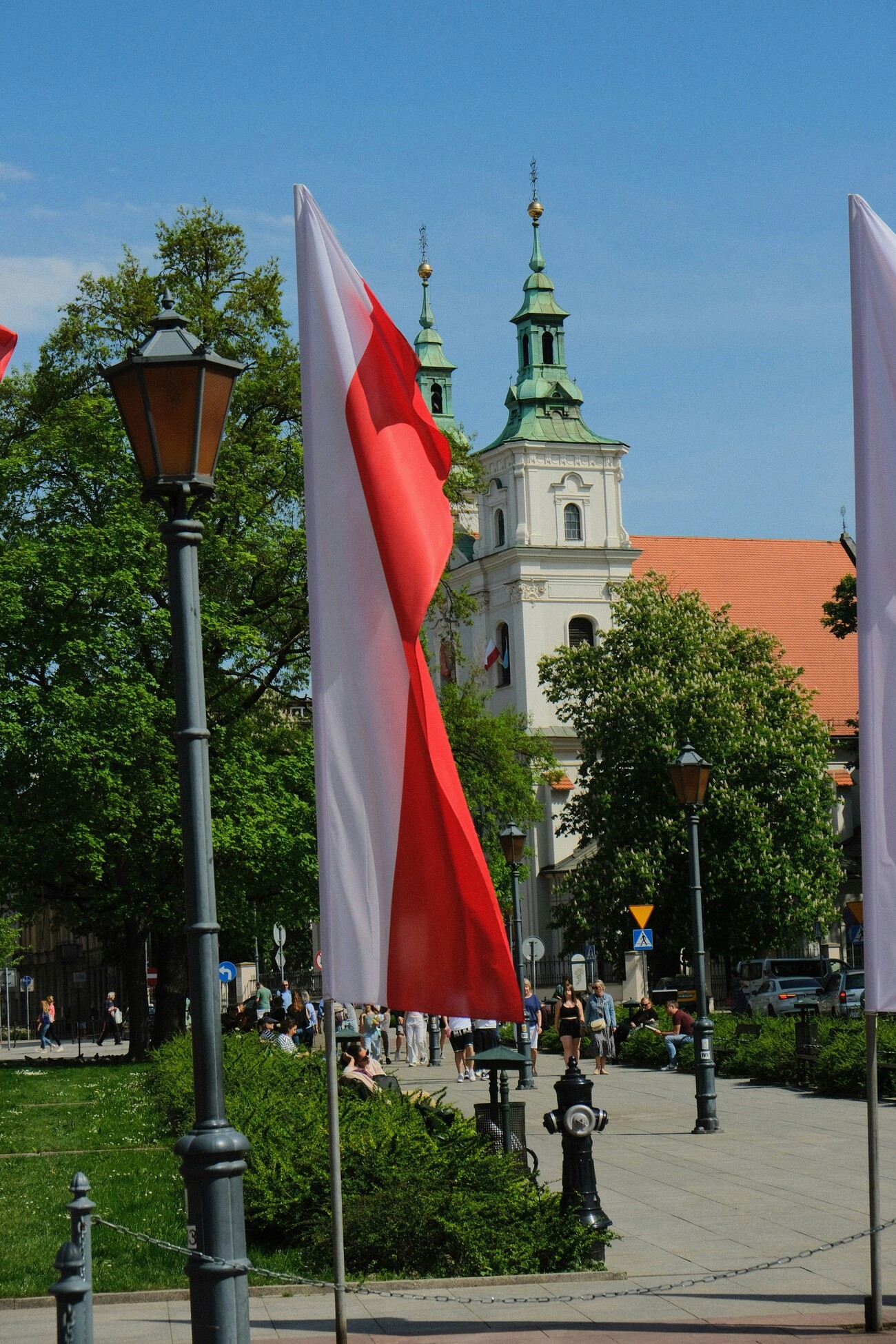


Planning a trip to Poland? Whether you’re visiting the medieval streets of Kraków, exploring Warsaw’s modern skyline, or heading into the Tatra Mountains, understanding how money works here will make your experience much smoother.
Poland offers a mix of traditional charm and modern convenience, but when it comes to handling currency, a little preparation goes a long way. This guide will walk you through everything you need to know, from understanding the Polish złoty to finding the best exchange rates and avoiding hidden fees.
Understanding the Polish Złoty (PLN, zł)
The Polish Złoty (PLN) is the official currency of Poland. The word “złoty” means “golden” in Polish, a nod to the country’s centuries-old monetary tradition.
Unlike many EU countries, Poland does not use the Euro, though you might occasionally see prices listed in both Euros and Złoty in tourist-heavy areas. The złoty is managed by the National Bank of Poland (Narodowy Bank Polski) and is considered a stable, well-valued currency in Central Europe.
Złoty Denominations
The Polish złoty comes in both coins and banknotes:
Banknotes: 10 zł, 20 zł, 50 zł, 100 zł, 200 zł, and 500 zł
Coins: 1, 2, 5 zł, plus 1, 2, 5, 10, 20, and 50 groszy (1 zł = 100 groszy)
Tip: Smaller coins are often needed for public restrooms, parking meters, and vending machines, so keep some handy!
Exchange Rates for Common Currencies (2026 Snapshot)
Exchange rates vary daily, but here’s an approximate guide for early 2026:
1 USD (US Dollar): ~4.00 PLN
1 EUR (Euro): ~4.30 PLN
1 GBP (British Pound): ~5.00 PLN
1 AUD (Australian Dollar): ~2.65 PLN
1 CAD (Canadian Dollar): ~2.95 PLN
1 CHF (Swiss Franc): ~4.50 PLN
100 JPY (Japanese Yen): ~2.75 PLN
100 INR (Indian Rupee): ~4.85 PLN
Always check live rates via reliable platforms like Wise, XE.com, or NBP.pl before exchanging money.
Should You Carry Cash in Poland?
While Poland is becoming increasingly cashless, it’s still a good idea to keep some cash (gotówka) with you, especially outside of major cities.
Here’s why cash still matters:
Small shops & cafés: Some smaller, family-run businesses may not accept cards.
Rural areas: Cash is essential in countryside regions, local markets, and small towns.
Public transport & restrooms: Certain ticket machines or facilities still require coins.
Tipping: Though not mandatory, small cash tips are common and appreciated.
Safety tip: Poland is generally safe, but avoid carrying large amounts of cash. Keep about 100–300 zł on hand for daily use and the rest in a secure place.
Where to Exchange Currency in Poland
1. Banks
Banks are one of the safest options for exchanging money. Major banks like PKO BP, Santander Bank Polska, and mBank offer fair rates and transparent fees.
You’ll need to bring your passport or ID, and banks typically operate on weekdays until 5 or 6 p.m.
2. Kantors (Currency Exchange Offices)
“Kantor” is the Polish term for a currency exchange office, and they’re everywhere: airports, malls, and city centers.
Many kantors offer excellent exchange rates, especially those outside tourist zones. Always compare rates and avoid kantors in train stations or airports, where rates are typically worse.
3. ATMs (Bankomaty)
ATMs are a convenient way to withdraw złoty directly using your debit or credit card.
Stick to machines belonging to major banks (not independent ones) to avoid high withdrawal fees.
Always choose “Charge in PLN” when withdrawing money, not your home currency, this avoids hidden “dynamic currency conversion” markups.
4. Online Currency Services
Apps like Wise, Revolut, and Curve are increasingly popular. They let you hold and convert money in PLN before you arrive, often with better rates than traditional banks.
5. Avoid Airports & Hotels
Airport and hotel exchange counters almost always have unfavorable rates and extra commissions. Use them only for small, emergency exchanges.
Tips for Currency Exchange in Poland
Compare before exchanging: Rates vary by location, check several kantors or use an app to compare live rates.
Use travel cards: Multi-currency cards like Wise or Revolut minimize foreign transaction fees.
Avoid dynamic conversion: Always pay in local currency (PLN).
Notify your bank: Let them know you’ll be abroad to avoid blocked transactions.
Keep small notes: Some vendors don’t have change for large bills.
Use mobile payments: Poland is a leader in contactless tech, services like Apple Pay, Google Pay, and Blik are widely accepted.
Frequently Asked Questions
1. Do I need Złoty in Poland?
Yes. The Polish złoty (PLN) is the only accepted currency for purchases. Some hotels or tour operators may quote prices in Euros but will charge in PLN.
2. Can I pay in Euros in Poland?
In most cases, no. A few tourist spots near the German or Czech borders might accept Euros, but expect poor rates.
3. Are credit and debit cards accepted everywhere?
Cards are widely accepted, especially Visa and Mastercard. However, carry cash for small towns, markets, and independent shops.
4. Does Poland use contactless or mobile payments?
Yes, Poland is one of Europe’s most advanced cashless economies. Contactless card and mobile payments (Blik, Apple Pay, Google Pay) are extremely common.
5. What’s the best way to avoid high fees?
Use local ATMs from reputable banks, avoid currency exchanges at airports, and consider using a digital bank card like Wise or Revolut.
6. Is tipping common in Poland?
Yes, though modest. In restaurants, 5–10% is appreciated. Hand cash directly to the server or say “dziękuję, reszta dla Pani/Pana” (thank you, the rest is for you).
Final Thoughts
Navigating money in Poland is easy once you know the basics. The złoty is stable, ATMs are plentiful, and most cities are card-friendly. With a bit of planning and by avoiding tourist traps with bad rates, you can stretch your travel budget further.
Whether you’re strolling through Warsaw’s Old Town, skiing in Zakopane, or sailing on the Masurian lakes, being financially prepared means you can focus on enjoying the beauty and culture of Poland, worry-free.

Le comment
>
0,000
Cas par an
+
Pays actifs
.
/5
Classement excellent
+
Les entreprises nous utilisent
AUTRES SERVICES