

Are you dreaming of starting a new life in a country where modern innovation meets centuries-old tradition? Japan is one of the most fascinating places to live, a nation known for safety, efficiency, cuisine, and unique cultural depth. Whether you’re relocating for work, study, or adventure, Japan offers an extraordinary quality of life and endless opportunities to explore.
Relocating to Japan can feel complex due to its language, culture, and administrative systems, but with the right preparation, your move can be smooth and rewarding. This guide covers all the essentials for your 2026 relocation.
Finding the Right Moving Company
Moving your household goods to Japan requires careful planning and the help of an experienced international mover. Because Japan has strict customs regulations and limited storage space in many homes, professional help makes a major difference.
Here’s what to look for when choosing a company:
Experience: Select a mover with experience in Asian or Pacific relocations, ideally with Japan-specific operations.
Insurance: Confirm international shipping insurance is included for sea or air freight.
Reviews: Look for recommendations from expats who have relocated to Japan.
Customs knowledge: Choose a company that understands Japan’s import documentation and quarantine requirements.
Many movers also offer door-to-door delivery, customs handling, and short-term storage. Take time to compare multiple quotes, and ensure your estimate covers port handling fees, taxes, and delivery to your new address. You can also get 6 free quotes from our website to find a mover that fits your timeline and budget.
Paperwork and Visas
Japan’s immigration process is well-structured but detailed. The exact visa you’ll need depends on your purpose of stay, work, study, family, or long-term residence.
Common visa categories:
Work Visa — for professionals, engineers, researchers, and specialists sponsored by a Japanese employer.
Student Visa — for those enrolled at Japanese universities or language schools.
Spouse or Dependent Visa — for family members of Japanese citizens or foreign residents.
Highly Skilled Professional Visa — for individuals with advanced qualifications or high income, offering faster paths to permanent residency.
Business Manager Visa — for entrepreneurs establishing or running a business in Japan.
Other important requirements:
Residence Card (在留カード / Zairyū Card): Issued upon arrival for stays longer than 3 months; it serves as your official ID.
Address Registration: You must register your address at your local city hall within 14 days of moving in.
My Number: Japan’s social security and tax ID number, needed for banking, employment, and healthcare.
National Health Insurance (NHI): Mandatory for residents unless covered by an employer-provided plan.
We also have a detailed Japan visa and documentation guide to help you navigate each step efficiently.
Checklist Before Moving to Japan
Timeframe | Tasks to Complete |
8 Weeks Before | Research and book an international moving company. Review visa categories and begin your application. Create an inventory of items to bring. |
6 Weeks Before | Arrange temporary housing if needed. Apply for health and travel insurance. Start learning essential Japanese phrases. |
4 Weeks Before | Confirm shipping arrangements and gather customs paperwork. Notify banks and service providers of your move. Begin packing non-essential items. |
2 Weeks Before | Double-check visa approval and flight details. Prepare necessary documents (passport, Certificate of Eligibility, residence paperwork). |
Moving Week | Confirm with your moving company. Prepare carry-on essentials, including documents and valuables. |
Moving Day | Conduct a final home inspection. Keep your passport, documents, and electronics with you during travel. |
FAQs About Moving to Japan
1. Do I need to speak Japanese before moving?
No, but learning the basics will make life much easier. While major cities like Tokyo, Osaka, and Yokohama are increasingly English-friendly, everyday life often requires basic Japanese. Taking a beginner course before arrival is highly recommended.
2. How do I find housing in Japan?
You can start with online real estate platforms or relocation agents who specialize in expat housing. Many landlords require a guarantor, security deposit, and key money (礼金). Serviced apartments and company housing are good options for newcomers while they settle in.
3. How much does it cost to live in Japan?
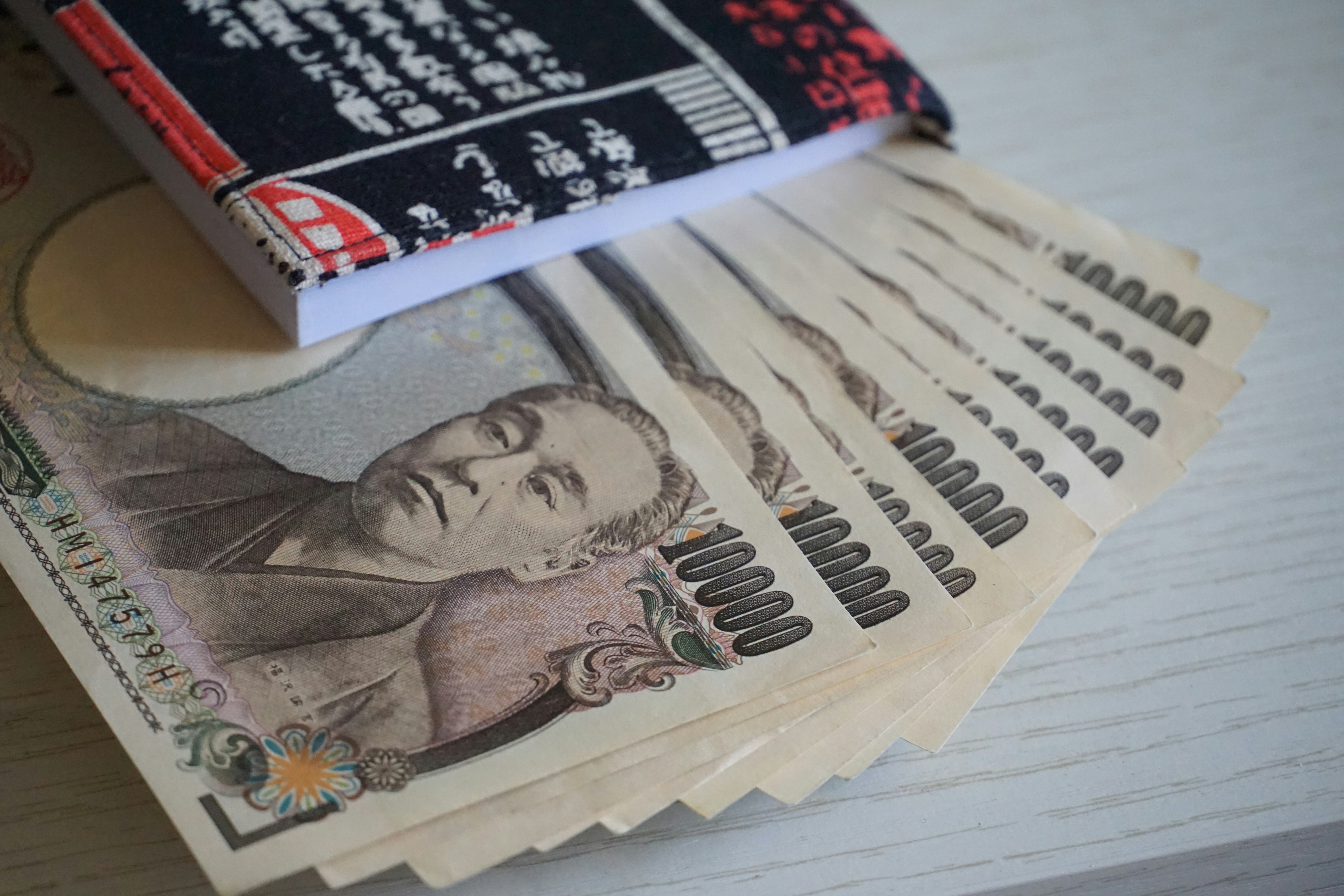
The cost of living depends heavily on location. Tokyo and Yokohama are among the most expensive cities, while regional areas like Fukuoka or Nagoya are more affordable. On average, a couple can live comfortably on €2,000–€3,000 per month outside of central Tokyo.
4. Can I bring my pet to Japan?
Yes, but Japan has some of the world’s strictest animal import rules. Pets must undergo a microchip scan, rabies vaccination series, and 180-day waiting period before entry. An advance import notification and inspection upon arrival are mandatory. Start the process at least 6 months in advance.
5. What about healthcare access?
Japan offers excellent healthcare. All residents must enroll in either the National Health Insurance or Employee Health Insurance system. The public system covers 70% of most medical costs, while the remaining 30% is paid by the patient. Private insurance is optional for additional coverage.
Your Adventure Awaits
Relocating to Japan offers the chance to experience one of the world’s most captivating cultures, a perfect balance between tradition and modernity. From efficient public transport to world-class cuisine and stunning landscapes, life in Japan is both inspiring and rewarding.
By planning ahead, organizing your documentation, and choosing a reliable moving partner, you can ensure a seamless transition into your new life abroad.
Enjoy your stay in Japan!

Das Wie
>
.000
Fälle jährlich
+
Aktive Länder
.
/5
Ausgezeichnete Bewertung
+
Unternehmen nutzen uns
ANDERE DIENSTE