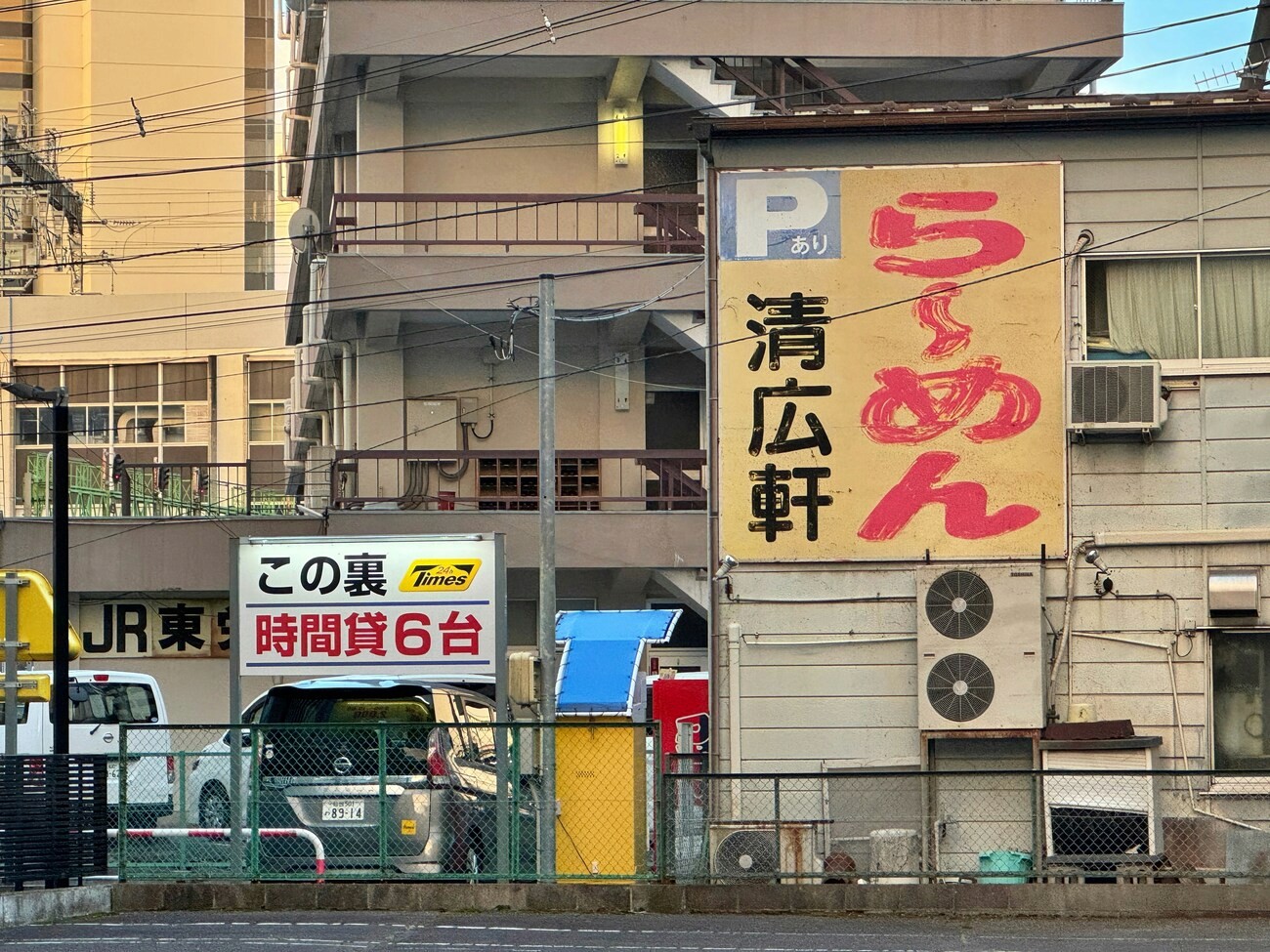


Japan offers one of the world’s most unique blends of tradition and innovation, from its high-speed cities to tranquil countryside towns. Whether you’re an expat relocating to Tokyo, a family settling in Kyoto, or a student in Osaka, understanding the cost of living is essential for financial stability.
This guide breaks down the average living expenses in Japan for 2026 and offers practical budgeting tips to help you manage your finances efficiently.
Average Costs of Living in Japan (Excluding Rent)
The average cost of living in Japan (excluding rent) is around ¥130,000–¥160,000 per month for a single person and approximately ¥420,000–¥500,000 for a family of four.
These figures include groceries, transportation, utilities, insurance, and entertainment. Costs are notably higher in large metropolitan areas such as Tokyo and Yokohama, and lower in cities like Fukuoka, Nagoya, or Sapporo.
Groceries & Daily Living
Japanese households tend to spend moderately on groceries thanks to a wide variety of supermarkets and convenience stores. Imported goods are pricier, but domestic produce, seafood, and rice are affordable and of high quality.
Typical monthly grocery spending: ¥35,000–¥50,000 per person.
Average prices of common items:
Loaf of bread (500 g): ¥250–¥350
1 L of milk: ¥200–¥250
1 kg of rice: ¥500–¥800
1 kg of chicken breast: ¥850–¥1,200
1 kg of apples: ¥700–¥900
1 kg of onions or potatoes: ¥300–¥400
A dozen eggs: ¥350–¥450
Bottle of mid-range wine: ¥1,000–¥1,800
Tip: Visit local markets (shotengai) for fresh produce and buy seasonal fruits and vegetables, prices can be 20–30 % lower than in large supermarkets.
Utilities & Communication
Utility bills in Japan depend on city size, household consumption, and season — especially during hot summers and cold winters. Air conditioning and heating account for most electricity costs.
Average monthly utilities for a medium apartment: ¥15,000–¥25,000
This includes:
Electricity: ¥7,000–¥12,000
Gas: ¥4,000–¥6,000
Water and garbage: ¥3,000–¥5,000
Internet (high-speed broadband): ¥4,000–¥6,000
Mobile phone plan: ¥3,000–¥6,000
Tip: Many apartments in Japan are not insulated to Western standards. Choose energy-efficient buildings or newer constructions to reduce heating and cooling costs.
Insurance & Healthcare
Japan’s healthcare system is world-class and accessible. All residents are required by law to have health insurance, either through their employer (Shakai Hoken) or the national system (Kokumin Kenkō Hoken).
Health insurance premiums:
Typically 10–13 % of income (split between employee and employer).
Self-employed individuals pay based on city and income level, averaging ¥20,000–¥30,000 per month.
Other insurance averages:
Car insurance: ¥40,000–¥80,000 per year depending on vehicle and coverage.
Home insurance: ¥10,000–¥30,000 per year.
Tip: Keep your health insurance card (hokenshō) on hand, it grants discounts at clinics and hospitals across Japan.
Transportation
Japan’s transportation system is famous for punctuality, cleanliness, and convenience. Most residents rely on trains, subways, or bicycles for daily commuting.
Average transportation costs:
One-way metro ticket: ¥200–¥300
Monthly commuter pass: ¥8,000–¥12,000 (depending on route and distance)
Taxi base fare: ¥500–¥700 (short rides can add up quickly)
Petrol: around ¥170–¥190 per litre
Tip: For frequent travellers, regional rail passes or Suica and Pasmo cards provide excellent savings and convenience across most cities.
Dining & Entertainment
Japan offers an incredible range of dining experiences, from budget ramen shops and sushi trains to upscale restaurants. Eating out is often surprisingly affordable if you choose local spots.
Average dining and leisure costs:
Meal at inexpensive restaurant: ¥1,000–¥1,200
Mid-range three-course dinner for two: ¥6,000–¥9,000
Coffee or tea: ¥400–¥600
Beer (0.5 L draft): ¥600–¥900
Cinema ticket: ¥1,800–¥2,000
Gym membership: ¥6,000–¥10,000 per month
Estimated monthly leisure budget: ¥20,000–¥40,000 per person.
Tip: Try teishoku (set meals) or konbini lunches for affordable, delicious daily options that won’t strain your budget.
Rent Costs in Japan
Housing costs in Japan vary widely between metropolitan areas and smaller towns. While Tokyo remains the most expensive city, many affordable options exist outside central districts.
Average rent prices (2026 estimates):
1-bedroom apartment in city center: ¥120,000–¥180,000
1-bedroom outside city center: ¥70,000–¥110,000
3-bedroom apartment in city center: ¥250,000–¥400,000
3-bedroom outside city center: ¥150,000–¥250,000
Tip: When renting, remember the key money system, landlords often require an upfront payment equivalent to one or two months’ rent, plus a deposit and agent fees.
Essential Tips for Expense Management in Japan
Shop strategically: Use supermarkets’ evening discounts and shop at local markets for fresh, inexpensive produce.
Cut utility bills: Use energy-efficient appliances and moderate air-conditioning use.
Take advantage of transport passes: Monthly commuter passes offer significant savings.
Cook at home: Dining out is affordable, but regular home cooking saves thousands of yen per month.
Compare insurance plans: If self-employed, review municipal insurance rates yearly, they vary across prefectures.
Plan for housing deposits: Moving in can cost 4–6 months of rent upfront, budget for it early.
Embrace minimalism: Japan’s smaller living spaces reward simple, organized lifestyles, which also reduce expenses.
Conclusion
Living in Japan in 2026 can be both affordable and rewarding if you plan ahead. A single person excluding rent should budget around ¥130,000–¥160,000 per month, while a family of four should plan for ¥420,000–¥500,000. With thoughtful budgeting, use of public transport, and mindful lifestyle habits, you can enjoy Japan’s rich culture, safety, and modern conveniences while keeping your finances in balance.

Das Wie
>
.000
Fälle jährlich
+
Aktive Länder
.
/5
Ausgezeichnete Bewertung
+
Unternehmen nutzen uns
ANDERE DIENSTE