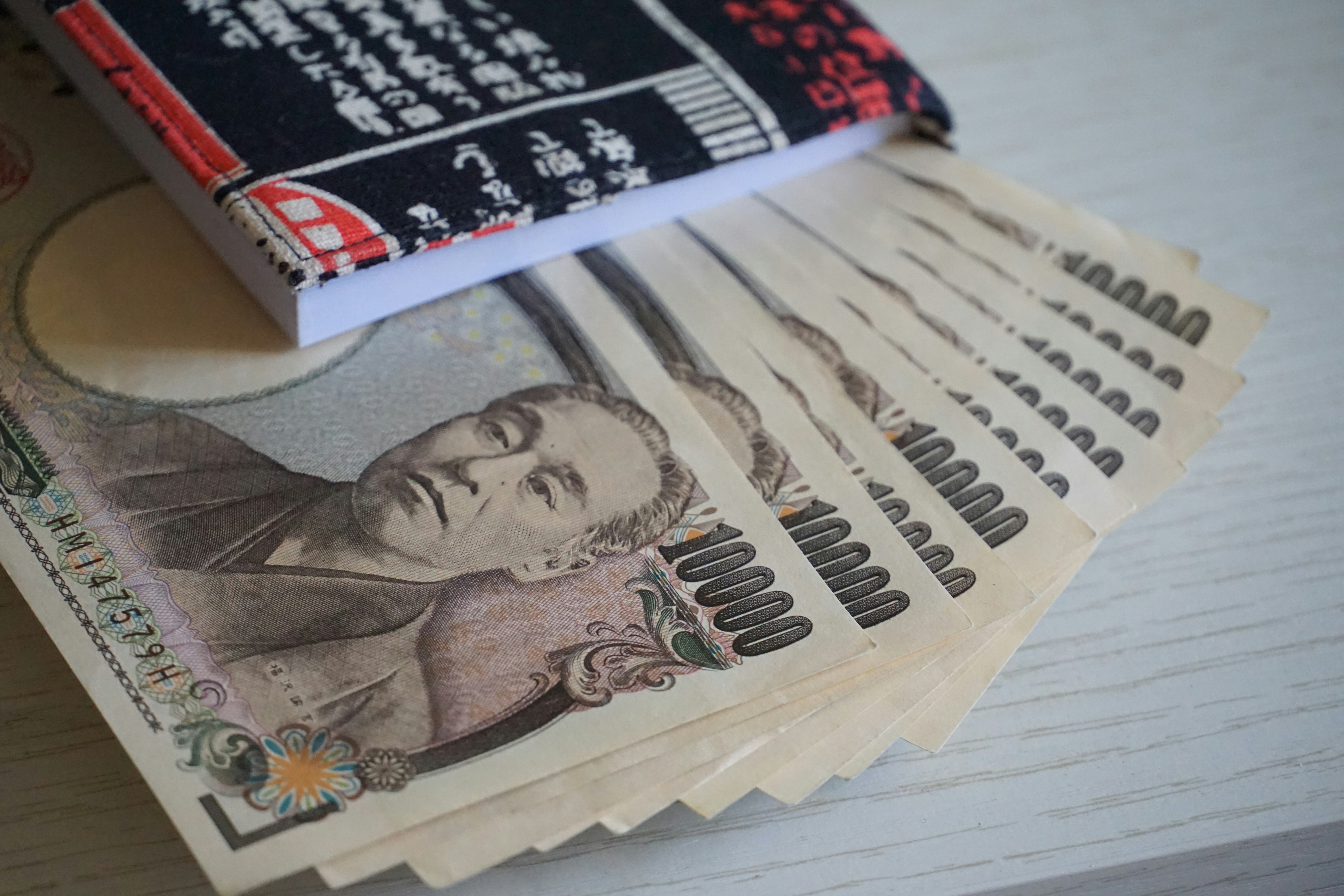


Moving to Japan is an exciting step, new culture, new food, and a completely different way of life. But if you’re planning to live or work here, understanding how taxes work is important. Japan’s tax system can seem complicated at first, especially for foreigners, but once you know the basics, it becomes much easier to manage.
This guide explains everything you need to know about filing taxes in Japan in 2026, in plain language. You’ll learn who needs to file, how tax residency works, what income is taxed, and how to go through the filing process step by step.
Overview of the Japanese Tax System
Japan has a national, regional, and local tax structure. That means you’ll usually pay three layers of income tax:
National income tax (paid to the central government)
Prefectural and municipal taxes (paid to your local government)
Resident tax (a flat local tax paid based on your previous year’s income)
The tax year in Japan runs from January 1 to December 31, and the filing deadline for individuals is March 15, 2027, for your 2026 income.
If you are an employee, your employer usually withholds tax from your salary automatically. In that case, you may not need to file a return, unless you have additional income, deductions, or foreign earnings to report.
Who Needs to Pay Taxes in Japan
Your tax obligations depend on how long you have lived in Japan and your visa or residence status.
Tax residency categories
Non-resident – You’ve stayed in Japan for less than one year.
You pay tax only on income earned inside Japan (for example, your Japanese salary).Non-permanent resident – You’ve lived in Japan for more than one year but less than five years.
You pay tax on income from Japan and on money you bring into Japan from abroad.Permanent resident – You’ve lived in Japan for five years or more.
You pay tax on all income from anywhere in the world.
Example:
If you’re from France and move to Tokyo in 2024, by 2026 you will likely be a “non-permanent resident.” You’ll pay Japanese tax on your salary and any foreign income you transfer to Japan, but not on savings you keep in France.
How Much Tax You’ll Pay
Japan uses a progressive income tax system, the more you earn, the higher the tax rate.
National income tax rates (2026)
Taxable Income (¥) | Rate |
Up to ¥1,950,000 | 5% |
¥1,950,001 – ¥3,300,000 | 10% |
¥3,300,001 – ¥6,950,000 | 20% |
¥6,950,001 – ¥9,000,000 | 23% |
¥9,000,001 – ¥18,000,000 | 33% |
¥18,000,001 – ¥40,000,000 | 40% |
Over ¥40,000,000 | 45% |
On top of this, there are local taxes (around 10%) for your prefecture and city, making the total rate for high earners close to 55%.
Tip: You don’t have to calculate this yourself , your employer or the tax office will do it for you. But it’s good to understand the brackets so you can estimate your net income.
Other Common Taxes in Japan
Besides income tax, you might also encounter:
Resident tax (Jūminzei): Paid to your local government based on the previous year’s income.
Social insurance: Automatically deducted from your salary. Covers health care, pension, unemployment, and long-term care.
Consumption tax (VAT): 10% on most goods and services; 8% on food and non-alcoholic drinks.
Capital gains tax: 20.315% on stock and investment profits.
Inheritance and gift tax: Applies to worldwide assets if you are a resident.
Deductions and Credits That Reduce Your Tax
Deductions lower the amount of income you are taxed on. In Japan, both residents and expats can claim several deductions and credits, such as:
Basic deduction: ¥480,000 for every taxpayer.
Spouse or dependent deduction: If you support a partner or children.
Employment income deduction: Automatically applied to salaried workers.
Social insurance premiums: Fully deductible.
Medical expenses: If your out-of-pocket costs are high (over ¥100,000 or 5% of income).
Donations to approved charities: Tax deductible with receipts.
Foreign tax credit: Prevents double taxation if you already paid tax abroad.
Example:
If you donate to a registered charity or pay into Japan’s national pension, those payments can reduce your taxable income.
Avoiding Double Taxation
Japan has tax treaties with more than 70 countries, including the United States, the United Kingdom, Australia, Canada, and most of Europe.
These treaties make sure you don’t pay tax twice on the same income — once in Japan and again in your home country.
For instance, if you pay tax in Japan on your Japanese salary, you may be able to claim a credit for that amount when you file your home-country taxes (or vice versa).
You can check the complete list of treaties and rules on the National Tax Agency (NTA) website.
How to File Your Taxes in Japan
If you need to file, here’s how to do it step by step:
Step 1: Gather your documents
My Number Card (your Japanese ID number)
Gensen Chōshūhyō (源泉徴収票): Your year-end statement from your employer
Receipts for medical, insurance, or donation deductions
Bank and investment statements (if applicable)
Step 2: Choose how to file
Online (recommended): Use the government’s e-Tax system, available in English.
In person: Visit your local Tax Office (Zeimusho) and file on paper.
Step 3: Review, submit, and pay
Filing and payment deadline: March 15, 2027
You can pay by bank transfer, card, or at a convenience store.
If you’re due a refund, it’s usually deposited in your bank within a few months.
Step 4: Get help if needed
If your income is complex or you earn money abroad, consult a licensed tax accountant (Zeirishi). They can ensure compliance and help you claim the right deductions.
Quick Checklist Before You File
Confirm your residency status (non-resident, non-permanent, or permanent).
Gather your Gensen Chōshūhyō and all relevant receipts.
Log into e-Tax or visit your local Tax Office.
Submit your return by March 15, 2027.
Keep your tax documents for five years.
Check if you qualify for foreign tax credits or treaty benefits.
Final Tips for Expats in Japan
File early to avoid system delays near the deadline.
If your employer withholds tax, check your year-end adjustment carefully.
If you leave Japan mid-year, you may need to file before departure.
Always keep copies of everything, tax offices can request proof years later.
Stay updated through the National Tax Agency (NTA), as rates and rules sometimes change annually.
Japan’s tax system may appear strict, but it’s well organized. Once you understand the basics and use the online filing tools, it’s straightforward. Most expats find that after the first year, the process becomes routine.

Das Wie
>
.000
Fälle jährlich
+
Aktive Länder
.
/5
Ausgezeichnete Bewertung
+
Unternehmen nutzen uns
ANDERE DIENSTE