

Planning to move to Switzerland in 2026? This complete relocation guide explains everything you need to know about renting and buying property, understanding housing costs, and choosing the best cities to live in. Whether you’re relocating for work, study, or lifestyle, Switzerland offers world-class infrastructure, breathtaking scenery, and a consistently high quality of life.
Life in Switzerland in 2026: Prosperity, Precision, and Peace of Mind
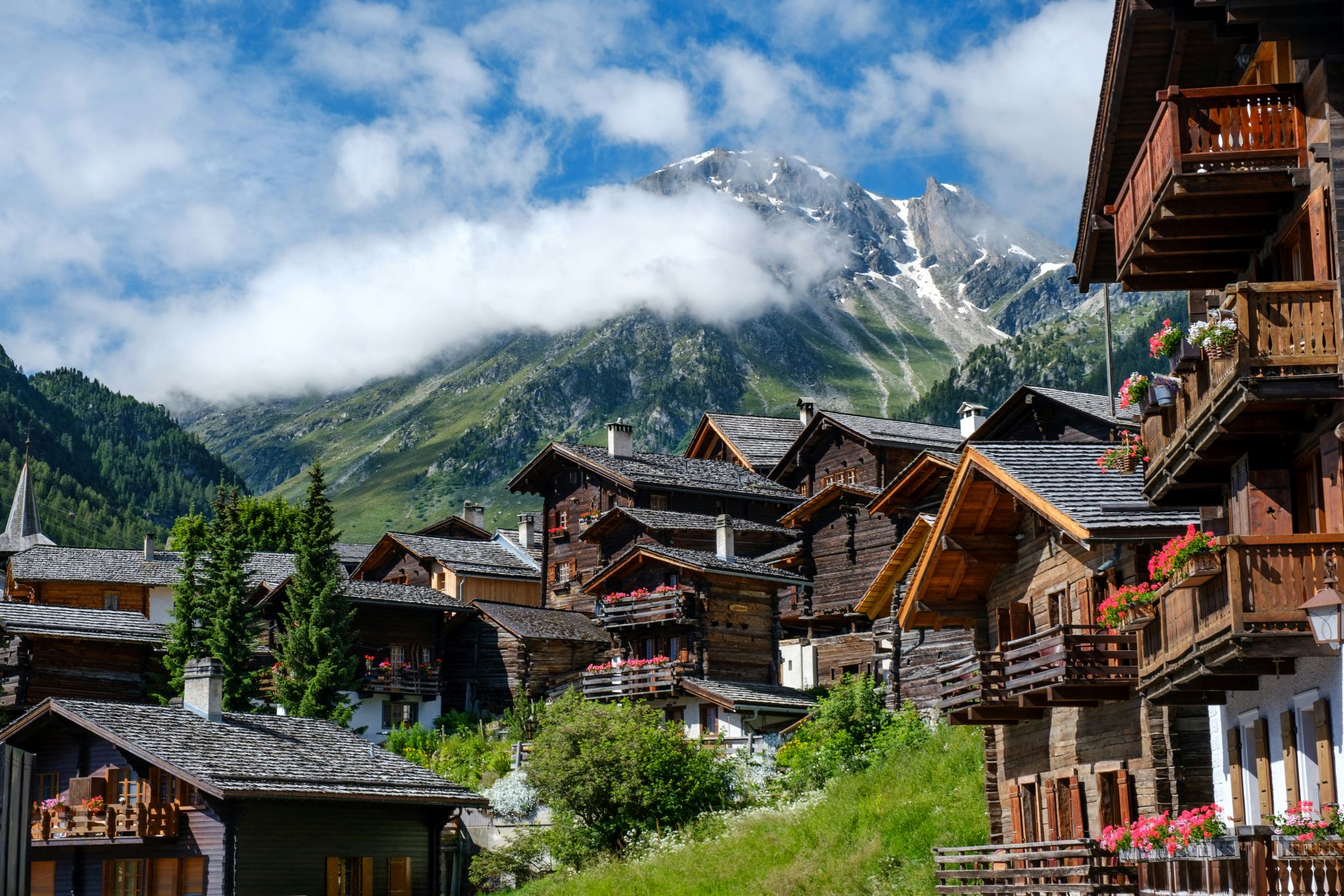
Switzerland remains one of Europe’s most attractive destinations for expats. Known for its stability, safety, and spectacular landscapes, it offers a blend of efficiency and elegance that makes daily life both comfortable and rewarding.
In 2026, Switzerland continues to draw professionals, students, and retirees from around the world thanks to its strong economy, political neutrality, and exceptional public services. From the sophistication of Zurich to the charm of Geneva and the tranquility of Lucerne, the country’s diversity offers something for everyone.
Should You Rent or Buy in Switzerland
Most newcomers begin their stay by renting, as the Swiss property market can be expensive and highly regulated. Rental contracts are clear and secure, providing stability for tenants.
Buying property in Switzerland is possible, but restrictions apply for foreigners:
EU/EFTA citizens residing in Switzerland can buy property without restriction.
Non-residents or non-EU citizens usually need a special permit (Lex Koller law).
Property prices are among the highest in Europe, especially in Zurich, Geneva, and Zug.
For short- to medium-term expats, renting is the most practical and flexible option.
Types of Accommodation in Switzerland
Apartments (Wohnungen)
The most common type of housing, especially in cities. Apartments are typically well-built, energy efficient, and may include storage rooms or shared laundry facilities. Best for singles, couples, and professionals.
Houses (Einfamilienhäuser)
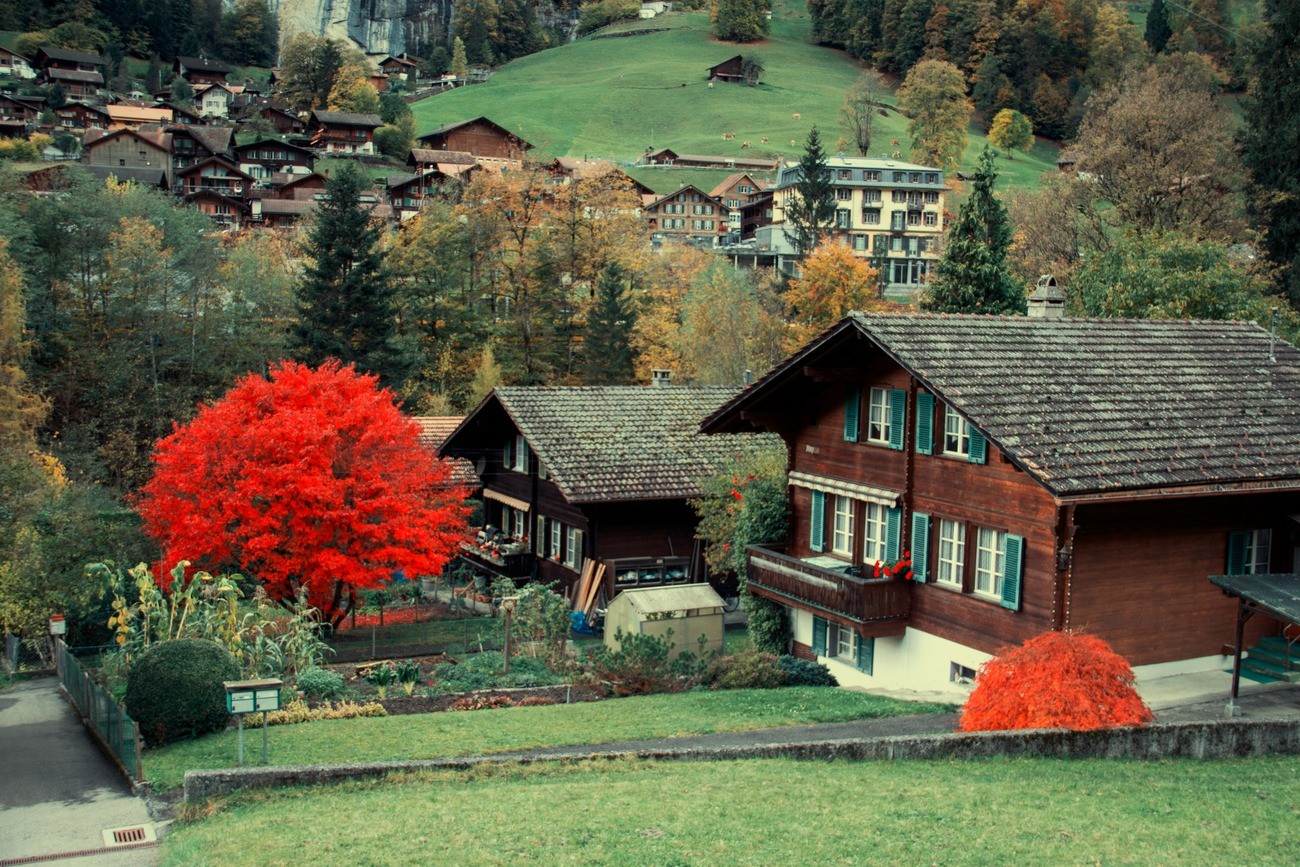
Detached homes or semi-detached houses are found mainly in suburban or rural areas. They offer more space, gardens, and privacy but come with higher costs. Best for families and long-term residents.
Studios
Compact, self-contained apartments ideal for individuals or students. Usually located near city centers or universities.
Shared Apartments (Wohngemeinschaft or WG)
Popular among young professionals and students. You rent a private room and share the kitchen, living room, and bathroom with others. Best for those seeking affordable options and social living.
Serviced Apartments
Fully furnished with utilities and maintenance included, available for short or medium-term stays. Best for expats on corporate assignments.
Average Rent in Switzerland
Housing costs in Switzerland vary greatly depending on city and canton. The table below shows estimated monthly rents.
Type of Accommodation | Zurich | Geneva | Basel / Bern / Lausanne | Smaller Towns |
Studio / 1-Bedroom Apartment | CHF 2,200–3,200 (€2,250–€3,280) | CHF 2,000–3,000 (€2,050–€3,080) | CHF 1,500–2,500 (€1,540–€2,570) | CHF 1,000–1,800 (€1,030–€1,850) |
3-Bedroom Apartment | CHF 3,500–6,000 (€3,590–€6,160) | CHF 3,000–5,000 (€3,080–€5,130) | CHF 2,200–3,800 (€2,260–€3,890) | CHF 1,500–2,500 (€1,540–€2,570) |
Room in Shared Flat | CHF 900–1,500 (€925–€1,540) | CHF 800–1,300 (€825–€1,340) | CHF 700–1,200 (€720–€1,230) | CHF 600–900 (€620–€930) |
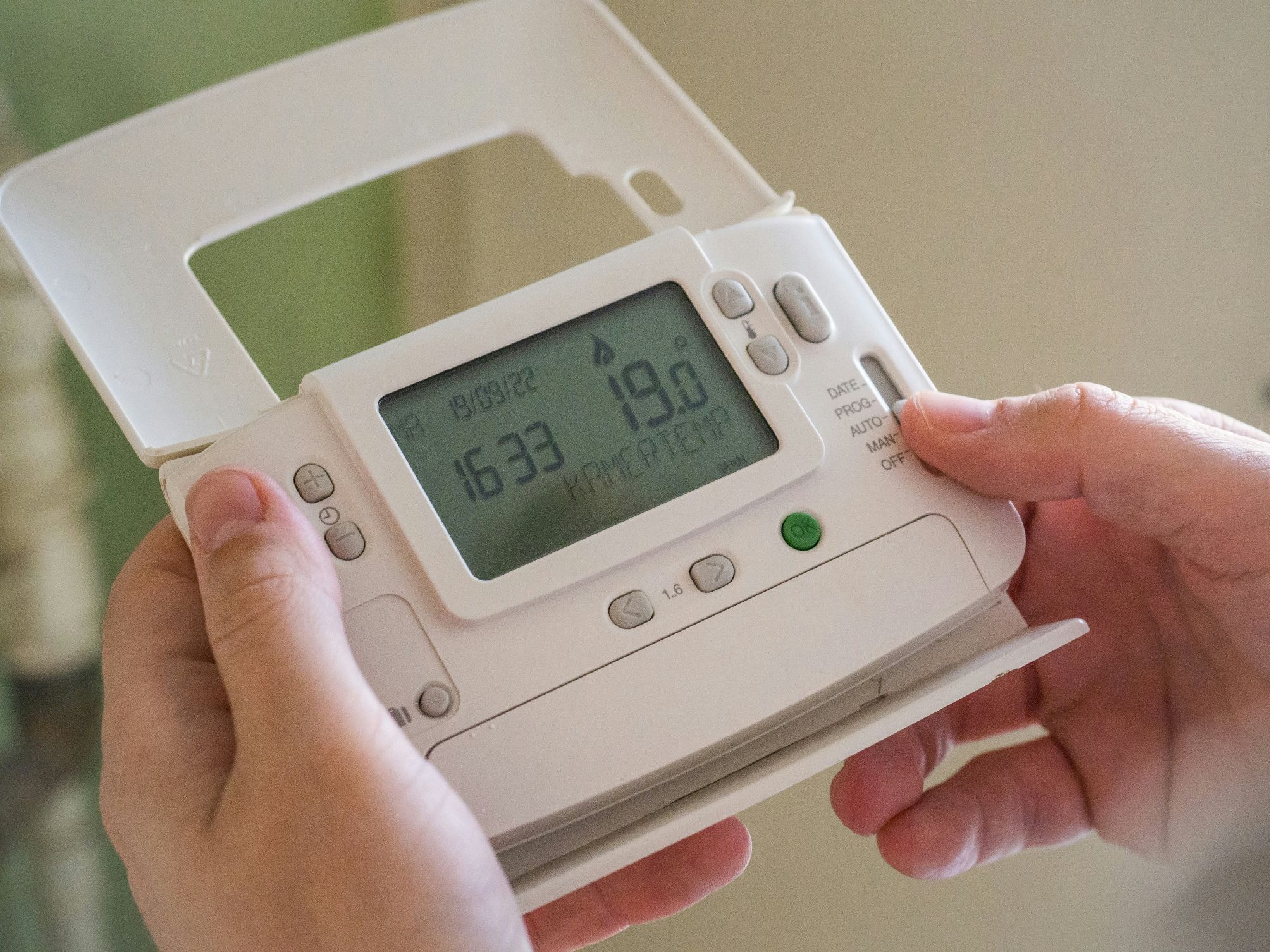
Utilities (heating, electricity, water, and internet) usually add CHF 200–400 (€205–€410) per month, depending on the season.
Cost of Living in Switzerland (2026 Overview)
Switzerland has one of the highest costs of living globally, but salaries and services are proportionally high.
Category | Average Monthly Cost | Notes |
Rent (1-bedroom in city center) | CHF 2,500 (€2,570) | Highest in Zurich and Geneva |
Utilities (electricity, heating, internet) | CHF 250–400 (€260–€410) | Varies by region and usage |
Food and groceries | CHF 800–1,000 (€820–€1,030) | Supermarkets like Coop and Migros are common |
Public transport | CHF 80–150 (€85–€155) | Discounted monthly passes available |
Health insurance | CHF 300–600 (€310–€620) | Mandatory for all residents |
Total estimated cost | CHF 4,000–5,000 (€4,100–€5,130) | Single person, major city |
Best Cities to Live in Switzerland in 2026
Zurich
The country’s largest city and financial hub, Zurich combines business, leisure, and nature seamlessly.
Why move here: excellent job opportunities, cultural events, and access to nature.
Neighborhoods: Seefeld, Enge, Wiedikon, Oerlikon.
Geneva
A global diplomatic center and one of Europe’s most international cities.
Why move here: cosmopolitan atmosphere, international organizations, lake views.
Neighborhoods: Eaux-Vives, Carouge, Petit-Saconnex.
Basel
Located on the French and German borders, Basel offers a mix of cultures, art, and innovation.
Why move here: strong pharma industry, great museums, central European location.
Neighborhoods: St. Johann, Gundeldingen, Kleinbasel.
Lausanne
A lively lakeside city with a strong student and sports community.
Why move here: scenic beauty, excellent transport, youthful energy.
Neighborhoods: Ouchy, Sous-Gare, Chailly.
Bern
The capital city is known for its historic charm and relaxed atmosphere.
Why move here: safety, slower pace, government jobs.
Neighborhoods: Kirchenfeld, Breitenrain, Lorraine.
How to Find a Home in Switzerland
Start searching 2–3 months in advance, especially in Zurich and Geneva.
Use reputable websites such as Homegate.ch, ImmoScout24.ch, and Comparis.ch.
Register for local housing cooperatives (Genossenschaften) for lower rents and long-term stability.
Expect to pay a deposit equal to 1–3 months’ rent.
Most landlords require proof of employment, residence permit, and a debt-free certificate (Betreibungsauszug).
Rent contracts are long-term but can usually be terminated with three months’ notice.
Apartments are rarely furnished; check what is included.
Tips for Renting in Switzerland
Attend viewings promptly; demand is high in major cities.
Avoid noisy behavior, Swiss neighbors value quiet and privacy.
Rent payments are made via bank transfer at the beginning of each month.
Make sure to register your address with the local commune within 14 days of moving in.
Tenants are often responsible for small repairs and maintenance.
Subletting requires landlord approval.
Buying Property in Switzerland
Buying real estate is a long-term investment, but restrictions apply for foreigners.
Average price per square meter in 2026:
Zurich: CHF 15,000–25,000 (€15,400–€25,700)
Geneva: CHF 14,000–22,000 (€14,400–€22,600)
Basel / Lausanne: CHF 10,000–15,000 (€10,300–€15,400)
Smaller towns: CHF 6,000–10,000 (€6,200–€10,300)
Additional costs include notary and registration fees (3–5% of the price). Mortgages are available to residents with proof of income and long-term permits.
Life in Switzerland: Order, Nature, and Security
Switzerland is admired for its precision, organization, and breathtaking landscapes. Life here is calm and predictable, with excellent healthcare, education, and transport systems.
Public services are efficient, and safety levels are among the highest in the world. The Swiss appreciate privacy, punctuality, and respect for rules, but they also value nature, hiking, and community festivals.
English is widely spoken in cities, though learning basic German, French, or Italian (depending on region) helps greatly with integration.
Cultural Tips for Living in Switzerland
Punctuality is essential; being late is considered disrespectful.
Sundays are quiet days, most shops close, and noise is discouraged.
Recycling is mandatory and taken seriously.
Remove shoes when entering homes.
Politeness and formality are appreciated in all interactions.
Be mindful of apartment noise rules, especially after 10 p.m.
Final Thoughts
Finding your new home in Switzerland in 2026 opens the door to an exceptional lifestyle defined by safety, comfort, and beauty.
Whether you choose a lakeside apartment in Zurich, a mountain-view home near Lausanne, or a quiet flat in Bern, you’ll find a country that values quality, community, and nature.
Take time to understand local customs, adapt to Swiss efficiency, and enjoy one of the most organized and rewarding societies in the world.

Das Wie
>
.000
Fälle jährlich
+
Aktive Länder
.
/5
Ausgezeichnete Bewertung
+
Unternehmen nutzen uns
ANDERE DIENSTE