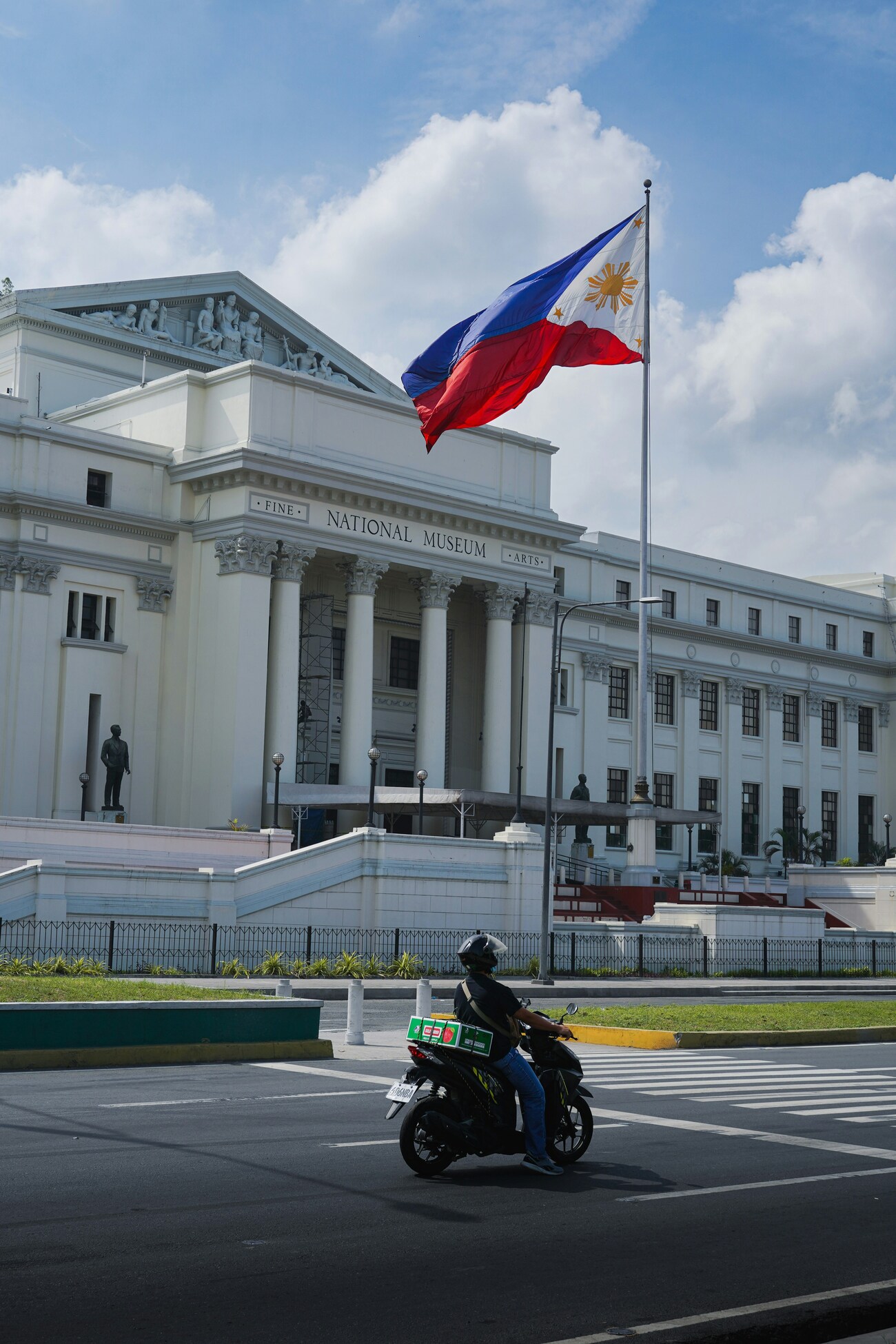


Managing your finances wisely is essential no matter where you live and if you’re planning a move to the Philippines or already living there, understanding the local cost of living can make a world of difference. Whether you’re an expat settling in, a local entrepreneur balancing business and personal finances, or a professional advising clients, this guide provides a clear picture of the average living expenses in the Philippines for 2026 and how to keep them under control.
Average Costs of Living in the Philippines (Excluding Rent)
The average cost of living in the Philippines (excluding rent) is approximately ₱30,000–₱35,000 (€500–€600) per month for a single person and around ₱75,000–₱145,000 (€1,300–€2,500) per month for a family of four.
These figures cover groceries, utilities, transportation, dining, and entertainment, and vary considerably depending on where you live. Metropolitan areas such as Manila, Cebu, and Davao tend to be more expensive, while smaller cities and rural areas are considerably more affordable.
Groceries
For most households in the Philippines, groceries make up a significant portion of the monthly budget. Prices differ between supermarkets such as SM Hypermarket, Robinsons, S&R, and Puregold, but local wet markets often provide fresher and cheaper options.
Average monthly grocery spending: ₱20,000–₱30,000 per person.
Typical prices for everyday items:
A loaf of bread (500 g): ₱50–₱90
1 L of milk: ₱90–₱120
A dozen eggs: ₱110–₱130
1 kg of chicken breast: ₱220–₱280
1 kg of cheese: ₱400–₱600
Fresh fruits (bananas, mangoes, apples): ₱100–₱200 per kg
1 kg of rice: ₱45–₱65
1 kg of onions or potatoes: ₱70–₱100
Local bottle of wine: ₱400–₱700
Tip: Buy seasonal fruits and vegetables at local markets prices can be 30–50 % lower than in supermarkets.
Utilities
The cost of utilities in the Philippines varies widely depending on region, household size, and usage, particularly for air conditioning, which is essential during hot months.
Average monthly cost for a medium-sized apartment: ₱6,000–₱10,000
This includes:
Electricity: ₱4,000–₱7,000
Water and garbage collection: ₱500–₱1,000
Internet (unlimited high-speed): ₱1,500–₱2,000
Mobile service: ₱500–₱1,000
Pro Tip: Avoid running air conditioning 24/7; it can easily double your electricity bill. Use fans or invest in energy-efficient appliances.
Insurance
While public healthcare (PhilHealth) is available to all residents, many locals and expats opt for private health coverage to ensure faster and higher-quality service.
Private health insurance:
Basic coverage: ₱2,000–₱3,000/month (~₱24,000–₱36,000/year)
Comprehensive coverage: ₱5,000–₱10,000/month (~₱60,000–₱120,000/year)
Car insurance:
Third-party liability: ₱5,000–₱10,000/year
Comprehensive: ₱15,000–₱30,000/year (depending on vehicle and location)
Home insurance:
₱5,000–₱20,000/year depending on property value and coverage.
Transportation
Public transport in the Philippines is inexpensive and efficient for most commuters, especially in urban centers.
Average costs:
Jeepney or bus fare (one-way): ₱15–₱25
Metro ticket (one-way): ₱20–₱40
Monthly public transport pass: ₱1,000–₱2,000
Petrol: ₱70–₱80 per L
Grab (ride-hailing) short trip: ₱150–₱250
If you own a car, factor in maintenance, parking, and toll fees. Driving is convenient for families but can be costly and time-consuming due to traffic congestion in major cities.
Dining and Entertainment
Eating out in the Philippines can be affordable, from casual carinderias (local eateries) to high-end restaurants offering international cuisine.
Average dining costs:
Meal at a local restaurant: ₱200–₱300
Mid-range three-course dinner for two: ₱1,500–₱2,500
Coffee or soft drink: ₱100–₱200
Beer (local): ₱80–₱150
Cocktail (bar or club): ₱250–₱400
Entertainment:
Cinema ticket: ₱350–₱500
Gym membership: ₱1,500–₱2,500 per month
Lifestyle tip: Opt for local leisure activities which are inexpensive and highlight the Philippines’ natural beauty.
Rent Costs in the Philippines
Rent is one of the biggest monthly expenses and depends heavily on location, property size, and amenities.
Average rental prices (2026 estimates):
1-bedroom apartment in city center (Manila/Cebu): ₱20,000–₱40,000
1-bedroom apartment outside center: ₱8,000–₱20,000
3-bedroom apartment in city center: ₱40,000–₱80,000
3-bedroom apartment outside center: ₱25,000–₱50,000
Smaller cities such as Iloilo, Davao, or Bacolod offer excellent quality of life at a fraction of Metro Manila's rent.
Essential Tips for Expense Management in the Philippines
Shop local: Buy produce and groceries from traditional markets to save up to 40 % compared to supermarkets.
Track utilities: Electricity bills can fluctuate dramatically with AC use — monitor consumption closely.
Compare insurance plans: Local and regional providers often offer competitive rates, so shop around annually.
Leverage public transport: It’s affordable, reliable, and helps avoid Manila’s parking and fuel costs.
Plan for the climate: The tropical weather means additional costs for cooling, but less for heating to adjust your energy budget accordingly.0
Save on entertainment: Outdoor activities, community events, and local dining are cost-effective ways to enjoy the Filipino lifestyle.
Conclusion
Living in the Philippines in 2026 can be both affordable and rewarding with smart budgeting. By understanding the key expense categories you can manage your finances efficiently while enjoying the warmth, hospitality, and natural beauty the country offers. Whether you’re an expat exploring life in the tropics or a local looking to optimize your monthly budget, mindful spending and good financial planning will allow you to make the most of what the Philippines has to offer.

Le comment
>
0,000
Cas par an
+
Pays actifs
.
/5
Classement excellent
+
Les entreprises nous utilisent
AUTRES SERVICES