

Japan is a fascinating blend of ancient tradition and cutting-edge modernity, from serene temples in Kyoto to neon-lit Tokyo streets and the cherry blossoms of Hokkaido. But before you start your journey, understanding how to manage money in Japan can save you time, frustration, and extra costs.
Whether you’re coming for tourism, work, or study, this guide will walk you through everything you need to know about handling Japanese Yen, exchanging currency, and avoiding common pitfalls when spending in the Land of the Rising Sun.
Understanding the Japanese Yen (¥ / JPY)
Japan’s official currency is the Japanese Yen (JPY), symbolized as ¥.
The yen has been in use since 1871 and is one of the most traded and trusted currencies in the world.
While Japan is known for its technological sophistication, it remains surprisingly cash-oriented, especially in small towns and traditional areas. Knowing when and how to use cash versus cards will make your stay much smoother.
Yen Denominations
The yen comes in both coins and banknotes:
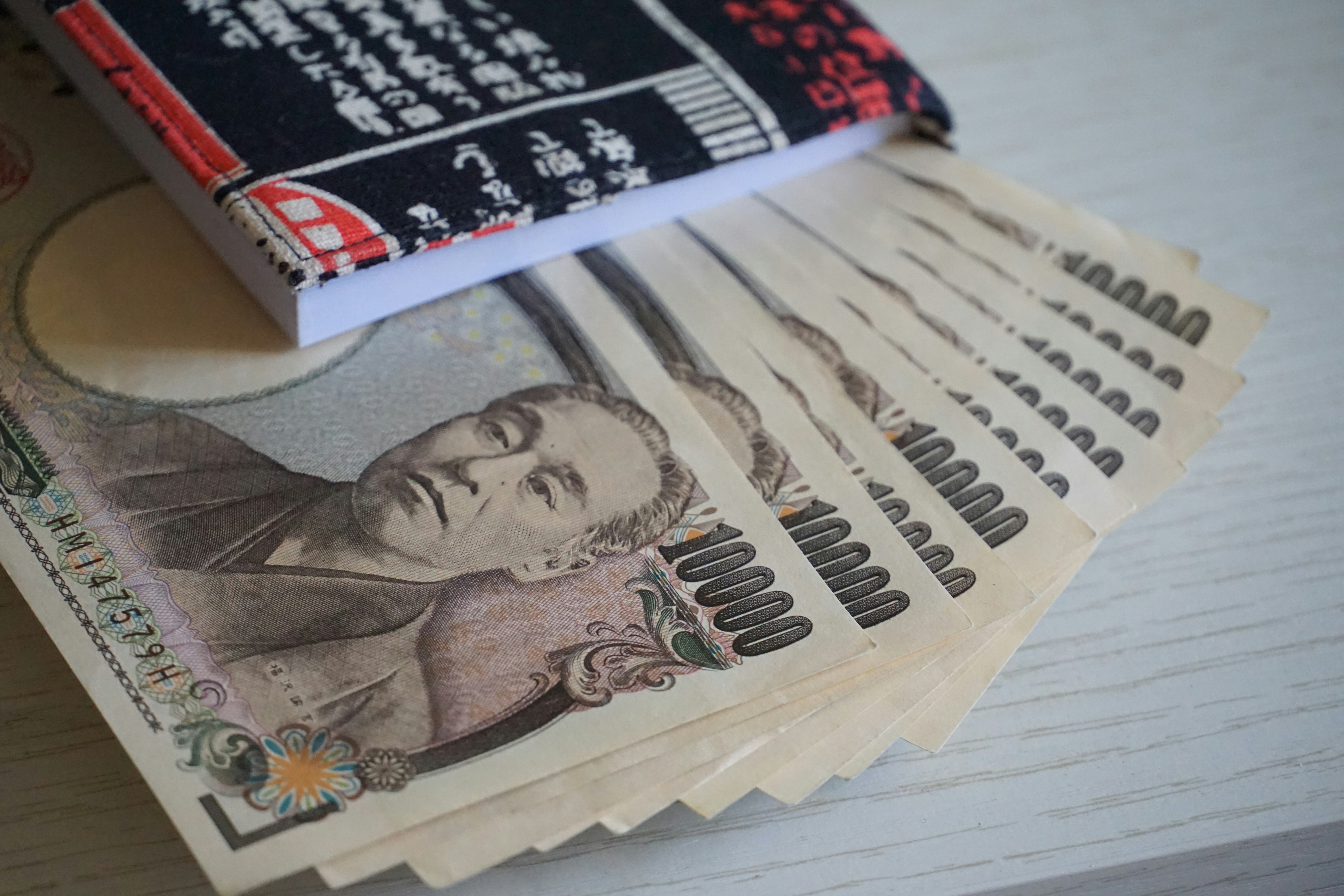
Banknotes: ¥1,000, ¥2,000 (rare), ¥5,000, and ¥10,000
Coins: ¥1, ¥5, ¥10, ¥50, ¥100, and ¥500
Tip: The ¥10,000 note (about 65–70 USD) is commonly used, so don’t worry if you receive one, it’s not considered impolite to pay with large bills.
Exchange Rates for Common Currencies
Exchange rates fluctuate daily, but here’s a general guide for 2026:
1 USD (US Dollar): ~¥145
1 EUR (Euro): ~¥158
1 GBP (British Pound): ~¥182
1 AUD (Australian Dollar): ~¥95
1 CAD (Canadian Dollar): ~¥105
1 CHF (Swiss Franc): ~¥150
100 INR (Indian Rupee): ~¥175
1 SGD (Singapore Dollar): ~¥108
Always check the latest rate before exchanging using Wise, Xe.com, or the Bank of Japan’s official site (boj.or.jp).
Should You Carry Cash in Japan?
Yes, cash (現金 / genkin) is still very important in Japan.
Although digital payments and cards have grown in popularity since the 2020s, many smaller establishments remain cash-only.
Here’s when you’ll definitely need cash:
Local restaurants & cafés: Family-run eateries and ramen shops often don’t take cards.
Temples, shrines & small shops: Donation boxes and local souvenir stalls usually prefer coins.
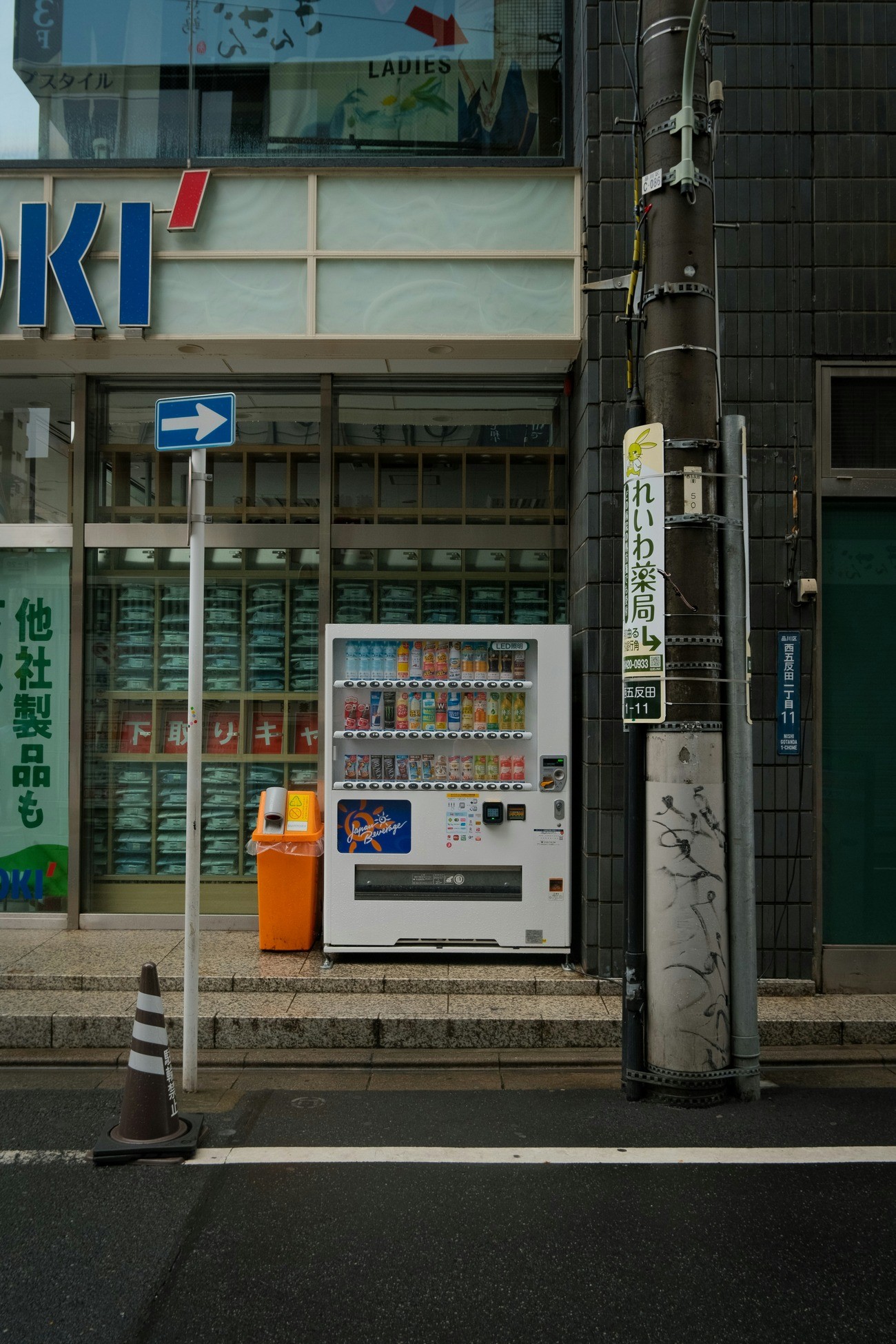
Public transport & rural areas: Some buses, taxis, and vending machines only accept cash.
Accommodation in smaller towns: Local inns (ryokan) sometimes request payment in cash.
Tip: Japan is very safe. Carrying cash isn’t risky, but you should still split it between wallets or bags for peace of mind.
Where to Exchange Currency in Japan
1. Banks
Japanese banks are reliable and secure for exchanging money.
Major banks like MUFG, Mizuho Bank, and SMBC offer currency exchange services, though not all branches do.
Bring your passport, as ID is required by law for foreign exchange. Expect limited English at smaller branches.
2. Currency Exchange Counters
You’ll find exchange counters in airports, large train stations, and tourist areas.
Brands like Travelex or Nippon Currency Exchange are common. Rates are generally competitive, though airport kiosks tend to charge slightly more.
3. ATMs
ATMs are often the easiest and fastest way to get cash in Japan, but not all accept foreign cards.
Look for:
Japan Post Bank ATMs (JP Bank)
Seven Bank (7-Eleven)
Lawson Bank ATMs
These support most international cards and have English instructions.
Important: Some ATMs may charge ¥100–¥250 per withdrawal. Withdraw larger amounts to reduce fees.
4. Prepaid & Multi-Currency Cards
Digital tools like Wise, Revolut, and Cash Passport allow you to preload yen and pay with minimal conversion fees.
They work well in major cities and are accepted in most hotels and restaurants.
5. Avoid Airports & Hotels (If Possible)
Airport counters and hotel desks are convenient but tend to have the worst exchange rates. Use them only for small emergency amounts.
Tips for Currency Exchange in Japan
Compare rates: Check online before exchanging or withdrawing cash.
Bring a travel-friendly card: Avoid foreign transaction fees with Wise or Revolut.
Use foreign-friendly ATMs: 7-Eleven, Japan Post, and Lawson are your best bets.
Avoid dynamic conversion: Always choose to be charged in JPY, not your home currency.
Carry small change: Many machines, buses, and shops don’t accept large bills.
Try mobile payments: Apps like PayPay, Rakuten Pay, and Line Pay are gaining popularity, especially in cities.
Notify your bank: Let them know you’re traveling to Japan to avoid declined transactions.
Frequently Asked Questions
1. Do I need Yen in Japan?
Yes, the Japanese Yen (¥) is the only currency accepted. Cards are common in cities, but cash is still necessary in many situations.
2. Can I pay in USD or other foreign currencies?
No, only Yen is accepted in stores, restaurants, and public transport.
3. Are credit/debit cards accepted everywhere?
Visa and Mastercard are widely accepted in cities, but some smaller places only take cash. American Express and Discover are less common.
4. Does Japan use contactless or mobile payments?
Yes, especially in Tokyo, Osaka, and Yokohama. Apps like PayPay, Suica (via Apple Pay), and Google Pay are becoming mainstream.
5. What’s the best way to avoid high fees?
Withdraw from ATMs using cards with low international fees, or use a digital service like Wise. Avoid airport and hotel exchanges.
6. Is tipping common in Japan?
No, tipping is not customary in Japan and can even be considered rude. Great service is already included in the price.
Final Thoughts
Managing money in Japan doesn’t have to be confusing.
By understanding how the Yen works, knowing where to exchange safely, and using smart payment tools, you’ll make every yen count.
From eating sushi in Tokyo to visiting temples in Kyoto or skiing in Hokkaido, handling your finances confidently means you can enjoy Japan’s beauty and culture without worry.

Le comment
>
0,000
Cas par an
+
Pays actifs
.
/5
Classement excellent
+
Les entreprises nous utilisent
AUTRES SERVICES