

Planning to move to Japan in 2026? Whether you’re captivated by Tokyo’s energy, Kyoto’s culture, or the peaceful beauty of Japan’s countryside, the country offers a range of visas for expats, students, professionals, and digital nomads alike.
However, Japan’s visa system can be a bit complex if you’re not familiar with it, especially for long-term stays. This guide breaks down the main visa categories, requirements, and costs to help you make your move smoothly.
Visa requirements for short stays
Citizens from over 70 countries including most of Europe, the U.K., the U.S., Canada, Australia, New Zealand, and Singapore, can visit Japan visa-free for tourism or business.
What this means
Visa-free entry: Short-term visitors can stay up to 90 days without a visa.
Allowed activities: Tourism, family visits, business meetings, or attending short conferences.
Not allowed: Paid work or long-term residence.
Important (2026 update): Japan’s new Online Entry System (Visit Japan Web) now integrates visa status, customs, and health declarations in a single QR code for faster airport entry.
Long-term visa options for non-Japanese citizens
If you plan to work, study, or live in Japan long-term, you’ll need to apply for a specific visa. Here are the main categories available in 2026:
1. Work Visa
Who it’s for: Foreign professionals employed by Japanese companies or organizations.
Main types of work visas:
Engineer / Specialist in Humanities / International Services – for IT, engineering, business, and language professionals.
Intra-Company Transferee – for employees transferring from a company’s overseas branch.
Skilled Labor Visa – for qualified workers (chefs, craftsmen, pilots, etc.).
Business Manager Visa – for entrepreneurs running or managing a business in Japan.
Requirements:
Job offer from a Japanese employer.
Bachelor’s degree or relevant professional experience.
Certificate of Eligibility (COE) issued by the Japanese Immigration Bureau.
Duration: Typically 1–5 years, renewable.
2. Highly Skilled Professional Visa
Who it’s for: Experienced professionals with advanced qualifications in business, academia, or technology.
Benefits:
Fast-track permanent residency (after 1–3 years).
Permission to bring dependents and a domestic helper.
Multi-entry privileges and easier visa renewals.
Requirements:
A points-based system (minimum 70 points) based on:
Education
Professional experience
Salary level
Japanese language proficiency
3. Student Visa
Who it’s for: Students enrolled in Japanese universities, language schools, or vocational programs.
Requirements:
Letter of admission from a Japanese institution.
Proof of sufficient funds (approx. ¥1,000,000–¥1,500,000 per year).
Valid passport and recent photos.
Duration: Matches your study program (usually 1–4 years).
Good to know: Students can work up to 28 hours per week with a work permit.
4. Digital Nomad Visa (new in 2026)
Who it’s for: Remote workers employed by companies outside Japan or freelancers with international clients.
Requirements:
Proof of remote work or freelance contracts.
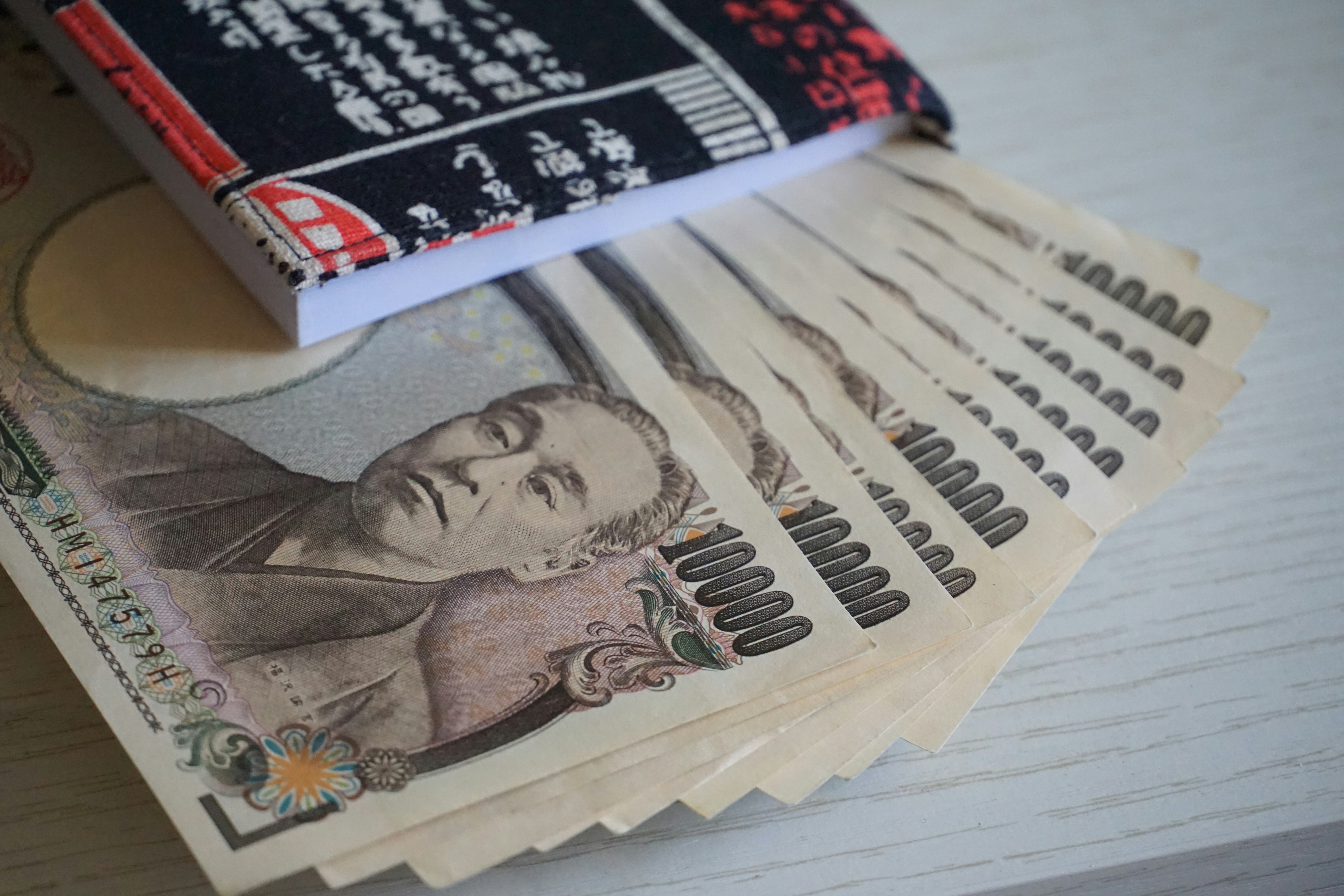
Minimum annual income of ¥10 million (approx. €60,000).
Private health insurance covering your entire stay.
Valid passport and proof of accommodation in Japan.
Duration: 6 months, renewable once (total stay: 1 year).
This new visa aims to attract high-income remote workers to live and work from cities like Tokyo, Osaka, or Fukuoka, boosting tourism and innovation.
5. Spouse or Family Visa
Who it’s for: Spouses and dependents of Japanese citizens or foreign residents with long-term visas.
Requirements:
Marriage or birth certificate proving relationship.
Proof of financial stability and accommodation in Japan.
Duration: 1–5 years, renewable.
6. Permanent Residency
Who it’s for: Foreigners who’ve lived in Japan long-term and wish to stay indefinitely.
Eligibility:
Generally after 10 consecutive years in Japan.
After 1–3 years if holding a Highly Skilled Professional Visa.
Must demonstrate good conduct and stable financial means.
Benefits:
No visa renewals.
Freedom to change jobs and stay permanently.
Required documentation for Japanese visas
Though exact requirements vary, most visa applications include:
Completed visa application form
Valid passport (6+ months beyond stay)
Recent passport-size photos
Certificate of Eligibility (for long-term stays)
Proof of financial means (bank statements, payslips, etc.)
Proof of accommodation in Japan
Health and travel insurance
Supporting documents for your visa type (e.g., job offer, enrollment letter, or marriage certificate)
Visa costs in Japan (2026 estimates)
Visa Type | Application Fee | Additional Costs |
Short-Stay Visa | ¥3,000–¥6,000 (€20–€40) | Health insurance (optional) |
Work Visa | ¥6,000 (€40) | Document translation and COE processing |
Highly Skilled Visa | ¥6,000 (€40) | Same as work visa |
Student Visa | ¥3,000–¥6,000 (€20–€40) | Tuition and insurance |
Digital Nomad Visa | ¥10,000 (€65) | Proof of income & private insurance |
Spouse/Family Visa | ¥6,000 (€40) | Document authentication |
Permanent Residency | ¥8,000–¥10,000 (€50–€65) | Residence card issuance fee |
Fees are non-refundable, and depend on your nationality and application location.
Long-term residence and citizenship
Permanent residence: Granted after 10 years of residence (or faster for highly skilled workers).
Citizenship: Possible after 5 years of residence and proof of cultural integration.
Dual citizenship: Japan does not allow dual nationality for adults, you must choose one by age 22 if you hold multiple citizenships.
Final notes on Japanese visas
Japan continues to modernize its visa system in 2026, with digital applications and expanded opportunities for remote work and entrepreneurship. Though the process can be paperwork-heavy, clear guidance and online systems now make it easier than ever.
Whether you’re coming to work in Japan’s tech sector, study the language, or explore life as a digital nomad, Japan offers a range of visas to help you make the transition.
Start early, stay organized, and get ready to experience life in one of the most fascinating and innovative countries in the world.

El cómo
>
.000
Casos anuales
+
Países activos
.
/5
Excelente calificación
+
Las empresas nos utilizan
OTROS SERVICIOS