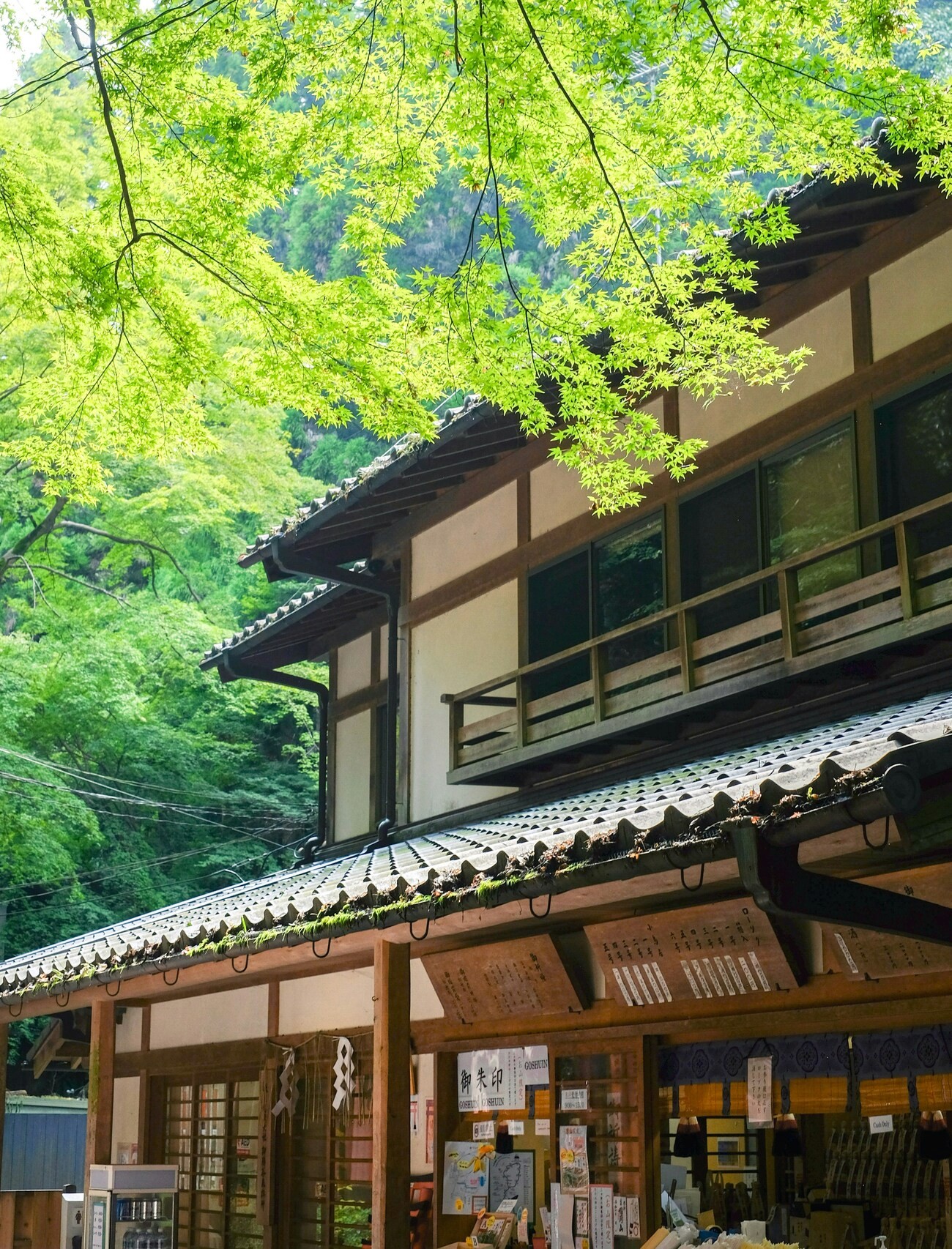


Japan remains one of the most fascinating countries in the world to relocate to, blending ancient culture, modern technology, and a lifestyle centered on safety, respect, and quality.
In 2026, Japan will continue to attract expats, professionals, students, and remote workers. Whether you are drawn to the energy of Tokyo, the cultural depth of Kyoto, or the relaxed pace of Fukuoka, Japan offers diverse living options to fit your goals and lifestyle.
Should You Rent or Buy in Japan
Most newcomers start by renting when they first arrive. Japan’s rental market is organized and reliable, with options ranging from compact city apartments to larger suburban homes.
Buying property is also possible. Foreigners can legally buy property and land in Japan without citizenship or residency. However, obtaining financing can be challenging without a long-term visa or local employment.
For most expats, renting remains the most flexible choice, particularly in major cities where furnished and short-term rentals are available.
Types of Accommodation in Japan
Apartments (Mansions / Apaato)
Apartments are the most common type of housing, ranging from small wooden structures to modern high-rises. “Mansions” are modern, secure buildings, while “Apaato” are smaller, often older, and more affordable.
Best for professionals, singles, and couples.
Houses (Ikodate)
Detached homes are found in suburban or rural areas. They offer privacy, space, and often a garden, though commuting times may be longer.
Best for families and long-term expats.
Share Houses (Sheahausu)
A popular and cost-effective choice where residents rent private rooms and share kitchens, bathrooms, and common areas.
Best for students, young professionals, and digital nomads.
Serviced Apartments
Fully furnished with utilities, internet, and cleaning services included. These are ideal for business travelers and short-term stays.
Best for corporate relocations and professionals.
Company Housing (Shataku)
Some employers provide subsidized company housing, particularly for full-time staff.
Best for employees on long-term contracts.
Average Rent in Japan
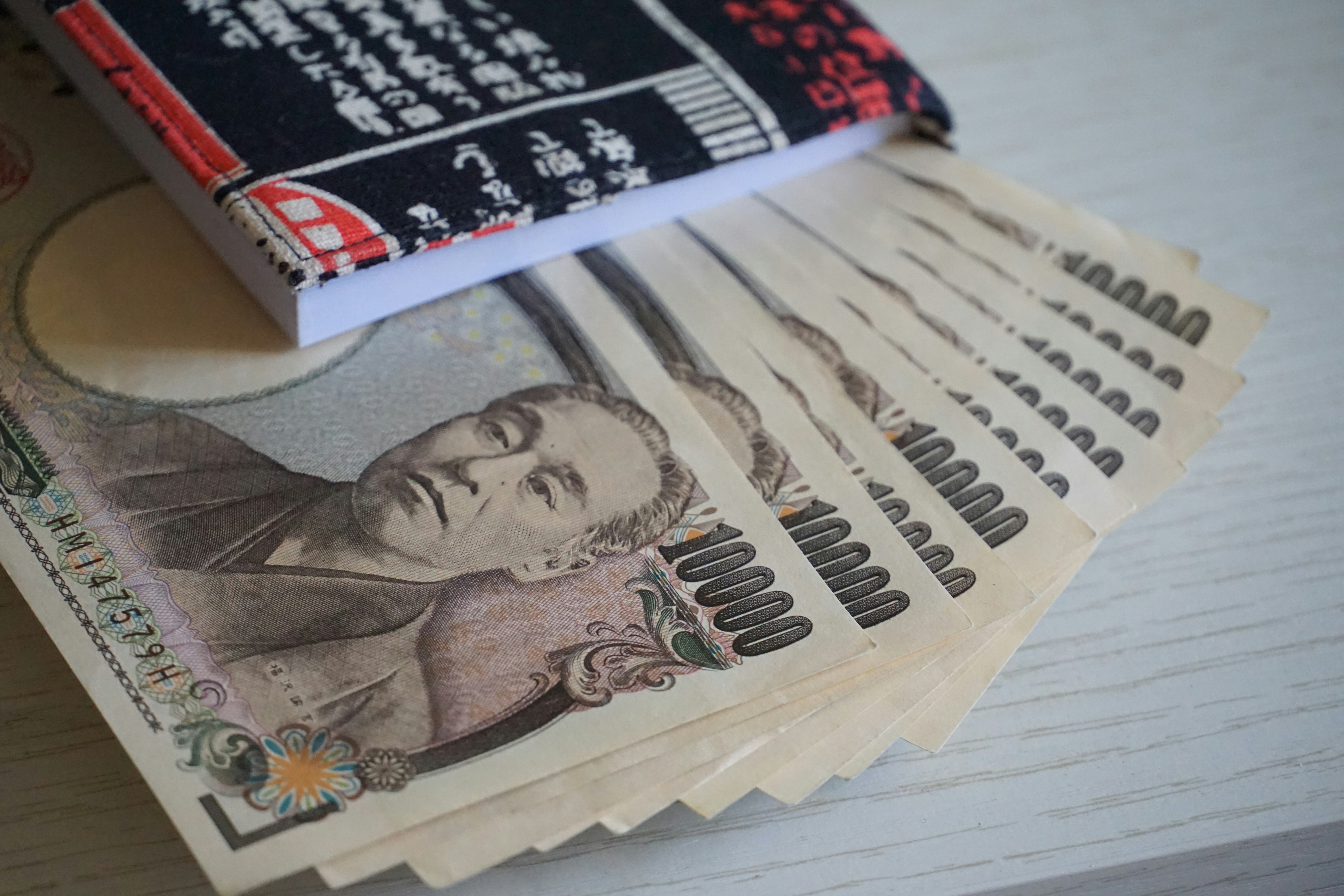
Rental prices vary based on city, district, and proximity to public transport. Below are estimated average monthly rents in 2026.
Type of Accommodation | Tokyo (Capital) | Osaka / Yokohama / Nagoya | Smaller Cities / Rural Areas |
Studio / 1-Bedroom Apartment | ¥100,000–¥180,000 (€620–€1,100) | ¥70,000–¥120,000 (€430–€740) | ¥40,000–¥80,000 (€250–€500) |
2–3 Bedroom Apartment | ¥200,000–¥350,000 (€1,250–€2,200) | ¥120,000–¥200,000 (€740–€1,250) | ¥80,000–¥130,000 (€500–€800) |
Room in Share House | ¥50,000–¥90,000 (€310–€560) | ¥40,000–¥70,000 (€250–€430) | ¥30,000–¥60,000 (€190–€370) |
Note: Rents are generally lower outside major cities. Expect to pay one or two months’ rent as a deposit, plus potential agency and key money fees.
Cost of Living in Japan (2026 Overview)
Japan offers a high standard of living and excellent infrastructure. While Tokyo can be expensive, overall costs are manageable compared to other global cities.
Category | Average Monthly Cost | Notes |
Rent (1-bedroom apartment in city center) | ¥140,000 (€860) | Varies by location |
Utilities (electricity, water, internet) | ¥15,000–¥25,000 (€90–€160) | Higher in winter |
Food and groceries | ¥40,000–¥60,000 (€250–€380) | Eating out adds extra |
Public transport | ¥10,000–¥15,000 (€65–€100) | Monthly commuter pass |
Health insurance | ¥20,000 (€125) | National coverage |
Total estimated cost | ¥230,000–¥280,000 (€1,400–€1,750) | For a single person |
Best Cities to Live in Japan in 2026
Tokyo
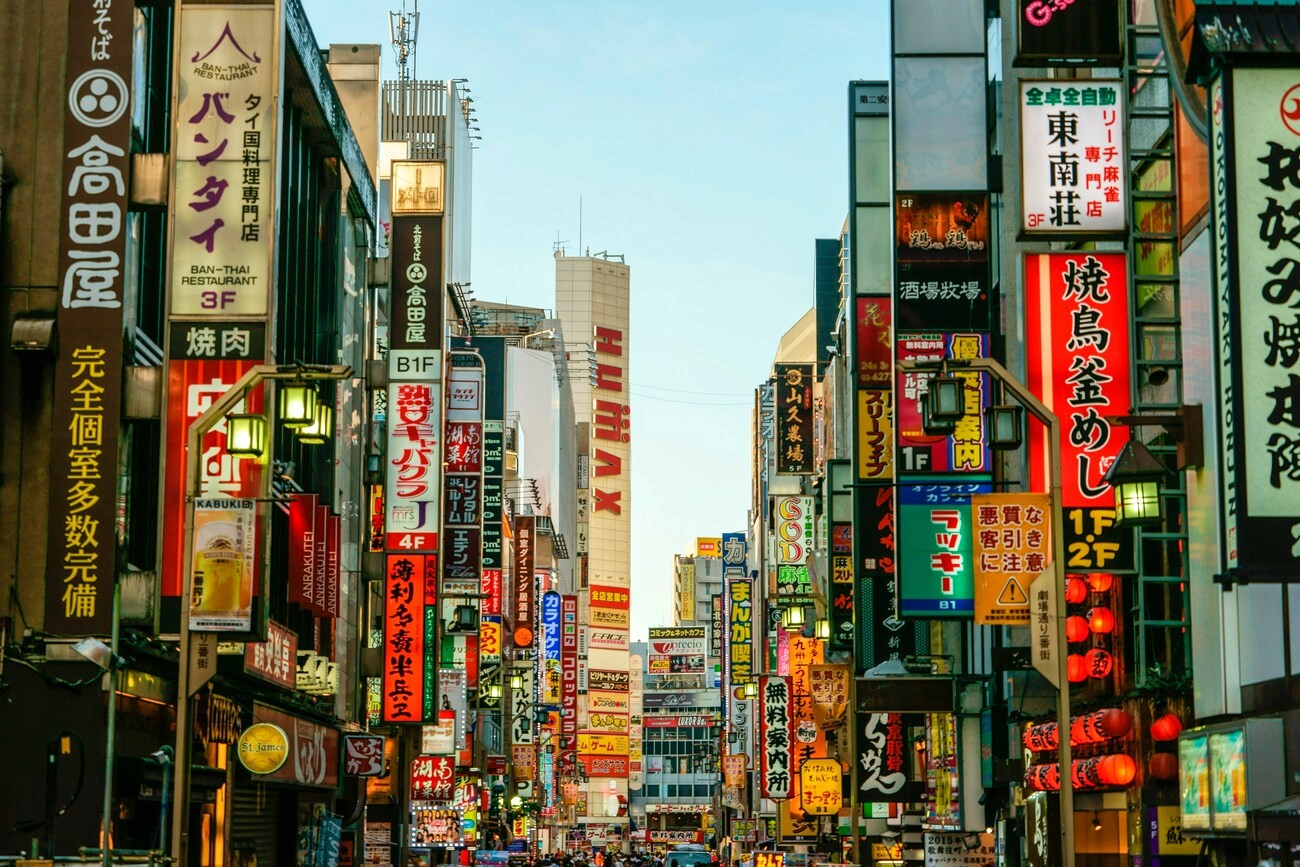
The capital offers endless career opportunities, top universities, and a world-class lifestyle.
Why move here: professional growth, cultural diversity, efficient transport.
Popular neighborhoods: Shinjuku, Meguro, Setagaya, Kichijoji.
Osaka
A vibrant city known for hospitality, humor, and great food.
Why move here: affordable living, friendly locals, energetic lifestyle.
Neighborhoods: Namba, Umeda, Tennoji.
Yokohama
A modern harbor city near Tokyo with international schools and a relaxed atmosphere.
Why move here: family-friendly, scenic waterfront, short commute to Tokyo.
Neighborhoods: Minato Mirai, Motomachi, Naka Ward.
Kyoto
A cultural capital filled with temples, gardens, and traditions.
Why move here: historical beauty, creative scene, tranquil living.
Neighborhoods: Higashiyama, Sakyo-ku, Arashiyama.
Fukuoka
An emerging favorite for expats due to affordability and coastal charm.
Why move here: mild climate, excellent food, slower pace of life.
How to Find a Home in Japan
Start online: Use trusted websites such as SUUMO, Homes.co.jp, GaijinPot Housing, and RealEstateJapan.com.
Work with a bilingual agent: English-speaking agents simplify contracts and communication with landlords.
Avoid scams: Verify listings and avoid sending money before signing a contract.
Timing: The busiest rental season is March to May, coinciding with job and school changes.
View in person: Always visit a property before signing or have a trusted representative check it for you.
Tips for Renting in Japan
Understand “key money” (reikin): a traditional non-refundable fee, usually one month’s rent.
Deposits (shikikin): typically one or two months’ rent, refundable upon move-out if no damage occurs.
Agency fees: generally equal to one month’s rent.
Guarantor (hoshonin): many landlords require a Japanese guarantor or guarantor company.
Location: proximity to train or subway lines significantly affects pricing.
Furnishings: most rentals are unfurnished; tenants must provide appliances and furniture.
Buying Property in Japan
Foreigners can buy property and land in Japan without restrictions.
Average property prices in 2026:
Tokyo: ¥1,200,000–¥1,800,000 per m² (€7,500–€11,300)
Osaka / Yokohama: ¥700,000–¥1,200,000 per m² (€4,400–€7,500)
Smaller cities: ¥400,000–¥800,000 per m² (€2,500–€5,000)
Additional costs such as registration, taxes, and legal fees typically total five to seven percent of the purchase price. Mortgages are available to foreigners with proof of residence and income.
Life in Japan: Efficiency, Culture, and Comfort
Japan’s lifestyle combines order, safety, and innovation. Public transport is world-class, healthcare is reliable, and crime rates are among the lowest globally.
The country values harmony and respect in daily life. From spring cherry blossoms to winter snow festivals, Japan’s changing seasons bring beauty and balance. English is commonly spoken in major cities, though learning some Japanese enhances the experience and helps with community integration.
Cultural Tips for Living in Japan
Punctuality is essential; always arrive on time.
Remove shoes before entering homes or certain indoor spaces.
Keep noise low in apartments; respect shared spaces.
Follow local recycling and waste-sorting rules.
Use polite language; simple phrases like “arigatou gozaimasu” (thank you) show respect.
Engage with your neighborhood; local events and traditions strengthen community ties.
Final Thoughts
Finding your new home in Japan in 2026 is not just about choosing an apartment; it is about discovering a lifestyle that blends tradition, innovation, and community.
Whether you settle in a modern apartment in Tokyo, a townhouse in Kyoto, or a seaside home in Fukuoka, Japan offers stability, culture, and an exceptional standard of living.
With research, patience, and curiosity, you will find that Japan is one of the world’s most rewarding places to call home.

El cómo
>
.000
Casos anuales
+
Países activos
.
/5
Excelente calificación
+
Las empresas nos utilizan
OTROS SERVICIOS