

Moving to Japan is an exciting experience filled with culture, efficiency, and convenience. Whether you are settling in Tokyo, Osaka, Kyoto, or a quieter regional city, one of your first steps will be arranging your essential utilities.
This guide walks you through how to set up:
Electricity
Gas
Water
Internet and Mobile Services
It also includes key providers, typical costs, and practical tips for a smooth start to life in Japan.
Electricity
Japan’s electricity market is privatized, allowing you to choose from several providers. However, the grid operator depends on your region. Electricity supply runs on 100 volts, with frequencies differing by region, 50 Hz in eastern Japan (Tokyo area) and 60 Hz in western Japan (Osaka, Kyoto).
If you are renting, check with your landlord or real estate agent whether electricity is already connected. You will usually need to set up an account in your name.
Documents required:
Residence card or passport
Address and move-in date
Bank account or credit card details for payments
Major providers by region:
Tokyo Electric Power Company (TEPCO) – Tokyo and eastern Japan
Kansai Electric Power (KEPCO) – Osaka, Kyoto, western Japan
Chubu Electric Power – Nagoya and central Japan
Kyushu Electric Power – southern Japan
Hokkaido Electric Power – northern Japan
Average costs:
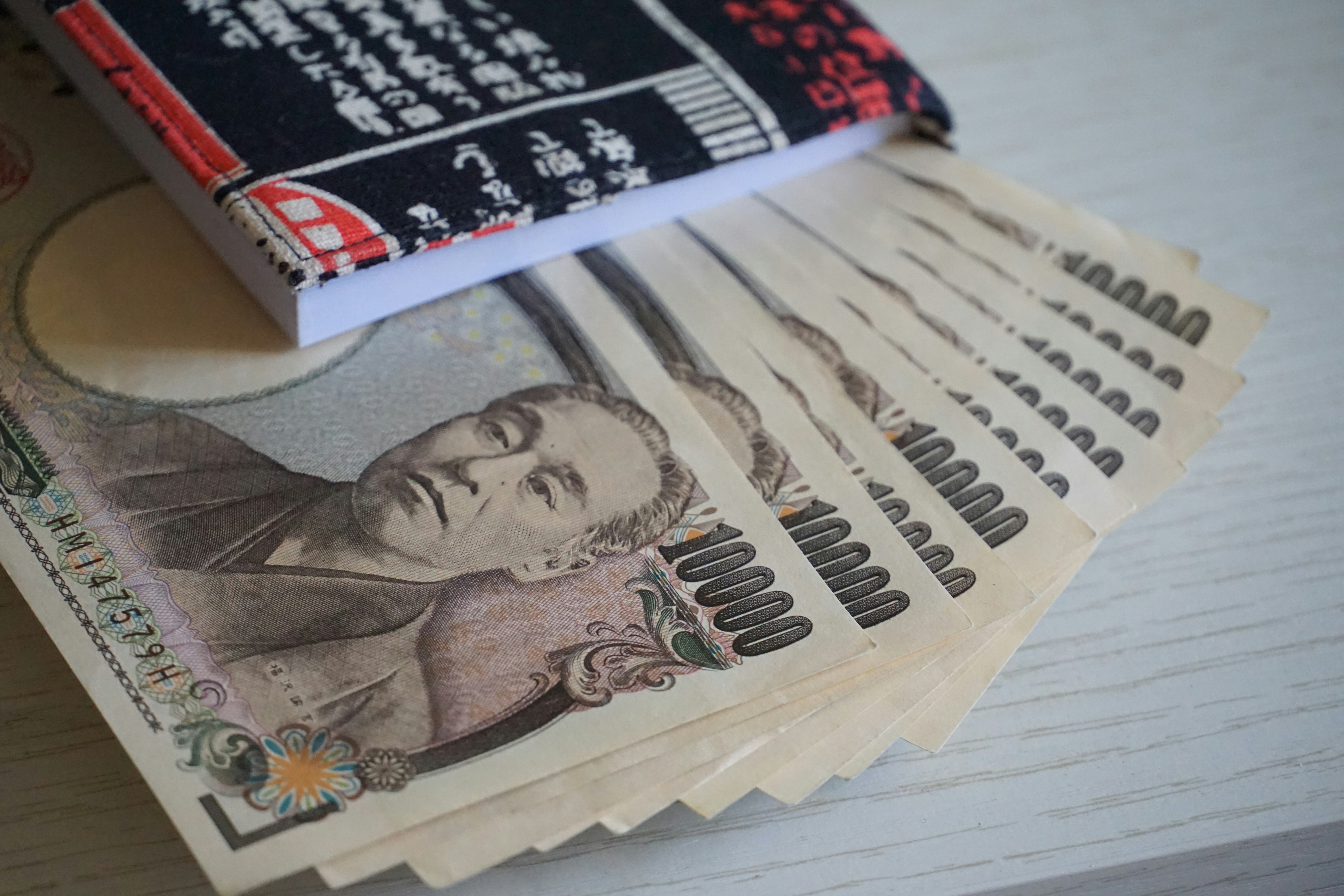
6,000–10,000 JPY/month (€40–€70) for a single occupant
10,000–20,000 JPY/month (€70–€135) for families or larger homes
Tips:
Many modern apartments have smart meters, allowing you to track usage online.
Time-based or “eco” plans can lower your bills if you use electricity during off-peak hours.
Consider newer providers like Looop Denki or ENEOS Denki for renewable energy options and flexible contracts.
Gas
Gas in Japan is primarily used for cooking, water heating, and sometimes space heating. There are two main types of gas supply:
City gas (piped natural gas, common in urban areas.
Propane gas (LPG) (delivered in cylinders, common in rural areas)
When you move in, you must schedule a technician visit to open the gas line. Someone must be present for the technician to complete the activation and perform safety checks.
Documents required:
Residence card or ID
Address and move-in date
Bank account or payment details
Main providers:
Tokyo Gas
Osaka Gas
Toho Gas
Saibu Gas
Local LPG suppliers (in rural areas)
Average costs:
4,000–8,000 JPY/month (€28–€55) for light use
10,000–15,000 JPY/month (€70–€100) in colder months or for families
Tips:
Schedule your gas activation at least a few days before move-in.
For LPG users, check delivery and safety protocols with your provider.
Gas usage increases significantly in winter, so budget accordingly.
Water
Water services in Japan are managed by local municipal offices, not private companies. You must contact your local City Hall or Ward Office (市役所 / 区役所) to register your address for water service.
If you live in an apartment, water may already be included in your rent or building fees.
Documents required:
Residence card or passport
Property address and move-in date
Bank details (optional for auto payments)
Average costs:
2,000–4,000 JPY/month (€14–€28) for one person
5,000–8,000 JPY/month (€35–€55) for families
Tips:
Water bills are typically issued every two months.
Payments can be made at convenience stores, banks, or via direct debit.
Japanese tap water is safe to drink across the country.
Internet and Mobile Services
Japan has excellent internet and mobile connectivity, but setting up service can take a little time, especially for new arrivals without a Japanese bank account or phone number.
Many apartments already have fiber connections installed, you’ll only need to activate a plan with a provider.
Documents required:
Residence card or passport
Proof of address (rental contract or utility bill)
Bank details or credit card for billing
Top internet providers:
NTT FLET’S Hikari (through ISPs such as OCN, AsahiNet, or Biglobe)
SoftBank Hikari
au Hikari (KDDI)
Rakuten Hikari
Top mobile providers:
NTT Docomo
SoftBank
au (KDDI)
Rakuten Mobile (affordable new entrant)
Average costs:
Home internet: 4,000–6,000 JPY/month (€28–€42)
Mobile plans: 3,000–6,000 JPY/month (€21–€42) depending on data usage
Tips:
Some providers offer bundled discounts when you combine internet and mobile services.
Prepaid SIMs are ideal for temporary residents or tourists.
Portable Wi-Fi routers (“pocket Wi-Fi”) are convenient while waiting for home installation.
General Tips for Managing Utilities in Japan
Keep your My Number (マイナンバー) or residence card handy, it may be required for some contracts.
Activate gas and electricity before move-in to avoid delays.
Payments: Most utility bills can be paid via bank transfer, convenience store (“konbini”), or automatic withdrawal.
Language support: Many major companies have English-speaking customer service or online portals.
Receipts: Keep your receipts and billing statements for address verification (useful for visa renewals or bank account setup).
Energy efficiency: Japanese homes often use electric water heaters or air conditioners with energy-saving modes, making use of these features to reduce costs.
Wrapping Up
Setting up utilities in Japan is generally straightforward once you know which offices and providers to contact. With your residence card, address, and payment details ready, most services can be activated in just a few days.
Japan’s utilities are reliable, modern, and easy to manage once you understand the process. By organizing everything early, you can settle comfortably and focus on enjoying your new life in one of the most efficient and fascinating countries in the world.

El cómo
>
.000
Casos anuales
+
Países activos
.
/5
Excelente calificación
+
Las empresas nos utilizan
OTROS SERVICIOS