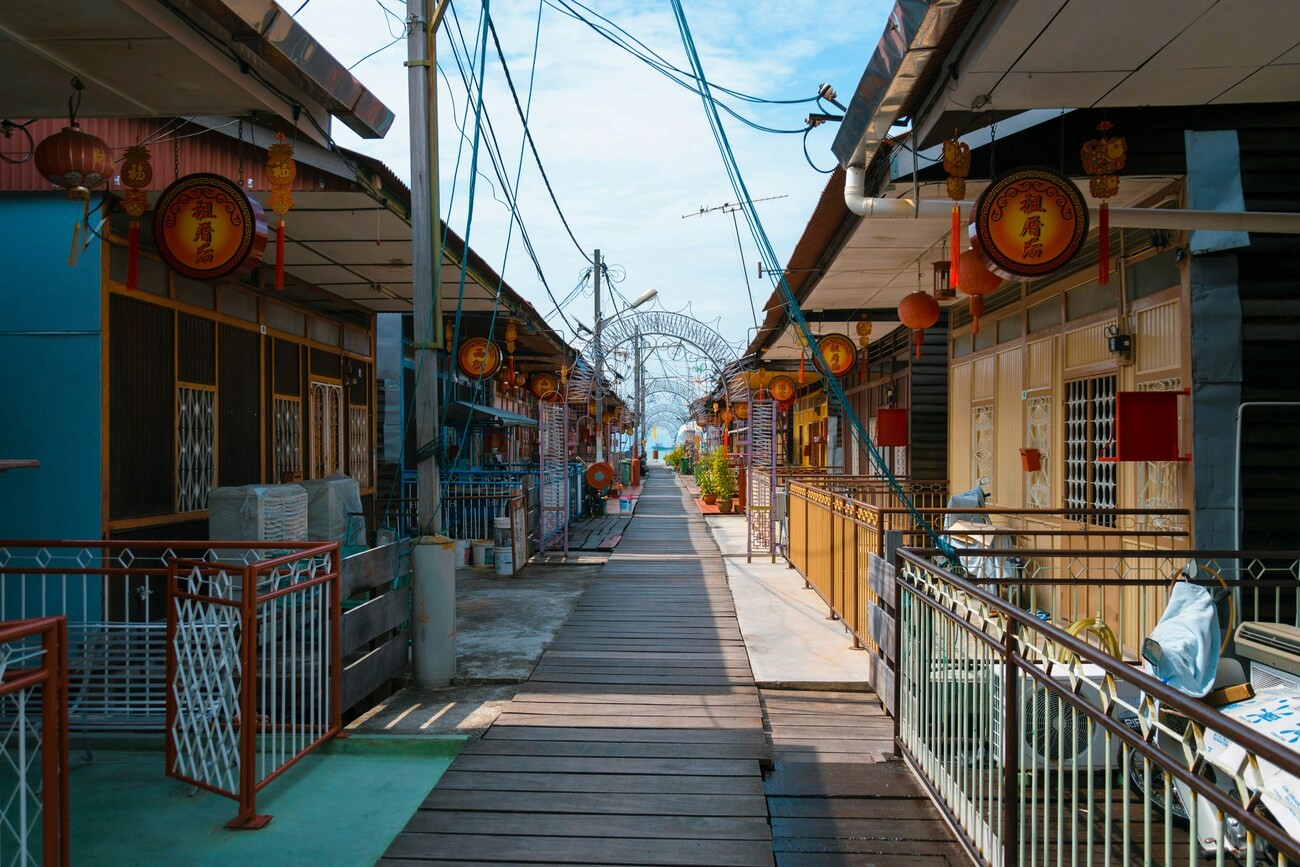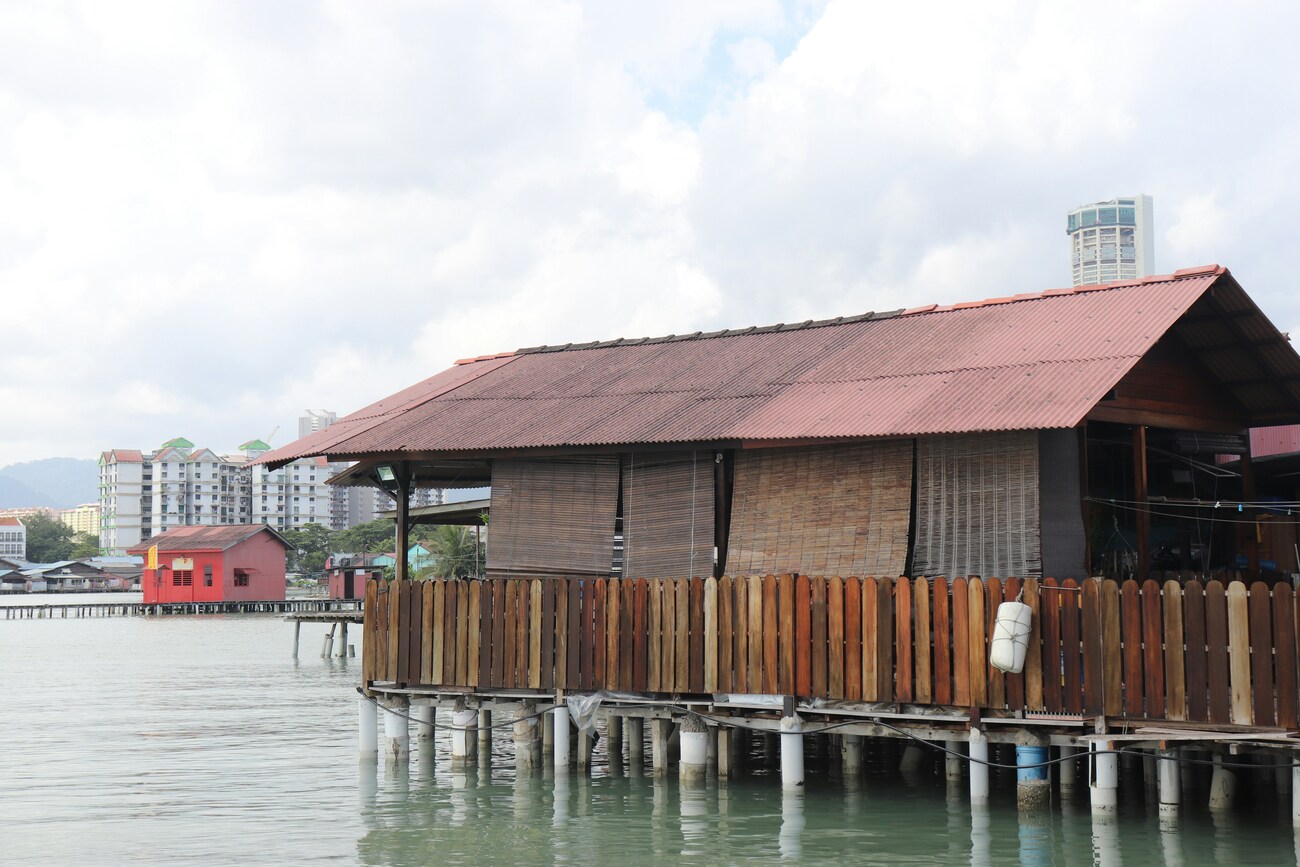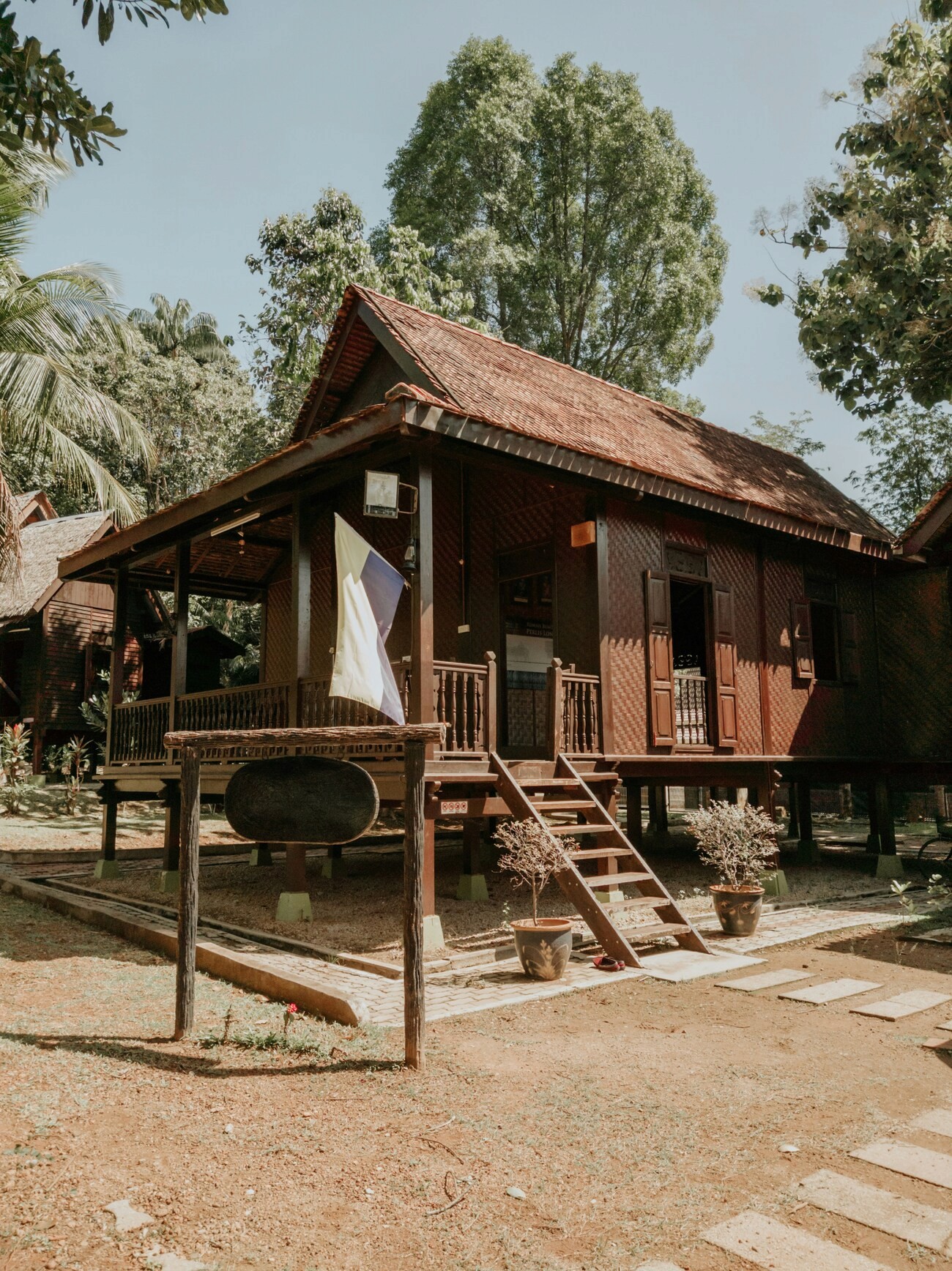


From Kuala Lumpur’s iconic Petronas Towers to Penang’s street food paradise and the pristine islands of Langkawi, Malaysia offers incredible diversity and charm. But before you set off to explore, it’s important to understand how to manage your money efficiently.
Whether you’re visiting for business, travel, or a long-term stay, this guide will walk you through everything you need to know about the Malaysian Ringgit (MYR), including exchange tips, common mistakes to avoid, and how to get the best value for your money in 2026.
Understanding the Malaysian Ringgit (MYR / RM)
Malaysia’s official currency is the Malaysian Ringgit, abbreviated as MYR and commonly symbolized as RM (short for Ringgit Malaysia).
The Ringgit was introduced in 1967, replacing the old Malayan dollar. It’s managed by Bank Negara Malaysia (BNM), the country’s central bank, and remains relatively stable across Southeast Asia.
The Ringgit is used only in Malaysia, so you’ll need to exchange your home currency upon arrival.
Ringgit Denominations
The Malaysian Ringgit comes in both banknotes and coins:
Banknotes: RM1, RM5, RM10, RM20, RM50, RM100
Coins (Sen): 5 sen, 10 sen, 20 sen, 50 sen
(100 sen = 1 Ringgit)
Tip: The RM50 and RM100 notes are the most common for larger purchases, while RM5 and RM10 are handy for everyday use.
Exchange Rates for Common Currencies (2026 Snapshot)
Exchange rates vary, but here’s a general guide for 2026:
1 USD (US Dollar): ~RM4.60
1 EUR (Euro): ~RM5.00
1 GBP (British Pound): ~RM5.80
1 AUD (Australian Dollar): ~RM3.00
1 CAD (Canadian Dollar): ~RM3.35
1 SGD (Singapore Dollar): ~RM3.45
100 INR (Indian Rupee): ~RM5.60
100 JPY (Japanese Yen): ~RM3.10
Always check current rates using Wise, XE.com, or Bank Negara Malaysia’s official site before exchanging.
Should You Carry Cash in Malaysia?
Yes, carry cash, especially when exploring local markets or rural areas.
While Malaysia is becoming increasingly cashless, cash remains essential for many small businesses and street vendors.
Here’s when you’ll need it:
Night markets & hawker stalls: Most food vendors and small shops are cash-only.
Rural areas & islands: Card terminals aren’t always available.
Taxis, tips & small purchases: Some drivers or local services prefer cash.
Backup fund: Not all ATMs or cards work perfectly everywhere.
Safety tip: Malaysia is generally safe, but pickpocketing can occur in busy tourist areas. Keep small amounts of cash (RM100–RM200) on hand and store the rest securely.
Where to Exchange Currency in Malaysia
1. Banks
Banks like Maybank, CIMB Bank, RHB, and Public Bank offer reliable currency exchange services.
Rates are fair, but you’ll need to bring your passport for identification.
Bank hours: Mon–Fri, 9:30 a.m.–4:30 p.m. (closed weekends and public holidays).
2. Licensed Money Changers
Money changers (Pengurup Wang Berlesen) are common and often offer the best rates in Malaysia.
You’ll find them in:
Shopping malls (like Suria KLCC, Pavilion, or Mid Valley)
Tourist districts (Bukit Bintang, Georgetown, Kota Kinabalu)
Airports (though rates there are less favorable)
Tip: Always check that the money changer displays a license from Bank Negara Malaysia (BNM).
3. ATMs
ATMs are widely available and convenient.
They typically offer good exchange rates when withdrawing directly in Ringgit.
Important: Use ATMs from major banks to avoid excessive foreign transaction fees. Always select “Charge in MYR”, not your home currency, to prevent conversion markups.
4. Digital & Prepaid Currency Cards
Apps like Wise, Revolut, or BigPay (Malaysia’s own fintech app) are fantastic options.
They let you convert and store multiple currencies, withdraw from ATMs, and spend at local stores with minimal fees.
5. Avoid Hotels & Airports
Airport and hotel counters are convenient but have the least favorable rates and high commissions. Exchange only small amounts there for taxis or snacks.
Tips for Currency Exchange in Malaysia
Compare rates before exchanging large sums.
Use ATMs from major banks: safer and more transparent.
Avoid DCC (Dynamic Currency Conversion): always pay or withdraw in MYR.
Use digital apps: BigPay, Wise, and Revolut work seamlessly in Malaysia.
Keep smaller bills: Some stores and drivers may not have change for RM50 or RM100.
Notify your bank: Let them know you’re abroad to avoid blocked transactions.
Always count your money at the counter before leaving.
Frequently Asked Questions
1. Do I need Ringgit in Malaysia?
Yes. The Malaysian Ringgit (RM) is the only accepted currency for all payments in Malaysia.
2. Can I pay in USD, SGD, or other foreign currencies?
No, you must pay in Ringgit. Only certain border towns or luxury hotels may accept USD, but at poor rates.
3. Are credit and debit cards accepted widely?
Yes, Visa and Mastercard are widely accepted in cities, malls, and hotels. Smaller places may be cash-only.
4. Does Malaysia use contactless or mobile payments?
Yes. E-wallets like Touch ‘n Go, GrabPay, and BigPay are popular, especially among locals. Apple Pay and Google Pay are increasingly available.
5. What’s the best way to avoid high exchange fees?
Use ATMs or multi-currency apps like Wise or BigPay, and avoid exchanging at airports or hotels.
6. Is tipping common in Malaysia?
Tipping isn’t mandatory, but appreciated.
Restaurants: 5–10% (if service isn’t included)
Porters: RM5–RM10
Taxi drivers: Round up to the nearest RM1–RM5
Final Thoughts
Handling money in Malaysia is straightforward once you understand how the Ringgit works.
With a mix of cash for small purchases and cards or digital wallets for everything else, you’ll navigate the country with ease.
By comparing rates, avoiding conversion traps, and using smart digital tools, you’ll make your money go further, leaving you free to enjoy everything from Kuala Lumpur’s skyline to Langkawi’s beaches and Penang’s world-famous street food.

El cómo
>
.000
Casos anuales
+
Países activos
.
/5
Excelente calificación
+
Las empresas nos utilizan
OTROS SERVICIOS