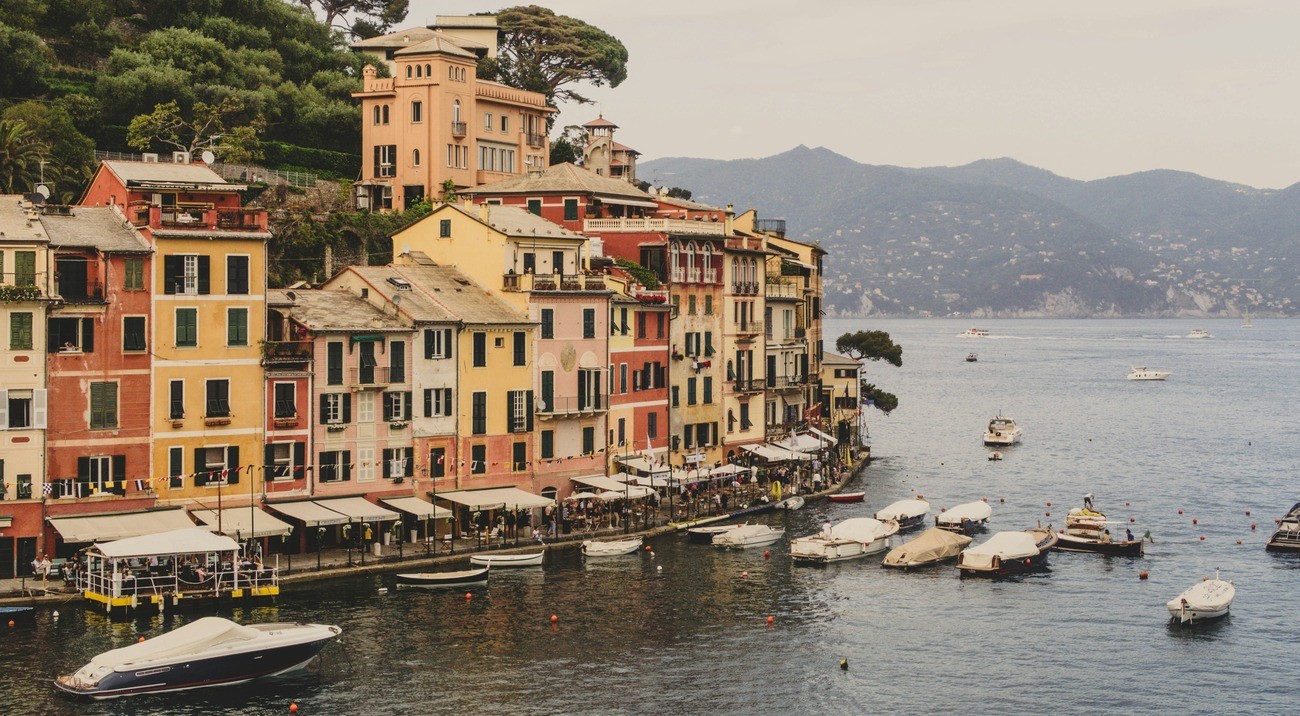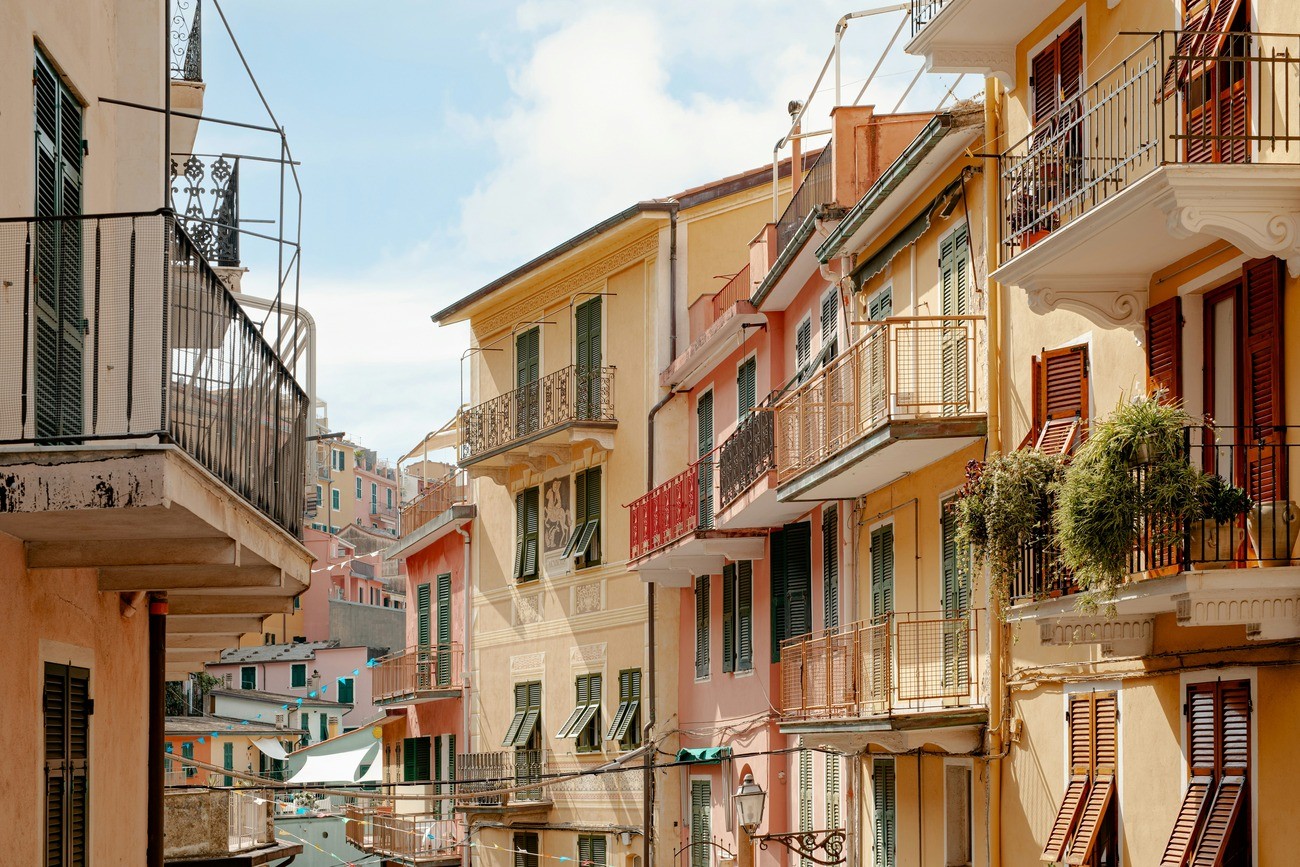


Moving to Italy is a dream for many, from the cultural treasures of Rome and Florence to the coastal beauty of Amalfi and Liguria or the business centers of Milan and Turin. Once you arrive, one of your first steps toward settling in will be setting up your utilities.
This guide explains everything you need to know about:
Electricity
Gas
Water
Internet and Mobile Services
You’ll also find information about major providers, average costs, and helpful tips to make the process easy and stress-free.
Electricity
Electricity in Italy is liberalized, which means you can choose your energy supplier. However, Terna manages the national grid, while local distribution companies handle infrastructure.
If you’re renting, check with your landlord whether the electricity contract is already active or needs to be transferred (“voltura”). If you’re moving into a new property without an existing connection, you’ll need to request an activation (“subentro”).
Documents required:
Passport or Italian ID (Carta d’Identità)
Italian tax code (Codice Fiscale)
Rental contract or property ownership document
Bank account details (for direct debit payments)
Meter number and reading (found on the meter or previous bill)
Main electricity providers:
Enel Energia (nationwide)
Edison Energia
A2A Energia
Iren Mercato
Acea Energia
Tips:
Compare rates on www.arera.it (the national energy regulator) or www.facile.it.
Many providers offer dual electricity and gas contracts for convenience.
Opt for digital bills (“bolletta online”) to simplify payments and avoid mail delays.
Consider time-of-use tariffs (“bioraria”) to save money during off-peak hours.
Gas
Natural gas in Italy is commonly used for cooking, heating, and hot water. Like electricity, the gas market is liberalized, so you can choose your supplier. Gas delivery is handled by regional network operators.
Documents required:
Passport or ID
Codice Fiscale
Rental contract or property title
Bank details for payments
Meter reading and “PDR” number (Punto di Riconsegna, found on the gas meter)
Main gas providers:
Eni Plenitude (formerly Eni Gas e Luce)
Enel Energia
Hera Comm
Iren
Edison Energia
A2A Energia
Average monthly costs:
Cooking and water heating only: €40–€60
Full home heating (winter months): €100–€200
Tips:
Gas bills are higher in winter due to heating; consider budgeting seasonally.
Ask your landlord whether gas is supplied by pipeline or cylinder (rare outside rural areas).
Activation may take several days, arrange setup before moving in.
Water
Water in Italy is managed locally by municipal or regional authorities, not private companies. Every municipality has its own supplier, and tariffs vary depending on the region and usage.
In most apartments, water fees are included in building maintenance costs (“spese condominiali”). If you own your home or rent a detached property, you’ll need to open or transfer an account directly with the local water authority.
Documents required:
ID or passport
Codice Fiscale
Proof of residence (lease or deed)
Bank account details (for automatic payments)
Examples of regional water providers:
Acea Ato2 (Rome and Lazio region)
Metropolitana Milanese (Milan)
Hera (Emilia-Romagna)
Publiacqua (Florence and Tuscany)
SMAT (Turin and Piedmont)
Average monthly costs:
Apartments: €20–€40
Houses or families: €40–€70
Tips:
Water is billed quarterly or semi-annually, often based on meter readings.
Tap water is safe to drink across most of Italy.
Monitor your bill to ensure charges for waste-water services (“fognatura”) are correct.
Internet and Mobile Services
Italy has a modern telecommunications network, with high-speed fiber (“fibra”) and 5G coverage in most cities. In rural areas, you may rely on ADSL or mobile broadband.
Documents required:
ID or passport
Codice Fiscale
Proof of address
Bank account or credit card for billing
Main internet providers:
TIM (Telecom Italia)
Fastweb
Vodafone Italia
WindTre
Iliad
Tiscali
Main mobile providers:
TIM
Vodafone
WindTre
Iliad (low-cost plans with good data allowances)
Average monthly costs:
Home internet (fiber): €25–€40
Mobile plans: €10–€25 for unlimited calls and 100–200 GB of data
Tips:
Check fiber availability at your address using provider websites or www.fibermap.it.
Many providers offer bundle packages (internet + mobile + TV) for discounts.
Contracts usually last 12–24 months and may have early cancellation fees.
Prepaid SIM cards are easy to find at airports, train stations, or mobile shops.
General Tips for Managing Utilities in Italy
Codice Fiscale: Obtain this as soon as possible, it’s required for all utility contracts.
Direct debit (“addebito diretto”): Set this up for automatic payments to avoid late fees.
Check inclusions: Some landlords include utilities in the rent; others require tenants to handle them.
Keep receipts: Payment receipts and contract copies are useful for future reference or residency renewals.
Green energy: Many Italian providers offer 100% renewable plans, a good choice for sustainability.
Customer service: Major providers have English-speaking helplines or web portals in larger cities.
Wrapping Up
Setting up utilities in Italy is straightforward once you have your Codice Fiscale, identification, and rental agreement. Most providers allow you to sign up online or by phone, and billing is generally reliable and transparent.
By organizing your electricity, gas, water, and internet early, you can focus on enjoying the Italian lifestyle, from morning espresso and evening aperitivo to exploring historic towns and coastal views.
Once everything is set up, you’ll quickly appreciate the balance between tradition and modern convenience that makes living in Italy so special.

El cómo
>
.000
Casos anuales
+
Países activos
.
/5
Excelente calificación
+
Las empresas nos utilizan
OTROS SERVICIOS