

Italy, where ancient history, Renaissance art, and irresistible cuisine meet, is one of the world’s most visited destinations. Whether you’re wandering through Rome’s ruins, savoring pasta in Florence, or admiring the canals of Venice, you’ll want your finances to run as smoothly as your adventures.
This guide covers everything you need to know about handling money in Italy, from understanding the Euro to finding the best exchange rates and avoiding common currency traps.
Understanding the Euro (€)
Italy’s official currency is the Euro (EUR, €), shared by most EU countries.
The Euro replaced the Italian lira in 2002, simplifying travel across Europe by eliminating the need for constant currency exchanges.
As part of the Eurozone, Italy benefits from one of the world’s most stable and widely accepted currencies, making financial transactions straightforward for travelers.
Euro Denominations
The Euro is available in both banknotes and coins:
Banknotes: €5, €10, €20, €50, €100, €200, €500
(Notes above €100 are rare in daily life.)
Coins: €1 and €2, plus 1, 2, 5, 10, 20, and 50 cents
Tip: Always keep small coins handy, for coffee, gelato, or public restrooms (which often require €0.50–€1).
Exchange Rates for Common Currencies (2026 Snapshot)
Exchange rates fluctuate daily, but here’s a rough guide for 2026:
1 USD (US Dollar): ~€0.91
1 GBP (British Pound): ~€1.18
1 AUD (Australian Dollar): ~€0.59
1 CAD (Canadian Dollar): ~€0.66
1 CHF (Swiss Franc): ~€1.04
1 JPY (Japanese Yen): ~€0.0061
100 INR (Indian Rupee): ~€1.09
Tip: Check the latest rates with XE.com, Wise, or your banking app before exchanging.
Should You Carry Cash in Italy?
Yes, though Italy is increasingly digital, cash (contanti) is still widely used.
Small businesses, family-run restaurants, and local markets often prefer cash.
Here’s when you’ll need it most:
Cafés and trattorias: Many small eateries are cash-only.
Markets and street vendors: Expect to pay with cash for food, souvenirs, and fresh produce.
Public transport and parking: Some machines only accept coins.
Tipping and small services: Rounding up bills or leaving a few Euros is polite.
Safety tip: Petty theft can occur in tourist areas. Carry €50–€100 for daily use and keep the rest secure in a money belt or hotel safe.
Where to Exchange Currency in Italy
1. Banks
Banks (banche) are the most secure places to exchange money.
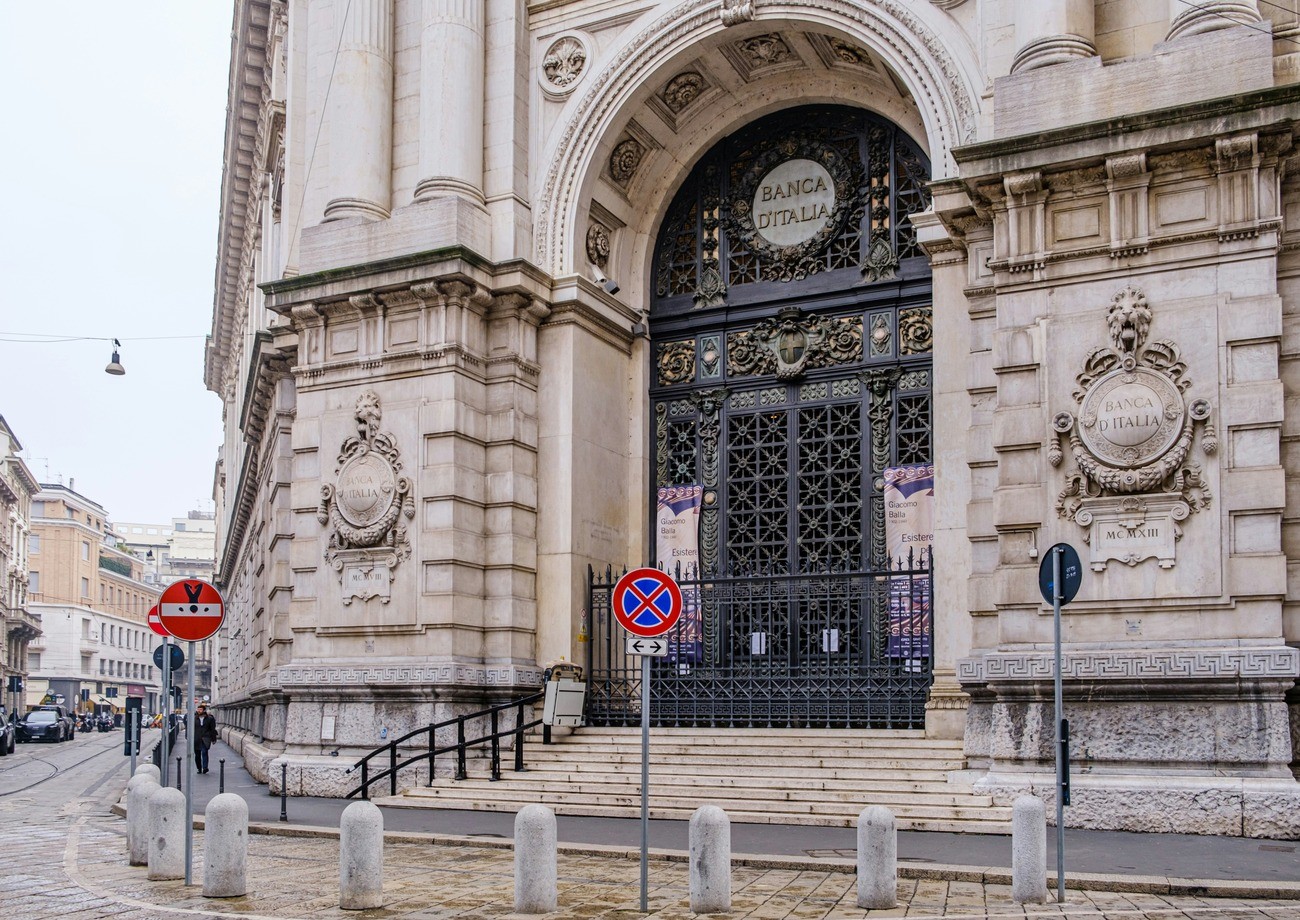
Well-known banks include UniCredit, Intesa Sanpaolo and BPER Banca.
Rates are generally fair, though you might pay a small service fee.
You’ll need your passport or ID to exchange currency.
Opening hours: Monday–Friday, 8:30 a.m.–1:30 p.m. and 2:30 p.m.–4:00 p.m.
2. Currency Exchange Offices (Cambio)
You’ll find exchange offices in city centers, train stations, and airports.
While convenient, airport rates are usually poor. In cities, compare at least two offices to find the best deal.
Look for signs that say “no commission”, but double-check the rate, as “commission-free” doesn’t always mean cheaper.
3. ATMs (Bancomat)
ATMs are plentiful throughout Italy and often offer the best exchange rate for withdrawing Euros directly.
Stick to ATMs connected to major banks.
Avoid Dynamic Currency Conversion: Always choose to be charged in Euros, not your home currency.
4. Online & Prepaid Currency Cards
Services like Wise, Revolut, and N26 let you convert and store Euros before you arrive.
You can pay or withdraw cash with minimal fees and enjoy real exchange rates.
5. Avoid Hotels & Airports
Airport and hotel exchange counters offer the least favorable rates. Exchange just enough for transportation and use banks or ATMs once in the city.
Tips for Currency Exchange in Italy
Compare rates: Don’t settle for the first cambio you see.
Use ATMs or digital cards: They often provide better rates than physical exchanges.
Avoid DCC (Dynamic Currency Conversion): Always pay in EUR.
Use mobile payments: Contactless payments, Apple Pay, and Google Pay are common in cities.
Keep small bills: Some places won’t accept large notes (€100+).
Watch for hidden fees: Some exchange counters quietly add commissions.
Request receipts: Always ask for proof of transaction when exchanging money.
Frequently Asked Questions
1. Do I need Euros in Italy?
Yes. The Euro (€) is the only accepted currency for all purchases in Italy.
2. Can I pay in other currencies?
No, only Euros are accepted. Some tourist spots may list prices in USD or GBP, but payment will still be in Euros.
3. Are credit and debit cards accepted everywhere?
Most places accept cards (especially Visa and Mastercard), but some small shops and cafés prefer cash.
4. Does Italy use contactless and mobile payments?
Yes, contactless payments are common in larger cities. Mobile wallets like Apple Pay and Google Pay are also popular.
5. What’s the best way to avoid high exchange fees?
Use ATMs linked to banks or multi-currency cards like Wise or Revolut, and avoid exchanging at airports or hotels.
6. Is tipping common in Italy?
Tipping is appreciated but not expected.
Restaurants: Round up or leave 5–10% if service was excellent.
Cafés: Leave small change.
Taxis: Round up the fare.
Final Thoughts
Handling money in Italy is easy once you know the basics. With a bit of cash and a reliable card, you can explore with confidence and avoid tourist traps.
By comparing exchange rates, avoiding unnecessary fees, and using digital tools, you’ll make your Euros go further, whether you’re sipping espresso in Rome, shopping in Milan, or sailing along the Amalfi Coast.

El cómo
>
.000
Casos anuales
+
Países activos
.
/5
Excelente calificación
+
Las empresas nos utilizan
OTROS SERVICIOS