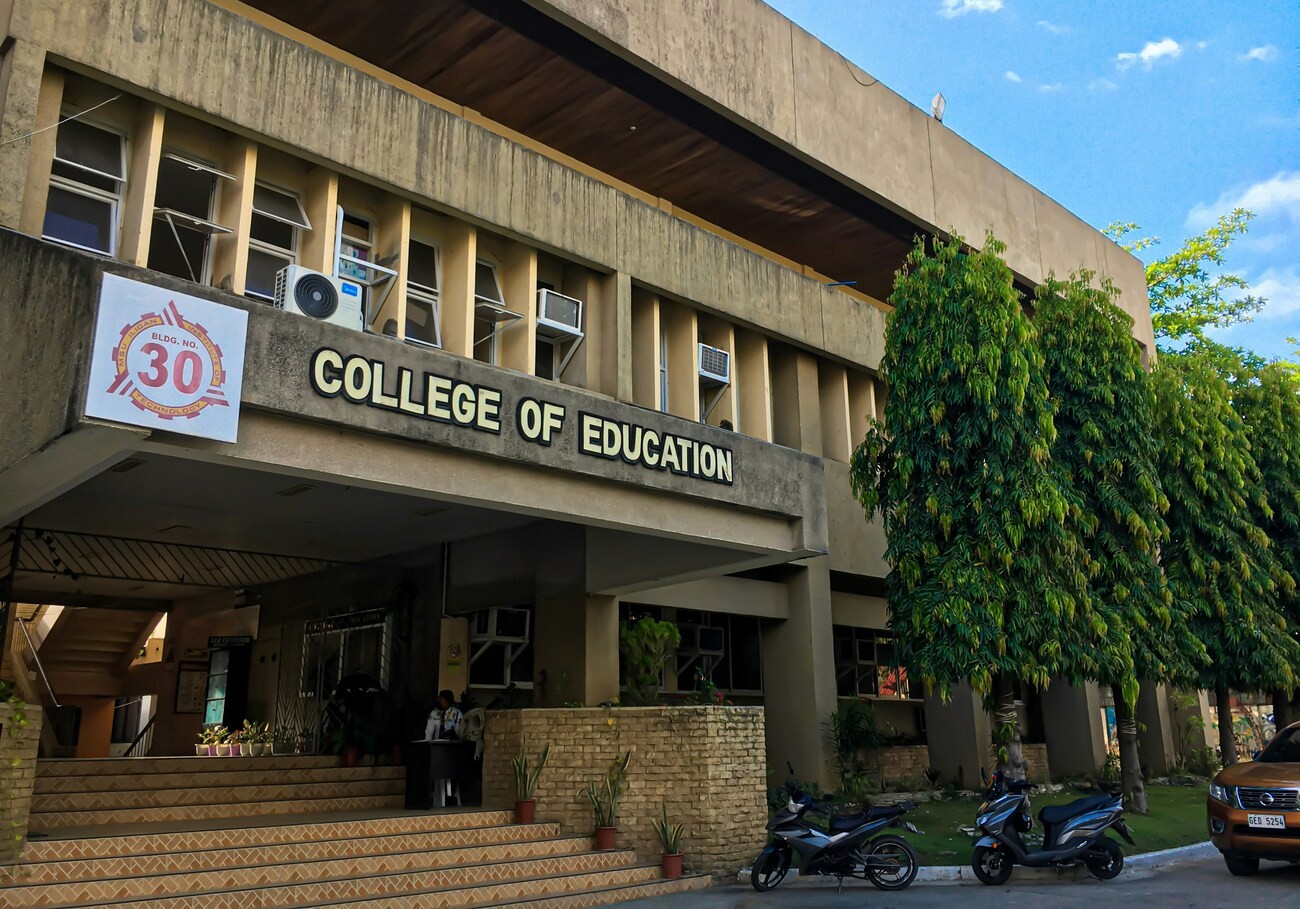


Moving to a new country is exciting but can be a little daunting, especially when education is part of the equation. Whether it’s your own studies or your child’s, the Philippines offers a diverse and welcoming school system, with a mix of local, private, and international options to fit every family’s needs.
This guide will help you understand how the Philippine education system works, what types of schools exist, what to expect from school culture, and how to navigate higher education. You’ll also find a regional overview of recommended schools in Metro Manila, Cebu, and Davao, the country’s three main education hubs.
Understanding the Philippine School System
Navigating a new education system can feel overwhelming, especially when moving across languages and traditions. The Philippines follows the K–12 education structure, which aligns with global standards and ensures international recognition for students continuing their studies abroad.
Structure of Schooling in the Philippines
The system is divided into several stages, all overseen by the Department of Education (DepEd):
Kindergarten (Preschool): Ages 5–6
Compulsory for entry into Grade 1. Focuses on play-based learning, basic literacy, and social skills.Elementary (Grades 1–6): Ages 6–12
Covers subjects such as English, Filipino, mathematics, science, and values education. Instruction may also include the regional mother tongue in the early grades.Junior High School (Grades 7–10): Ages 12–16
A mix of general and specialized subjects. Students begin exploring academic and career interests.Senior High School (Grades 11–12): Ages 16–18
Introduced as part of the K–12 reform, this stage prepares students for university or vocational careers.
Students choose from four main tracks:Academic Track (STEM, HUMSS, ABM, or General Academic)
Technical-Vocational-Livelihood (TVL) Track
Sports Track
Arts and Design Track
After completing Grade 12, students can proceed to university, college, or technical/vocational training.
What Comes After Senior High?
Option 1: University and College Education
Tertiary education in the Philippines is overseen by the Commission on Higher Education (CHED). Students can earn bachelor’s, master’s, or doctoral degrees. Public universities such as the University of the Philippines (UP) system and Polytechnic University of the Philippines (PUP) are well-known for quality and affordability, while private institutions like Ateneo de Manila University, De La Salle University, and University of Santo Tomas are highly respected.
Option 2: Technical and Vocational Education
Students may choose career-oriented paths through TESDA (Technical Education and Skills Development Authority). These programs focus on trades, technology, and applied sciences, and are widely recognized both locally and internationally.
School Types: Public, Private, and International
When choosing a school, expat families usually encounter three main types:
Public Schools: Free and government-run. Taught mainly in English and Filipino, following the national K–12 curriculum.
Private Schools: Offer smaller class sizes, modern facilities, and often bilingual education. Tuition fees vary widely.
International Schools: Teach foreign or globally recognized curricula such as the IB, Cambridge, American, or British systems. Ideal for continuity if you’re relocating internationally.
Cultural School Norms in the Philippines
Understanding school culture helps families settle in smoothly:
Language of Instruction: Both English and Filipino are used. In early grades, local languages may also be introduced.
Respect and Formality: Students address teachers with “Sir” or “Ma’am,” reflecting the culture’s emphasis on courtesy.
Uniforms: Most public and private schools require uniforms. International schools may have more flexible dress codes.
School Calendar: The year typically runs from August to May, though some schools follow a June–March schedule.
Parental Involvement: Schools often encourage strong collaboration between parents and teachers.
Religious Influences: Many private schools have Catholic roots, though non-denominational and secular options are abundant.
Universities in the Philippines
The Philippines has a robust higher education sector, with universities recognized across Asia for academic excellence.
Some top universities include:
University of the Philippines (UP)
Ateneo de Manila University (ADMU)
De La Salle University (DLSU)
University of Santo Tomas (UST)
Mapúa University
These universities offer a wide range of degrees, many with programs taught in English, making them accessible to international students.
Regional School Highlights for Expat Families
To help you start your search, here’s an overview of top-rated international schools in three key regions. These schools are recognized for academic excellence, community support, and international accreditation.
1. Metro Manila
International School Manila (ISM) – Taguig City
Founded in 1920, ISM is among Southeast Asia’s leading international schools. It offers a full IB curriculum from Preschool through Grade 12 and is known for high academic standards and global diversity.
Why families choose ISM:
IB-accredited and globally recognized
Modern campus in Bonifacio Global City
Extensive extracurriculars and university prep programs
Strong expat community and parent network
Things to know:
Tuition is on the higher end (international rates)
Long waiting lists — early applications recommended
Comprehensive bus system for commuting families
2. Cebu
Cebu International School (CIS)
CIS is an IB-World School offering Primary Years, Middle Years, and Diploma Programmes. Located in Talamban, Cebu City, it provides a balanced international environment in a more relaxed provincial setting.
Why families choose CIS:
Accredited by the Council of International Schools and WASC
Low student-teacher ratio (around 7:1)
Strong academic and extracurricular balance
Diverse student body and supportive expat community
3. Davao Region
Stockbridge American International School (SAIS)
SAIS is the first and only IB-recognized international school in Mindanao, serving families in Davao and General Santos. It offers early childhood to Grade 12 education following an American-IB hybrid model.
Why families choose SAIS:
Accredited IB World School (as of 2025)
Smaller classes and individualized learning
Focus on leadership, innovation, and creativity
Ideal for families relocating to Mindanao
Things to know:
Newer institution, so accreditation and facilities should be reviewed
Limited but growing international community
Offers bilingual environment and extracurricular diversity
Where to Begin Your Search
Here are a few steps to help you narrow down the right fit for your family:
Set priorities – Decide what matters most: curriculum, location, tuition, or language of instruction.
Research online – Explore school websites, expat forums, and embassy education resources.
Visit schools – Seeing classrooms and talking to staff will give you a better feel for the environment.
Talk to parents – Local expat groups (on Facebook or Internations) are excellent sources of insight.
Plan admissions early – Most schools begin enrolment in early spring; international schools may have rolling admissions.
Ask about support – Especially if your child needs help adjusting linguistically or culturally.
Final Thoughts and Next Steps
Choosing a school in the Philippines is an exciting journey, whether you’re drawn to the multicultural life of Metro Manila, the relaxed coastal lifestyle of Cebu, or the emerging international scene in Davao.
With careful research, early applications, and clarity on your family’s priorities, you’ll find the perfect educational home in the Philippines. From vibrant classrooms to warm communities, the country offers learning experiences that are both academically strong and culturally enriching.

Das Wie
>
.000
Fälle jährlich
+
Aktive Länder
.
/5
Ausgezeichnete Bewertung
+
Unternehmen nutzen uns
ANDERE DIENSTE