

Moving to South Africa is a thrilling experience, a country of breathtaking landscapes, cultural diversity, and world-class education opportunities. If you’re relocating with children, understanding how South Africa’s school system works will help you make the best decisions for your family’s future.
This guide breaks down the structure of the South African education system, explores your options (public, private, and international), and shares what to expect culturally and academically from preschool to university.
Understanding the South African School System
South Africa’s education system blends academic rigor with inclusivity and innovation. It is overseen by the Department of Basic Education (DBE) and the Department of Higher Education and Training (DHET).
Education is compulsory for children between the ages of 7 and 15 (Grades 1 to 9), and all children have the right to free public schooling. The country’s multilingual and multicultural setting means families can choose between English, Afrikaans, or bilingual schools, among others.
The Structure of Schooling in South Africa
Early Childhood Development (ECD): Ages 0 to 6
Preschool education is not mandatory but highly encouraged.Includes nursery schools, daycare centers, and Grade R (Reception Year), which prepares children for primary school.
Focuses on play-based learning, literacy, numeracy, and social skills.
Offered by both public and private institutions.
Primary School (Grades 1–7): Ages 6 to 13
The foundation of formal education; compulsory up to Grade 9.
Subjects include languages (English, Afrikaans, or an indigenous language), mathematics, natural and social sciences, technology, and life skills.
English is widely used as the main language of instruction, though schools may start with mother-tongue education.
Secondary School (Grades 8–12): Ages 14 to 18
Split into Lower Secondary (Grades 8–9) and Upper Secondary (Grades 10–12).
Students in Grades 10–12 work toward the National Senior Certificate (NSC), commonly known as the Matric.
Subjects include core areas (languages, math, life orientation) plus electives like business, science, technology, or arts.
Successful completion of the NSC qualifies students for higher education.
What Comes After Secondary School?
After earning the National Senior Certificate, students can choose from several paths:
Universities: Offer bachelor’s, master’s, and doctoral degrees.
Universities of Technology: Focus on practical, career-oriented education.
Technical and Vocational Education and Training (TVET) Colleges: Provide specialized trade and technical skills.
Private Colleges: Offer diplomas in business, IT, hospitality, and creative arts.
South Africa follows the National Qualifications Framework (NQF), which ensures quality and consistency across all levels of study.
School Types: Public, Private, or International?
South Africa offers a wide spectrum of education options, catering to diverse cultural, linguistic, and financial preferences.
Public Schools
Funded and regulated by the government.
Follow the national curriculum, known as CAPS (Curriculum and Assessment Policy Statement).
Schools are divided into quintiles based on local socioeconomic conditions like some charge small fees, while others are completely free.
The quality varies, with top-performing public schools rivaling private institutions in academics and facilities.
Instruction is mainly in English or Afrikaans, though indigenous languages are also used in early years.
Private Schools
Offer smaller class sizes, modern facilities, and flexible teaching approaches.
Follow either the South African CAPS, Cambridge International, or Independent Examinations Board (IEB) curriculum.
Many are faith-based (Christian, Muslim, Jewish), while others are secular or Montessori-style.
Fees range widely, from R50,000 to R200,000 (€2,500–€10,000) per year.
Examples of leading private school networks include Curro, Reddam House, Crawford International, and St. Mary’s / St. John’s schools.
International Schools
Perfect for expatriate families or those seeking globally recognized curricula.
Offer IB (International Baccalaureate), British (IGCSE/A-Levels), or American (AP) programs.
Instruction is in English, with opportunities to learn Afrikaans, French, or Spanish as additional languages.
Found mainly in Johannesburg, Cape Town, Pretoria, and Durban.
Annual fees range from R150,000 to R400,000 (€7,000–€20,000).
Language and Integration
South Africa has 11 official languages, though English is the primary medium in most schools, especially from Grade 4 onward.
In early grades, children may learn in their home language before transitioning to English or Afrikaans.
Schools place great emphasis on multilingualism and cultural respect.
International families often choose English-medium private or international schools for ease of adaptation.
For non-native English speakers, many schools provide language support programs (ESL) to help children integrate smoothly.
Universities in South Africa
South Africa’s higher education system is among the best in Africa, attracting both local and international students.
Some of the top universities include:
University of Cape Town (UCT): Africa’s highest-ranked university; strong in law, humanities, and medicine.
University of the Witwatersrand (Wits), Johannesburg: Known for engineering, health sciences, and business.
Stellenbosch University: Prestigious Afrikaans-English bilingual university with world-class research.
University of Pretoria: Leading in economics, veterinary science, and law.
Rhodes University: Focus on journalism, arts, and social sciences.
University of KwaZulu-Natal (UKZN): Strong programs in medicine and social sciences.
Academic Calendar: January/February to November
Tuition Fees:
Public universities: R40,000–R80,000 (€2,000–€4,000) per year.
Private universities: R100,000–R200,000 (€5,000–€10,000) per year.
Language: Most programs are taught in English, though some institutions also offer courses in Afrikaans.
Cultural School Norms in South Africa
Education in South Africa reflects the country’s diversity, combining respect, discipline, and inclusivity with a focus on personal growth.
Respect and manners: Students address teachers as Sir, Madam, or Ma’am, though some schools use first names.
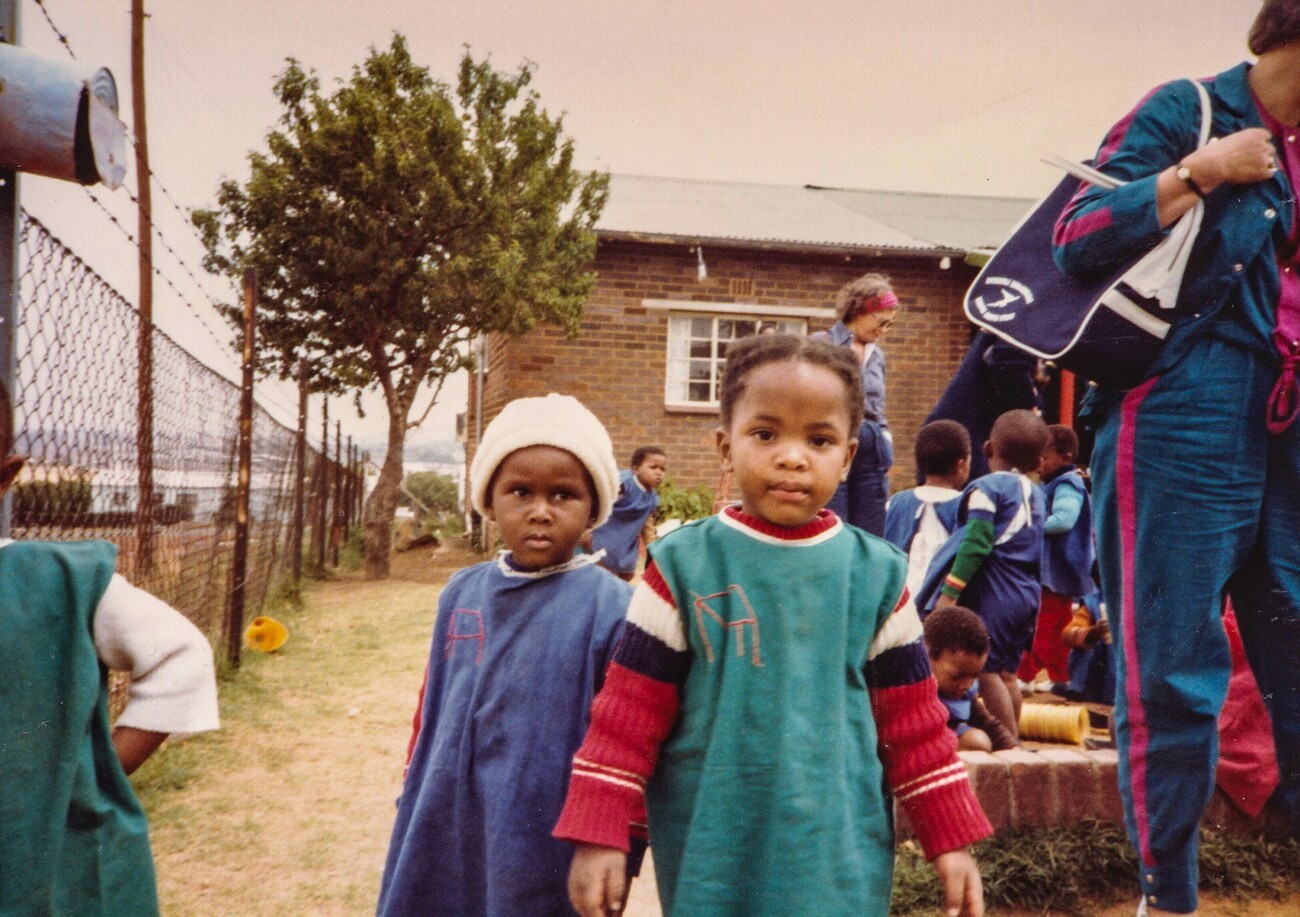
Uniforms: Worn by nearly all public and private school students.
School day: Typically runs from 7:30 a.m. to 2:30 p.m., with sports or clubs afterward.
Lunch: Most students bring packed lunches; some schools offer canteens.
Discipline: Rules are clear and enforced, but the environment is generally warm and supportive.
Extracurriculars: Rugby, cricket, netball, swimming, and debate are popular.
Cultural events: Schools often celebrate Heritage Day and Youth Day, highlighting national pride and unity.
Parent involvement: Strong in both local and international schools, with frequent school meetings and open days.
Where to Begin Your Search
Here’s a step-by-step approach to choosing the right school in South Africa:
Define your priorities: Curriculum type, language of instruction, tuition budget, and location.
Research options: Use provincial education department websites or directories like the Independent Schools Association of Southern Africa (ISASA).
Visit schools: Most schools welcome prospective parents for campus tours or open days.
Ask about curriculum: Confirm whether the school follows CAPS, IEB, or Cambridge standards.
Check accreditation: Reputable schools are registered with the DBE and UMALUSI (quality assurance body).
Understand timelines:
Public schools: Applications typically open May–July for the next January intake.
Private/international schools: Rolling admissions, but early application is recommended.
Connect with other families: Expat and local parent groups (like Expats South Africa or Johannesburg Moms) offer insights and recommendations.
Schools for Expat Families
Johannesburg
American International School of Johannesburg (AISJ): IB and U.S. curriculum; diverse student body.
St. John’s College / St. Mary’s School: Prestigious independent schools with strong academics.
Redhill School: Offers IEB and IB programs; coeducational.
Cape Town
International School of Cape Town (ISCT): British curriculum (Cambridge IGCSE/A-Levels).
Reddam House Constantia: IB and IEB programs; known for arts and sports.
German International School Cape Town (DSK): Bilingual German-English curriculum.
Durban
Crawford International La Lucia: Cambridge and IEB curriculum.
Clifton School: Independent boys’ school; strong academic results.
Pretoria
Pretoria Boys High / Pretoria Girls High: Historic, high-performing public schools.
American International School of Pretoria: IB and American programs; small class sizes.
Final Thoughts and Next Steps
South Africa offers one of the most dynamic and diverse education systems in the world, where global standards meet local character. Whether your child attends a local public school, a private bilingual academy, or an international campus, they’ll experience an education that emphasizes excellence, inclusivity, and cultural awareness.
With English widely spoken, strong international curricula, and a deep respect for education, South Africa is an excellent environment for children to grow academically and personally.
Take time to explore schools, visit campuses, and connect with communities, your family’s South African education journey will be as inspiring as the country itself.

Das Wie
>
.000
Fälle jährlich
+
Aktive Länder
.
/5
Ausgezeichnete Bewertung
+
Unternehmen nutzen uns
ANDERE DIENSTE