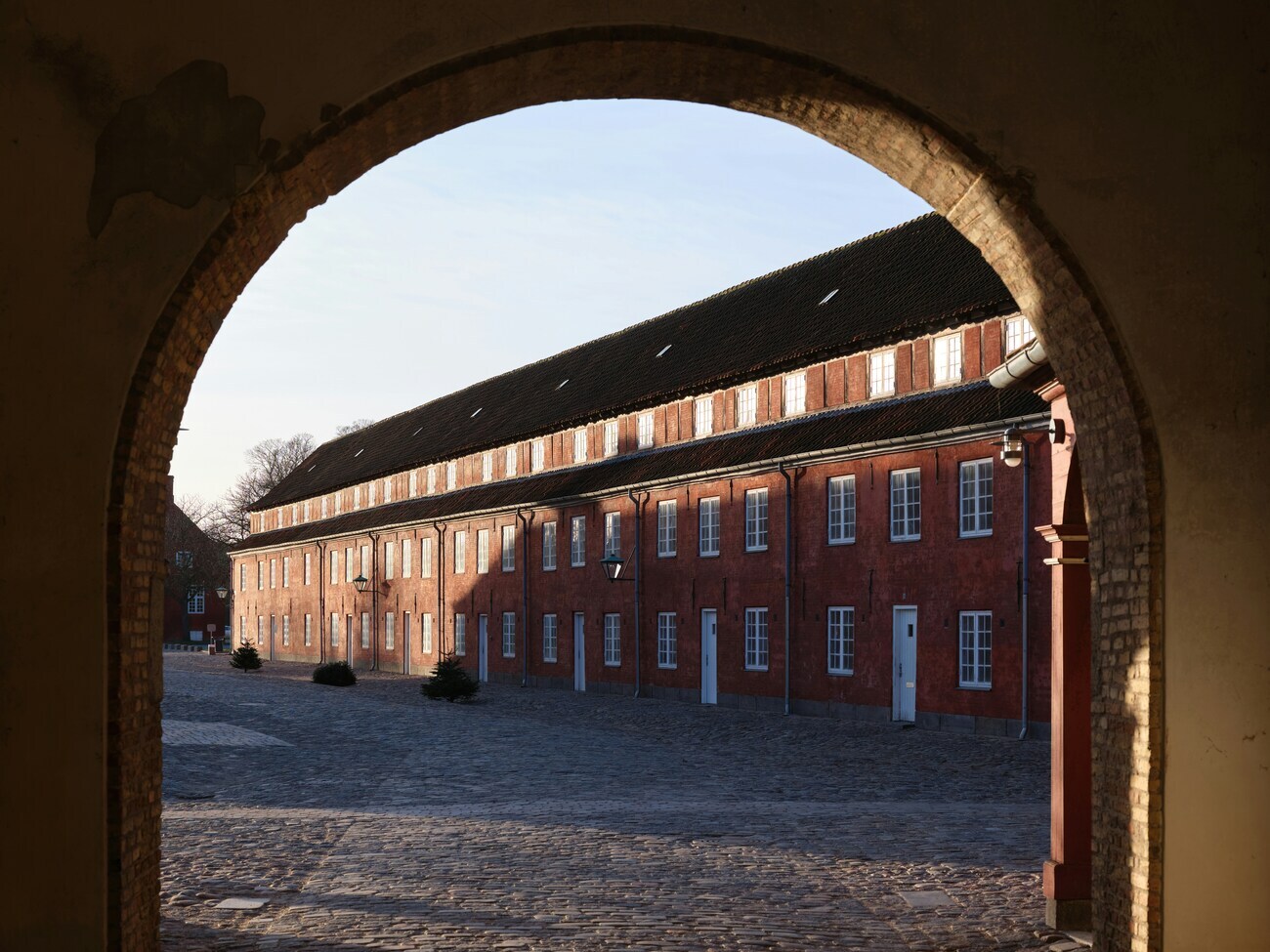


Moving to a new country is exciting, and Denmark, with its world-renowned education system and focus on equality, creativity, and independent thinking, is a wonderful place for families. But if you’re new to the country, understanding how Danish schools work and what to expect from the culture can make all the difference.
This guide is here to help you navigate the Danish school system and to give you insight into how education in Denmark blends academic excellence with the country’s famous sense of well-being and balance.
Understanding the Danish School System
The Danish education system is designed around inclusion, freedom, and trust. Students are encouraged to think critically, collaborate, and learn through experience rather than rote memorization. The system is largely public and free for all residents, and schooling is compulsory from ages 6 to 16.
The Structure of Schooling in Denmark
Børnehave (Preschool / Kindergarten): Ages 1 to 6
Preschool is not compulsory but widely attended.Children can start at vuggestue (nursery) from around age 1 and move on to børnehave (kindergarten) until age 6.
Emphasis is on play, social skills, independence, and creativity, not early academics.
Fees are subsidized by the government, and parents contribute a small portion (often income-based).
Folkeskole (Primary and Lower Secondary): Ages 6 to 16
This is the core of Denmark’s education system, a comprehensive, state-funded school combining primary and lower secondary education.Covers Grades 0–9 (and an optional 10th grade year).
Curriculum includes Danish, English, math, science, history, geography, religion, physical education, and creative subjects like music and crafts.
Students are encouraged to take responsibility for their learning through group work and open discussion.
Continuous assessment replaces frequent exams, fostering collaboration rather than competition.
Many Folkeskole schools now have an international or bilingual track in English.
Ungdomsuddannelser (Upper Secondary Education): Ages 16 to 19
After completing Folkeskole, students can choose from several upper secondary programs:STX (General Upper Secondary School) – Focus on academic subjects and preparation for university.
HHX (Higher Commercial Exam) – Business, economics, and foreign languages.
HTX (Higher Technical Exam) – Science, technology, and engineering.
HF (Higher Preparatory Exam) – Shorter, two-year academic program.
Vocational Education (EUD / EUX) – Combines academic courses with apprenticeships for direct entry into trades.
What Comes After Upper Secondary?
Students who complete upper secondary education can:
Attend a university or university college (professionshøjskole).
Enter the workforce with vocational training.
Take a “gap year” (a common Danish tradition) to travel, work, or volunteer before higher education.
School Types: Public, Private, or International?
Denmark’s education system gives families freedom of choice while maintaining equality in quality across all schools.
Public Schools (Folkeskoler)
Free for all residents.
Run by local municipalities.
Emphasize inclusion, collaboration, and creativity.
Teach in Danish, but many offer Danish as a Second Language (DSA) support for newcomers.
Increasingly bilingual, especially in cities like Copenhagen and Aarhus.
Private Schools (Friskoler / Efterskoler)
Around 15% of Danish children attend friskoler (independent schools).
Subsidized by the state but charges modest tuition.
Can have special focuses, such as music, arts, or alternative pedagogy (e.g., Montessori or Steiner).
Efterskoler are unique Danish boarding schools for ages 14–18, offering a year focused on personal development, academics, and social life.
International School
Found mainly in Copenhagen, Aarhus, and Aalborg.
Offer curricula in English, such as the IB (International Baccalaureate), Cambridge IGCSE, or British / American systems.
Great for expat families or those planning to move internationally again.
Many are part of the public system and free for EU/EEA residents.
Examples include Copenhagen International School, Aarhus International School, and Ranum Efterskole College.
Language and Integration
Danish is the main language of instruction, but English proficiency is high, both among teachers and students.
Non-Danish speakers can attend language-focused international schools or enroll in public schools with language integration programs (Modtagelsesklasser).
Children usually adapt quickly: bilingualism is encouraged, and schools are used to welcoming international families.
English is taught from Grade 1, and most schools offer a third language (German, French, or Spanish) later on.
Universities in Denmark
Denmark is home to some of the most progressive and research-oriented universities in Europe, known for high academic standards and innovation.
Some of the top universities include:
University of Copenhagen (KU) – Denmark’s oldest and most prestigious university.
Aarhus University – Strong in humanities, natural sciences, and engineering.
Technical University of Denmark (DTU) – A leader in engineering, IT, and sustainability.
Copenhagen Business School (CBS) – One of Europe’s top business schools.
Aalborg University (AAU) – Famous for project-based learning.
Academic Calendar: September to June
Tuition Fees:
Free for EU/EEA and Swiss citizens.
Non-EU students typically pay €6,000–€16,000 per year, depending on the program.
Language: Many bachelor’s and most master’s programs are offered in English.
Cultural School Norms in Denmark
Denmark’s education system reflects its wider culture, egalitarian, cooperative, and trust-based.
Equality and informality: Students call teachers by their first names. Hierarchies are minimal, and everyone’s opinion is valued.
Group work: Collaboration and teamwork are core learning tools.
Freedom and independence: Students are encouraged to make choices and take responsibility for their learning.
No uniforms: Dress is casual, and individuality is respected.
Healthy balance: Academic achievement is important, but so are play, sports, and social well-being.
School lunches: Students often bring their own lunch (madpakke), typically sandwiches and fruit.
Parental involvement: Parent-teacher cooperation (forældremøder) is common and encouraged.
Where to Begin Your Search
Here’s how to get started finding the right school for your family:
Define your priorities: Language of instruction, school philosophy, location, and future plans.
Contact your municipality (kommune): Each kommune oversees school admissions and can guide you to local or international options.
Explore school websites: Most schools list their programs, languages offered, and values online.
Visit in person: Danish schools are welcoming to new families, arrange a tour or trial day.
Consider integration support: If your child is learning Danish, ask about transition classes.
Plan early: Applications for the new school year usually open in spring (for August start).
Network: Join local expat or parent groups in your city (Facebook and Internations are great starting points).
Schools for Expat Families
Copenhagen
Copenhagen International School (CIS): IB-accredited; English-language education from preschool to diploma.
European School Copenhagen: Multilingual, combining the European curriculum and IB.
Rygaards International School: British curriculum; well-established expat community.
Aarhus
Aarhus International School (AIS): IB-accredited with English instruction and Danish integration.
Langkær Gymnasium: Offers international upper-secondary education in English.
Aalborg
Aalborg City Gymnasium: Offers the IB Diploma Programme.
Aalborg International School: Bilingual and culturally diverse.
Final Thoughts and Next Steps
Denmark’s education system stands out for its quality, inclusivity, and balance. Whether your family chooses a local folkeskole, a creative friskole, or an international program, your child will benefit from a system that nurtures confidence, independence, and curiosity.
With its emphasis on equality, collaboration, and lifelong learning, Denmark offers not just an education, but a foundation for happy, well-rounded development.
Take time to explore your options, visit schools, and engage with your local community. Your child’s next educational adventure in Denmark awaits.

Das Wie
>
.000
Fälle jährlich
+
Aktive Länder
.
/5
Ausgezeichnete Bewertung
+
Unternehmen nutzen uns
ANDERE DIENSTE