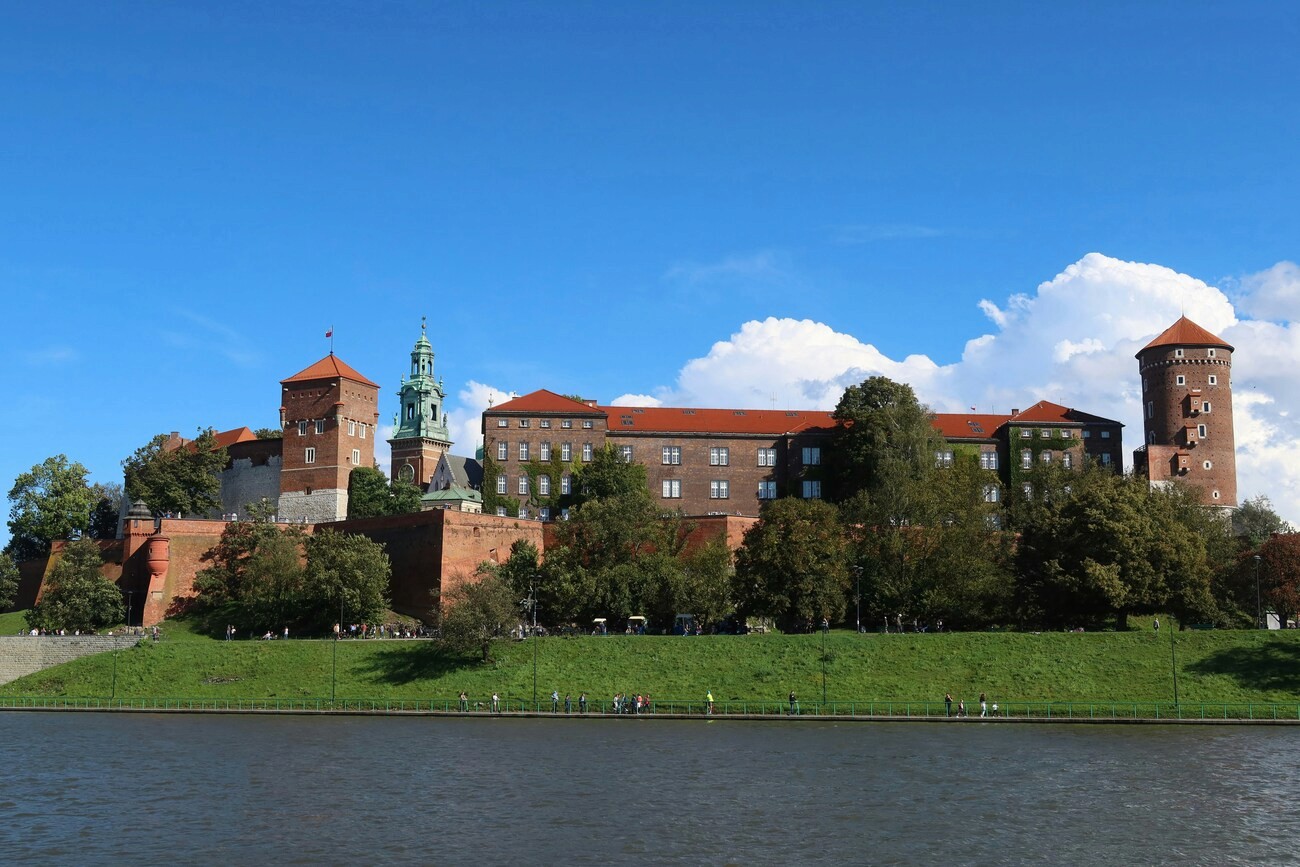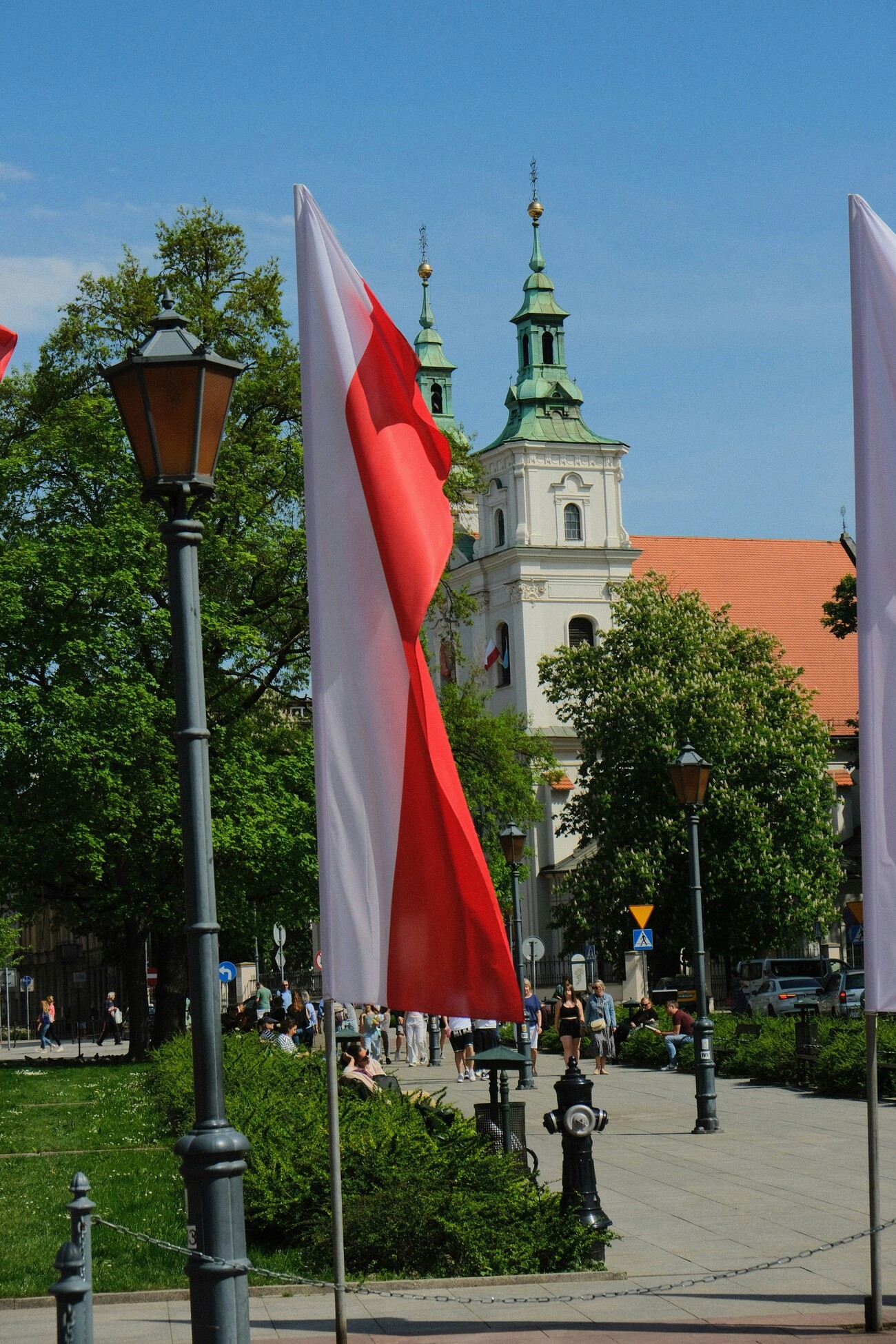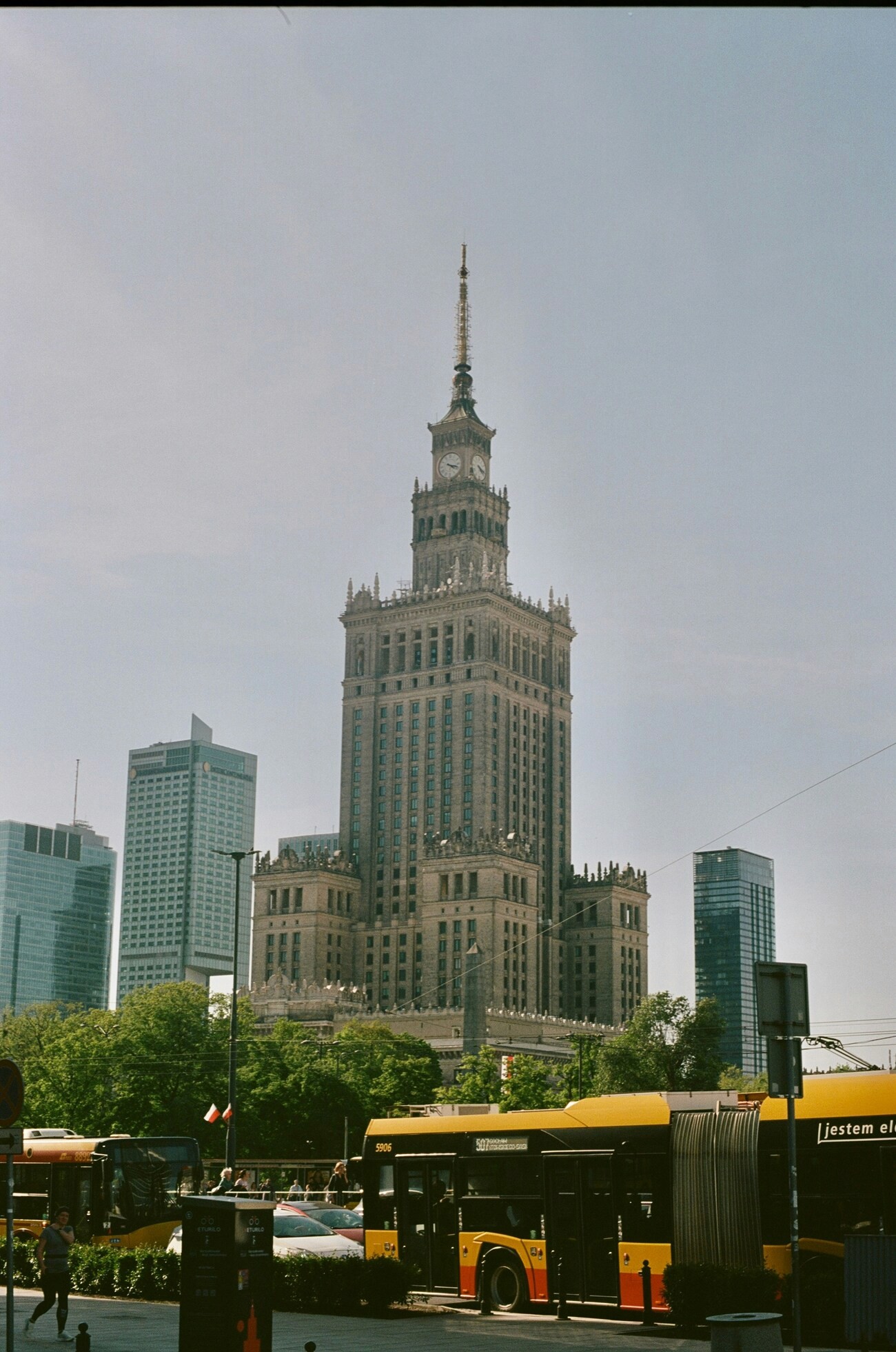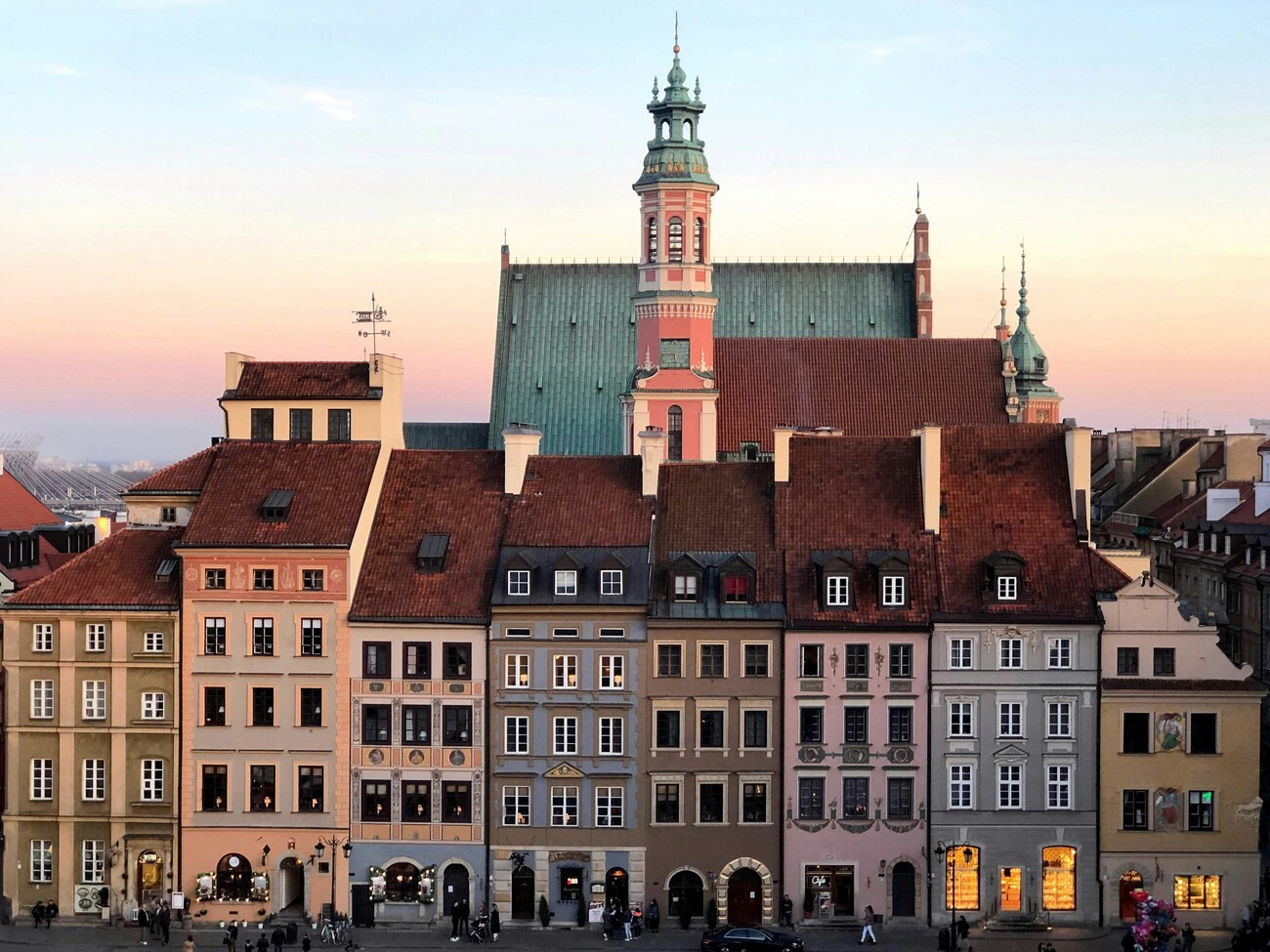


Planning a move to Poland or an extended stay in 2026? Whether you’re drawn to the historic charm of Kraków, the business opportunities in Warsaw, or the tech scene in Wrocław, Poland has become one of Europe’s most attractive destinations for expats, students, and remote workers alike.
Poland offers a range of visa options depending on your citizenship and purpose of stay. This guide explains what you need to know before making the move.
Visa requirements for EU/EEA and Swiss citizens
If you’re a citizen of the European Union (EU), European Economic Area (EEA), or Switzerland, you can live, work, and study in Poland without needing a visa.
What this means
No visa required: You can enter Poland with your valid passport or national ID.
Stay and registration: If you stay for more than 3 months, you must register your residence with the local Voivodeship Office (Urząd Wojewódzki).
Employment freedom: You can work or open a business without additional permits.
Visa options for non-Europeans
If you’re not from the EU, EEA, or Switzerland, you’ll need a visa or residence permit depending on how long you plan to stay and what you’ll be doing in Poland. Here are the main options for 2026:
1. Schengen Visa (Type C – Short Stay)
Who it’s for: Tourists, business visitors, or short-term travelers.
Duration: Up to 90 days within any 180-day period across Schengen countries.
Requirements:
Valid passport (at least 3 months beyond your stay)
Proof of funds and accommodation
Return or onward flight ticket
Health insurance (€30,000 minimum coverage)
How to apply: Through the Polish consulate in your country of residence.
2. National Visa (Type D – Long Stay)
Who it’s for: People staying in Poland for more than 90 days, such as students, employees, or family members of Polish residents.
Duration: Valid for up to 1 year, with the option to apply for a residence card (Karta Pobytu) to stay longer.
Requirements:
Purpose of stay (e.g., employment, study, or family)
Proof of sufficient income
Health insurance
Accommodation details
3. Work Visa and Temporary Residence Permit
Who it’s for: Non-EU nationals with a job offer from a Polish employer.
Requirements:
A valid work permit (issued by the Voivodeship Office)
Employment contract or job offer
Proof of qualifications and clean criminal record
Health insurance
Duration: Usually issued for 1–3 years and renewable.
Process:
The employer applies for a work permit on your behalf.
You apply for a Type D visa or residence permit after approval.
4. Poland Digital Nomad Visa (expected in 2026)
Who it’s for: Remote workers employed by companies outside Poland or freelancers with international clients.
Expected requirements (based on EU nomad frameworks):
Proof of remote employment or freelance work
Minimum income (expected €2,000–€2,500 per month)
Health insurance valid in PolandProof of accommodation
Duration: Expected to be 1 year, renewable.
The Polish government is preparing this visa as part of its 2026 digitalization initiative to attract foreign professionals, especially in cities like Warsaw, Kraków, and Gdańsk.
5. Student Visa
Who it’s for: Non-EU students accepted to accredited Polish universities or educational programs.
Requirements:
Letter of acceptance from a Polish institution
Proof of financial means (approx. €8,000–€10,000 per year)
Proof of accommodation and health insurance
No criminal record
Duration: Matches your study period and renewable annually.
6. Business or Startup Visa
Who it’s for: Entrepreneurs looking to start or invest in a business in Poland.
Requirements:
Viable business plan
Proof of sufficient capital
Registration in Poland’s National Court Register (KRS)
Proof of income or expected profitability
Duration: Up to 3 years, renewable.
This visa can lead to permanent residency if the business contributes positively to the Polish economy.
Required documentation for Polish visas
Most visa applications in Poland require:
Completed visa application form
Valid passport (6+ months beyond your stay)
Passport-sized photos
Proof of financial means (bank statements, pay slips, etc.)
Proof of accommodation (rental, invitation, or hotel booking)
Health insurance valid in Poland
Police clearance certificate
Visa-specific documents (job offer, university letter, business registration, etc.)
Visa costs in Poland (2026 estimates)
Visa Type | Application Fee | Additional Costs |
Schengen Visa (C) | €90 | Travel insurance (€30–€100/month) |
National Visa (D) | €80–€120 | Health insurance & translation costs |
Work Visa | €100–€200 | Employer covers work permit fees |
Digital Nomad Visa (proposed) | €100–€150 | Health insurance & proof of income |
Student Visa | €80 | Minimal additional expenses |
Business Visa | €150 | Business registration & legal fees |
Note: Fees are non-refundable, even if your application is denied.
Long-term residency and citizenship
Permanent residence: You can apply after 5 years of continuous legal stay (or 2 years if married to a Polish citizen).
Citizenship: Eligible after 10 years of residence, or 3 years if married to a Polish national.
Dual citizenship: Poland generally allows dual citizenship, though it’s not formally recognized, you’ll be treated as a Polish citizen while in the country.
Final notes on Polish visas
Poland is one of Europe’s most affordable and welcoming destinations for expats. With a growing economy, rich culture, and an improving visa framework, it’s an excellent place to live, work, or study in 2026.
Whether you’re a professional relocating for work, a student starting your studies, or a digital nomad seeking balance between cost and quality of life, Poland offers something for everyone.
Make sure to plan ahead, gather your documents early, and stay updated on the upcoming digital nomad visa regulations. Your Polish adventure could be just around the corner!

Das Wie
>
.000
Fälle jährlich
+
Aktive Länder
.
/5
Ausgezeichnete Bewertung
+
Unternehmen nutzen uns
ANDERE DIENSTE