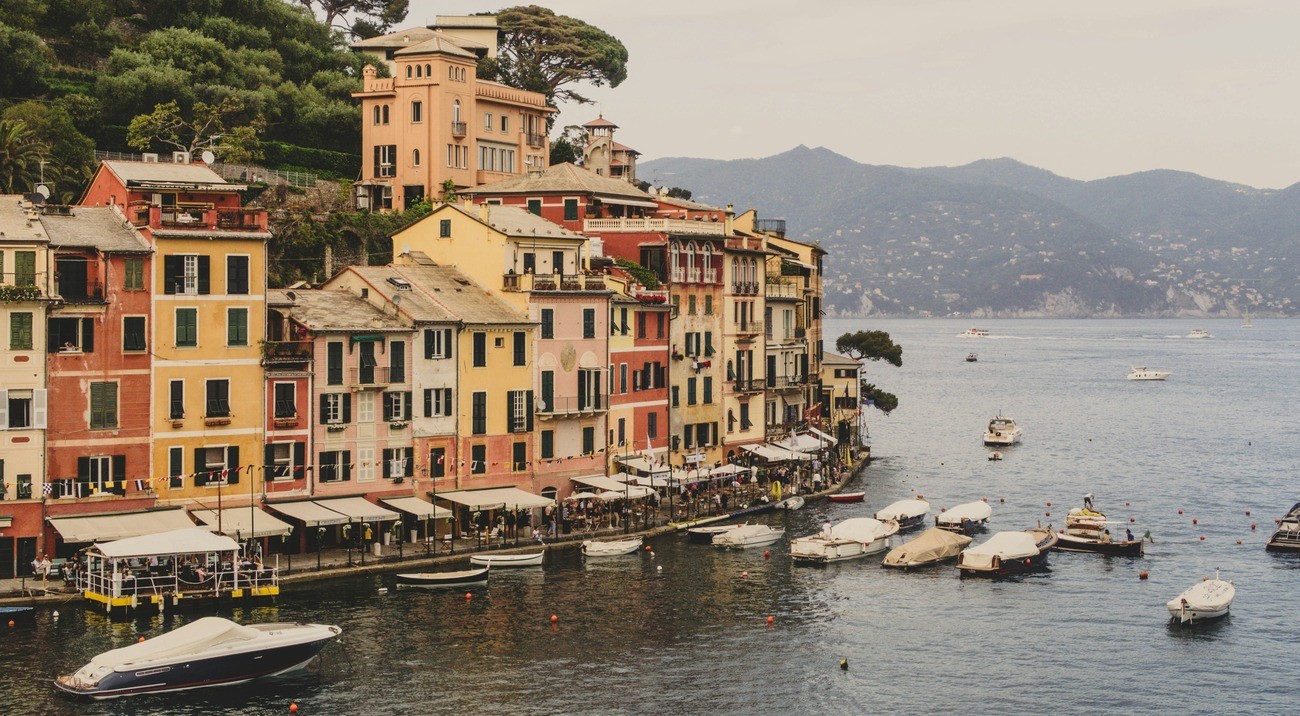


Dreaming of living la dolce vita in Italy? Whether you’re drawn to Rome’s history, Milan’s fashion scene, Tuscany’s vineyards, or Sicily’s seaside charm, Italy continues to attract expats, digital nomads, and retirees from around the world.
In 2026, Italy offers a variety of visa and residence options for those wanting to work, study, retire, or simply enjoy life under the Mediterranean sun. Here’s everything you need to know before making your move.
Visa requirements for EU/EEA and Swiss citizens
If you’re a citizen of the European Union (EU), European Economic Area (EEA), or Switzerland, moving to Italy is straightforward.
What this means
No visa required: You can live, work, and study freely in Italy with a valid passport or ID card.
Registration: For stays longer than 90 days, register your residence at your local Comune (town hall) to obtain a Certificato di Residenza.
Employment freedom: You can take up employment or start a business without a work permit.
Visa options for non-Europeans
If you’re not from the EU, EEA, or Switzerland, you’ll need a visa and, in most cases, a residence permit (permesso di soggiorno). Below are Italy’s main visa pathways in 2026:
1. Schengen Visa (Short-Stay – Type C)
Who it’s for: Tourists, business travelers, or short-term visitors.
Duration: Up to 90 days within any 180-day period across the Schengen Area.
Requirements:
Valid passport (at least 3 months beyond stay)
Proof of financial means and accommodation
Travel insurance with €30,000 minimum medical coverage
Return or onward flight ticket
How to apply: Submit through the Italian Embassy or Consulate in your country.
2. National Visa (Long-Stay – Type D)
Who it’s for: Non-EU nationals staying longer than 90 days for work, study, or family reasons.
Requirements:
Purpose-specific documents (job offer, school acceptance, etc.)
Proof of income and accommodation
Health insurance
Clean criminal record
Duration: Valid for 1 year, renewable, and allows you to apply for a residence permit (permesso di soggiorno) upon arrival.
3. Work Visa (Employment or Self-Employment)
Who it’s for: Foreigners with a job offer or those planning to start a business in Italy.
Requirements:
Job offer from an Italian employer.
Employers must secure authorization (nulla osta al lavoro) from the local immigration office.
Proof of qualifications, income, and accommodation.
Types:
Subordinate Work Visa (employee-based).
Self-Employment Visa for freelancers, entrepreneurs, and consultants.
Duration: 1–2 years, renewable.
Note: Italy uses an annual “decreto flussi” (foreign workers quota) system, so apply early when quotas open.
4. Digital Nomad Visa (introduced in 2024, expanded in 2026)
Who it’s for: Remote workers employed by companies outside Italy or freelancers with international clients.
Requirements (2026 updates):
Proof of remote work or self-employment.
Minimum monthly income of €2,700–€3,000.
Private health insurance valid in Italy.
Clean criminal record and proof of accommodation.
Duration: Valid for 1 year, renewable for up to 5 years.
Benefits:
Tax incentives for remote professionals under the “Impatriati Regime” (returning expat tax program).
Eligible to apply for permanent residence after 5 years.
5. Elective Residence Visa (Retirement Visa)
Who it’s for: Retirees or financially independent individuals who wish to live in Italy without working.
Requirements:
Proof of steady passive income at least €31,000 per year for a single applicant, €38,000 for a couple.
Proof of accommodation (owned property or long-term lease).
Private health insurance and clean criminal record.
Duration: Initially valid for 1 year, renewable annually.
Note: You cannot take up paid employment in Italy with this visa.
6. Student Visa
Who it’s for: Non-EU nationals enrolled in accredited Italian universities, colleges, or language programs.
Requirements:
Letter of acceptance from an Italian institution.
Proof of sufficient funds (approx. €6,500 per year).
Health insurance and proof of accommodation.
Duration: Matches your study program, renewable yearly.
Bonus: Students can work part-time up to 20 hours per week.
7. Family Reunification Visa
Who it’s for: Family members of Italian citizens or residents.
Requirements:
Proof of relationship (marriage, birth, or adoption certificate).
Proof of adequate housing and financial resources by the sponsor.
Health insurance.
Duration: Renewable, leading to long-term residence.
8. Start-Up Visa (Innovative Business)
Who it’s for: Entrepreneurs starting innovative businesses in Italy.
Requirements:
Endorsement from a certified incubator or the Ministry of Economic Development.
Proof of at least €50,000 in investment capital.
Business plan and clean criminal record.
Duration: 1 year, renewable, and eligible for permanent residence after 5 years.
Required documentation for Italian visas
Most long-term visa applications require:
Completed visa application form
Valid passport (6+ months beyond stay)
Passport-sized photos
Proof of income and accommodation
Health insurance
Clean criminal record
Visa-specific supporting documents (job offer, school letter, etc.)
Once in Italy, apply for a residence permit (permesso di soggiorno) within 8 days of arrival at your local post office or police headquarters (Questura).
Visa costs in Italy (2026 estimates)
Visa Type | Application Fee | Additional Costs |
Schengen Visa | €90 | Health insurance (€50–€100/month) |
National (Type D) Visa | €120 | Translations & document legalization |
Work Visa | €160 | Employer or regional labor office fees |
Digital Nomad Visa | €100–€150 | Proof of income & insurance |
Elective Residence Visa | €116 | Health insurance (€600–€1,000/year) |
Student Visa | €50 | Living costs & tuition fees |
Start-Up Visa | €150 | Legal & registration fees |
Family Reunification | €116 | Translation & legalization of documents |
Note: All fees are non-refundable and may vary slightly by consulate.
Long-term residence and citizenship
Permanent residence: After 5 years of continuous legal residence in Italy.
Citizenship: Eligible after 10 years (or 2 years if married to an Italian citizen).
Dual citizenship: Italy allows dual nationality, meaning you can keep your original citizenship.
Final notes on Italian visas
Italy continues to balance tradition and innovation, from historic cities and world-class cuisine to a growing remote work scene and accessible digital infrastructure.
Visa procedures can be detailed, but Italy’s immigration offices and consulates are increasingly digitizing applications, making 2026 one of the smoothest years yet to relocate.
Whether you’re retiring by the Amalfi Coast, studying in Florence, or working remotely from a Tuscan villa, Italy offers a warm, cultural, and rewarding lifestyle for all who choose to call it home.

Das Wie
>
.000
Fälle jährlich
+
Aktive Länder
.
/5
Ausgezeichnete Bewertung
+
Unternehmen nutzen uns
ANDERE DIENSTE