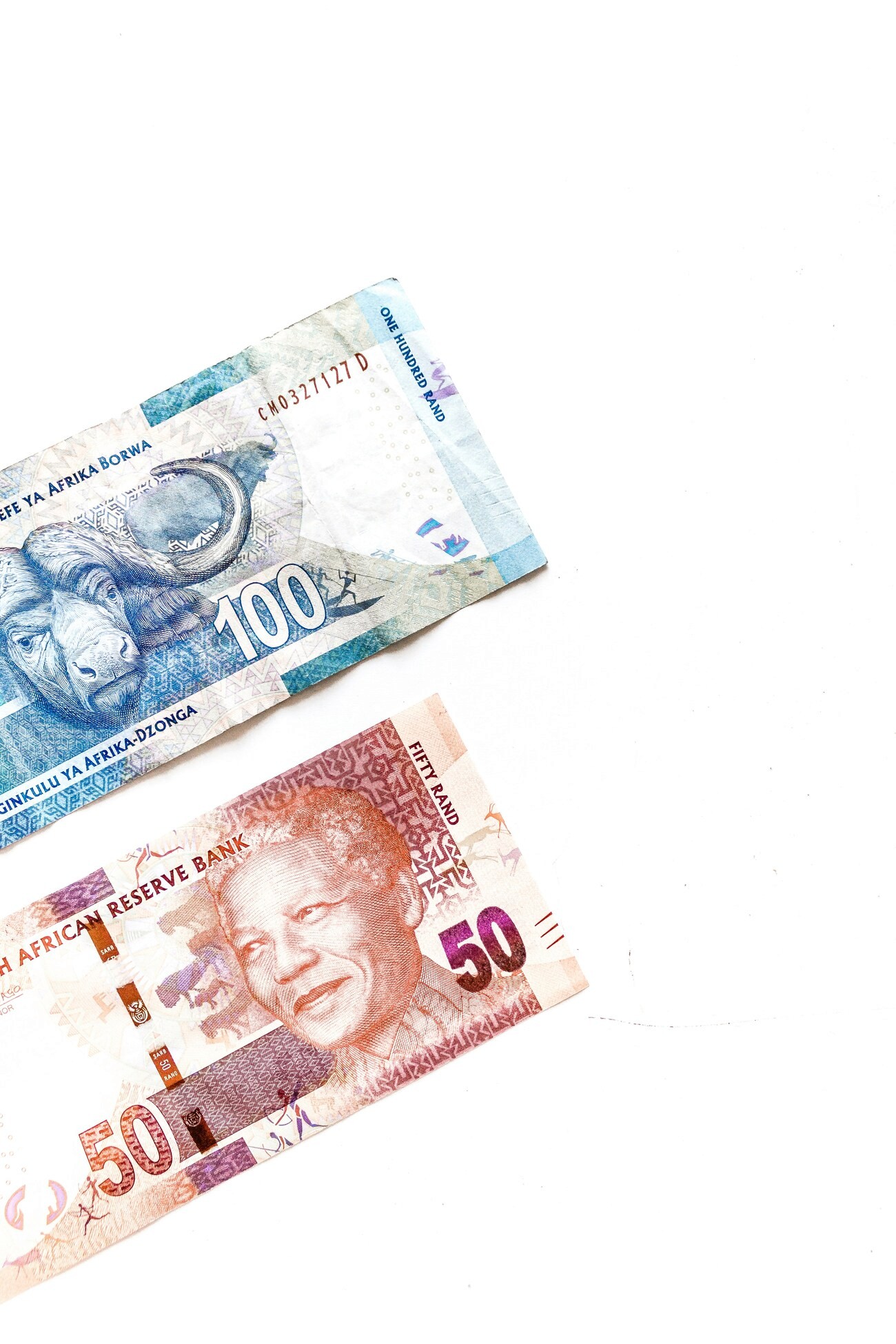


Relocating to South Africa offers a unique mix of natural beauty, diverse culture, and modern living. Whether you’re moving to Johannesburg, Cape Town, Durban, Pretoria, or one of the smaller towns, setting up your utilities will be one of the first steps toward feeling settled.
This guide walks you through everything you need to know about setting up:
Electricity
Water and Sanitation
Gas
Internet and Mobile Services
You’ll also find information on key providers, average monthly costs, and practical tips for managing your utilities efficiently.
Electricity
Electricity in South Africa is primarily managed by Eskom, the national power utility. However, in many cities, electricity distribution and billing are handled by local municipalities. In newer housing developments or private estates, electricity may be supplied through prepaid meters, which require you to top up credit in advance.
If you’re renting, check whether your home uses a prepaid or postpaid (billed monthly) system.
Documents required:
Proof of identity (passport or South African ID)
Proof of address (rental contract or deed)
Bank details (for direct debit if postpaid)
Deposit payment (for new accounts; refundable)
How to set up electricity:
Contact your local municipality or estate management office.
Provide the required documents and meter number.
Pay a connection deposit (usually R1,000–R3,000, depending on the property).
Average monthly costs:
Apartments: R800–R1,500 (€40–€75)
Houses: R1,500–R3,000 (€75–€150), depending on size and usage
Tips:
Load-shedding (scheduled power cuts) is a reality in South Africa—consider backup options like UPS devices, inverters, or solar systems.
For prepaid meters, electricity tokens can be purchased online, via banking apps, or at retailers.
If your home has solar panels, ensure you register your system with your municipality for grid compliance.
Water and Sanitation
Water supply and sanitation services are managed by local municipalities across South Africa. In most cases, the water connection is already active when you move in. Tenants are typically billed through the municipality or their landlord.
Documents required:
Proof of identity
Proof of address
Lease agreement or property ownership certificate
Bank details (for direct debit)
Average monthly costs:
Apartments: R300–R600 (€15–€30)
Houses: R600–R1,200 (€30–€60), depending on garden use and household size
Tips:
South Africa occasionally experiences water shortages, be mindful of usage and local restrictions.
Tap water is safe to drink in major cities but may vary in rural areas; consider filters if needed.
Water meters are usually read monthly, but you can also submit readings manually to ensure accurate billing.
Many cities, including Cape Town, use tiered water tariffs to encourage conservation the more you use, the higher the rate per litre.
Gas
Natural gas networks are limited in South Africa. Most households rely on bottled LPG gas (liquefied petroleum gas) for cooking and heating water. Gas can be purchased from hardware stores, gas suppliers, or delivered to your door by local distributors.
Documents required:
ID or passport (for new delivery contracts)
Address for delivery
Main suppliers:
Afrox
Easigas
TotalGaz
Oryx Energies
Average costs:
LPG cylinder (9 kg): R350–R450 (€18–€22), lasting 4–6 weeks for light cooking
Larger cylinders (19 kg or 48 kg) are available for heavy use or outdoor heaters
Tips:
Always ensure the gas cylinder is sealed and comes from an authorized distributor.
Store cylinders upright in a ventilated area.
For bulk users (larger homes), some suppliers offer fixed tanks with automatic refills.
Internet and Mobile Services
South Africa has strong broadband and mobile connectivity, especially in urban centers. Fiber optic internet is available in most major cities and growing rapidly in smaller towns. In rural areas, LTE or mobile broadband may be your best option.
Documents required:
Passport or South African ID
Proof of address
Bank details or credit card for billing
Main internet providers:
Openserve (Telkom’s fiber network)
Vumatel
Frogfoot
Octotel
MetroFibre Networx
Internet service brands:
Telkom
Vodacom Fibre
Afrihost
RSAWeb
Vox Telecom
Mobile providers:
Vodacom
MTN
Telkom Mobile
Cell C
Rain (4G/5G data-only plans)
Average costs:
Home fiber internet: R700–R1,200/month (€35–€60)
Mobile plans: R300–R800/month (€15–€40), depending on data and coverage
Tips:
Check fiber coverage in your area before signing up (use sites like fibrecompare.co.za).
Many expats prefer prepaid mobile SIMs, they’re affordable and easy to top up.
Rain offers no-contract mobile data plans with good 5G coverage in major cities.
Bundled internet and mobile packages often include discounts and free routers.
General Tips for Managing Utilities in South Africa
Deposits: Most utility accounts require refundable deposits, especially for new tenants. Keep receipts for when you move out.
Prepaid systems: Prepaid electricity and water are common—learn how to recharge tokens and track usage.
Municipal bills: Electricity, water, and waste are often combined on a single municipal statement.
Load-shedding: Install surge protectors to protect appliances during power outages.
Payment options: Pay bills via online banking, EasyPay, SnapScan, or in person at supermarkets and post offices.
Security estates: If you live in a gated community or estate, utility billing and management may be handled internally, check with the estate office.
Wrapping Up
Setting up utilities in South Africa is straightforward once you know whether your property is on a prepaid or postpaid system. With your ID, proof of residence, and deposit ready, most services can be activated within a few days.
While occasional power interruptions and regional water restrictions are part of daily life, South Africa’s systems are otherwise efficient, transparent, and easy to manage once you’re familiar with them.
By setting up your electricity, water, gas, and internet early, you can focus on enjoying everything South Africa has to offer, from its vibrant cities and natural wonders to its welcoming communities and relaxed lifestyle.

Das Wie
>
.000
Fälle jährlich
+
Aktive Länder
.
/5
Ausgezeichnete Bewertung
+
Unternehmen nutzen uns
ANDERE DIENSTE