

Planning to move to Belgium in 2026? This comprehensive relocation guide explains everything you need to know about renting or buying property, average housing costs, and the best cities for expats. Whether you are relocating for work, study, or lifestyle, Belgium offers a welcoming atmosphere, strong infrastructure, and a perfect balance between culture, community, and comfort.
Life in Belgium in 2026: Diversity, Charm, and Central European Living
Belgium continues to be one of Europe’s most appealing destinations for expats. Located at the crossroads of Western Europe, it combines international sophistication with small-country charm.
In 2026, Belgium remains an excellent choice for professionals, students, and families. With multilingual communities, strong public services, and a high standard of living, it provides an ideal base for those working in Europe. From the cosmopolitan energy of Brussels to the historic streets of Bruges and the artistic flair of Antwerp, Belgium offers an enviable mix of old-world beauty and modern efficiency.
Should You Rent or Buy in Belgium
Most newcomers start by renting, as it provides flexibility and allows time to understand the local property market. The rental process is straightforward, but leases are often long-term and detailed, so it’s important to read contracts carefully.
Buying property is also possible and common among long-term expats.
EU citizens can buy property freely.
Non-EU nationals can purchase real estate under the same conditions as locals.
Belgium’s mortgage market is accessible, though a local bank account and proof of income are typically required.
For newcomers, renting remains the most practical choice, while buying can be an excellent investment for those planning to stay several years.
Types of Accommodation in Belgium
Apartments (Appartements)
Apartments are the most common housing type, especially in urban centers. They range from classic 19th-century buildings to new eco-friendly developments. Ideal for professionals and couples.
Houses (Maisons)
Townhouses and detached homes are available in suburban and rural areas. Many feature gardens and terraces, offering more privacy and space. Best for families and long-term expats.
Studios
Compact and affordable, studios are popular among students and single professionals. Found mainly in Brussels, Antwerp, and Ghent.
Shared Apartments (Colocations)
Shared flats are common among young professionals and students. Tenants rent private rooms and share common areas like the kitchen and living room.
Serviced Apartments
Fully furnished and often available for short-term stays. These include cleaning, utilities, and Wi-Fi. Best for corporate relocations or temporary assignments.
Average Rent in Belgium
Rental costs in Belgium depend on the region and city. Brussels and Antwerp tend to be more expensive than smaller towns.
Type of Accommodation | Brussels | Antwerp / Ghent / Bruges | Smaller Towns |
Studio / 1-Bedroom Apartment | €950–€1,500 | €800–€1,200 | €600–€900 |
3-Bedroom Apartment | €1,800–€2,800 | €1,300–€2,000 | €900–€1,400 |
Room in Shared Flat | €450–€700 | €350–€600 | €300–€500 |
Utilities, including electricity, water, gas, and internet, add approximately €150–€250 per month. Heating costs can increase during the winter.
Cost of Living in Belgium (2026 Overview)
Belgium offers a high standard of living with costs comparable to neighboring countries like France and Germany.
Category | Average Monthly Cost | Notes |
Rent (1-bedroom apartment in city center) | €1,200 | Highest in Brussels |
Utilities (electricity, heating, internet) | €200–€250 | Heating costs rise in winter |
Food and groceries | €350–€500 | Cheaper when shopping locally |
Public transport | €60–€100 | Monthly pass or regional ticket |
Health insurance | €100–€200 | Mandatory, public and private options |
Total estimated cost | €2,000–€2,400 | Single person, major city |
Best Cities to Live in Belgium in 2026
Brussels
The capital and home to the European Union, Brussels offers an international community, diverse languages, and excellent transport links.
Why move here: multicultural environment, career opportunities, vibrant food scene.
Popular neighborhoods: Ixelles, Etterbeek, Uccle, Woluwe-Saint-Lambert.
Antwerp
A port city known for art, design, and commerce, Antwerp is dynamic yet affordable compared to Brussels.
Why move here: creative industries, walkable city center, international schools.
Neighborhoods: Zurenborg, Berchem, Eilandje.
Ghent
A student-friendly city with historic charm and a lively cultural scene.
Why move here: affordable rent, vibrant nightlife, and bicycle-friendly streets.
Neighborhoods: Patershol, Sint-Amandsberg, Ledeberg.
Bruges
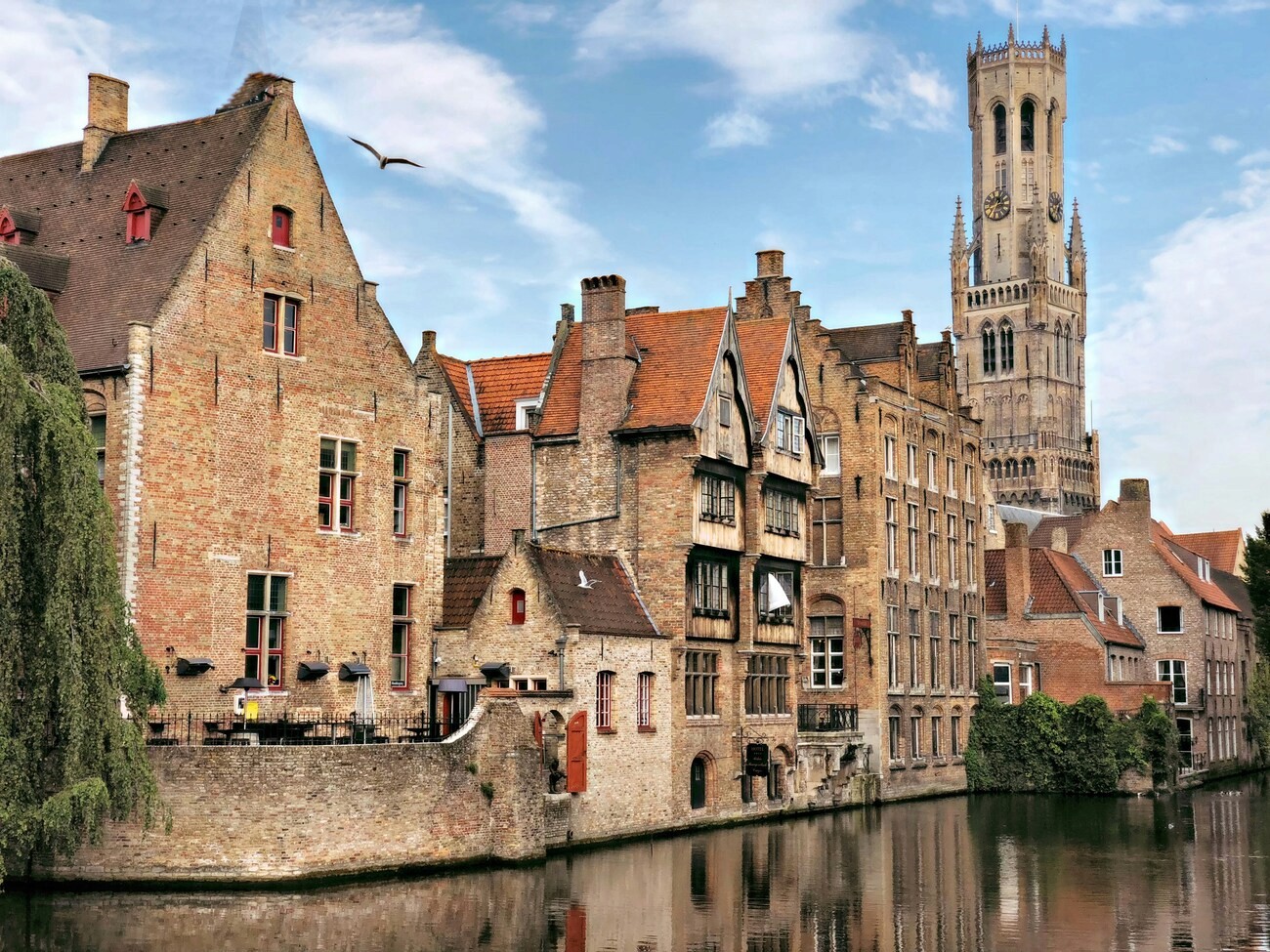
Renowned for its medieval beauty, Bruges offers a calm, scenic environment.
Why move here: picturesque setting, safe and quiet lifestyle.
Neighborhoods: Centrum, Sint-Kruis, Assebroek.
Leuven
A thriving university city east of Brussels.
Why move here: innovation hub, youthful energy, international community.
Neighborhoods: Kessel-Lo, Heverlee, Naamsestraat area.
How to Find a Home in Belgium
Start your search early; demand in major cities is strong.
Use trusted websites such as Immoweb.be, Logic-Immo.be, or RentMore.com.
Contact local real estate agents who speak English, French, or Dutch.
Deposits usually equal two months’ rent and are held in a blocked account.
Leases are typically nine years but can be negotiated for shorter terms.
Ensure your contract clearly lists utilities, maintenance, and rental conditions.
Register your address at the local town hall (commune/gemeente) after moving in.
Tips for Renting in Belgium
Check whether heating and water are included in the rent.
Most rentals are unfurnished, though furnished options exist for expats.
You may be asked for proof of income or a work contract.
Rents are often adjusted annually according to inflation.
Keep a written inspection report at move-in and move-out to avoid disputes.
Buying Property in Belgium
Buying real estate in Belgium is straightforward and secure.
Average price per square meter (2026):
Brussels: €4,500–€6,500
Antwerp / Ghent: €3,500–€5,000
Smaller towns: €2,500–€3,500
Transaction fees and taxes total around 12–15% of the property price.
Mortgages are available to foreigners with proof of income.
Property ownership is stable, and long-term appreciation remains steady.
Life in Belgium: Culture, Community, and Connectivity
Belgium’s appeal lies in its balance between local charm and international sophistication. It’s a country of art, history, and culinary excellence, where cities are compact, green, and easy to navigate.
Public services are efficient, healthcare is excellent, and transportation connects residents quickly across the country and into France, the Netherlands, or Germany. English is widely spoken, especially in urban areas, and expats generally find integration smooth.
Cultural Tips for Living in Belgium
Punctuality and politeness are valued in both business and personal life.
French, Dutch, and German are official languages; English is common in big cities.
Recycling and environmental care are part of daily life.
Lunch is often the main meal of the day, and cafés are key social hubs.
Respect local traditions and regional identities. Flanders, Wallonia, and Brussels each have their own cultures.
Sunday is a quiet day; most stores and offices close.
Final Thoughts
Finding your new home in Belgium in 2026 means discovering a country at the crossroads of Europe, welcoming, efficient, and full of character.
Whether you settle in a stylish apartment in Brussels, a townhouse in Ghent, or a family home in Antwerp, Belgium offers a high quality of life in a peaceful, connected, and cultured environment.
Take time to explore its regions, learn its languages, and enjoy its blend of heritage and modernity. Belgium’s warmth and accessibility make it one of Europe’s best places to live and thrive.

Das Wie
>
.000
Fälle jährlich
+
Aktive Länder
.
/5
Ausgezeichnete Bewertung
+
Unternehmen nutzen uns
ANDERE DIENSTE