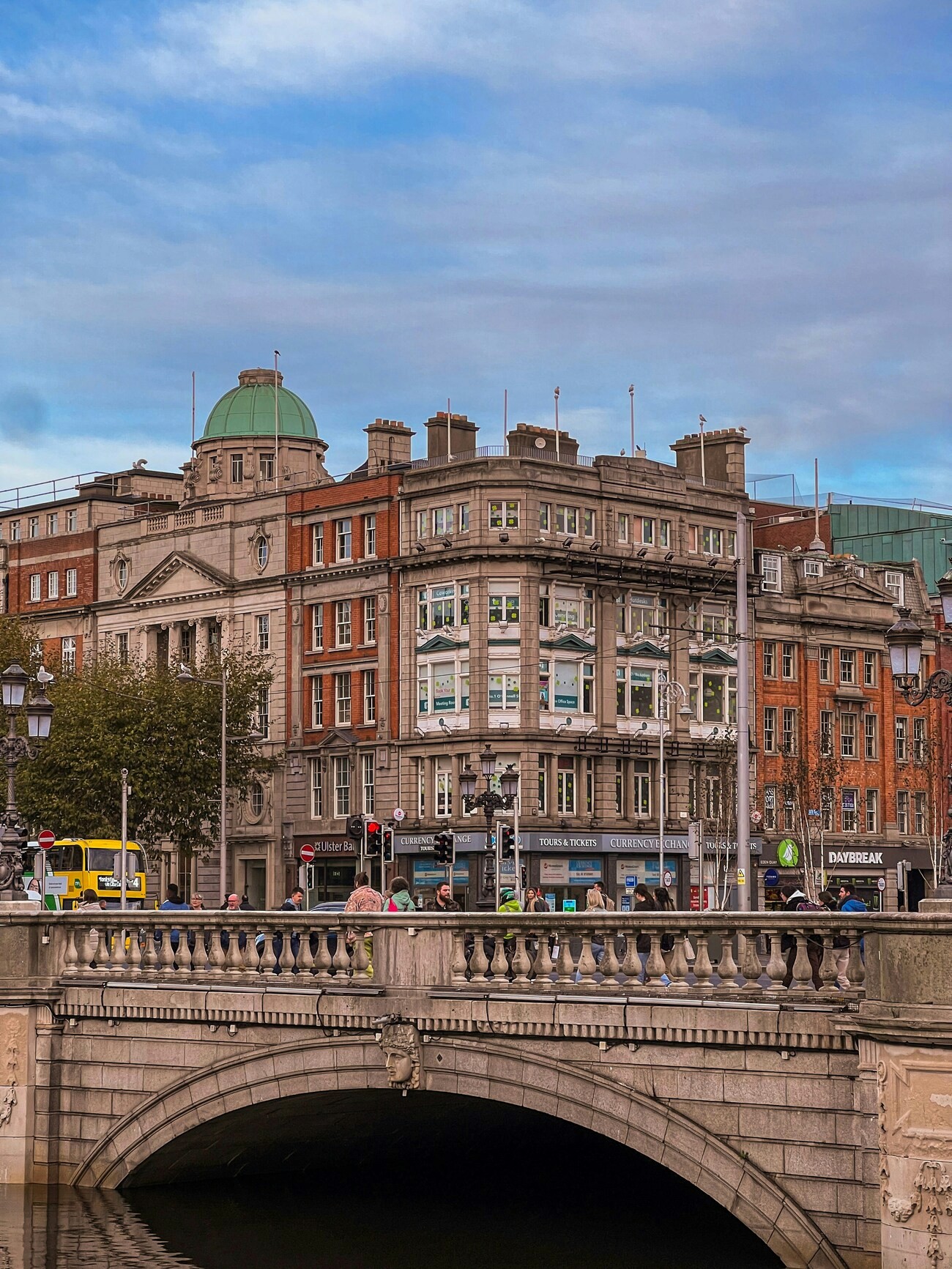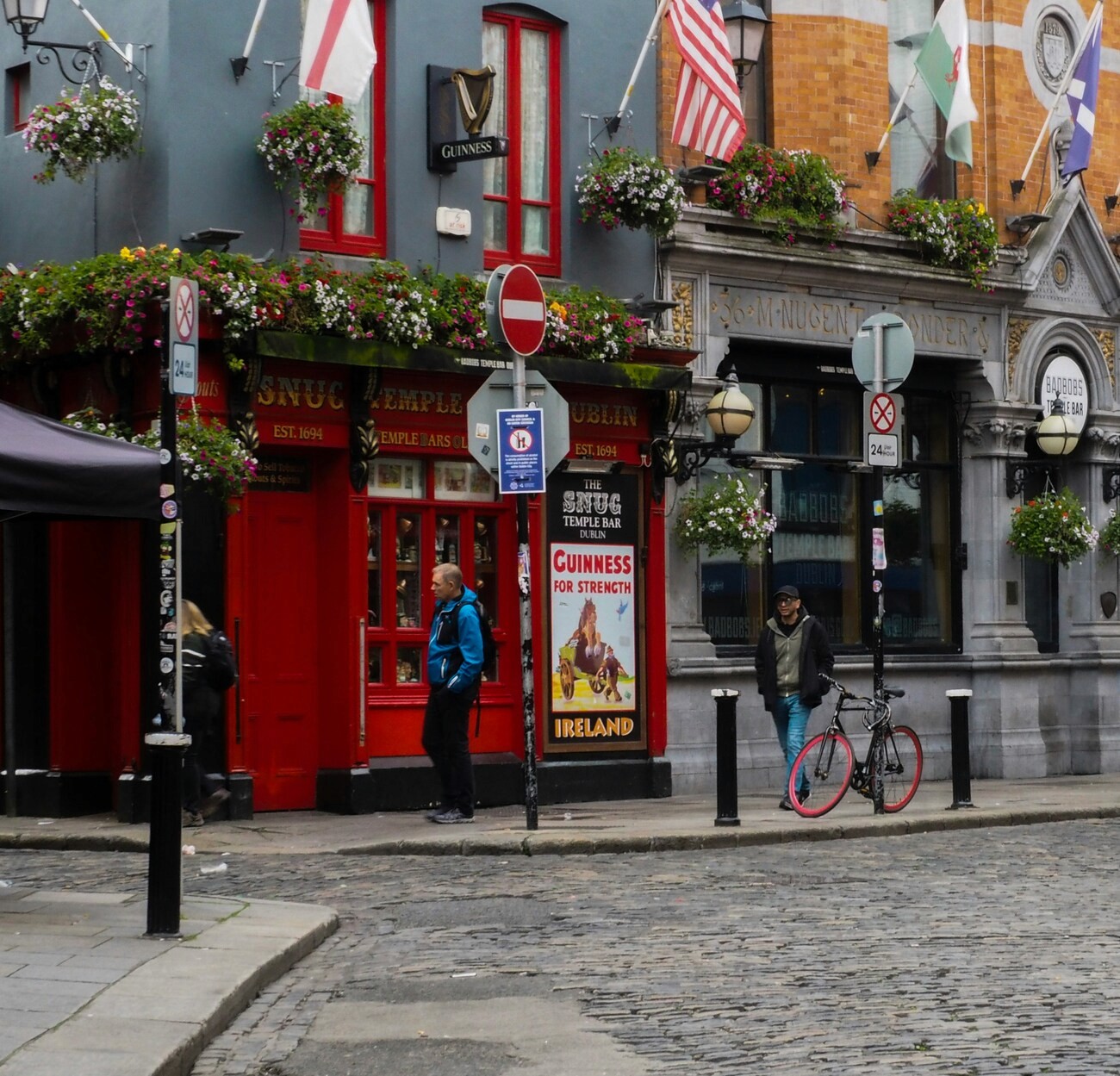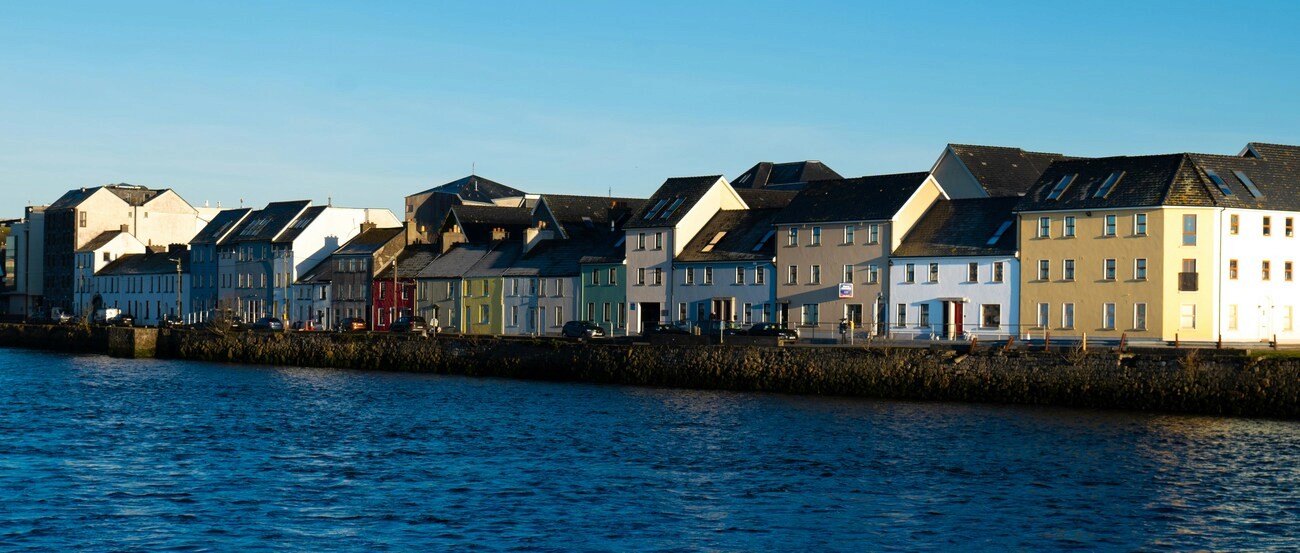


Ireland combines vibrant city life, rich culture, scenic countryside, and a strong economy, but it also comes with a relatively high cost of living. Whether you’re relocating to Dublin, settling in Cork, or moving to Galway, understanding typical expenses is essential for effective budgeting.
This guide offers a detailed breakdown of living costs in Ireland for 2026 and provides practical tips for managing your budget.
Average Costs of Living in Ireland (Excluding Rent)
For a single person in Ireland (excluding rent), you can expect monthly costs roughly around €1,000–€1,300 depending on city and lifestyle.
For a family of four (excluding rent), monthly costs can fall in the region of €3,500–€4,500+ depending on location and spending habits. Because housing and regional differences matter so much, it’s crucial to check the latest local data.
Groceries & Daily Living
Groceries in Ireland tend to be above the EU average, thanks in part to imports, labour costs, and taxes though shopping smart can make a difference.
Typical monthly grocery spending: ~ €250-€400 per person (varies by city).
Sample item prices:
Milk (1 L): ~ €1.30–€2.00
Bread (500 g): ~ €1.70–€2.50
Apples (1 kg): ~ €2.50-€3.50
Tip:
Use budget supermarket chains (e.g., Aldi, Lidl) and local markets for best value.
Cook at home more often; eating out frequently can quickly raise your monthly bill.
Buy seasonal produce, it’s often cheaper and fresher.
Utilities & Communication
Utilities in Ireland vary with home size, location, usage and especially heating/cooling, electricity, internet, and mobile.
Estimated monthly utility & communication costs: ~ €150-€250+ for a medium apartment in many areas.
This typically includes:
Electricity, heating, water, waste: ~ €100-€160 or more in colder months.
Internet & mobile: ~ €40-€70 monthly.
Tip:
Select energy-efficient apartments (well insulated) to reduce heating bills.
Monitor and regulate electricity and heating usage, especially during winter.
Compare internet and mobile plans annually for best value.
Insurance, Healthcare & Social Contributions
Ireland has a high-quality public healthcare system for residents, but it may involve wait times; many opt for supplementary private insurance for quicker access.
Key points:
Public health services are accessible to residents; some services may have nominal copayments.
Private health insurance premiums vary, worth considering if you want faster specialist access.
Other insurance: car insurance, home insurance will depend on region, asset value, risk profile.
Tip:
Register with a public health fund as soon as you become resident to secure coverage and avoid gaps.
If self-employed or relocating, factor in private insurance if you expect frequent specialist / private-clinic care.
Review car insurance, home insurance annually, Ireland’s premiums can vary.
Transportation
Ireland’s transport system includes buses, trains and light-rail in cities; many residents drive, especially outside urban centres, but car ownership adds significantly to monthly costs.
Typical transport costs:
One-way public transport ticket: ~ €2.00-€4.00 in many cities.
Monthly public transport pass: ~ €80-€150 depending on city/zones.
Petrol/gasoline: ~ €1.70-€2.10 per litre depending on market.
Tip:
If you live in a city like Dublin or Cork, using public transport or cycling is often more cost-effective than owning a car.
If you must drive, factor in insurance, fuel, tolls, parking, these add up quickly.
Dining & Entertainment
Dining out and leisure spend in Ireland can be significant, but you can manage the costs with mindful choices.
Typical costs:
Meal at an inexpensive restaurant: ~ €15-€20.
Coffee / cappuccino: ~ €3-€4.50.
Gym membership: ~ €30-€50+ monthly.
Tip:
Use lunch specials or early-evening deals for better value dining.
Take advantage of Ireland’s scenic outdoors for free or low-cost leisure (hiking, coast walks, national parks).
Limit premium entertainment (luxury restaurants, high end bars) if you’re managing the budget tightly.
Rent Costs in Ireland
Housing is one of the highest expense categories in Ireland, and in popular cities the rates are steep. Location, size, and condition all matter a lot.
Typical rent ranges (2025-26 estimates):
1-bedroom apartment in city centre (Dublin): ~ €1,500-€2,500+ per month.
1-bedroom apartment outside city centre: ~ €1,200-€1,800.
3-bedroom apartment in city centre: ~ €2,600-€3,500+ depending on city and amenities.
Tip:
Consider living outside the city centre or in smaller cities (e.g., Limerick, Galway) to reduce rent significantly.
Always clarify whether utilities (electricity, heating, water) are included in rental costs.
Plan for deposit and agency fees which can add upfront cost.
Essential Tips for Expense Management in Ireland
Choose your region wisely: Cities like Dublin are significantly more expensive; smaller cities or towns offer lower cost of living.
Use public transport & cycle: In many urban areas, car ownership adds major costs.
Shop smart for groceries: Use discount stores, local markets, buy seasonal produce.
Monitor housing & utility costs: Housing is a large part of expenses; ensure you’re budgeting for heating especially in colder months.
Compare services annually: Internet, mobile plans, insurance, switching can yield savings.
Budget for large one-off expenses: e.g., deposit, car registration, membership fees, factor these into your annual plan.
Keep a financial buffer: Given Ireland’s higher cost base, plan for unexpected expenses and seasonal spikes (heating, travel, holidays).
Conclusion
Living in Ireland in 2026 offers excellent quality of life, strong infrastructure, and rich cultural heritage, but the cost of living is relatively high compared to many countries.
For a single person excluding rent you should budget around €1,000-€1,300 per month, while a family of four excluding rent might budget around €3,500-€4,500+. Adding rent/housing significantly increases total monthly budgets, especially in major cities.
With mindful budgeting, strategic housing choices, efficient use of transport, and smart daily spending, you can enjoy life in Ireland without undue financial stress.

Das Wie
>
.000
Fälle jährlich
+
Aktive Länder
.
/5
Ausgezeichnete Bewertung
+
Unternehmen nutzen uns
ANDERE DIENSTE