

Traveling to Austria is a dream come true, from Vienna’s imperial charm to Salzburg’s music-filled streets and the stunning alpine landscapes. But before diving into schnitzels and sightseeing, there’s one essential part of travel planning that can save you time and money: understanding how currency works in Austria.
Whether you’re a student, tourist, or planning a long-term stay, knowing how to manage your money will make your experience smoother and more enjoyable. This guide will walk you through everything from understanding Austria’s currency to smart exchange strategies and avoiding unnecessary fees.
Understanding the Euro (€)
Austria’s official currency is the Euro (EUR, €), the same used by most European Union countries.
Adopted in 2002, the Euro replaced the Austrian Schilling and is now one of the most stable and widely used currencies in the world.
Using the Euro makes travel across Europe seamless, allowing you to move easily between countries like Germany, Italy, and France without worrying about exchange hassles. This shared currency also simplifies financial transactions and helps maintain consistent pricing across the region.
Euro Denominations
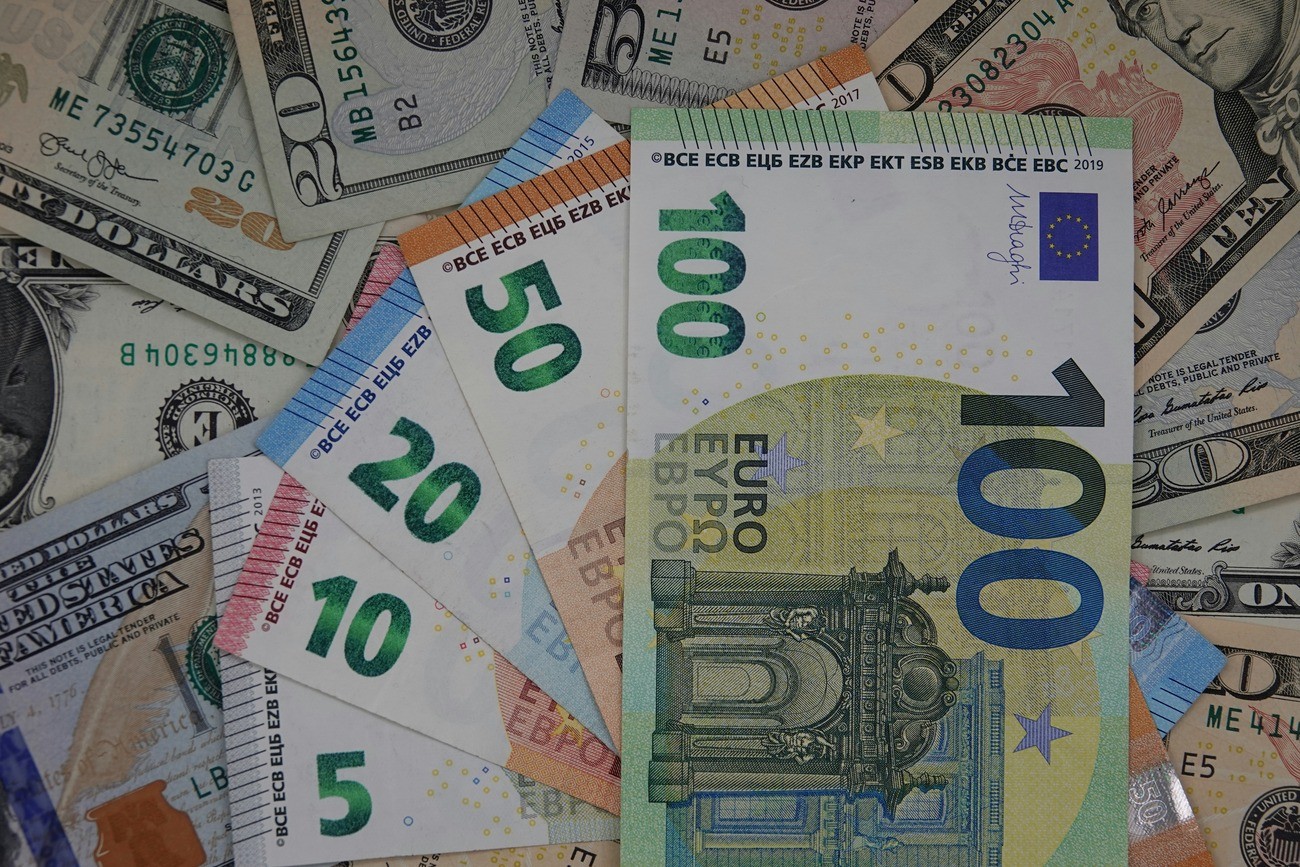
The Euro comes in two forms: banknotes and coins.
Banknotes: €5, €10, €20, €50, €100, €200, and €500
(Note: €200 and €500 notes exist but are rarely used in everyday transactions.)
Coins: €1 and €2, plus 1, 2, 5, 10, 20, and 50-cent coins.
Exchange Rates for Common Currencies
Exchange rates fluctuate daily, but here’s an approximate guide for 2026:
1 USD (US Dollar): ~€0.91
1 GBP (British Pound): ~€1.18
1 AUD (Australian Dollar): ~€0.59
1 CAD (Canadian Dollar): ~€0.66
1 CHF (Swiss Franc): ~€1.04
1 JPY (Japanese Yen): ~€0.0061
100 INR (Indian Rupee): ~€1.09
Always check live rates using platforms like XE.com, Revolut, or your bank’s travel app before exchanging money.
Should You Carry Cash in Austria?
Austria is highly card-friendly, but it’s still smart to carry some cash (Bargeld). Many smaller cafés, bakeries, and family-run businesses prefer cash or have minimum card payment limits.
Here’s when cash is especially useful:
Markets and small shops: Farmers’ markets, kiosks, and souvenir stands often accept only cash.
Public transport: While many metro systems accept cards, rural buses or train kiosks may not.
Tipping and small bills: Rounding up your bill or leaving small change is common courtesy.
Rural and alpine areas: Some mountain huts (Gasthäuser) still operate on a cash-only basis.
Safety tip: Austria is very safe, but as always, avoid carrying large sums of cash. Around €50–€100 for daily expenses is usually enough.
Where to Exchange Currency in Austria
1. Banks
Banks like Erste Bank, Raiffeisen Bank, and Bank Austria are reliable places to exchange money. They offer fair rates, though they may charge a small commission.
Remember to bring your passport or ID, and note that banks often close early (many by 3 p.m. on weekdays).
2. Currency Exchange Offices (Wechselstuben)
You’ll find these in city centers, train stations, and tourist areas. While convenient, rates can vary widely, so compare before exchanging.
Avoid exchange counters with “no commission” signs that hide poor rates.
3. ATMs (Bankomaten)
ATMs are everywhere in Austria, making them one of the easiest and safest ways to get Euros.
To avoid high fees, use ATMs connected to major banks and decline currency conversion offers (choose “Charge in Euros” instead of “in your home currency”).
4. Pre-Order or Online Currency
Many banks and online platforms let you order Euros in advance.
This lets you lock in a good rate and pick up your cash before travel. It’s also a convenient option for peace of mind upon arrival.
5. Avoid Airport & Hotel Exchanges
Airport counters and hotel desks often have the worst exchange rates and additional service charges. Use them only in emergencies.
Tips for Currency Exchange in Austria
Compare exchange rates using trusted sources before visiting an exchange counter.
Avoid hidden conversion fees (especially on ATMs). Always choose local currency billing.
Use travel-friendly cards like Revolut, Wise, or Monzo for fair international rates.
Notify your bank before traveling to prevent blocked transactions.
Keep coins handy for parking meters, vending machines, and tips.
Don’t exchange too much cash at once. Austria is safe, but carrying excessive cash is unnecessary.
Frequently Asked Questions
1. Do I need Euros in Austria?
Yes, Austria exclusively uses the Euro. All purchases must be made in Euros, whether in cash or by card.
2. Can I pay with USD or GBP in Austria?
No, foreign currencies aren’t accepted. You’ll need to exchange your money to Euros beforehand or use a card.
3. Are cards accepted everywhere?
Most places accept Visa, Mastercard, and Maestro. However, small local shops, markets, or cafés may be cash-only.
4. Does Austria support contactless payments?
Absolutely. Contactless and mobile payments (Apple Pay, Google Pay) are widespread, especially in cities like Vienna and Innsbruck.
5. What’s the best way to avoid high exchange fees?
Use ATMs from established banks, decline dynamic conversion, and consider multi-currency accounts (Wise/Revolut).
6. Is tipping common in Austria?
Yes, rounding up to the nearest Euro or adding about 5–10% for good service is appreciated.
Final Thoughts
Managing money in Austria doesn’t have to be complicated. With a solid understanding of how the Euro works, where to exchange safely, and how to avoid fees, you can focus on what truly matters, enjoying your Austrian adventure.
Whether you’re admiring Schönbrunn Palace, skiing in Tyrol, or sipping coffee in a Viennese café, being financially prepared ensures smooth transactions and peace of mind.So pack smart, spend wisely, and enjoy everything Austria has to offer, one Euro at a time.

Das Wie
>
.000
Fälle jährlich
+
Aktive Länder
.
/5
Ausgezeichnete Bewertung
+
Unternehmen nutzen uns
ANDERE DIENSTE