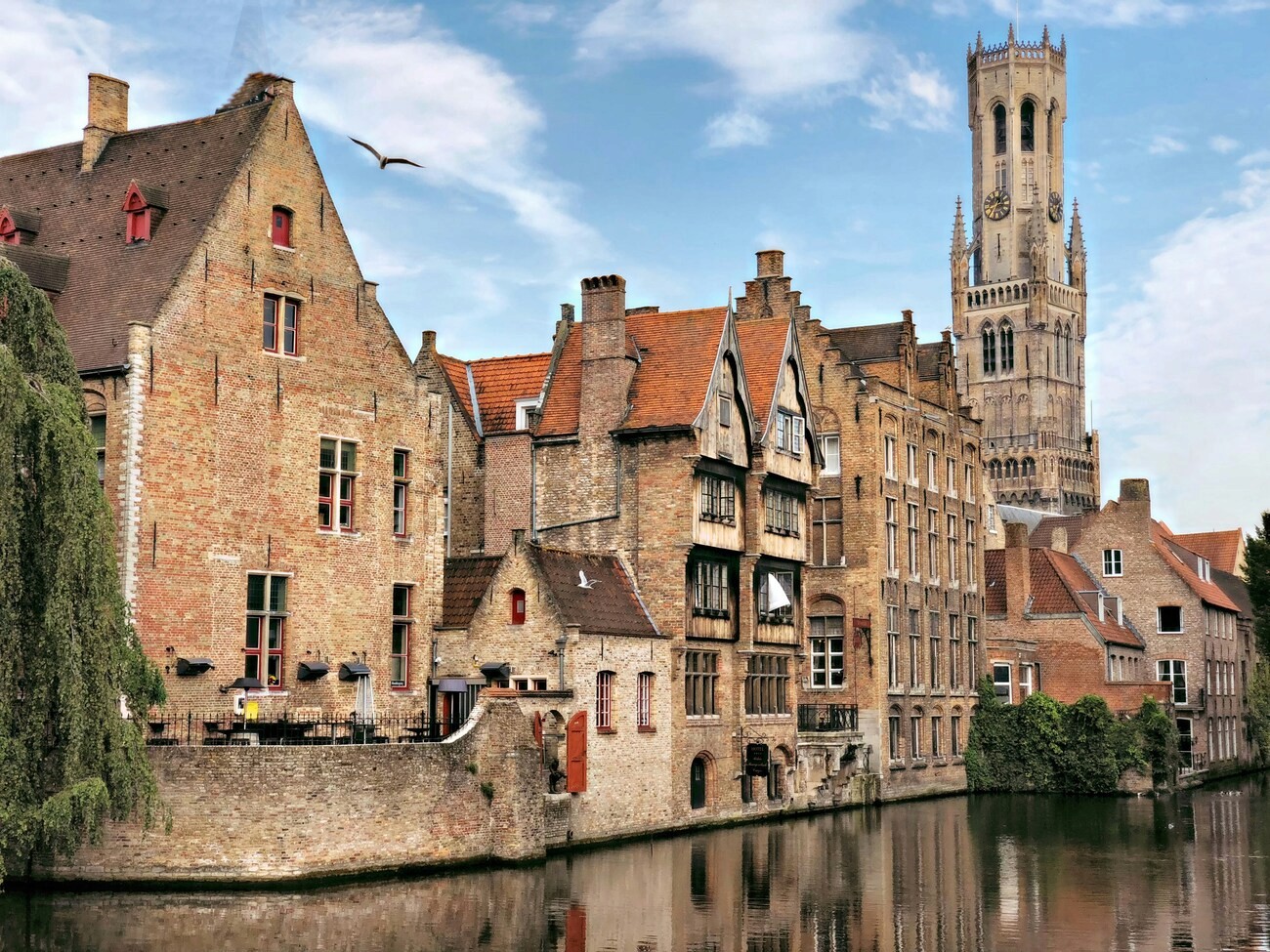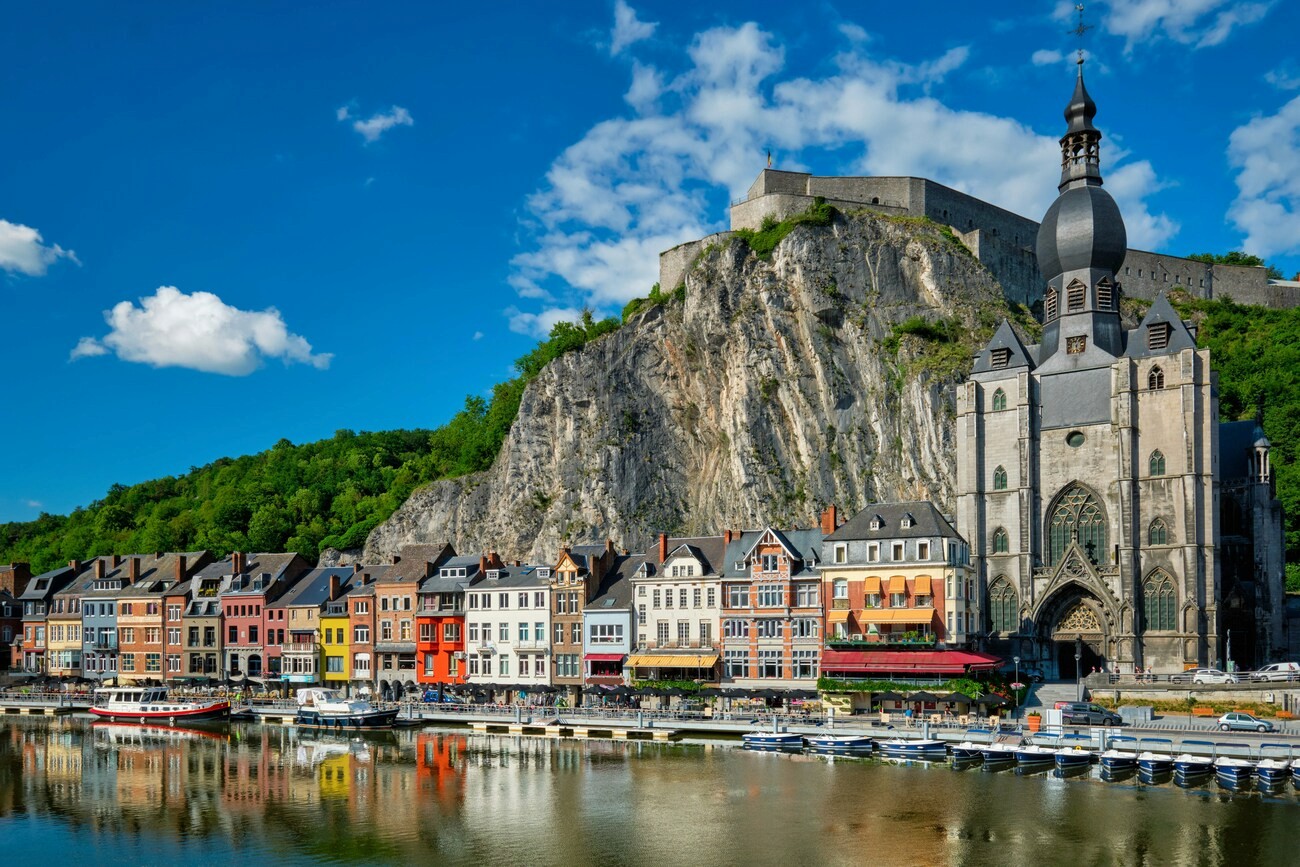


Are you planning to relocate to the heart of Europe? Belgium offers an ideal balance of culture, opportunity, and comfort. With its central location, excellent transport connections, and multilingual population, Belgium is a hub for international professionals, students, and families alike. Whether you’re drawn by Brussels’ cosmopolitan atmosphere, Bruges’ historic charm, or Antwerp’s creative energy, Belgium has something for everyone.
Relocating abroad is a significant life step, but with the right preparation, your move to Belgium can be smooth and enjoyable. This guide outlines the essential information you need to know when moving to Belgium in 2026, from paperwork and housing to practical living.
Finding the Right Moving Company
Choosing a reliable international moving company is the first step to a successful relocation. Belgium’s location at the center of Europe makes it easily accessible by road, rail, or sea but customs and logistics still require professional expertise.
Here’s what to keep in mind when selecting your moving partner:
Experience: Choose a company with experience in European relocations, particularly to Belgium.
Insurance: Verify that your mover offers comprehensive international shipping insurance.
Reviews: Check reviews from other expats or customers who’ve recently moved to Belgium.
Customs knowledge: Select a company that understands EU customs procedures and import regulations.
Many movers also offer full packing services, customs handling, and temporary storage solutions. Always compare at least three quotes and ensure all costs are clearly outlined, including customs clearance and local delivery fees. You can also request 6 free moving quotes through our website to find a company that best fits your needs and budget.
Paperwork and Visas
Your visa and residence requirements depend on your nationality and reason for moving. Since Belgium is part of the European Union and the Schengen Area, procedures differ for EU and non-EU citizens.
For EU/EEA and Swiss citizens:
You do not need a visa to live or work in Belgium.
If you plan to stay longer than 3 months, you must register your residence at your local commune (town hall) within 8 days of arrival.
You will receive a Certificate of Registration (E-card) as proof of residence.
For non-EU citizens:
You will need to apply for a visa before arriving in Belgium. Common types include:
Work Visa (Type D) — for employment with a Belgian company.
Student Visa — for studying at a Belgian university or school.
Professional Card — for self-employed individuals or freelancers.
Family Reunification Visa — for joining a family member legally residing in Belgium.
Other key requirements:
Residence Permit: Apply within 8 days of arrival at your commune.
National Register Number: Issued once you register your residence; required for taxes, healthcare, and social services.
Health Insurance: Mandatory for all residents. You must join a mutuelle (health fund) or enroll in private insurance.
We also offer a detailed step-by-step guide on Belgium’s visa and residence registration process to help you through the paperwork.
Checklist Before Moving to Belgium
Timeframe | Tasks to Complete |
8 Weeks Before | Research and book an international moving company. Review visa or residence requirements and start your application. Create an inventory of your belongings. |
6 Weeks Before | Arrange international health insurance. Decide what to pack, sell, or store. Research cities and housing options in Belgium. |
4 Weeks Before | Finalise travel and accommodation arrangements. Notify your bank, employer, and service providers of your move. Begin packing non-essential items. |
2 Weeks Before | Prepare all required documentation (visa, passport, insurance, proof of income). Confirm shipping and flight details. |
Moving Week | Check customs paperwork and insurance coverage. Prepare for your arrival and registration appointments. |
Moving Day | Conduct a final walkthrough of your home. Keep important documents and valuables with you. |
FAQs About Moving to Belgium
1. Do I need to speak French or Dutch before moving?
Not necessarily, but learning one of Belgium’s official languages will make daily life much easier. English is widely spoken in cities such as Brussels, Ghent, and Antwerp, especially in international workplaces.
2. How can I find housing in Belgium?
You can search for housing on local real estate platforms or through relocation agents. Rental markets in Brussels and Antwerp are competitive, so start early. Rental contracts typically last 1 to 3 years and may require a security deposit.
3. How much does it cost to live in Belgium?
The cost of living is moderate compared to other Western European countries. A couple can expect to live comfortably on €2,000–€3,000 per month depending on location. Brussels and Leuven tend to be pricier, while smaller cities and rural areas are more affordable.
4. Can I bring my pet to Belgium?
Yes, pets are welcome. They must be microchipped, vaccinated against rabies, and have an EU Pet Passport or veterinary certificate. You can bring up to five pets for personal relocation. Non-EU arrivals should check import rules in advance with the Belgian Food Safety Agency (FASFC).
5. What about healthcare?
Belgium’s healthcare system is excellent. Once registered as a resident, you must join a mutuelle (public health fund) or private insurer. The system reimburses a large percentage of medical costs, and most doctors speak English or French.
Your Adventure Awaits
Relocating to Belgium is an opportunity to experience life in one of Europe’s most diverse and dynamic countries. Known for its culture, gastronomy, and strong economy, Belgium offers a balanced lifestyle and access to all of Europe’s major cities within a few hours.
By organizing your paperwork, choosing a trusted moving company, and understanding how to register once you arrive, you’ll make your transition seamless and stress-free.
Enjoy your stay in Belgium!

El cómo
>
.000
Casos anuales
+
Países activos
.
/5
Excelente calificación
+
Las empresas nos utilizan
OTROS SERVICIOS