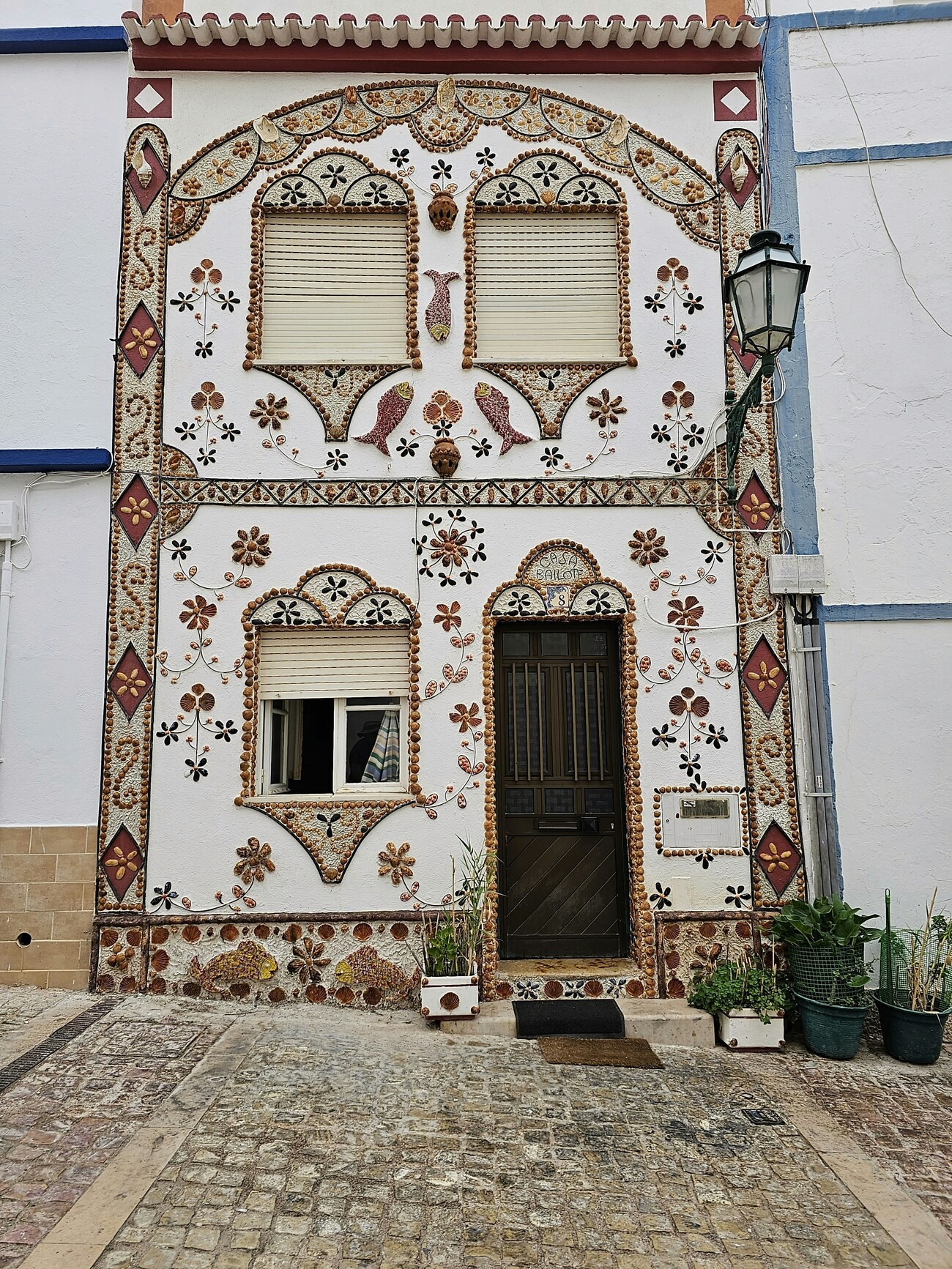


Thinking about moving to Portugal in 2026? Whether it’s the sunny Algarve coast, the culture of Lisbon, or the tranquility of Porto, Portugal continues to attract expats, digital nomads, retirees, and investors from around the world.
With updated visa programs and simplified residency options, Portugal has made it easier than ever to live and work in this Southern European gem. Here’s your complete guide to the available visas and what you’ll need to make your move.
Visa requirements for EU/EEA and Swiss citizens
If you’re a citizen of an EU, EEA, or Swiss country, living in Portugal is simple thanks to free movement within the European Union.
What this means
No visa required: You can enter and reside in Portugal freely.
Registration: For stays longer than 3 months, register your residence with your local Câmara Municipal (Town Hall) to receive a Certificate of Registration (Certificado de Registo de Cidadão da União Europeia).
Work freedom: You can work or start a business immediately without needing a separate permit.
Visa options for non-Europeans
If you’re from outside the EU, EEA, or Switzerland, you’ll need a visa or residence permit depending on your reasons for moving. Portugal offers several pathways for work, study, retirement, and remote living.
1. Schengen Visa (Short-Stay Visa – Type C)
Who it’s for: Tourists, business visitors, or short-term travelers staying up to 90 days within any 180-day period.
Requirements:
Valid passport (3 months beyond your stay)
Proof of accommodation and financial means
Return ticket
Travel insurance (€30,000 minimum coverage)
Duration: Up to 90 days, non-renewable within the Schengen Area.
2. D7 Visa (Passive Income or Retirement Visa)
Who it’s for: Retirees, remote freelancers, or individuals with stable passive income (pension, investments, or rental income).
Requirements (2026 updates):
Proof of minimum monthly income of €1,400 per applicant (20% higher for a spouse and 10% for each dependent).
Proof of accommodation in Portugal (rental or property deed).
Health insurance and clean criminal record.
Duration: Initial residence permit valid for 2 years, renewable for 3 years, and eligible for permanent residence or citizenship after 5 years.
Benefits:
Access to healthcare, schooling, and tax benefits.
Pathway to Portuguese citizenship.
3. Digital Nomad Visa (Temporary Stay or Residency Option)
Who it’s for: Remote workers employed by companies outside Portugal or freelancers with international clients.
Requirements (2026 rules):
Minimum monthly income of €3,280 (four times the Portuguese minimum wage).
Proof of employment or freelance contracts.
Health insurance and accommodation.
Two pathways:
Temporary Stay Visa: For stays up to 1 year.
Residency Visa: For stays longer than 1 year, renewable for up to 5 years.
Bonus: You can live and work from Portugal while enjoying its non-habitual resident (NHR) tax benefits or the new Incentivized Residency Tax Regime (IRTR) introduced in 2026.
4. Work Visa (Employment Visa)
Who it’s for: Non-EU nationals with a confirmed job offer from a Portuguese employer.
Requirements:
Job offer and work contract from a registered Portuguese company.
Approval from the Portuguese Immigration and Borders Service (AIMA).
Health insurance and proof of accommodation.
Duration: Valid for 2 years, renewable.
Note: Employers often assist with your work visa and residence application.
5. Student Visa
Who it’s for: Non-EU students accepted at accredited Portuguese universities, colleges, or training programs.
Requirements:
Letter of acceptance from a Portuguese institution.
Proof of financial means and accommodation.
Health insurance.
Duration: Matches your course duration, renewable annually.
After graduation: Students can apply for a 1-year job-seeking visa to stay and find employment.
6. Golden Visa (Investment Residence Program)
Who it’s for: Investors contributing to Portugal’s economy through approved channels.
2026 updates: While the real estate route has ended, investment options now include:
€500,000 investment in Portuguese venture capital or innovation funds.
€250,000 donation to cultural or artistic projects.
Job creation or business development in Portugal.
Duration: Residence permit valid for 2 years, renewable.
Benefits:
Pathway to permanent residence and citizenship after 5 years.
Minimal physical stay requirement (7 days per year).
7. Family Reunification Visa
Who it’s for: Family members of Portuguese citizens or legal residents.
Requirements:
Proof of relationship (marriage, birth certificate, etc.).
Proof of adequate housing and financial stability.
Health insurance.
Duration: Renewable residence permit linked to the sponsor’s status.
Required documentation for Portuguese visas
Most visa and residence permit applications require:
Completed visa application form
Valid passport (6+ months beyond stay)
Passport-sized photos
Proof of financial means
Proof of accommodation
Health insurance valid in Portugal
Police clearance certificate
Visa-specific documents (e.g., employment contract, university letter, or proof of investment)
Visa costs in Portugal (2026 estimates)
Visa Type | Application Fee | Additional Costs |
Schengen Visa | €90 | Travel insurance (€50–€100/month) |
D7 Visa | €120 | Health insurance & translation costs |
Digital Nomad Visa | €150 | Proof of income & insurance |
Work Visa | €150 | Employer processing & documents |
Student Visa | €90 | Living expenses & school fees |
Family Reunification | €90 | Translation & legalization of documents |
Golden Visa | €5,000 | Investment & legal fees |
Fees are non-refundable and may vary depending on nationality and consulate.
Long-term residence and citizenship
Permanent residence: After 5 years of continuous legal stay.
Citizenship: Eligible after 5 years, with proof of integration and Portuguese language proficiency (A2 level).
Dual citizenship: Portugal allows dual nationality, so you can retain your original citizenship.
Final notes on Portuguese visas
Portugal remains one of Europe’s most attractive destinations in 2026, offering affordable living, mild weather, friendly locals, and an expanding digital economy.
Whether you’re retiring by the sea, working remotely from Lisbon, or investing in a growing economy, Portugal’s visa system provides accessible and flexible pathways for every lifestyle.
Start preparing your paperwork early, check the latest requirements from AIMA (Agência para a Integração, Migrações e Asilo), and get ready to enjoy the relaxed pace of life in one of Europe’s sunniest and most welcoming countries.

El cómo
>
.000
Casos anuales
+
Países activos
.
/5
Excelente calificación
+
Las empresas nos utilizan
OTROS SERVICIOS