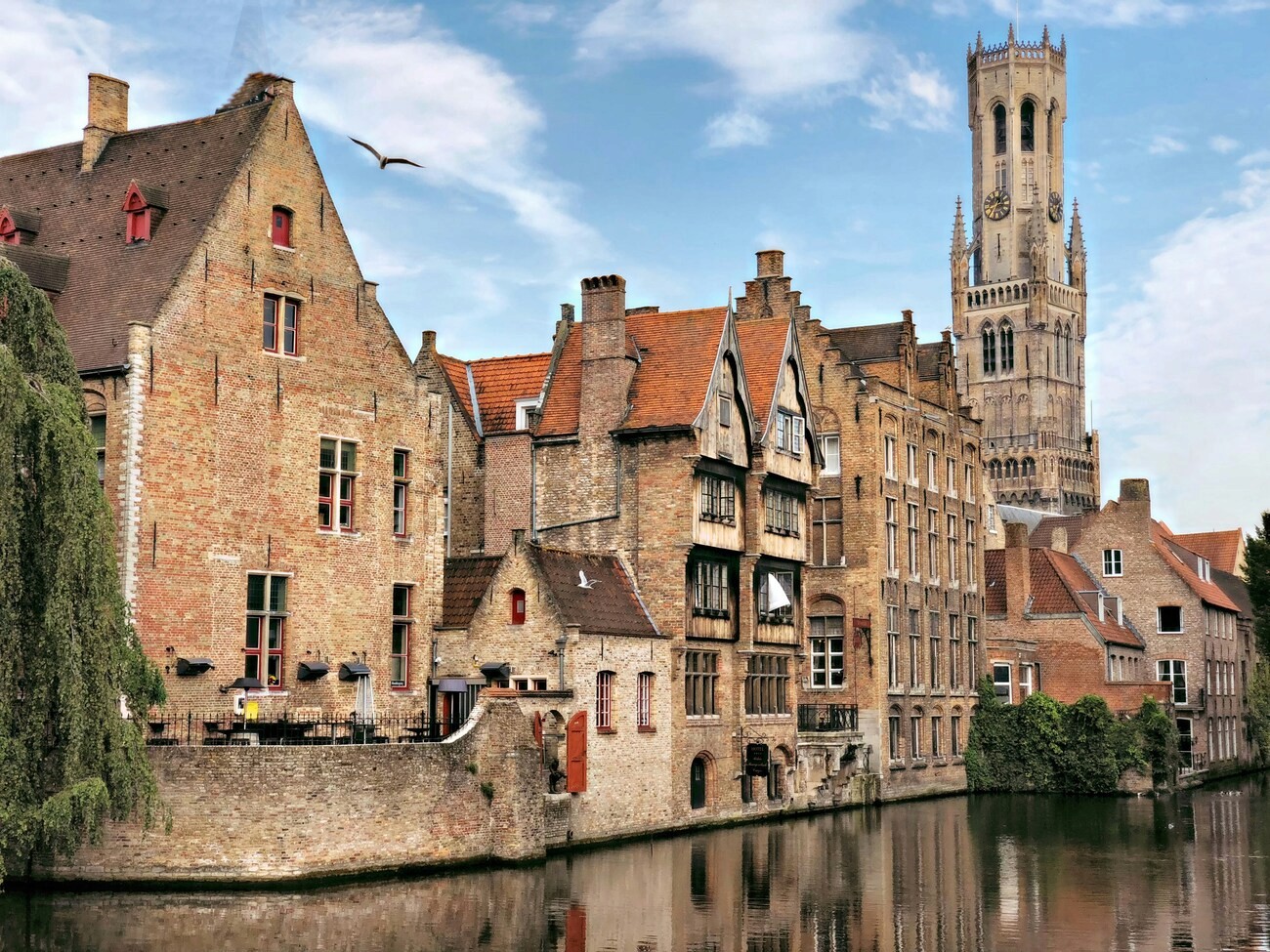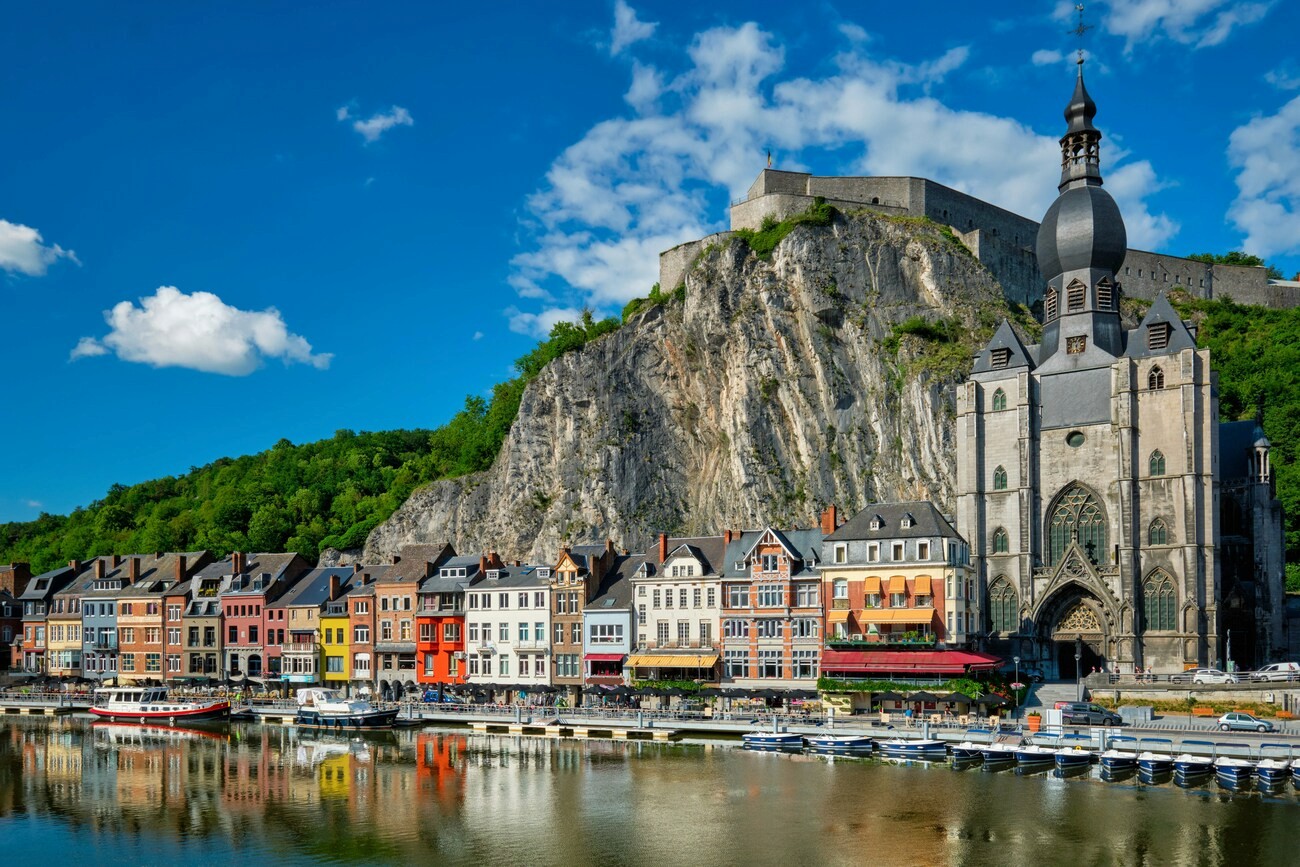


Considering a move to Belgium in 2026? Whether you’re drawn to Brussels’ cosmopolitan energy, Antwerp’s creative scene, or Ghent’s historic charm, Belgium offers a range of visa and residence options suited for professionals, students, families, and remote workers.
This guide explains the different visa categories available in 2026, who they’re for, and what you’ll need to make your move smooth and successful.
Visa requirements for EU/EEA and Swiss citizens
If you’re from an EU or EEA country, or Switzerland, moving to Belgium is straightforward thanks to the EU’s free movement rules.
What this means
No visa required: You can enter and live in Belgium using a valid passport or ID card.
Registration: For stays longer than three months, register at your local commune (town hall) to obtain a residence certificate.
Employment rights: You can work, study, or start a business without needing a work permit.
Visa options for non-Europeans
If you’re not from the EU, EEA, or Switzerland, you’ll need a visa or residence permit depending on the purpose of your stay. Here are the most common Belgian visa types for 2026.
1. Schengen Visa (Short-Stay Visa – Type C)
Who it’s for: Tourists, business travelers, or short-term visitors.
Duration: Up to 90 days within a 180-day period across the Schengen Area.
Requirements:
Valid passport (3 months beyond your stay)
Proof of funds and accommodation
Return or onward travel ticket
Travel insurance (€30,000 minimum coverage)
How to apply: Through the Belgian embassy or consulate in your country of residence.
2. Long-Stay Visa (Type D)
Who it’s for: Non-EU nationals planning to stay longer than 90 days for work, study, or family reasons.
Duration: Typically valid for up to 1 year, and can be renewed in Belgium.
Requirements:
Completed visa application form
Valid passport
Purpose of stay (employment, education, family, etc.)
Proof of sufficient means and health insurance
Once in Belgium, you’ll need to apply for a residence permit (A-card) within 8 days of arrival.
3. Work Visa and Residence Permit (Single Permit)
Who it’s for: Non-EU citizens with a job offer from a Belgian employer.
Requirements:
A work contract with a Belgian company.
The employer must apply for your Single Permit (combined work and residence authorization).
Proof of qualifications, passport, and clean criminal record.
Duration: Usually valid for 1–3 years, renewable.
Special schemes include:
Highly Qualified Worker Permit, for professionals earning at least €47,000 annually (2026 threshold).
EU Blue Card, for skilled professionals with a recognized degree and an annual salary of at least €60,000.
Process: The employer initiates the application through the regional authorities (Flanders, Brussels, or Wallonia).
4. Digital Nomad Visa (expected in 2026)
Who it’s for: Remote workers and freelancers employed by companies outside Belgium.
Expected requirements:
Proof of employment or freelance contracts outside Belgium.
Monthly income of at least €3,000–€3,500 net.
Valid health insurance.
Proof of accommodation.
Duration: Expected to be 1 year, renewable.
Belgium’s 2026 digital nomad visa is designed to attract international professionals seeking flexible residency while contributing to the local economy, particularly in cities like Brussels, Bruges, and Liège.
5. Student Visa
Who it’s for: Non-EU students accepted at Belgian universities, colleges, or recognized schools.
Requirements:
Official admission letter from a Belgian institution.
Proof of sufficient financial resources (approx. €13,000 per year).
Health insurance and proof of accommodation.
Duration: Valid for the duration of your study program, renewable annually.
Bonus: After graduation, students can apply for a 12-month job-seeking permit to find employment in Belgium.
6. Family Reunification Visa
Who it’s for: Spouses, partners, and children of Belgian citizens or legal residents.
Requirements:
Proof of family relationship (marriage or birth certificate).
Proof of sufficient income and adequate housing.
Health insurance for all family members.
Duration: Initially valid for 1 year, renewable, leading to long-term residence.
7. Self-Employment and Business Visa
Who it’s for: Entrepreneurs, freelancers, or investors who wish to run a business in Belgium.
Requirements:
Proof of business viability and relevant experience.
Professional card (authorization to operate as a self-employed worker).
Proof of funds and business registration.
Duration: Usually 2 years, renewable.
Note: The process varies slightly depending on the region (Flanders, Wallonia, or Brussels-Capital).
Required documentation for Belgian visas
Most visa applications require the following:
Completed application form
Valid passport (6+ months beyond stay)
Passport-sized photos
Proof of financial means (bank statements, pay slips, or sponsorship)
Proof of accommodation (rental contract or invitation letter)
Health insurance
Police clearance certificate
Purpose-specific documents (e.g., job offer, school admission, or marriage certificate)
Visa costs in Belgium (2026 estimates)
Visa Type | Application Fee | Additional Costs |
Schengen Visa | €90 | Travel insurance (€50–€100/month) |
Long-Stay Visa (Type D) | €180 | Health insurance & translation costs |
Work / Single Permit | €200 | Paid by employer in most cases |
Digital Nomad Visa (proposed) | €150–€200 | Proof of income & insurance |
Student Visa | €180 | Living expenses & school registration fees |
Family Reunification | €210 | Document legalization & translation |
Self-Employment Visa | €350 | Professional card & registration fees |
All fees are non-refundable and may vary depending on your nationality and the Belgian region handling the case.
Long-term residence and citizenship
Permanent residence: After 5 years of continuous legal residence, you can apply for a permanent residence card (B-card).
Citizenship: Usually possible after 5 years of residence and integration (language skills in Dutch, French, or German).
Dual citizenship: Belgium allows dual nationality, meaning you can retain your original citizenship.
Final notes on Belgian visas
Belgium’s central location, multilingual culture, and strong economy make it a top destination for expats in 2026. From EU free movement to the upcoming digital nomad scheme, there’s a visa path for nearly every type of newcomer.
The process can take time due to regional differences, so it’s best to start early and check specific requirements on dofi.ibz.be, Belgium’s official immigration portal.
Whether you’re moving for work, study, or a new adventure, Belgium offers an exceptional quality of life and easy access to the rest of Europe.

El cómo
>
.000
Casos anuales
+
Países activos
.
/5
Excelente calificación
+
Las empresas nos utilizan
OTROS SERVICIOS